Why is an Ar/H2 atmosphere used in NCNT preparation? Master Catalyst Activation in Tube Furnaces
Updated 3 months ago
Using a reducing Ar/H2 atmosphere is critical for activating metal components that trigger the growth of carbon nanotubes. In the preparation of nitrogen-doped carbon nanotube (NCNT) modified catalysts, this specific gas mixture reduces metal precursors (such as cobalt or nickel) into active metallic nanoparticles. These particles serve as essential nucleation sites for the in-situ growth of nanotubes, transforming the catalyst into a high-surface-area 1D/2D composite structure.
Core Takeaway: The Ar/H2 atmosphere acts as a chemical trigger that transforms inactive metal ions into active catalytic seeds. This process enables the growth of carbon nanotubes, which significantly expands the catalyst's active surface area and improves its electrochemical performance.
Activating the Catalytic Nucleation Sites
Reduction of Metal Precursors
The primary role of hydrogen in the Ar/H2 mixture is to reduce metal ions within a precursor, such as a Metal-Organic Framework (MOF), into their metallic state. For instance, cobalt ions are reduced to metallic cobalt nanoparticles, which are the only form capable of catalyzing carbon nanotube growth.
Facilitating In-Situ Nanotube Growth
Once the metal particles are reduced and active, they facilitate the in-situ growth of carbon nanotubes directly on the surface of the catalyst's nanowalls. This evolution from a flat 2D structure to a complex 1D/2D hierarchical composite is what gives the material its superior properties.
Increasing Electrochemical Active Surface Area
By growing nanotubes across the surface, the total electrochemical active surface area (ECSA) is significantly increased. This structural complexity allows for better reactant access and faster electron transfer during catalytic reactions.
Protecting and Refining the Catalyst Structure
Prevention of Oxidative Loss
The presence of argon, an inert gas, ensures that the carbon structure does not undergo combustion or oxidative loss at high temperatures. It displaces oxygen within the tube furnace, allowing the carbon to graphitize and the nitrogen to incorporate into the lattice without being destroyed.
Control of Particle Dispersion
A controlled reducing environment prevents the metallic nanoparticles from sintering or clumping together. By managing the gas flow and temperature, the furnace ensures that the active sites remain highly dispersed and small, which is vital for maintaining high catalytic activity.
Enhancing Conductivity through Graphitization
The high-temperature environment, protected by the inert/reducing gas, promotes the thermal rearrangement of nitrogen atoms. This process enhances the graphitization of the carbon structure, directly increasing the electrical conductivity of the final NCNT catalyst.
Understanding the Trade-offs
The Risk of Metal Sintering
While high temperatures are necessary for nanotube growth and nitrogen doping, excessive heat can cause metal grains to grow too large. If the reduction process is not precisely timed, the resulting large metal particles will produce fewer, thicker nanotubes, reducing the catalyst's overall efficiency.
Hydrogen Concentration Balances
Using too high a concentration of hydrogen can lead to over-reduction or even the etching of the carbon structure itself. Most processes utilize a diluted mixture (typically 5% to 10% H2 in Ar) to provide sufficient reducing power while maintaining a safe and controllable reaction environment.
Atmospheric Purity Requirements
Any trace of oxygen or moisture in the gas stream can poison the metal catalysts or cause the nitrogen-doped carbon to oxidize. This necessitates the use of high-purity gases and a high-precision tube furnace capable of maintaining a strict airtight seal throughout the pyrolysis process.
How to Apply This to Your Project
Recommendations for Catalyst Synthesis
- If your primary focus is maximizing surface area: Prioritize the Ar/H2 reduction phase to ensure dense growth of 1D nanotubes on your 2D substrate, creating a "forest" of active sites.
- If your primary focus is high electrical conductivity: Focus on the high-temperature range (700°C–900°C) within the tube furnace to ensure deep graphitization and stable nitrogen doping.
- If your primary focus is preventing metal leaching: Use a lower concentration of hydrogen (5%) and a steady ramp rate to ensure metal particles are firmly exsolved and "anchored" into the carbon support.
By precisely controlling the reducing atmosphere, you transform a simple carbon precursor into a sophisticated, high-performance hierarchical catalyst.
Summary Table:
| Feature | Role of Ar/H2 Atmosphere | Key Benefit |
|---|---|---|
| Metal Activation | Reduces metal ions (Co, Ni) to metallic nanoparticles | Creates essential nucleation sites for CNT growth |
| Structural Growth | Facilitates in-situ growth of carbon nanotubes | Increases electrochemical active surface area (ECSA) |
| Oxidation Control | Argon displaces oxygen to prevent carbon combustion | Ensures structural integrity of the carbon lattice |
| Conductivity | Supports high-temp thermal rearrangement of N-atoms | Enhances graphitization and electrical conductivity |
| Particle Dispersion | Prevents metallic nanoparticles from sintering | Maintains high catalytic activity and small site size |
Optimize Your Catalyst Synthesis with THERMUNITS Precision
Precise atmosphere control is non-negotiable for high-performance material synthesis. THERMUNITS is a leading manufacturer of high-temperature laboratory equipment for material science and industrial R&D. We provide the advanced thermal processing solutions required for complex NCNT preparation, including:
- High-Precision Tube & CVD/PECVD Furnaces: Designed for perfect Ar/H2 gas mixing and airtight atmosphere control.
- Comprehensive Range: From Muffle, Vacuum, and Atmosphere furnaces to Rotary, Hot Press, and Dental systems.
- Specialized R&D Tools: Electric rotary kilns, vacuum induction melting (VIM) furnaces, and high-quality thermal elements.
Whether you are focusing on maximizing surface area or enhancing conductivity, our equipment ensures stable gas flows and rigorous temperature management to prevent metal sintering and over-reduction.
Ready to elevate your lab's research capabilities? Contact us today to discuss your specific furnace requirements!
References
- Dezhi Kong, Hui Ying Yang. Rational Construction of 3D Self‐Supported MOF‐Derived Cobalt Phosphide‐Based Hollow Nanowall Arrays for Efficient Overall Water Splitting At large Current Density. DOI: 10.1002/smll.202310012
Mentioned Products
- Vertical 1700C Vacuum and Atmosphere Tube Furnace with 80mm Alumina Tube
- Compact High Temperature 1600C Tube Furnace with 50mm Alumina Tube and Vacuum Flanges for Material Sintering
- 900°C Max Rotary Tube Furnace with 8 Inch 310S Alloy Tube and Optional Multi Zone Heating for Industrial Material Calcination
- Split Vertical Tube Furnace with 1200C Quartz Tube and Stainless Steel Vacuum Flanges for Rapid Thermal Processing
- High Temperature 1700C Tube Furnace with High Vacuum Turbomolecular Pump System and Multi Channel Mass Flow Controller Gas Mixer
People Also Ask
- How is an industrial-grade vertical tube furnace utilized in smelting leaching residues? Enhance Metal Recovery Efficiency
- What is the function of a laboratory-grade vertical tube furnace in fast pyrolysis? Optimize Composite Research.
- How does a vertical tube furnace facilitate thermoelectric alloy melting? Precision synthesis for material homogeneity.
- Why is a thermocouple sensor indispensable for monitoring the vertical tube furnace during gallium oxide nanowire production? Optimize VLS Growth
- What are the advantages of using a vertical tube furnace for crucible experiments simulating steel-slag interactions?

Tech Team · ThermUnits
Last updated on Jun 03, 2026
Related Products
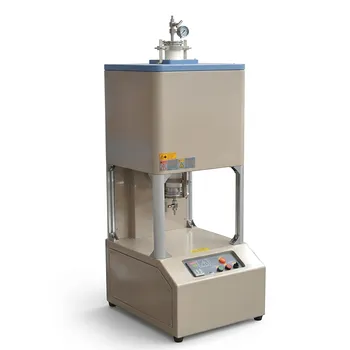
Vertical 1700C Vacuum and Atmosphere Tube Furnace with 80mm Alumina Tube

Compact High Temperature 1600C Tube Furnace with 50mm Alumina Tube and Vacuum Flanges for Material Sintering
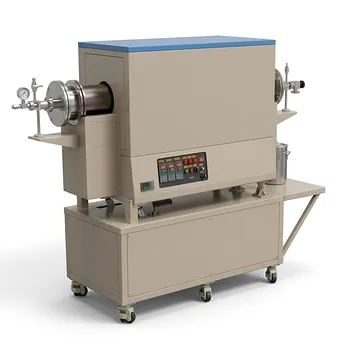
900°C Max Rotary Tube Furnace with 8 Inch 310S Alloy Tube and Optional Multi Zone Heating for Industrial Material Calcination
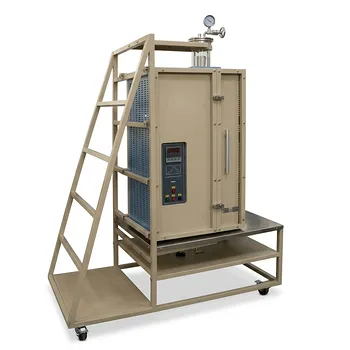
Split Vertical Tube Furnace with 1200C Quartz Tube and Stainless Steel Vacuum Flanges for Rapid Thermal Processing

High Temperature 1700C Tube Furnace with High Vacuum Turbomolecular Pump System and Multi Channel Mass Flow Controller Gas Mixer
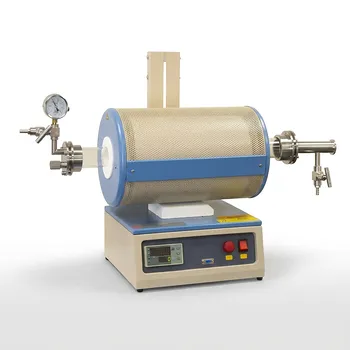
1100C Tube Furnace with Vacuum Flange and Programmable Temperature Controller for Material Science and Industrial Heat Treatment
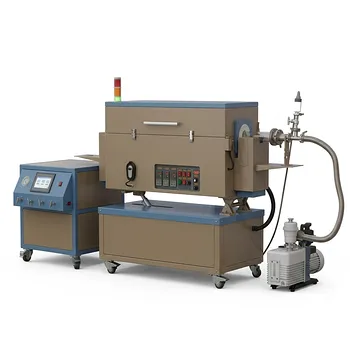
5 Inch Three Zone Rotary Tube Furnace with Integrated Gas Delivery System and 1200C Capability for Advanced Material CVD Processing
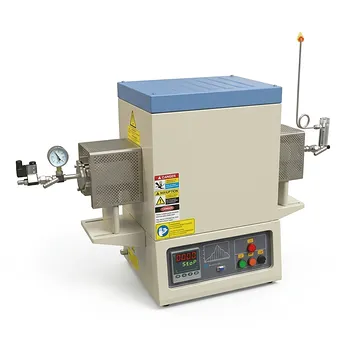
1700C Hydrogen Gas Tube Furnace with 60mm Alumina Process Tube and Integrated Hydrogen Safety Detector
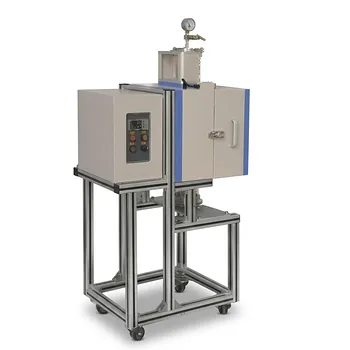
1200°C 5 Inch Vertical Quartz Tube Furnace with Stainless Steel Vacuum Flanges
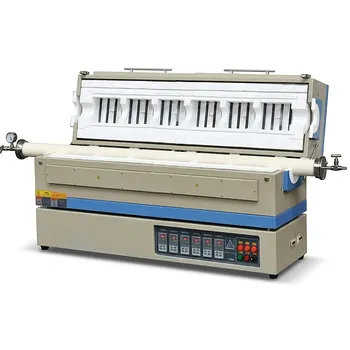
High Temperature 1700C Six Zone Split Tube Furnace with Alumina Tube and Water Cooled Flanges
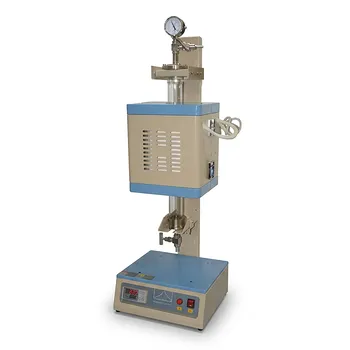
Compact Vertical Split Quartz Tube Furnace with Stainless Steel Vacuum Flanges for Rapid Thermal Quenching and Controlled Atmosphere Material Processing
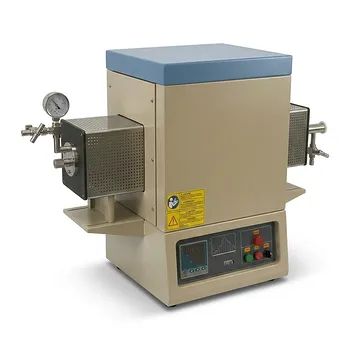
High Temperature 1700C Benchtop Tube Furnace with 5 Inch Heating Zone High Purity Alumina Tube and Vacuum Sealing Flanges
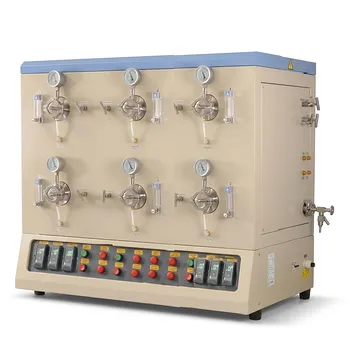
1200C High Throughput Multi Channel Tube Furnace with 50mm Quartz Tubes for Annealing and Material Phase Diagram Research
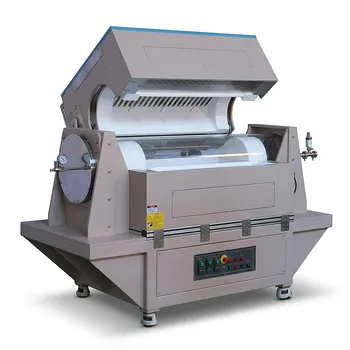
Three Zone Tube Furnace with 11 Inch or 15 Inch Quartz Tube and Hinged Flanges for Vacuum Atmosphere Heat Treatment

1800C High Temperature Compact Vacuum Tube Furnace with 60mm OD Alumina Tube and Kanthal MoSi2 Heating Elements

High Temperature 1700C Vertical Tube Furnace for Powder Spherification and Material Sintering
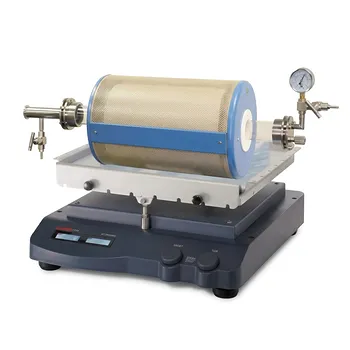
High Temperature Rocking Tube Furnace with Quartz Tube and Vacuum Flange for Materials Synthesis

High Temperature Automated 5 Inch Tube Furnace for Autonomous Material Research and Advanced Laboratory R&D
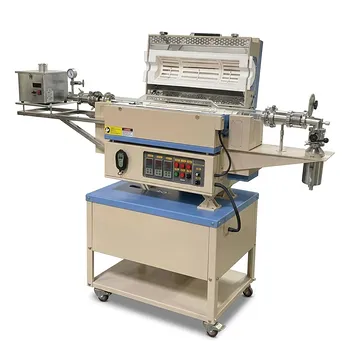
5 Inch Rotary Tube Furnace with Automatic Feeding and Receiving System 1200C Three Zone CVD Powder Processing