Why does Sn(S0.92Se0.08)2 heat treatment require N2 protection? Prevent oxidation & maximize semiconductor efficiency.
Updated 3 months ago
Nitrogen (N2) protection is fundamental to maintaining the chemical and electronic integrity of Sn(S0.92Se0.08)2 electron transport layers during high-temperature processing. This inert environment prevents the unintended oxidation of the metal chalcogenide thin film, which would otherwise degrade its semiconductor properties. By excluding oxygen, the nitrogen atmosphere ensures the material retains the specific energy level structure and high conductivity necessary for efficient electron extraction in optoelectronic devices.
Core Takeaway: Nitrogen protection in a tube furnace acts as a chemical shield, preventing thermal oxidation and the loss of volatile components. This ensures the Sn(S0.92Se0.08)2 film achieves its required crystalline structure and electronic performance without forming resistive oxide impurities.
The Role of Nitrogen in Maintaining Chemical Purity
Preventing Unintended Thermal Oxidation
At the high temperatures required for crystallization, metal chalcogenides like Sn(S0.92Se0.08)2 are highly reactive with ambient oxygen. Nitrogen serves as an inert displacement gas, effectively purging air from the tube furnace chamber to prevent the formation of tin oxides. If oxidation occurs, the semiconductor's active phase is compromised, leading to a loss of the desired electronic functionality.
Preserving the Stoichiometry of the Active Phase
Maintaining the precise ratio of tin, sulfur, and selenium is critical for the performance of the electron transport layer. An oxygen-free environment ensures that the chemical reaction remains focused on thermal rearrangement and crystallization rather than side-reactions. This preservation of the "active phase" is what allows the material to function as an efficient semiconductor.
Enhancing Electronic and Morphological Integrity
Protecting Energy Level Structures
The efficiency of an electron transport layer depends on its energy levels aligning with the rest of the solar cell or device. Nitrogen protection maintains the superior energy level structure of the Sn(S0.92Se0.08)2 material by preventing the introduction of oxygen-induced defects. These defects can create "traps" that hinder electron flow and reduce overall device efficiency.
Ensuring Morphological Homogeneity
In a tube furnace, a stable nitrogen flow can also act as a carrier gas for any sublimated sulfur or selenium vapors. This helps distribute these vapors uniformly over the sample surface, ensuring the resulting film has a consistent morphology. Without this controlled atmosphere, the film could develop structural instabilities or non-uniform areas that degrade performance.
Understanding the Trade-offs
The Risk of Insufficient Purging
If the nitrogen flow is too low or the purge time is insufficient, residual oxygen can still cause localized oxidation. This results in heterogeneous films with varying conductivity, which are often the primary cause of device failure in large-scale applications. Achieving the correct balance of flow rate and pressure is a technical necessity.
Cost and Complexity of High-Purity Gas
Using high-purity nitrogen increases the operational cost and complexity of the heat treatment process. While essential for performance, it requires specialized tube furnace seals and precise flow monitoring equipment. Failure to maintain a high-purity environment can lead to the "poisoning" of the film with trace impurities, negating the benefits of the heat treatment.
How to Apply This to Your Project
When performing heat treatment on chalcogenide thin films, your atmosphere control strategy should be tailored to your specific performance requirements.
- If your primary focus is Maximum Conductivity: Ensure a high-purity nitrogen flow (99.999%) to completely eliminate oxygen-induced resistive phases.
- If your primary focus is Uniform Surface Morphology: Use the nitrogen as a carrier gas at a steady, controlled flow rate to stabilize the distribution of volatile chalcogen vapors.
- If your primary focus is Device Longitudinal Stability: Prioritize a vacuum-sealed tube furnace environment to ensure no ambient air ingress occurs during the cooling phase.
Consistent nitrogen protection is the definitive factor in transforming a raw precursor film into a high-performance, stable electron transport layer.
Summary Table:
| Key Factor | Role of Nitrogen (N2) Protection | Impact on Device Performance |
|---|---|---|
| Oxidation Control | Displaces oxygen to prevent tin oxide formation. | Maintains high semiconductor purity. |
| Stoichiometry | Preserves precise Sn:S:Se ratios. | Ensures stable active phase functionality. |
| Electronic State | Eliminates oxygen-induced trap states. | Optimizes energy level alignment and efficiency. |
| Morphology | Acts as a carrier gas for uniform vapor distribution. | Ensures consistent film homogeneity. |
| Impurity Control | Flushes volatile contaminants from the chamber. | Reduces resistive phases and device failure. |
Elevate Your Material Research with THERMUNITS
Precise atmosphere control is the difference between a failed sample and a high-performance semiconductor. THERMUNITS is a leading manufacturer of high-temperature laboratory equipment for material science and industrial R&D. We provide the advanced thermal processing solutions required to achieve perfect nitrogen protection for your chalcogenide thin films.
Our comprehensive product range includes:
- Tube & Vacuum Furnaces: Engineered for high-purity atmosphere control and vacuum-sealed integrity.
- CVD/PECVD Systems: For advanced thin-film deposition and material synthesis.
- Specialized Solutions: Muffle, Atmosphere, Rotary, and Hot Press furnaces, alongside Dental Furnaces, Electric Rotary Kilns, and Vacuum Induction Melting (VIM) systems.
Don't let oxidation compromise your research. Harness the power of precision heat treatment to ensure maximum conductivity and morphological stability in your electron transport layers.
Contact THERMUNITS Today for a Professional Consultation!
References
- Tianpeng Li, Jia Liang. Metal chalcogenide electron extraction layers for nip-type tin-based perovskite solar cells. DOI: 10.1038/s41467-024-53713-4
Mentioned Products
- High Temperature Tube Furnace 1500C with Sliding Flanges and 50mm OD for Rapid Thermal Processing Fast Heating and Cooling
- Vertical 1700C Vacuum and Atmosphere Tube Furnace with 80mm Alumina Tube
- 1100C Tube Furnace with Vacuum Flange and Programmable Temperature Controller for Material Science and Industrial Heat Treatment
- Compact High Temperature 1600C Tube Furnace with 50mm Alumina Tube and Vacuum Flanges for Material Sintering
- 900°C Max Rotary Tube Furnace with 8 Inch 310S Alloy Tube and Optional Multi Zone Heating for Industrial Material Calcination
People Also Ask
- How are high-temperature tube furnaces utilized to repair etching damage? Precision Lattice Restoration Solutions
- What role does a high-temperature tube furnace play in CVD synthesis of silicon nanowires? Master VLS Growth Precision.
- What core conditions does a high-temperature tube furnace provide for rGO aerogels? Mastering Precision Synthesis.
- What role does a high-temperature tube furnace play in the sulfidation heat treatment of CoS@C/MXene nanocomposites? Guide
- How does precision tube furnace control influence CoFe nanoparticle formation? Master Your Bimetallic Synthesis.

Tech Team · ThermUnits
Last updated on Jun 02, 2026
Related Products
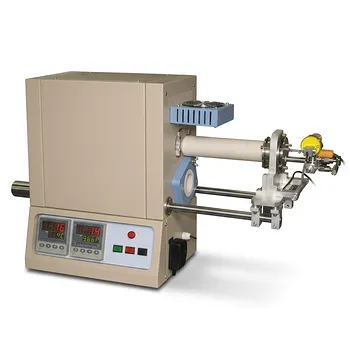
High Temperature Tube Furnace 1500C with Sliding Flanges and 50mm OD for Rapid Thermal Processing Fast Heating and Cooling

Vertical 1700C Vacuum and Atmosphere Tube Furnace with 80mm Alumina Tube
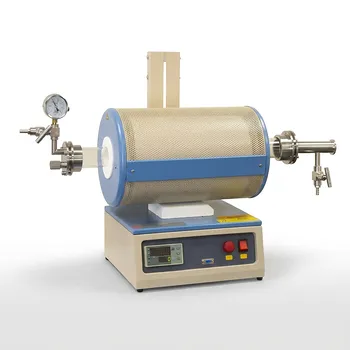
1100C Tube Furnace with Vacuum Flange and Programmable Temperature Controller for Material Science and Industrial Heat Treatment

Compact High Temperature 1600C Tube Furnace with 50mm Alumina Tube and Vacuum Flanges for Material Sintering
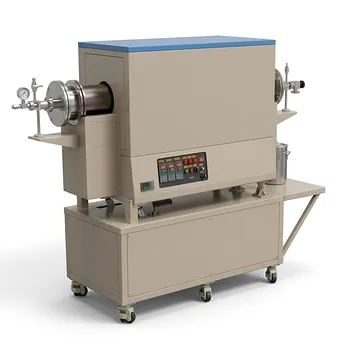
900°C Max Rotary Tube Furnace with 8 Inch 310S Alloy Tube and Optional Multi Zone Heating for Industrial Material Calcination
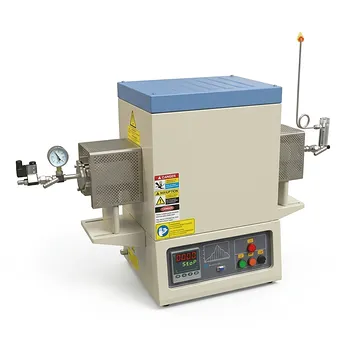
1700C Hydrogen Gas Tube Furnace with 60mm Alumina Process Tube and Integrated Hydrogen Safety Detector

High Temperature 1700C Tube Furnace with High Vacuum Turbomolecular Pump System and Multi Channel Mass Flow Controller Gas Mixer
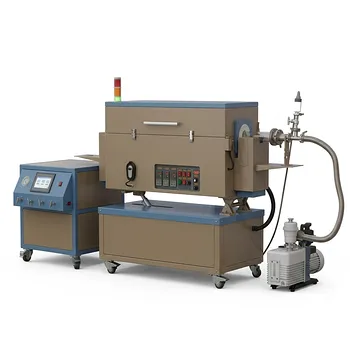
5 Inch Three Zone Rotary Tube Furnace with Integrated Gas Delivery System and 1200C Capability for Advanced Material CVD Processing
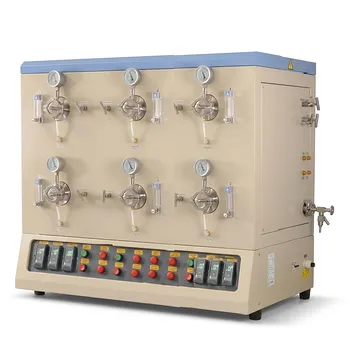
1200C High Throughput Multi Channel Tube Furnace with 50mm Quartz Tubes for Annealing and Material Phase Diagram Research
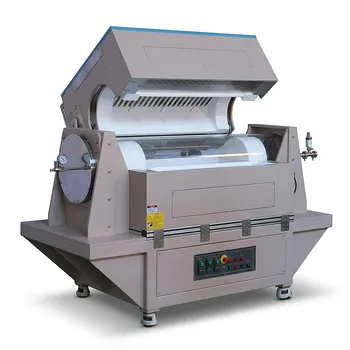
Three Zone Tube Furnace with 11 Inch or 15 Inch Quartz Tube and Hinged Flanges for Vacuum Atmosphere Heat Treatment

1200°C 5 Inch Vertical Quartz Tube Furnace with Stainless Steel Vacuum Flanges

1800C High Temperature Compact Vacuum Tube Furnace with 60mm OD Alumina Tube and Kanthal MoSi2 Heating Elements
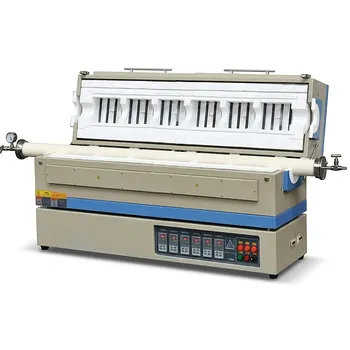
High Temperature 1700C Six Zone Split Tube Furnace with Alumina Tube and Water Cooled Flanges
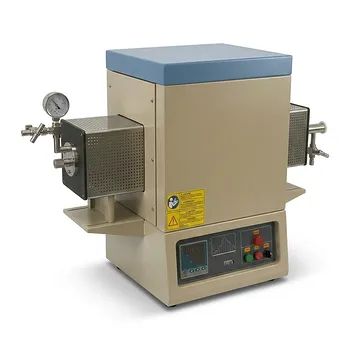
High Temperature 1700C Benchtop Tube Furnace with 5 Inch Heating Zone High Purity Alumina Tube and Vacuum Sealing Flanges
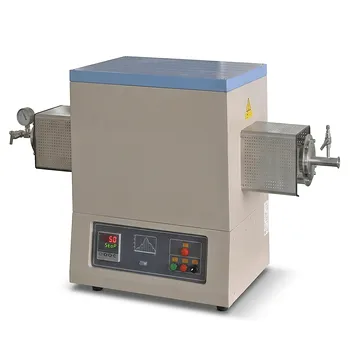
High Temperature 1700C Tube Furnace with 4 Inch OD Alumina Tube and Vacuum Sealing Flanges
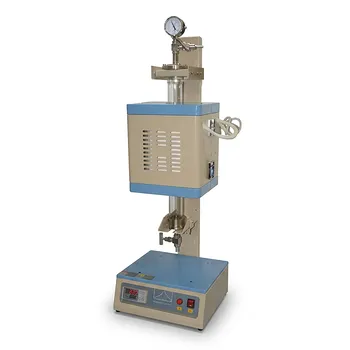
Compact Vertical Split Quartz Tube Furnace with Stainless Steel Vacuum Flanges for Rapid Thermal Quenching and Controlled Atmosphere Material Processing
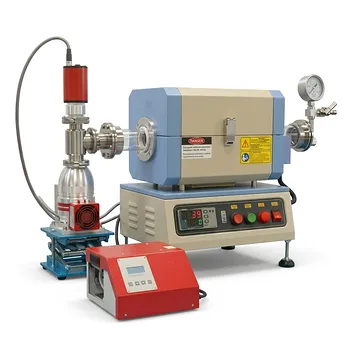
High Vacuum Compact Tube Furnace 1200C with Integrated Turbo Pump System and 8 Inch Heating Zone
High Throughput 1200C Four Channel Tube Furnace with 3 Inch Quartz Tubes for Multi Zone Annealing and Material Research

High Temperature Automated 5 Inch Tube Furnace for Autonomous Material Research and Advanced Laboratory R&D
