What role does a tube furnace play in the high-temperature carbonization process for carbon-based solid acids? Expert Guide
Updated 3 months ago
The tube furnace serves as the foundational reactor for the high-temperature synthesis of carbon-based solid acids. It provides a precisely controlled, oxygen-free thermal environment that enables the transformation of organic precursors into a stable, amorphous carbon framework. By facilitating dehydration, decarboxylation, and pyrolysis, the furnace ensures the removal of volatiles and the creation of a rigid structure capable of supporting functional acid groups.
The tube furnace is critical for achieving a stable carbon carrier through controlled pyrolysis in an inert atmosphere. This process prevents oxidative degradation while engineering the internal pore network and structural integrity required for effective chemical functionalization.
Establishing a Controlled Thermal Environment
Precision Atmosphere Management
The primary role of the tube furnace is to maintain a strict inert atmosphere, typically using nitrogen or argon. This oxygen-free environment is vital to prevent the oxidative loss of the carbon precursor at high temperatures.
Regulated Thermal Decomposition
By setting specific heating rates (e.g., 10 °C/min), the furnace drives the systematic release of volatile matter. This controlled decomposition allows for the structural reorganization of carbon atoms without collapsing the emerging internal framework.
Facilitating Chemical Reactions
The high-temperature environment (often ranging from 400°C to 1000°C) provides the energy necessary for dehydration, decarboxylation, and dehydrogenation. These reactions are the fundamental chemical steps that convert raw biomass or polymers into solid carbon.
Engineering the Carbon Framework
Pyrolysis and Polycondensation
Within the furnace, pyrolysis and polycondensation reactions transform organic precursors into an amorphous carbon carrier. This results in a stable, rigid framework that serves as the "backbone" for the final solid acid catalyst.
Removal of Unstable Functional Groups
Secondary carbonization processes in the tube furnace remove unstable groups from the carbon surface and rearrange chemical bonds. This step is essential for enhancing the thermal stability and mechanical strength of the material before acid loading.
Optimizing Pore Structures
The controlled environment facilitates the formation of a high-adsorption pore network. A well-defined porous structure is critical for ensuring that active sites are accessible during subsequent catalytic applications.
Understanding the Trade-offs
Heating Rate vs. Structural Integrity
While rapid heating can increase throughput, it may lead to the rapid escape of volatiles that can fracture the carbon framework. Conversely, slow heating rates consume more energy and time but typically yield a more uniform and mechanically strong carbon carrier.
Temperature Ceiling and Surface Activity
Higher carbonization temperatures (above 800°C) increase the degree of graphitization and structural stability. However, excessively high temperatures can eliminate the very surface defects or residual functional groups needed to anchor sulfonic acid groups during the functionalization phase.
Gas Flow Dynamics
Insufficient inert gas flow can allow the buildup of reaction byproducts, which may lead to unwanted secondary deposits on the carbon surface. High flow rates ensure a clean environment but increase the operational cost and can lead to thermal gradients within the furnace tube.
How to Apply This to Your Project
Recommendations for Carbonization Success
To achieve the best results when preparing carbon-based solid acids, align your furnace parameters with your specific material goals.
- If your primary focus is high catalytic activity: Use moderate carbonization temperatures (400°C–600°C) to maintain a balance between structural stability and the presence of surface sites for acid attachment.
- If your primary focus is mechanical and thermal durability: Opt for higher temperatures (800°C+) and slower heating rates to promote a more rigid, graphitic carbon network.
- If your primary focus is high surface area and porosity: Ensure a consistent, continuous flow of inert gas to effectively sweep away volatiles and prevent pore clogging during the pyrolysis phase.
By masterfully controlling the thermal and atmospheric conditions within a tube furnace, you create the robust, high-purity carbon architecture necessary for high-performance solid acid catalysts.
Summary Table:
| Feature | Function in Carbonization | Impact on Solid Acid |
|---|---|---|
| Inert Atmosphere | Prevents oxidative loss | High-purity carbon backbone |
| Precise Heating Rate | Regulated thermal decomposition | Robust, non-collapsed framework |
| Thermal Energy | Drives dehydration & pyrolysis | Stable amorphous structure |
| Gas Flow Control | Removes volatile byproducts | Optimized pore network & surface area |
| Temperature Range | Adjusts degree of graphitization | Balances stability vs. catalytic activity |
Elevate Your Material Research with THERMUNITS
Ready to optimize your high-temperature synthesis? THERMUNITS is a leading manufacturer of high-temperature laboratory equipment for material science and industrial R&D. We offer a comprehensive range of thermal processing solutions, including Tube, Muffle, Vacuum, and Atmosphere Furnaces, as well as CVD/PECVD systems and Vacuum Induction Melting (VIM) furnaces.
Whether you are engineering carbon-based solid acids or advanced industrial materials, our equipment provides the precise atmosphere and temperature control required for superior results.
Contact our technical experts today to find the ideal furnace for your laboratory!
References
- Shu Dong, Leilei Dai. Insights into Preparation Methods and Functions of Carbon-Based Solid Acids. DOI: 10.3390/molecules29010247
Mentioned Products
- High Temperature Tube Furnace 1500C with Sliding Flanges and 50mm OD for Rapid Thermal Processing Fast Heating and Cooling
- Vertical 1700C Vacuum and Atmosphere Tube Furnace with 80mm Alumina Tube
- 1100C Tube Furnace with Vacuum Flange and Programmable Temperature Controller for Material Science and Industrial Heat Treatment
- Compact High Temperature 1600C Tube Furnace with 50mm Alumina Tube and Vacuum Flanges for Material Sintering
- 900°C Max Rotary Tube Furnace with 8 Inch 310S Alloy Tube and Optional Multi Zone Heating for Industrial Material Calcination
People Also Ask
- How are high-temperature tube furnaces utilized to repair etching damage? Precision Lattice Restoration Solutions
- What core conditions does a high-temperature tube furnace provide for rGO aerogels? Mastering Precision Synthesis.
- What role does a high-temperature tube furnace play in CVD synthesis of silicon nanowires? Master VLS Growth Precision.
- How does precision tube furnace control influence CoFe nanoparticle formation? Master Your Bimetallic Synthesis.
- What role does a high-temperature tube furnace play in the sulfidation heat treatment of CoS@C/MXene nanocomposites? Guide

Tech Team · ThermUnits
Last updated on Jun 02, 2026
Related Products
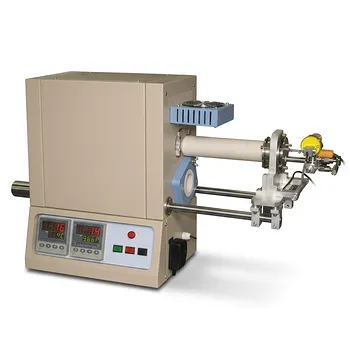
High Temperature Tube Furnace 1500C with Sliding Flanges and 50mm OD for Rapid Thermal Processing Fast Heating and Cooling

Vertical 1700C Vacuum and Atmosphere Tube Furnace with 80mm Alumina Tube

1100C Tube Furnace with Vacuum Flange and Programmable Temperature Controller for Material Science and Industrial Heat Treatment

Compact High Temperature 1600C Tube Furnace with 50mm Alumina Tube and Vacuum Flanges for Material Sintering
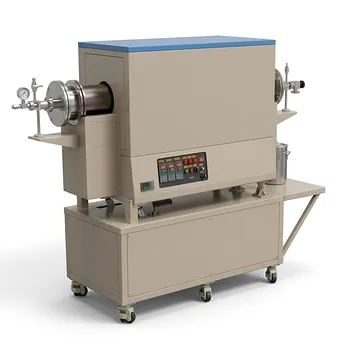
900°C Max Rotary Tube Furnace with 8 Inch 310S Alloy Tube and Optional Multi Zone Heating for Industrial Material Calcination

1700C Hydrogen Gas Tube Furnace with 60mm Alumina Process Tube and Integrated Hydrogen Safety Detector

High Temperature 1700C Tube Furnace with High Vacuum Turbomolecular Pump System and Multi Channel Mass Flow Controller Gas Mixer
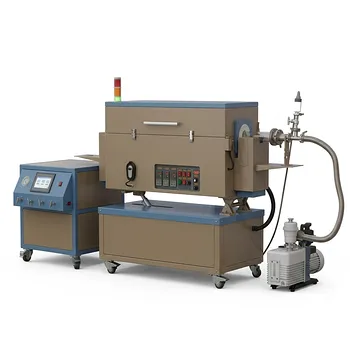
5 Inch Three Zone Rotary Tube Furnace with Integrated Gas Delivery System and 1200C Capability for Advanced Material CVD Processing

Three Zone Tube Furnace with 11 Inch or 15 Inch Quartz Tube and Hinged Flanges for Vacuum Atmosphere Heat Treatment

1200C High Throughput Multi Channel Tube Furnace with 50mm Quartz Tubes for Annealing and Material Phase Diagram Research

1200°C 5 Inch Vertical Quartz Tube Furnace with Stainless Steel Vacuum Flanges
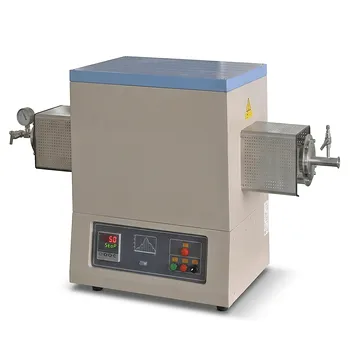
High Temperature 1700C Tube Furnace with 4 Inch OD Alumina Tube and Vacuum Sealing Flanges

High Temperature 1700C Benchtop Tube Furnace with 5 Inch Heating Zone High Purity Alumina Tube and Vacuum Sealing Flanges

High Temperature 1700C Six Zone Split Tube Furnace with Alumina Tube and Water Cooled Flanges

Compact Vertical Split Quartz Tube Furnace with Stainless Steel Vacuum Flanges for Rapid Thermal Quenching and Controlled Atmosphere Material Processing

1800C High Temperature Compact Vacuum Tube Furnace with 60mm OD Alumina Tube and Kanthal MoSi2 Heating Elements

High Vacuum Compact Tube Furnace 1200C with Integrated Turbo Pump System and 8 Inch Heating Zone
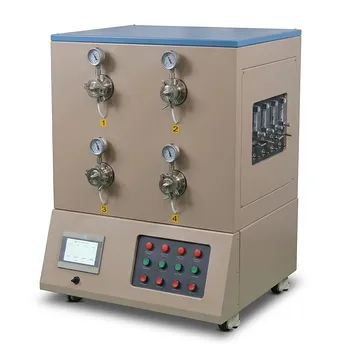
High Throughput 1200C Four Channel Tube Furnace with 3 Inch Quartz Tubes for Multi Zone Annealing and Material Research

High Temperature Automated 5 Inch Tube Furnace for Autonomous Material Research and Advanced Laboratory R&D
