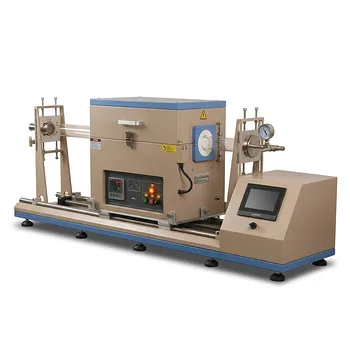
Why is a tube furnace preferred for the thermal decomposition research of PMMA? Achieve Precise Atmospheric Control.
Updated 6 months ago
A tube furnace is the preferred tool for PMMA thermal decomposition research because it provides a strictly controlled environment that eliminates the experimental uncertainties inherent in open-air testing. Specifically, it allows researchers to precisely regulate atmospheric composition and gas flow rates while handling gram-scale samples, which is critical for accurately measuring mass loss rates and ignition characteristics without the interference of natural convection.
Core Takeaway: The preference for tube furnaces in PMMA research stems from their ability to isolate thermal variables—such as gas flow and temperature uniformity—ensuring that decomposition data is a result of the material’s properties rather than unpredictable environmental factors.
The Necessity of Precise Atmospheric Control
Eliminating Natural Convection Interference
In traditional testing environments, such as cone calorimeters, natural convection can create "noise" in the data.
Tube furnaces eliminate these uncertainties by allowing researchers to set specific gas flow rates within the tube.
This creates a defined flow field, which is essential for studying how PMMA behaves under consistent, reproducible conditions.
Managing Gas Composition and Purity
PMMA decomposition is highly sensitive to the surrounding atmosphere, whether it be oxidative or inert.
A tube furnace provides a highly sealed experimental space where oxygen can be completely excluded or introduced at exact concentrations.
This level of sealing prevents unwanted oxidative degradation, ensuring that the chemical purity of the decomposition products is maintained for analysis.
Versatility in Sample Scale and Geometry
Gram-Scale Sample Capacity
Unlike micro-scale analytical tools, a tube furnace can accommodate gram-scale samples.
This larger scale is necessary to study the ignition characteristics of PMMA in forms that resemble real-world applications.
It allows for a more realistic assessment of how the material’s bulk properties influence its thermal breakdown.
Support for Complex Geometries
Research often involves PMMA in various shapes, such as cable segments or thick plates.
The longitudinal design of the furnace tube is ideal for hosting these diverse geometries while maintaining a uniform thermal field.
This ensures that the entire sample experiences the same boundary conditions, which is critical for calculating accurate mass loss rates.
Superior Thermal Precision and Stability
High-Accuracy Temperature Uniformity
Precision tube furnaces often feature control systems with errors as low as +/- 1°C.
This stability is a physical requirement for studying the influence of temperature on decomposition mechanisms over long cycles.
A stable temperature field ensures that the decomposition happens at a predictable rate, allowing for the calculation of kinetic parameters.
Controlled Heating Programs
The ability to set specific heating rates and dwell times is vital for specialized PMMA applications.
For instance, when PMMA is used as a sacrificial binder (as seen in graphene or ceramic processing), the furnace can be programmed to completely remove organic residues at specific temperatures, such as 450°C.
This restores the base material’s properties, such as electrical conductivity, by ensuring no PMMA polymer remains.
Understanding the Trade-offs
While tube furnaces offer unmatched precision, they do have limitations compared to other methods.
The primary trade-off is throughput. Because the environment must be sealed and purged, the time required for a single test is often longer than open-air methods.
Additionally, the physical size of the sample is strictly limited by the diameter of the furnace tube, which may not be suitable for large-scale structural fire testing.
How to Apply This to Your Research
Making the Right Choice for Your Goal
- If your primary focus is fundamental kinetics: Use the tube furnace to isolate the effects of temperature and gas flow on the PMMA mass loss rate.
- If your primary focus is residue-free material synthesis: Utilize the furnace's precise 450°C+ dwell times to ensure the complete thermal removal of PMMA from substrates like graphene.
- If your primary focus is ignition studies of complex shapes: Leverage the tube’s ability to handle cable segments or specific geometries under controlled flow fields to simulate specialized environments.
By prioritizing environmental stability over testing speed, the tube furnace remains the gold standard for high-fidelity PMMA decomposition data.
Summary Table:
| Key Feature | Benefit for PMMA Research |
|---|---|
| Atmospheric Control | Eliminates natural convection and ensures gas purity for oxidative/inert studies. |
| Thermal Precision | High stability (±1°C) allows for accurate calculation of kinetic parameters. |
| Sample Versatility | Supports gram-scale samples and complex geometries like cable segments or plates. |
| Controlled Heating | Programmable rates ensure complete removal of organic residues at specific dwell times. |
Elevate Your Research with THERMUNITS
Optimize your material science studies with THERMUNITS, a leading manufacturer of high-temperature laboratory equipment. We provide a comprehensive range of thermal processing solutions tailored for industrial R&D, including Tube, Muffle, Vacuum, Atmosphere, and Rotary furnaces, as well as CVD/PECVD systems, Dental Furnaces, and Vacuum Induction Melting (VIM) furnaces.
Whether you are investigating PMMA decomposition or complex material synthesis, our precision heating elements and specialized equipment ensure consistent, high-fidelity results. Contact our technical team today to find the perfect thermal solution for your laboratory needs.
References
- Karen De Lannoye, Lukas Arnold. Effect of flow velocity, atmosphere and sample thickness on the mass loss rate of PMMA in the tube furnace. DOI: 10.1088/1742-6596/2885/1/012024
Mentioned Products
- Vertical 1700C Vacuum and Atmosphere Tube Furnace with 80mm Alumina Tube
- Compact High Temperature 1600C Tube Furnace with 50mm Alumina Tube and Vacuum Flanges for Material Sintering
- 900°C Max Rotary Tube Furnace with 8 Inch 310S Alloy Tube and Optional Multi Zone Heating for Industrial Material Calcination
- Split Vertical Tube Furnace with 1200C Quartz Tube and Stainless Steel Vacuum Flanges for Rapid Thermal Processing
- High Temperature 1700C Tube Furnace with High Vacuum Turbomolecular Pump System and Multi Channel Mass Flow Controller Gas Mixer
People Also Ask
- How does a vertical tube furnace ensure stable experimental conditions during molten fluoride electrolysis testing? Precision Tips
- How does a vertical tube furnace facilitate thermoelectric alloy melting? Precision synthesis for material homogeneity.
- Why is a thermocouple sensor indispensable for monitoring the vertical tube furnace during gallium oxide nanowire production? Optimize VLS Growth
- What is the function of a laboratory-grade vertical tube furnace in fast pyrolysis? Optimize Composite Research.
- How is an industrial-grade vertical tube furnace utilized in smelting leaching residues? Enhance Metal Recovery Efficiency

Tech Team · ThermUnits
Last updated on Apr 14, 2026
Related Products
Vertical 1700C Vacuum and Atmosphere Tube Furnace with 80mm Alumina Tube
Compact High Temperature 1600C Tube Furnace with 50mm Alumina Tube and Vacuum Flanges for Material Sintering
900°C Max Rotary Tube Furnace with 8 Inch 310S Alloy Tube and Optional Multi Zone Heating for Industrial Material Calcination
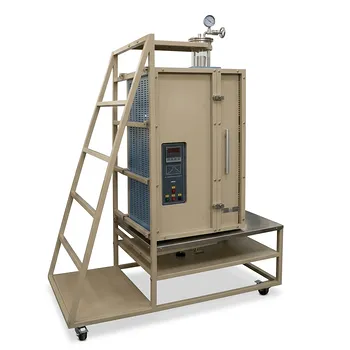
Split Vertical Tube Furnace with 1200C Quartz Tube and Stainless Steel Vacuum Flanges for Rapid Thermal Processing
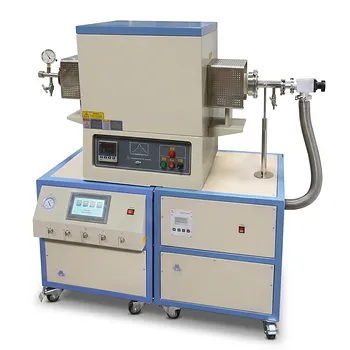
High Temperature 1700C Tube Furnace with High Vacuum Turbomolecular Pump System and Multi Channel Mass Flow Controller Gas Mixer
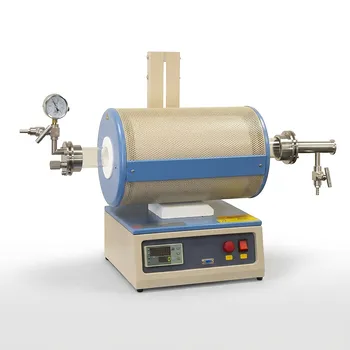
1100C Tube Furnace with Vacuum Flange and Programmable Temperature Controller for Material Science and Industrial Heat Treatment
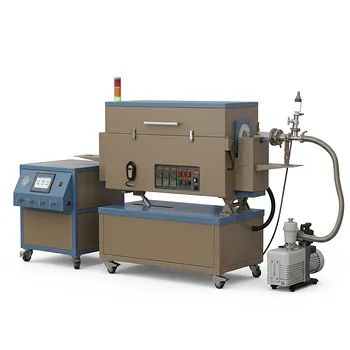
5 Inch Three Zone Rotary Tube Furnace with Integrated Gas Delivery System and 1200C Capability for Advanced Material CVD Processing
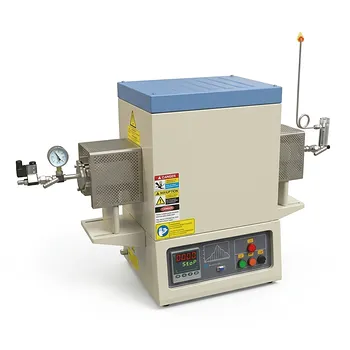
1700C Hydrogen Gas Tube Furnace with 60mm Alumina Process Tube and Integrated Hydrogen Safety Detector
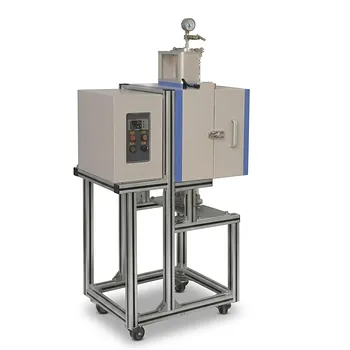
1200°C 5 Inch Vertical Quartz Tube Furnace with Stainless Steel Vacuum Flanges
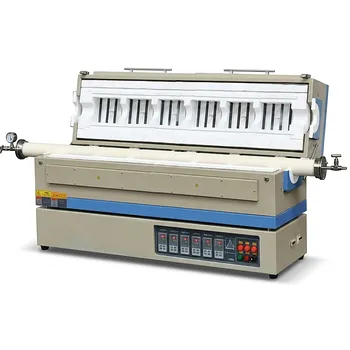
High Temperature 1700C Six Zone Split Tube Furnace with Alumina Tube and Water Cooled Flanges
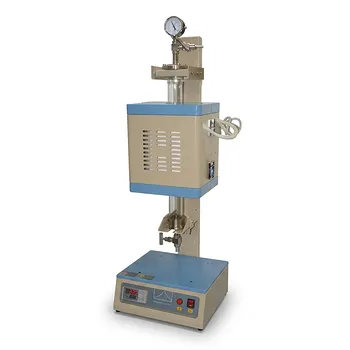
Compact Vertical Split Quartz Tube Furnace with Stainless Steel Vacuum Flanges for Rapid Thermal Quenching and Controlled Atmosphere Material Processing
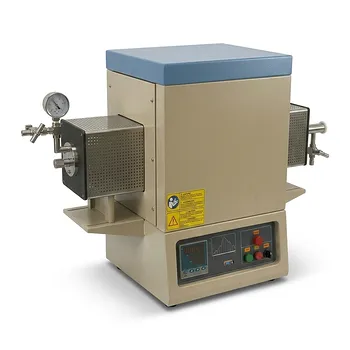
High Temperature 1700C Benchtop Tube Furnace with 5 Inch Heating Zone High Purity Alumina Tube and Vacuum Sealing Flanges
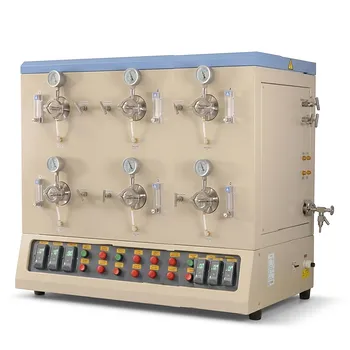
1200C High Throughput Multi Channel Tube Furnace with 50mm Quartz Tubes for Annealing and Material Phase Diagram Research
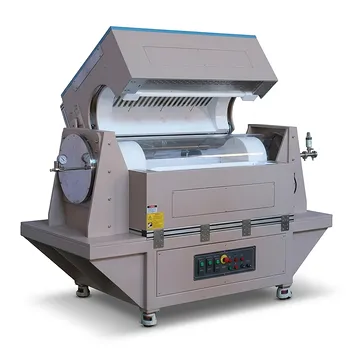
Three Zone Tube Furnace with 11 Inch or 15 Inch Quartz Tube and Hinged Flanges for Vacuum Atmosphere Heat Treatment
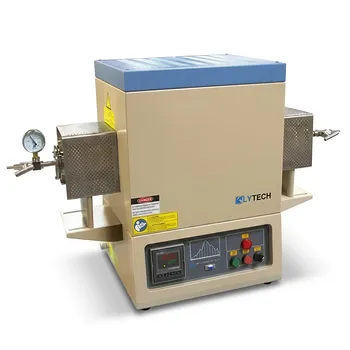
1800C High Temperature Compact Vacuum Tube Furnace with 60mm OD Alumina Tube and Kanthal MoSi2 Heating Elements
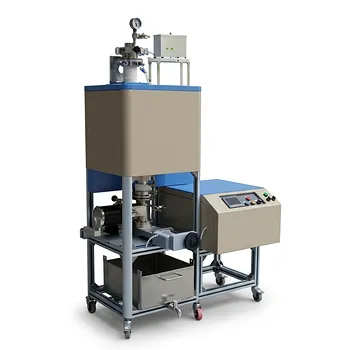
High Temperature 1700C Vertical Tube Furnace for Powder Spherification and Material Sintering
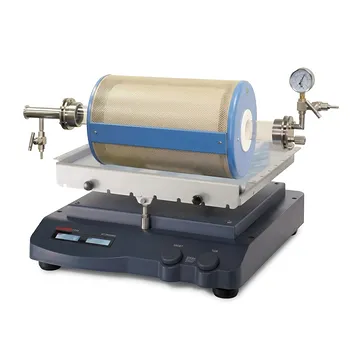
High Temperature Rocking Tube Furnace with Quartz Tube and Vacuum Flange for Materials Synthesis
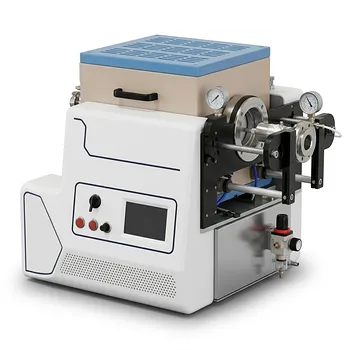
High Temperature Automated 5 Inch Tube Furnace for Autonomous Material Research and Advanced Laboratory R&D
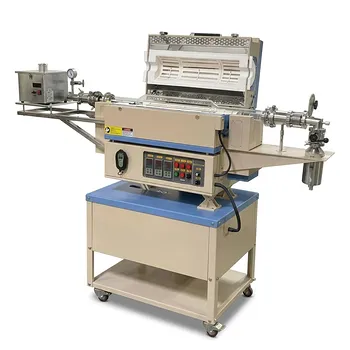
5 Inch Rotary Tube Furnace with Automatic Feeding and Receiving System 1200C Three Zone CVD Powder Processing