Why is a vertical tube furnace preferred for Ga2O3 CVD? Optimize Convection & Nanowire Growth
Updated 3 months ago
The vertical tube furnace is the preferred choice due to its ability to leverage thermal convection for vapor transport. This orientation allows for the direct, upward movement of gallium vapor from a liquid precursor to a substrate suspended 9.5 cm above, ensuring a uniform and stable delivery of material. By utilizing gravity and convection rather than relying solely on carrier gas flow, the system achieves the precise vapor pressure and consistent nanowire orientation required for high-quality Vapor-Liquid-Solid (VLS) growth.
Core Takeaway: A vertical configuration optimizes gallium oxide nanowire synthesis by using natural thermal convection to transport precursors directly to the substrate. this setup ensures exceptional vapor pressure stability and uniform morphological growth that horizontal systems struggle to replicate.
Optimizing Vapor Transport via Convection
The Role of Thermal Convection
In a vertical furnace, the heating of the gallium precursor creates a natural upward convection current. This current carries the gallium vapor directly to the substrate surface, which is positioned precisely above the crucible.
Direct and Uniform Delivery
Unlike horizontal setups where vapors may settle or distribute unevenly along the tube walls, the vertical layout keeps the precursor path short and direct. This results in a highly uniform concentration of gallium vapor across the entire substrate area.
Maximizing Material Utilization
The vertical design simulates the efficiency of a fluidized bed reactor but without the instability of floating particles. This ensures that a higher percentage of the evaporated raw material reaches the growth site, reducing waste and improving consistency.
Precision Control in the VLS Growth Process
Temperature-Dependent Vapor Pressure
The growth rate of gallium oxide nanowires is extremely sensitive to the vapor pressure of the gallium source. A vertical furnace, often equipped with real-time thermocouple feedback near the substrate, maintains the rigorous 1000°C environment needed for stable evaporation.
Ensuring Consistent Orientation
The vertical flow field promotes the highly consistent orientation of nanowires during the Vapor-Liquid-Solid (VLS) process. Because the vapor reaches the catalyst droplets from a perpendicular angle relative to the substrate, the resulting nanostructures exhibit better structural regularity.
Independent Control of Reaction Variables
Vertical systems allow operators to adjust gas flow rates and residence times independently. This flexibility is critical for managing the transition between the catalyst alloying phase and the axial growth of the nanowires.
Understanding the Trade-offs
Mechanical Complexity
The primary drawback of the vertical furnace is the requirement for a precision holder to suspend the substrate. This adds mechanical complexity compared to a horizontal furnace, where substrates simply sit in a ceramic boat.
Thermal Gradient Management
While vertical furnaces provide excellent convection, managing the thermal history of the gas can be challenging if the furnace is not properly zoned. Multi-zone vertical furnaces are often required to prevent premature condensation of the gallium vapor before it reaches the growth zone.
Comparison to Horizontal Systems
Horizontal furnaces excel at creating a stable, stagnant layer for thin-film deposition and are often simpler for large-scale carbon nanotube synthesis. However, they lack the optimized convective "chimney effect" that makes vertical systems superior for specific liquid-precursor nanowire growth.
How to Apply This to Your Project
When choosing a furnace configuration for nanowire synthesis, your decision should hinge on the nature of your precursor and the required growth mechanism.
- If your primary focus is Gallium Oxide or VLS growth from liquid sources: Use a vertical tube furnace to leverage thermal convection for uniform vapor transport and stable orientation.
- If your primary focus is large-area single-crystal thin films: Choose a horizontal tube furnace to facilitate the formation of a stable stagnant layer for uniform atomic-level deposition.
- If your primary focus is complex thermal cycling (annealing followed by growth): Invest in a high-precision three-zone furnace to independently control heating rates and soaking times for different reaction stages.
By aligning the furnace geometry with the physical behavior of your precursor vapors, you ensure the highest level of structural integrity in your synthesized nanomaterials.
Summary Table:
| Feature | Vertical Tube Furnace | Horizontal Tube Furnace |
|---|---|---|
| Vapor Transport | Natural thermal convection (upward) | Primarily dependent on carrier gas flow |
| Precursor Path | Short and direct to substrate | Longer path; potential wall deposition |
| Growth Mechanism | Optimized for VLS nanowire growth | Ideal for uniform thin-film deposition |
| Orientation | Highly consistent/perpendicular | Can be less regular due to flow dynamics |
| Material Efficiency | High (Fluidized bed-like efficiency) | Moderate (Potential for vapor settling) |
Elevate Your Material Research with THERMUNITS
Are you looking to achieve high-precision results in material science or industrial R&D? THERMUNITS is a leading manufacturer of high-temperature laboratory equipment, providing the tools necessary for cutting-edge synthesis like gallium oxide nanowire growth.
We offer a comprehensive range of thermal solutions tailored to your specific research needs, including:
- Tube Furnaces (Vertical, Horizontal, Multi-zone)
- CVD/PECVD Systems for advanced nanostructure synthesis
- Muffle, Vacuum, and Atmosphere Furnaces
- Rotary & Hot Press Furnaces
- Vacuum Induction Melting (VIM) & Dental Furnaces
- Thermal Elements and customized heat treatment accessories
Ensure exceptional vapor pressure stability and structural integrity in your projects. Contact our technical experts today to find the perfect furnace configuration for your laboratory!
References
- G. A. Dorsey, W. E. Collins. The growth and characterization of Au-catalyzed gallium oxide nanowires. DOI: 10.1557/s43580-024-00843-y
Mentioned Products
- High Temperature 1700C Vertical Tube Furnace for Powder Spherification and Material Sintering
- Vertical 1700C Vacuum and Atmosphere Tube Furnace with 80mm Alumina Tube
- 500C Vacuum Vertical Tube Furnace 84mm OD Sample Rotation Lifting System
- 1100°C Split Vertical Tube Furnace with 80mm Quartz Tube and Stainless Steel Vacuum Flanges
- Split Vertical Tube Furnace with 1200C Quartz Tube and Stainless Steel Vacuum Flanges for Rapid Thermal Processing
People Also Ask
- What role does a high-temperature vertical tube furnace play in simulating high-carbon ferromanganese slag formation?
- What functions does a vertical high-temperature tube furnace perform? Master Industrial Sintering & R&D Simulation
- What is the primary function of a high-temperature tube furnace in Cu1-N-C synthesis? Precision Thermal Control.
- High-Temp Tube Furnace Role in Converting Microbial Proteins to Iron Single-Atom Sites: Expert Synthesis Guide
- What impact does the heating rate of a tube furnace have on biochar microstructure? Optimize Your Material R&D.

Tech Team · ThermUnits
Last updated on Jun 02, 2026
Related Products

High Temperature 1700C Vertical Tube Furnace for Powder Spherification and Material Sintering

Vertical 1700C Vacuum and Atmosphere Tube Furnace with 80mm Alumina Tube
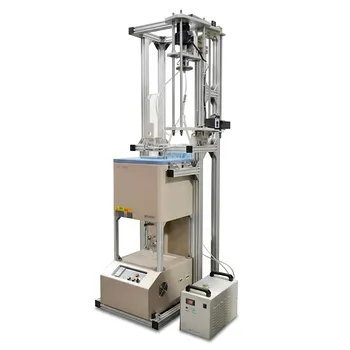
500C Vacuum Vertical Tube Furnace 84mm OD Sample Rotation Lifting System
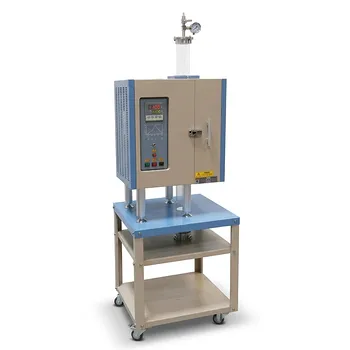
1100°C Split Vertical Tube Furnace with 80mm Quartz Tube and Stainless Steel Vacuum Flanges
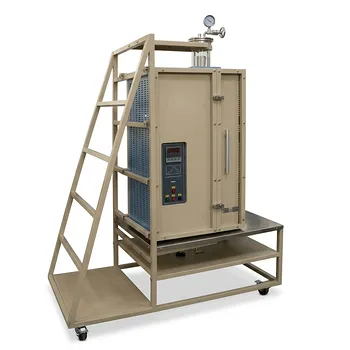
Split Vertical Tube Furnace with 1200C Quartz Tube and Stainless Steel Vacuum Flanges for Rapid Thermal Processing

Compact Vertical Split Quartz Tube Furnace with Stainless Steel Vacuum Flanges for Rapid Thermal Quenching and Controlled Atmosphere Material Processing
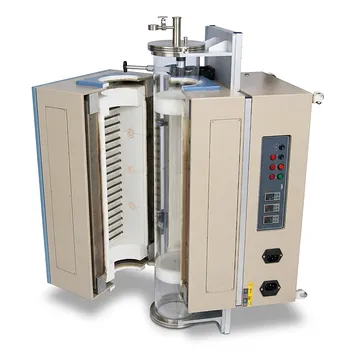
Large Vertical Three Zone Tube Furnace with 8 Inch or 11 Inch Quartz Tube and High Vacuum Flanges 1200C
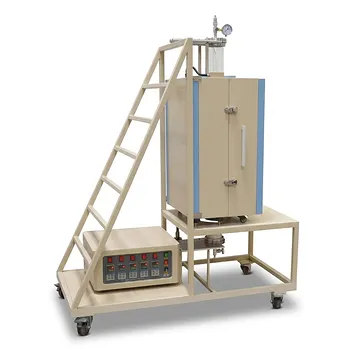
Five Zone Split Vertical Tube Furnace 1200C Max with 4 Inch Quartz Tube and Stainless Steel Vacuum Flanges
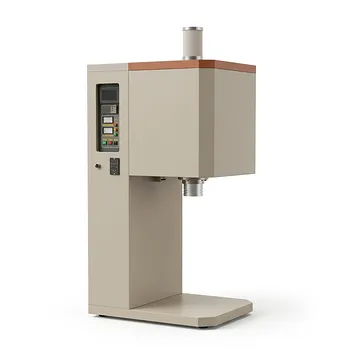
Vertical Openable Tube Furnace 0-1700c High Temperature Laboratory System for CVD and Vacuum Heat Treatment
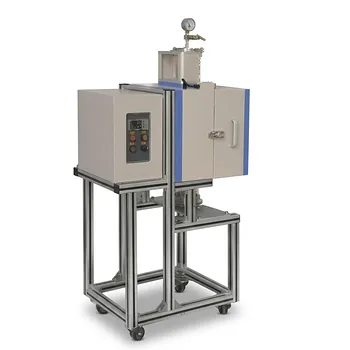
1200°C 5 Inch Vertical Quartz Tube Furnace with Stainless Steel Vacuum Flanges
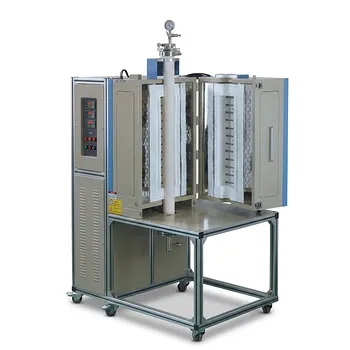
Three Zone Heating Split Vertical Tube Furnace 1700 High Temperature Vacuum Atmosphere Thermal Process System
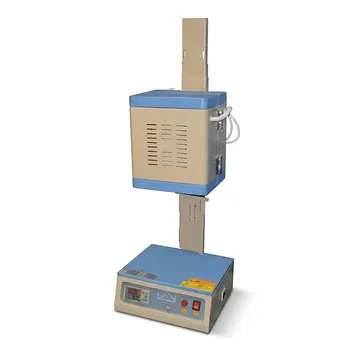
High Temperature Vertical Split Tube Furnace with PID Temperature Controller for 1 and 2 Inch Processing Tubes
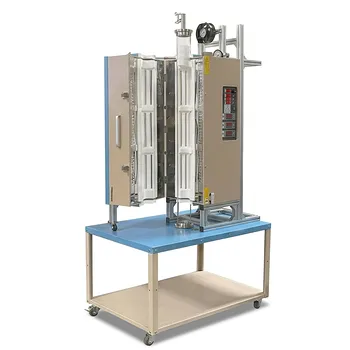
1200C Three Zone Split Vertical Tube Furnace 4 Inch Quartz Tube Stainless Steel Vacuum Flanges
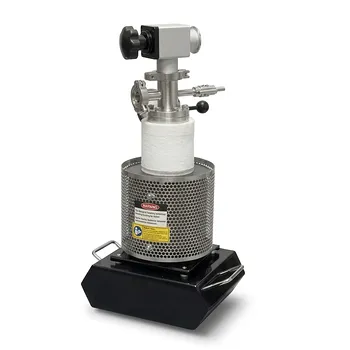
High Temperature 1100C Compact Top Loading Vertical Vacuum Tube Furnace for High Vacuum Noble Metal Melting and Material Research
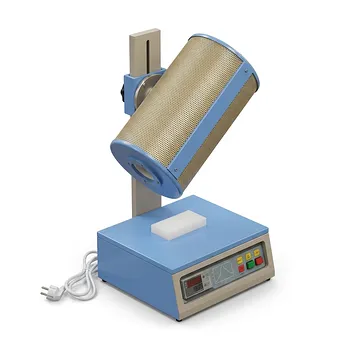
1100°C Vertical Laboratory Furnace for DIY Tubular Reactors with PID Temperature Controller
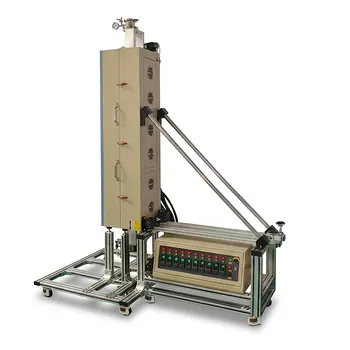
1200°C 10-Zone Split Tube Furnace with Horizontal and Vertical Mounting for Multi-Zone Thermal Gradients and Large Diameter Material Processing
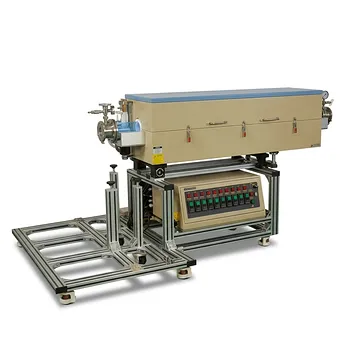
Ten Zone Multi Orientation Laboratory Tube Furnace for 1200C High Temperature Gradient Thermal Processing

High Temperature 1700C Six Zone Split Tube Furnace with Alumina Tube and Water Cooled Flanges

1100C Tube Furnace with Vacuum Flange and Programmable Temperature Controller for Material Science and Industrial Heat Treatment
