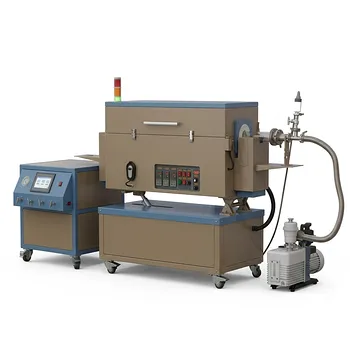
Why is an atmosphere-controlled tube furnace required for the annealing of Sb2S3? Optimize Semi-conductor Performance
Updated 3 months ago
The process of annealing Antimony Trisulfide ($Sb_2S_3$) in an atmosphere-controlled tube furnace is required to facilitate a critical phase transition while protecting the material's chemical integrity. This specialized equipment allows the film to shift from an unproductive amorphous state to a high-performance orthorhombic crystalline phase. By providing a sealed, inert environment (typically using Argon), the furnace prevents the formation of harmful oxides and inhibits the loss of volatile sulfur, both of which would otherwise degrade the semiconductor's electrical properties.
Core Takeaway: Atmosphere-controlled annealing is the only way to transform $Sb_2S_3$ into its active crystalline form without causing oxidative degradation or sulfur deficiency, thereby ensuring optimal carrier mobility and solar cell efficiency.
Driving the Phase Transition
From Amorphous to Orthorhombic Structure
Freshly deposited $Sb_2S_3$ thin films often exist in an amorphous state, where atoms are irregularly arranged and electrical performance is poor. The tube furnace provides the thermal energy necessary for atomic rearrangement, allowing the atoms to migrate into a stable, orthorhombic lattice.
Enhancing Carrier Mobility
This shift in crystal structure is not merely aesthetic; it is the primary driver of increased carrier mobility. As the film crystallizes, charge carriers can move more freely through the lattice, which is a prerequisite for any functional photoelectric or solar device.
Elimination of Internal Stress
Mechanical stresses often accumulate during the initial deposition or sputtering process. High-temperature annealing allows for lattice relaxation, which eliminates these internal stresses and reduces structural defects that could act as charge recombination centers.
The Necessity of Atmosphere Control
Preventing Oxidation and $Sb_2O_3$ Formation
Antimony Trisulfide is highly susceptible to oxidative degradation when heated in the presence of oxygen. An atmosphere-controlled furnace flushes the environment with inert gases like Argon or Nitrogen to prevent the formation of Antimony Trioxide ($Sb_2O_3$), an insulating impurity that ruins the film’s semiconductor properties.
Mitigating Sulfur Loss and Stoichiometry Shifts
Sulfur has a high vapor pressure and tends to "sublime" or escape the film during high-temperature treatments. The sealed environment of a tube furnace allows for a controlled partial pressure, which inhibits sulfur loss and maintains the precise stoichiometric ratio required for the material's target bandgap.
Achieving Thermal Uniformity
The geometry of a tube furnace ensures uniform heating across the entire surface of the thin film. This consistency is vital for maintaining a homogeneous refractive index and bandgap throughout the material, preventing localized performance bottlenecks.
Understanding the Trade-offs
The Risk of Thermal Stress
While heating is necessary for crystallization, rapid temperature changes can cause coefficient of thermal expansion (CTE) mismatches between the film and the substrate. If the cooling phase is not carefully managed within the furnace, the film may crack or delaminate.
Complexity of Gas Flow Dynamics
Atmosphere control requires precise management of gas flow rates and purities. Even trace amounts of oxygen or moisture in the "inert" gas stream can lead to localized oxidation, making the purity of the gas source as critical as the furnace temperature itself.
Energy and Equipment Cost
Utilizing an atmosphere-controlled system is significantly more resource-intensive than open-air annealing. The requirement for high-purity gases and vacuum-tight seals increases the operational cost and complexity of the fabrication process.
How to Apply This to Your Project
Recommendations for Process Optimization
- If your primary focus is maximizing crystallinity: Aim for a constant temperature (typically around 300°C to 500°C) and allow for a longer dwell time to ensure complete lattice rearrangement.
- If your primary focus is preventing chemical impurities: Ensure your inert gas (Argon or Nitrogen) is of high purity (99.999%) and maintain a positive pressure within the tube to prevent oxygen ingress.
- If your primary focus is film stability: Utilize a slow ramp-down cooling rate to minimize internal stress and prevent the film from peeling away from the substrate.
By mastering the balance between thermal energy and atmospheric protection, you can transform raw $Sb_2S_3$ into a high-efficiency semiconductor ready for advanced optoelectronic applications.
Summary Table:
| Feature | Impact on Sb2S3 Thin Films | Core Benefit |
|---|---|---|
| Inert Atmosphere | Prevents $Sb_2O_3$ (Oxidation) | Preserves chemical purity |
| Pressure Control | Mitigates volatile sulfur loss | Maintains stoichiometry |
| Thermal Uniformity | Facilitates orthorhombic crystallization | Enhances carrier mobility |
| Controlled Cooling | Reduces internal lattice stress | Prevents film delamination |
Master Your Material Transformation with THERMUNITS
Precise atmospheric control is the difference between a failed sample and a high-efficiency semiconductor. THERMUNITS is a world-class manufacturer of high-temperature laboratory equipment, providing the specialized thermal solutions required for advanced material science and industrial R&D.
Whether you are working with $Sb_2S_3$ thin films or complex alloys, our comprehensive range of Atmosphere-Controlled Tube Furnaces, Vacuum Furnaces, CVD/PECVD systems, and Hot Press Furnaces ensures total environment integrity. Let our expertise in thermal elements and heat treatment help you achieve superior crystallization and material stability.
Ready to upgrade your lab's capabilities? Contact our technical team today!
References
- Pankaj Kumar, Alberto Vomiero. All-Inorganic Hydrothermally Processed Semitransparent Sb<sub>2</sub>S<sub>3</sub> Solar Cells with CuSCN as the Hole Transport Layer. DOI: 10.1021/acsaem.3c02492
Mentioned Products
- 1200C Sliding Internal Crucible Tube Furnace for Controlled Atmosphere Thin Film Deposition and Material Sublimation Research
- Compact Atmosphere Controlled Rapid Thermal Processing RTP Furnace with 4 Inch ID Quartz Tube 1100C
- 950C Rapid Thermal Processing Furnace for 12 Inch Wafer CSS Coating with Rotating Substrate Holder
- Double Temperature Zone Double Cover Tube Furnace for High Temperature CVD and Vacuum Annealing
- Rapid Thermal Processing Atmosphere Controlled Bottom Loading Furnace 1100C with 50C Per Second Heating Rate for Wafer Annealing
People Also Ask
- What are the advantages of a tube atmosphere furnace for CdS thin films? Enhance Crystallinity & Prevent Sulfur Loss
- Why is an atmosphere tube furnace considered core equipment for CVD? Essential for Precision Thin-Film & 2D Materials
- How does a slanted tube furnace contribute to the crystal growth of Sr4Os3O12? Optimize Thermal Fields and Purity
- Why must deposited LiMn2O4 thin films undergo annealing in a digital tube furnace? Unlock High-Performance Cathodes
- How does a high-vacuum tube furnace facilitate the PVD growth of CdS nanobelts? Precision Control for Nanomaterials

Tech Team · ThermUnits
Last updated on Jun 02, 2026
Related Products
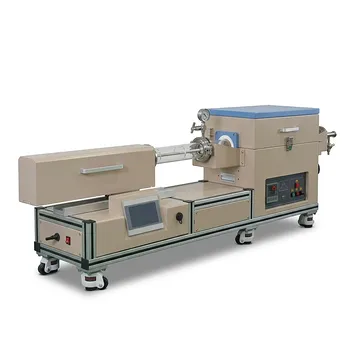
1200C Sliding Internal Crucible Tube Furnace for Controlled Atmosphere Thin Film Deposition and Material Sublimation Research
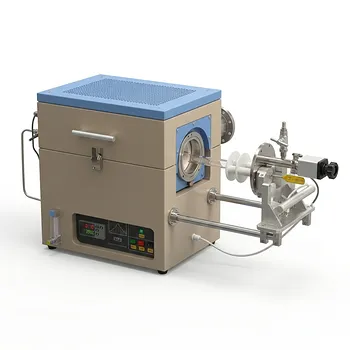
Compact Atmosphere Controlled Rapid Thermal Processing RTP Furnace with 4 Inch ID Quartz Tube 1100C
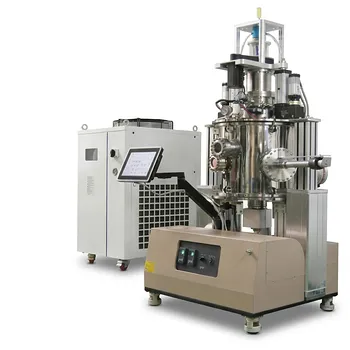
950C Rapid Thermal Processing Furnace for 12 Inch Wafer CSS Coating with Rotating Substrate Holder
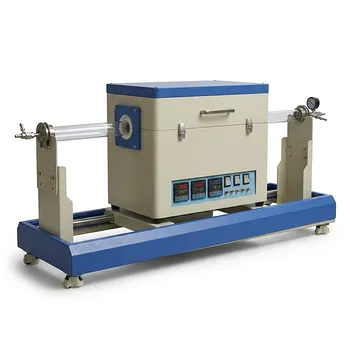
Double Temperature Zone Double Cover Tube Furnace for High Temperature CVD and Vacuum Annealing
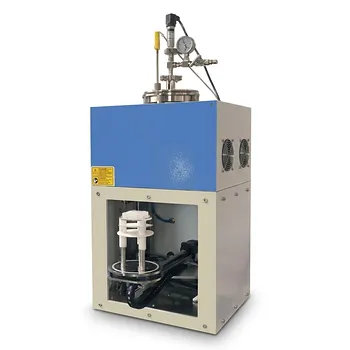
Rapid Thermal Processing Atmosphere Controlled Bottom Loading Furnace 1100C with 50C Per Second Heating Rate for Wafer Annealing
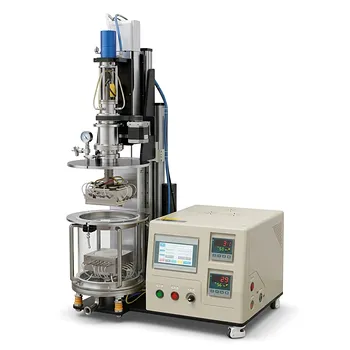
High Temperature 800C Rapid Thermal Processing Furnace with Rotating Sample Holder for Close Spaced Sublimation and Thin Film Solar Cell Research
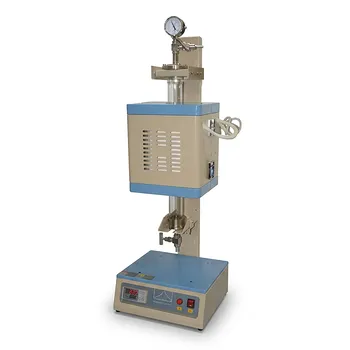
Compact Vertical Split Quartz Tube Furnace with Stainless Steel Vacuum Flanges for Rapid Thermal Quenching and Controlled Atmosphere Material Processing
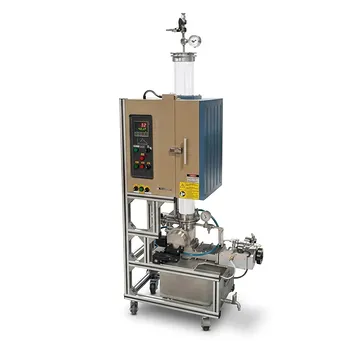
1200C High Temperature Atmosphere Controlled Vertical Quenching Tube Furnace with 4 Inch Quartz Tube
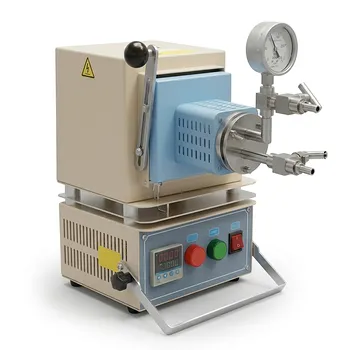
Compact Hybrid Muffle and Tube Furnace for 1000C Controlled Atmosphere Laboratory Material Sintering
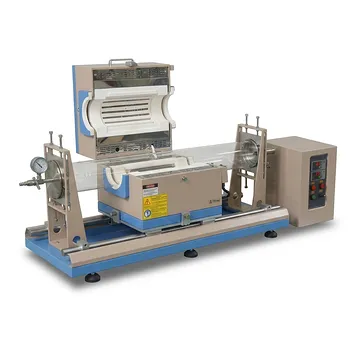
1200C High Temperature 5 Inch Sliding Tube Furnace for Rapid Thermal Processing RTP and Wafer Annealing
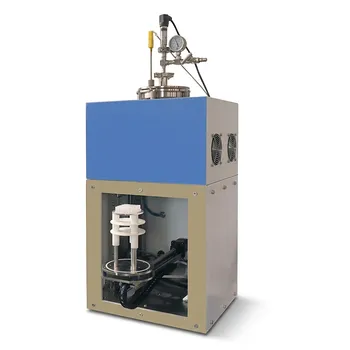
Rapid Thermal Processing RTP Atmosphere Controlled Bottom Loading Furnace 1100C High Throughput 50C per Second Heating Rate
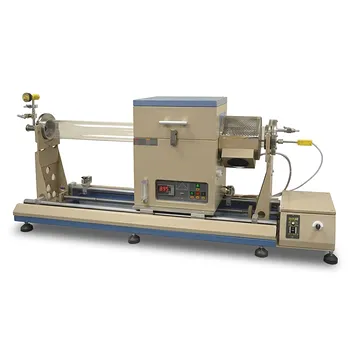
900 ºC Max Sliding RTP Tube Furnace with Rapid IR Heating and 4 Inch OD Quartz Tube
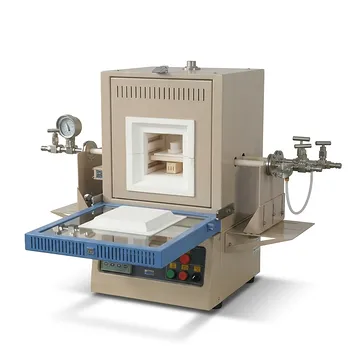
1700C Compact Hybrid Furnace with Dual Layer Box Sintering and Controlled Atmosphere Alumina Tubes
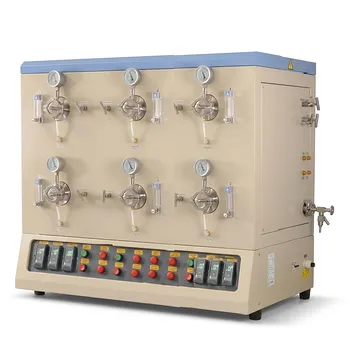
1200C High Throughput Multi Channel Tube Furnace with 50mm Quartz Tubes for Annealing and Material Phase Diagram Research
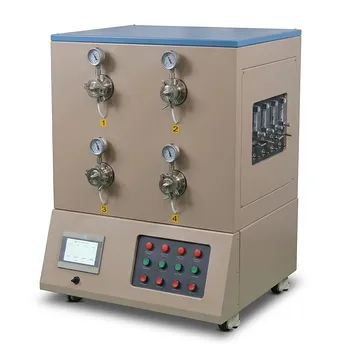
High Throughput 1200C Four Channel Tube Furnace with 3 Inch Quartz Tubes for Multi Zone Annealing and Material Research
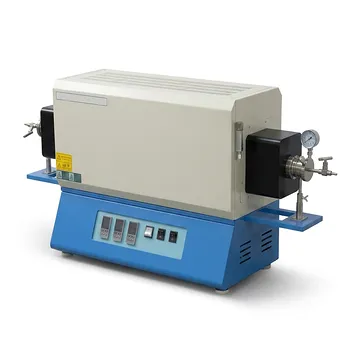
High Temperature Three Temperature Zone Tube Furnace for Advanced Material Science Sintering and Chemical Vapor Deposition Applications
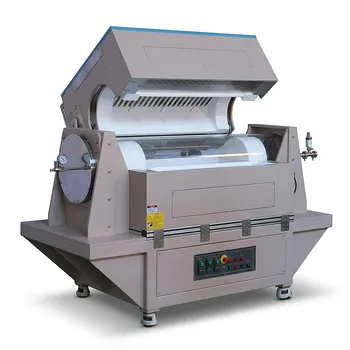
Three Zone Tube Furnace with 11 Inch or 15 Inch Quartz Tube and Hinged Flanges for Vacuum Atmosphere Heat Treatment
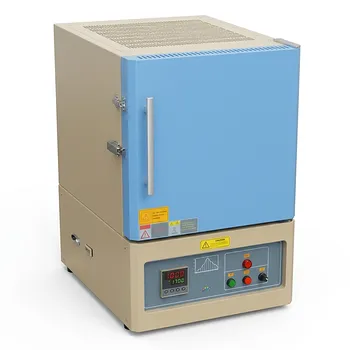
Large Bench Top 1700C High Temperature Muffle Furnace with 19L Chamber for Advanced Material Sintering and Annealing

High Temperature 1700C Vertical Tube Furnace for Powder Spherification and Material Sintering