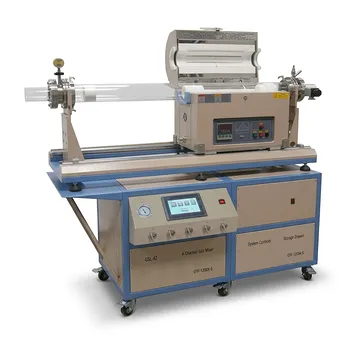
Why is an atmosphere tube furnace considered core equipment for CVD? Essential for Precision Thin-Film & 2D Materials
Updated 3 months ago
The atmosphere tube furnace is considered core equipment for Chemical Vapor Deposition (CVD) because it creates a perfectly sealed, high-temperature reaction chamber necessary for gaseous precursors to transform into solid thin films. By integrating precise thermal management with a controlled gas delivery system, it allows scientists to orchestrate chemical reactions at the molecular level. This ensures that materials like graphene, carbon nanotubes, and single-crystal films achieve the necessary purity, thickness uniformity, and crystalline structure.
The atmosphere tube furnace serves as the "physical foundation" for CVD by providing a stable, high-aspect-ratio environment where temperature gradients and gas flows are strictly regulated. It is the only practical way to maintain the high-purity, oxygen-free conditions required for uniform atomic-level deposition.
The Foundation of Thermal Precision
Establishing a Uniform Temperature Field
The furnace provides a highly stable thermal environment that is critical for the gas-phase cracking of precursors. A uniform temperature field ensures that chemical reactions occur at a consistent rate across the entire substrate surface. Without this stability, the resulting thin films would suffer from inconsistent thickness and poor crystalline quality.
Managing Complex Temperature Gradients
Advanced tube furnaces allow for the configuration of specific temperature zones within the reaction tube. This enables researchers to create temperature gradients where precursors decompose in one zone and deposit in another. Such molecular-level control is essential for managing the morphology and growth rate of nanostructures like carbon nano-onions.
Atmosphere Control and Material Purity
Maintaining a Hermetically Sealed Environment
The high sealing performance of the furnace tube is vital for protecting the reaction from atmospheric contaminants. By excluding oxygen and moisture, the furnace allows for the synthesis of high-purity materials that would otherwise degrade. This sealed design is the primary requirement for producing large-area, high-quality 2D materials like graphene.
Regulating Precursor Flow and Pressure
The furnace works in conjunction with gas control systems to regulate the flow of hydrogen, methane, or argon. Precise flow control ensures that the chemical atmosphere remains stable throughout the deposition process. This regulation allows carbon atoms to nucleate at a controlled rate, facilitating the growth of complex tubular or layered structures.
The Structural Advantages of the Tube Geometry
The Impact of High Aspect Ratio
The slender geometry of quartz or alumina tubes creates a high-aspect-ratio reaction space. This narrow channel facilitates the formation of a stable "stagnant layer" of gas above the substrate. The stagnant layer is critical for achieving uniform, atomic-level deposition across large surface areas.
Vacuum Compatibility and Gas Ratios
The structural integrity of the furnace tube allows it to reach and maintain high vacuum levels. This capability is essential for removing residual gases before the introduction of specific precursor ratios. Controlled vacuum environments are often necessary to achieve the precise chemical stoichiometry required for single-crystal thin films.
Understanding the Trade-offs
Scalability and Volume Constraints
The primary limitation of the tube furnace is its inherent geometry, which limits the size and quantity of substrates. While ideal for research and small-batch production, scaling to industrial-sized wafers often requires more complex and expensive reactor designs. The narrow tube can also lead to "precursor depletion" along the length of the tube if flow rates are not expertly calibrated.
Thermal Inertia and Cycle Times
Tube furnaces often have significant thermal mass, leading to longer heating and cooling cycles compared to rapid thermal processing (RTP) systems. This can increase the overall processing time and potentially lead to unwanted diffusion in certain multi-layered materials. Operators must carefully balance heating rates to avoid damaging the delicate quartz or alumina tubes through thermal shock.
Making the Right Choice for Your Goal
How to Apply This to Your Project
Selecting the right furnace configuration depends entirely on the specific material properties and production scales you intend to achieve.
- If your primary focus is single-crystal growth: Prioritize a furnace with high vacuum capabilities and precision gas flow meters to ensure atomic-level deposition.
- If your primary focus is high-throughput carbon nanotubes: Look for high-power systems capable of maintaining stable, high-temperature zones (e.g., 680 °C) for extended periods.
- If your primary focus is 2D material research: Invest in a multi-zone furnace that allows for the creation of precise temperature gradients across the reaction path.
The atmosphere tube furnace remains the definitive tool for CVD because it offers the most reliable way to synchronize thermal energy and chemical purity within a single, controlled reaction vessel.
Summary Table:
| Key Feature | Role in CVD Process | Impact on Material Quality |
|---|---|---|
| Thermal Precision | Ensures uniform precursor cracking | Consistent film thickness & crystallinity |
| Sealed Atmosphere | Excludes oxygen and moisture contaminants | High-purity synthesis of 2D materials |
| Tube Geometry | Creates a stable gas "stagnant layer" | Atomic-level deposition across substrates |
| Vacuum Capability | Removes residual gases before reaction | Precise chemical stoichiometry |
| Multi-zone Control | Manages complex temperature gradients | Controlled growth of nanostructures |
Elevate Your Thin-Film Research with THERMUNITS
Are you looking to achieve atomic-level precision in your CVD processes? THERMUNITS is a leading manufacturer of high-temperature laboratory equipment specialized for material science and industrial R&D. Our high-performance Atmosphere Tube Furnaces and CVD/PECVD systems are engineered to provide the thermal stability and atmosphere purity required for cutting-edge synthesis of graphene, carbon nanotubes, and single-crystal films.
Our Comprehensive Thermal Solutions Include:
- Furnaces: Muffle, Vacuum, Atmosphere, Tube, Rotary, and Hot Press Furnaces.
- Specialized Systems: CVD/PECVD Systems, Dental Furnaces, and Vacuum Induction Melting (VIM) Furnaces.
- Advanced Equipment: Electric Rotary Kilns, Thermal Elements, and custom laboratory heat treatment solutions.
Partner with us to optimize your laboratory's heat treatment capabilities and accelerate your material discovery. Contact THERMUNITS today to discuss your specific application and receive a tailored quote!
References
- Dawei Yi, H. J. Lü. Nano‐LaMnO<sub>3</sub> Modified Separator for Enhanced Redox Reaction Kinetics and Electrochemical Performance of Lithium‐Sulfur Batteries. DOI: 10.1002/cnma.202300633
Mentioned Products
- High Temperature 1800C Atmosphere Tube Furnace for CVD Research and Vacuum Sintering Precision Heat Treatment
- High Temperature Dual Zone Split Tube Furnace for Advanced Atmosphere Sintering and Vacuum CVD Applications
- High Temperature 1200C Split Tube Furnace for CVD Research and Vacuum Atmosphere Heat Treatment
- 1000C Mini Tube Furnace with 20mm Quartz Tube and Vacuum Flanges for Material Science Research and Controlled Atmosphere Small Sample Processing
- 1200C Sliding Internal Crucible Tube Furnace for Controlled Atmosphere Thin Film Deposition and Material Sublimation Research
People Also Ask
- Why is a Tube Furnace typically utilized for CVD? Achieve Precision in Graphene and 2D Material Synthesis
- What core function does the high-temperature tube furnace perform in MWCNT synthesis? Essential for CVD Precision
- Why is a high-temperature tube furnace with precise gas flow control required for CVD? Optimize Carbon Nanotube Synthesis
- What role does a high-precision tube furnace play in the CVD process of WS2? Optimize Growth and Film Quality
- What role does a high-precision tube heating system play in CVD or PECVD? Master Precision for Advanced Material Growth.

Tech Team · ThermUnits
Last updated on Jun 02, 2026
Related Products
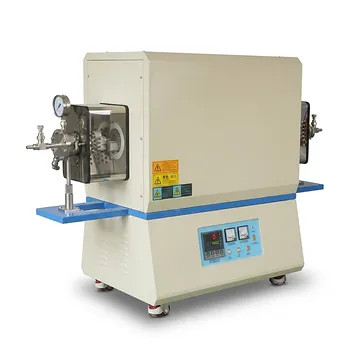
High Temperature 1800C Atmosphere Tube Furnace for CVD Research and Vacuum Sintering Precision Heat Treatment
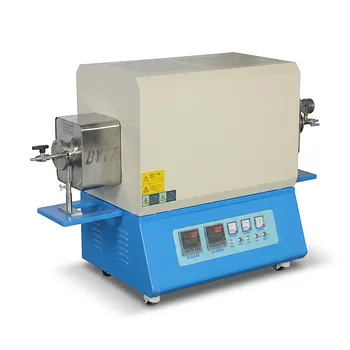
High Temperature Dual Zone Split Tube Furnace for Advanced Atmosphere Sintering and Vacuum CVD Applications
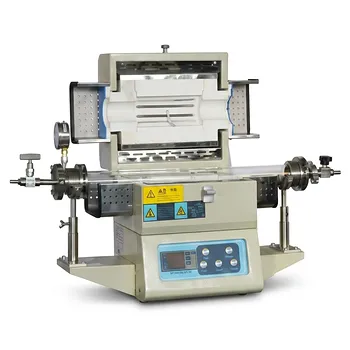
High Temperature 1200C Split Tube Furnace for CVD Research and Vacuum Atmosphere Heat Treatment
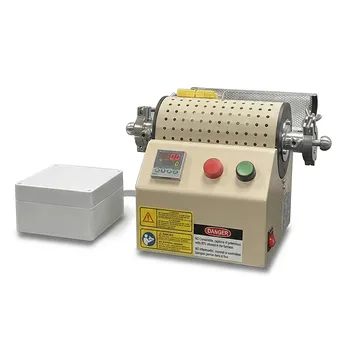
1000C Mini Tube Furnace with 20mm Quartz Tube and Vacuum Flanges for Material Science Research and Controlled Atmosphere Small Sample Processing
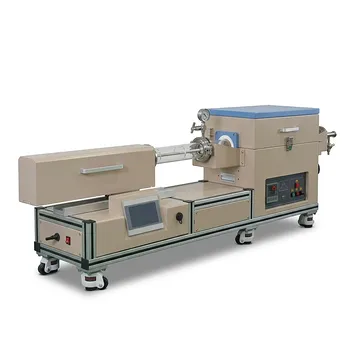
1200C Sliding Internal Crucible Tube Furnace for Controlled Atmosphere Thin Film Deposition and Material Sublimation Research
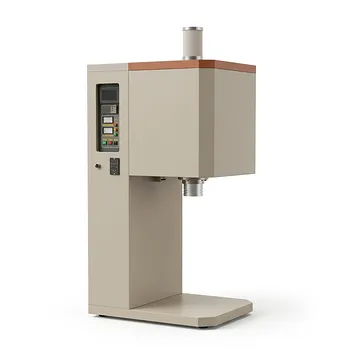
Vertical Openable Tube Furnace 0-1700c High Temperature Laboratory System for CVD and Vacuum Heat Treatment
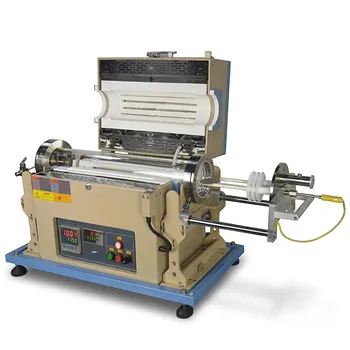
1200°C High Temperature 4 Inch Tube Furnace with Sliding Flange for CVD Systems
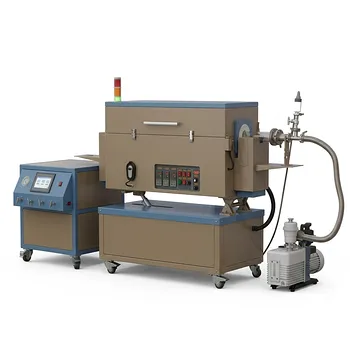
5 Inch Three Zone Rotary Tube Furnace with Integrated Gas Delivery System and 1200C Capability for Advanced Material CVD Processing
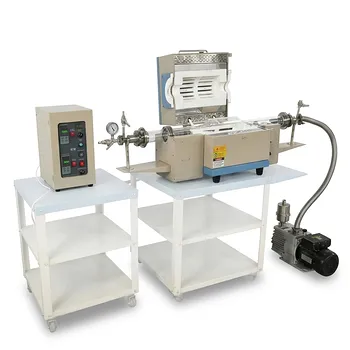
Two Zone Rotary Tube Furnace for Powder CVD Coating and Core Shell Material Synthesis 1100C
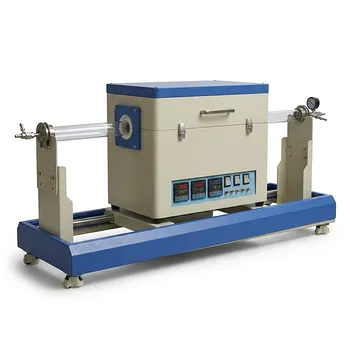
Double Temperature Zone Double Cover Tube Furnace for High Temperature CVD and Vacuum Annealing
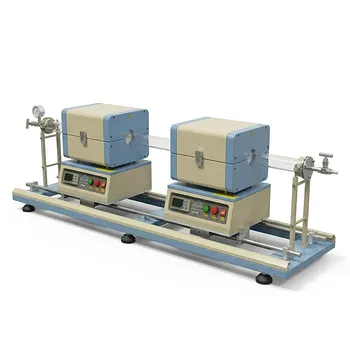
1200C Max Dual Sliding Tube Furnace with 50 mm Tube Flanges for CVD
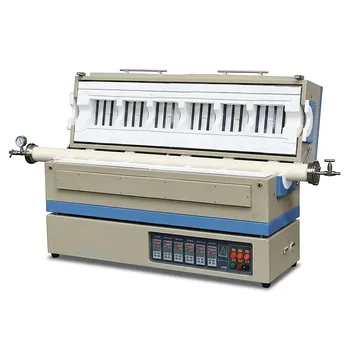
Six Zone Split Tube Furnace with Alumina Tube and Vacuum Flanges for 1500C High Temperature Thermal Processing and CVD
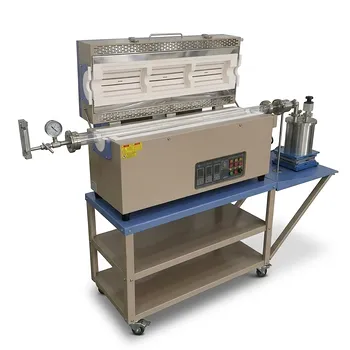
5 Inch Two Zone Rotary Tube Furnace 1100C for Powder CVD and Material Synthesis
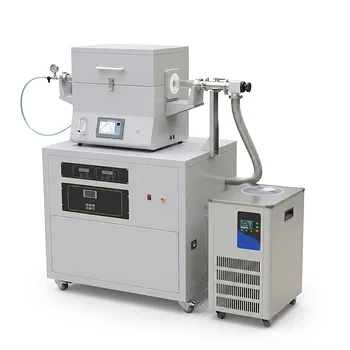
Split Chamber CVD Tube Furnace with Vacuum Station Chemical Vapor Deposition System Machine
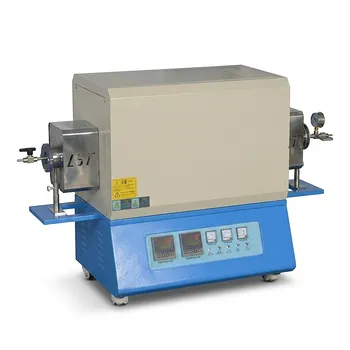
High Temperature Dual Zone Vacuum Tube Furnace for Material Research and CVD Processing
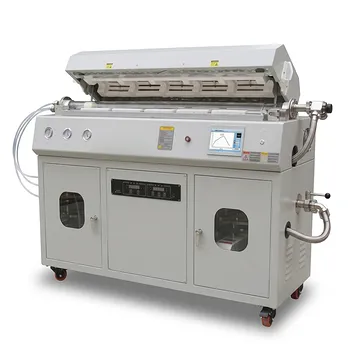
Multi Heating Zones CVD Tube Furnace System for Precision Chemical Vapor Deposition and Advanced Material Synthesis
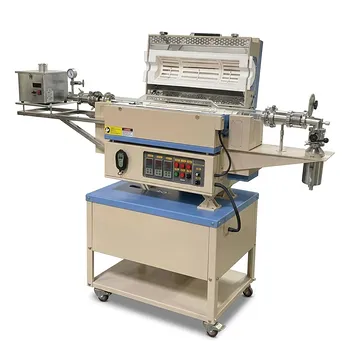
5 Inch Rotary Tube Furnace with Automatic Feeding and Receiving System 1200C Three Zone CVD Powder Processing
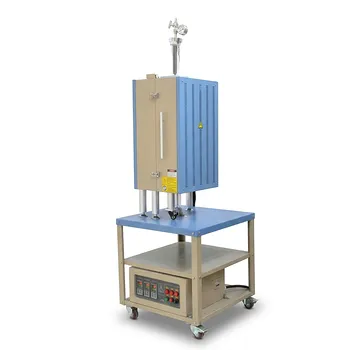
1200C Three Zone Vertical Tube Furnace with 2 Inch Quartz Tube and Vacuum Flanges

High Temperature 1700C Tube Furnace with High Vacuum Turbomolecular Pump System and Multi Channel Mass Flow Controller Gas Mixer