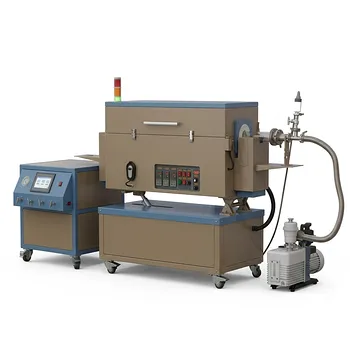
What are the advantages of a tube atmosphere furnace for CdS thin films? Enhance Crystallinity & Prevent Sulfur Loss
Updated 3 months ago
The technical advantage of a tube atmosphere furnace lies in its ability to decouple thermal energy from chemical degradation. By providing a sealed environment with precise gas regulation, these furnaces allow Cadmium Sulfide (CdS) thin films to reach optimal crystallinity (typically between 300°C and 500°C) without the risk of oxidation or sulfur loss. Unlike standard ovens, this specialized equipment enables the exact tuning of a material’s band structure and resistivity through strict atmospheric protection.
Core Takeaway: A tube atmosphere furnace is essential for CdS post-treatment because it provides a high-fidelity thermal environment that prevents oxidation and sulfur evaporation. This allows for superior control over grain growth and stoichiometry, which are critical for the electrical performance of thin-film semiconductors.
Atmospheric Integrity and Stoichiometric Control
Preventing Deleterious Oxidation
Standard ovens typically operate in ambient air, exposing thin films to oxygen and moisture at high temperatures. In contrast, a tube furnace utilizes a sealed gas path design to introduce high-purity inert gases like Nitrogen (N2) or Argon (Ar). This isolation ensures that the CdS layer does not react with oxygen, which would otherwise create unwanted oxides that degrade device performance.
Suppressing Sulfur Volatilization
At the high temperatures required for annealing, sulfur atoms within the CdS lattice are prone to evaporation. The controlled environment of an atmosphere furnace can maintain a specific local vapor concentration or positive pressure of inert gas. This effectively suppresses sulfur loss, ensuring the thin film maintains its intended chemical composition and semiconductor properties.
Reducing Impurity Contamination
The superior sealing capabilities of tube furnaces allow them to operate under high vacuum conditions before the introduction of protective gases. This process removes residual contaminants from the chamber that a standard oven cannot eliminate. Consequently, the resulting films exhibit higher purity and more consistent functional characteristics.
Structural and Morphological Optimization
Promotion of Grain Growth
High-temperature annealing between 300°C and 500°C is required to increase the crystallinity of CdS. A tube atmosphere furnace provides the stable thermal environment necessary for atoms to rearrange into larger, more ordered grains. This morphological improvement directly reduces grain boundary defects, which is vital for enhancing carrier mobility.
Tuning Band Structure and Resistivity
Because the furnace allows for precise control over the annealing environment, researchers can fine-tune the material's bandgap. By preventing unintended phase changes or chemical reactions, the tube furnace ensures that the electronic properties of the CdS film remain within the specific parameters required for the application.
Managing Phase Transitions
Precise temperature control prevents the material from undergoing unwanted phase transformations or over-sintering. In many thin-film applications, maintaining a specific crystalline phase (such as the transition from amorphous to a specific lattice structure) requires constant temperature stability. Tube furnaces excel here, preventing the "over-sintering" of particles that would otherwise destroy active sites.
Thermal Precision and Uniformity
High-Fidelity Heating Rates
Tube furnaces allow for the programming of specific heating and cooling rates (e.g., 5°C/min). This prevents thermal shock to the substrate and ensures that volatile precursors decompose at a controlled pace. Standard ovens often lack the thermal mass and control systems to manage these ramps with high precision.
Uniformity Across Large Areas
The high aspect ratio of a tube furnace, combined with stabilized gas flow dynamics, ensures uniform vapor transport across the entire substrate. This is particularly important for producing large-area thin films or arrays where pixel consistency is required. The tube-in-tube design can further stabilize these dynamics by suppressing turbulence during the process.
Understanding the Trade-offs
Operational Complexity and Cost
The primary drawback of a tube atmosphere furnace is its higher capital and operational cost compared to a standard oven. It requires specialized gas handling systems, vacuum pumps, and high-purity gas cylinders. Furthermore, the setup time for purging and stabilizing the atmosphere is significantly longer than simply preheating an oven.
Throughput and Scalability
Tube furnaces are generally limited by the diameter of the quartz or ceramic tube, which restricts the size and number of samples processed in a single batch. While standard ovens can accommodate large racks of materials, a tube furnace is a batch-process tool. This makes it ideal for high-precision research and specialized manufacturing but less suited for high-volume, low-margin production.
Making the Right Choice for Your Goal
How to Apply This to Your Project
- If your primary focus is maximizing semiconductor efficiency: Use a tube atmosphere furnace with N2 or Ar protection to ensure the highest possible crystallinity and stoichiometric purity.
- If your primary focus is rapid prototyping of non-critical layers: A standard oven may suffice if the material is not oxygen-sensitive and the annealing temperatures remain low.
- If your primary focus is controlling electronic bandgaps: A tube furnace is non-negotiable, as it provides the precise thermal and chemical environment required to manipulate the material's resistivity.
By prioritizing atmospheric isolation and thermal precision, the tube furnace transforms the post-treatment of CdS from a simple heating step into a precise exercise in materials engineering.
Summary Table:
| Feature | Standard Oven | Tube Atmosphere Furnace |
|---|---|---|
| Atmosphere | Ambient Air (Oxidizing) | Sealed Inert/Vacuum (Protective) |
| Material Integrity | Risk of sulfur loss & oxidation | Prevents volatilization; maintains stoichiometry |
| Thermal Control | Basic temperature stability | High-fidelity ramps & uniform vapor transport |
| Grain Growth | Limited by chemical degradation | Optimized through precise decoupling of heat/chemistry |
| Primary Use | General drying/non-critical heating | Advanced semiconductor & material R&D |
Achieve Precision in Your Thin-Film Research with THERMUNITS
As a leading manufacturer of high-temperature laboratory equipment for material science and industrial R&D, THERMUNITS offers the specialized thermal processing solutions required to master complex processes like CdS thin-film annealing.
Our comprehensive range includes Tube, Atmosphere, Vacuum, and Muffle furnaces, as well as advanced CVD/PECVD systems and Hot Press furnaces, all engineered to provide the atmospheric integrity and thermal precision your project demands. Whether you are tuning band structures or scaling up rotary kiln processes, our equipment ensures superior crystallinity and stoichiometric control.
Ready to elevate your lab's capabilities? Contact our technical experts today to discuss your heat treatment requirements!
References
- Gayan K. L. Sankalpa, W. G. C. Kumarage. Enhancement of Photo-Electrical Properties of CdS Thin Films: Effect of N2 Purging and N2 Annealing. DOI: 10.3390/electronicmat5010003
Mentioned Products
- 1200C Sliding Internal Crucible Tube Furnace for Controlled Atmosphere Thin Film Deposition and Material Sublimation Research
- High Temperature 1800C Atmosphere Tube Furnace for CVD Research and Vacuum Sintering Precision Heat Treatment
- Double Temperature Zone Double Cover Tube Furnace for High Temperature CVD and Vacuum Annealing
- High Temperature 800C Rapid Thermal Processing Furnace with Rotating Sample Holder for Close Spaced Sublimation and Thin Film Solar Cell Research
- Compact Atmosphere Controlled Rapid Thermal Processing RTP Furnace with 4 Inch ID Quartz Tube 1100C
People Also Ask
- Why is an atmosphere tube furnace considered core equipment for CVD? Essential for Precision Thin-Film & 2D Materials
- Why is an atmosphere-controlled tube furnace required for the annealing of Sb2S3? Optimize Semi-conductor Performance
- How does a slanted tube furnace contribute to the crystal growth of Sr4Os3O12? Optimize Thermal Fields and Purity
- Why must deposited LiMn2O4 thin films undergo annealing in a digital tube furnace? Unlock High-Performance Cathodes
- How does a high-vacuum tube furnace facilitate the PVD growth of CdS nanobelts? Precision Control for Nanomaterials

Tech Team · ThermUnits
Last updated on Jun 02, 2026
Related Products
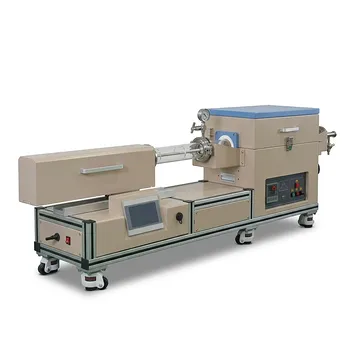
1200C Sliding Internal Crucible Tube Furnace for Controlled Atmosphere Thin Film Deposition and Material Sublimation Research
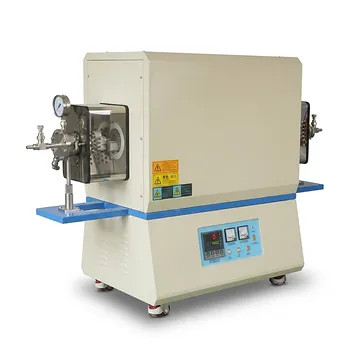
High Temperature 1800C Atmosphere Tube Furnace for CVD Research and Vacuum Sintering Precision Heat Treatment
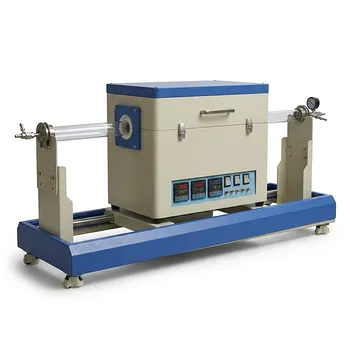
Double Temperature Zone Double Cover Tube Furnace for High Temperature CVD and Vacuum Annealing
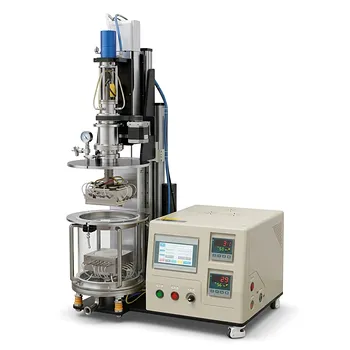
High Temperature 800C Rapid Thermal Processing Furnace with Rotating Sample Holder for Close Spaced Sublimation and Thin Film Solar Cell Research
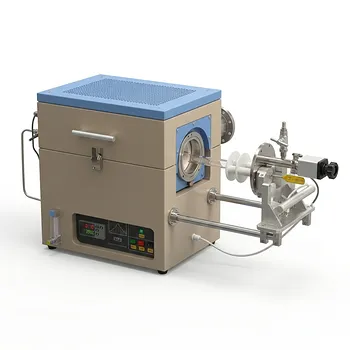
Compact Atmosphere Controlled Rapid Thermal Processing RTP Furnace with 4 Inch ID Quartz Tube 1100C
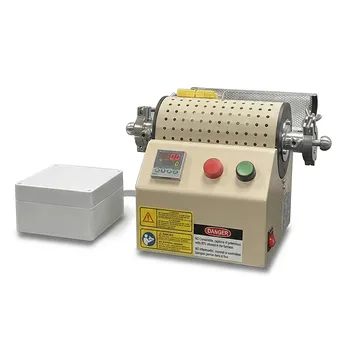
1000C Mini Tube Furnace with 20mm Quartz Tube and Vacuum Flanges for Material Science Research and Controlled Atmosphere Small Sample Processing
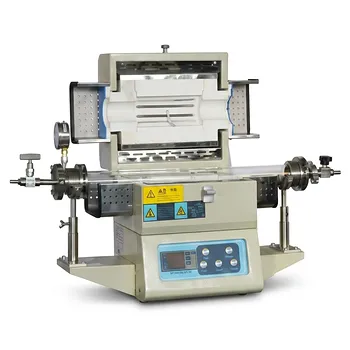
High Temperature 1200C Split Tube Furnace for CVD Research and Vacuum Atmosphere Heat Treatment
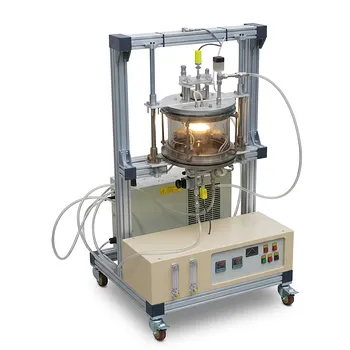
Two Zones CSS Furnace for Rapid Thermal Processing Thin Film Coating 3 Inch Diameter 650C
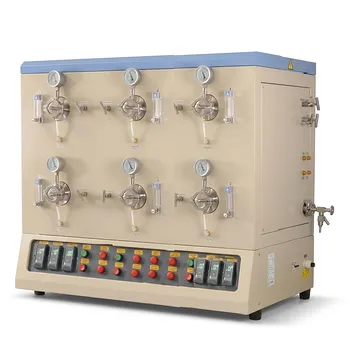
1200C High Throughput Multi Channel Tube Furnace with 50mm Quartz Tubes for Annealing and Material Phase Diagram Research
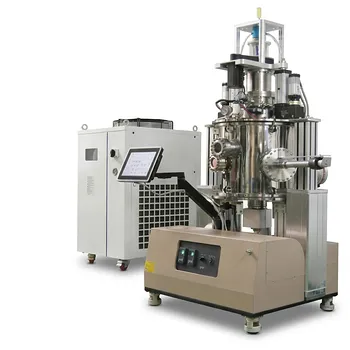
950C Rapid Thermal Processing Furnace for 12 Inch Wafer CSS Coating with Rotating Substrate Holder
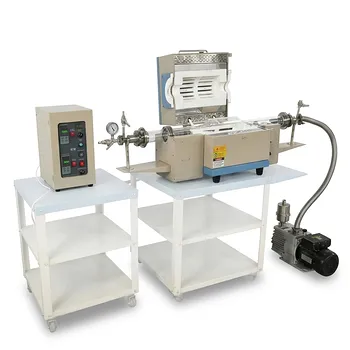
Two Zone Rotary Tube Furnace for Powder CVD Coating and Core Shell Material Synthesis 1100C
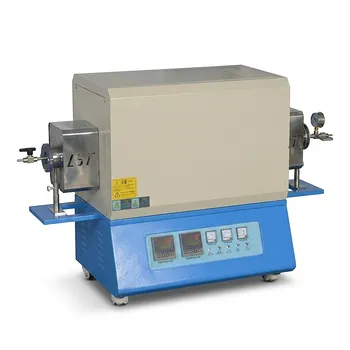
High Temperature Dual Zone Vacuum Tube Furnace for Material Research and CVD Processing
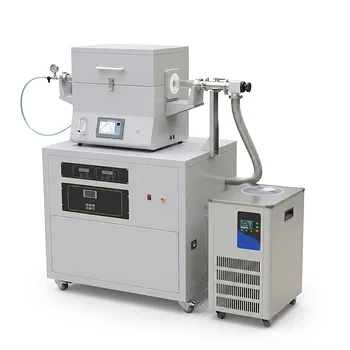
Split Chamber CVD Tube Furnace with Vacuum Station Chemical Vapor Deposition System Machine

Vertical 1700C Vacuum and Atmosphere Tube Furnace with 80mm Alumina Tube
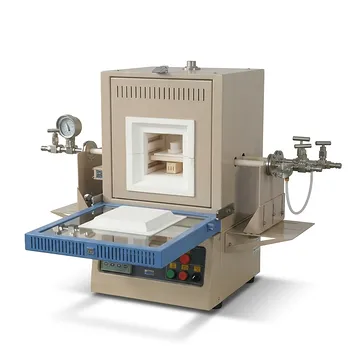
1700C Compact Hybrid Furnace with Dual Layer Box Sintering and Controlled Atmosphere Alumina Tubes
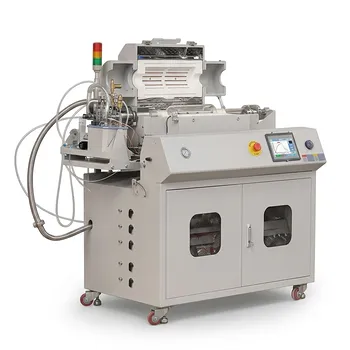
Versatile Chemical Vapor Deposition Tube Furnace System for Advanced Material Research and Industrial Coating Processes
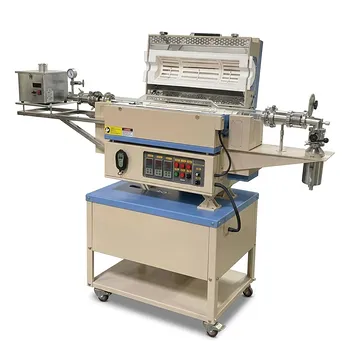
5 Inch Rotary Tube Furnace with Automatic Feeding and Receiving System 1200C Three Zone CVD Powder Processing
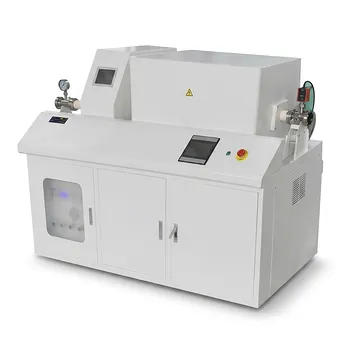
Chemical Vapor Deposition CVD System Slide PECVD Tube Furnace with Liquid Gasifier PECVD Machine
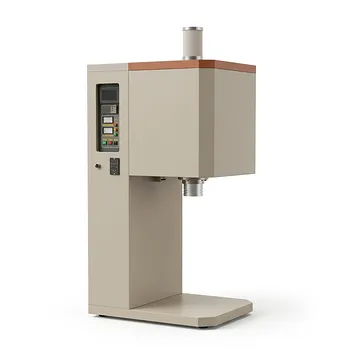
Vertical Openable Tube Furnace 0-1700c High Temperature Laboratory System for CVD and Vacuum Heat Treatment