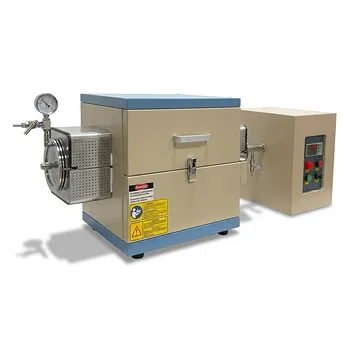
Why is an industrial-grade tube furnace required for pre-oxidation of Mo@CNFs? Achieve Precise PAN Cyclization.
Updated 3 months ago
Precise thermal management is the fundamental requirement for successful pre-oxidation. Industrial-grade tube furnaces are utilized because they provide a highly stable thermal field and exact heating rates within an air atmosphere. This controlled environment triggers the dehydrogenation and cyclization of polyacrylonitrile (PAN), transforming linear molecular chains into heat-resistant trapezoidal ladder structures that preserve the material's integrity during subsequent processing.
Core Takeaway: The industrial-grade tube furnace acts as a stabilization chamber that chemically reconfigures nanofibers into a heat-resistant state. By providing a uniform thermal environment, it ensures that the Mo@CNF precursors maintain their morphological stability and do not melt during high-temperature carbonization.
The Chemical Necessity of Pre-Oxidation
Inducing Dehydrogenation and Cyclization
The primary role of the furnace is to facilitate a specific chemical transition in the polyacrylonitrile (PAN) precursor. In an air atmosphere, the furnace provides the energy needed to transform linear molecular chains into a trapezoidal ladder structure.
Establishing the Carbon Skeleton
This ladder structure is significantly more robust than the original polymer chain. It serves as the foundational carbon skeleton, ensuring that the resulting carbon nanofibers (CNFs) possess the necessary structural strength for electrochemical applications.
Managing Oxidative Reactions
Unlike later stages that require inert gases, the pre-oxidation phase relies on the presence of oxygen. An industrial-grade furnace ensures that this air-atmosphere treatment is uniform, preventing localized over-oxidation or incomplete reactions.
Ensuring Morphological Stability
Preventing Fiber Melting
Without the ladder structure formed during pre-oxidation, the nanofibers would simply melt during high-temperature carbonization. The tube furnace provides the stable thermal field required to "lock" the fibers into a heat-resistant state before they face extreme temperatures.
Maintaining Nanofiber Morphology
The precision of the furnace prevents the nanofibers from collapsing or merging. This is critical for Mo@CNFs, as the specific surface area and structural arrangement of the fibers directly impact the performance of the final material.
Uniformity Across the Sample
Industrial-grade equipment is designed to eliminate temperature gradients within the tube. This ensures that every part of the sample undergoes the same rate of cyclization, leading to a homogenous batch of stabilized fibers.
The Role of Precision Control
Strict Heating Rate Management
Small fluctuations in temperature can lead to internal stresses or structural failure in the nanofibers. Industrial tube furnaces allow for precise heating curves, such as a steady increase of 2 °C per minute, which is vital for controlled polymer transformation.
Reliability of the Thermal Field
A stable thermal field ensures that the heat energy is distributed evenly throughout the material. This reliability is the difference between a successful ladder structure transformation and a failed, amorphous carbon mass.
Scaling from Research to Production
Industrial-grade furnaces offer the consistency required to move from laboratory-scale experiments to larger production volumes. They provide the repeatable conditions necessary to ensure high-purity electrode materials and consistent molybdenum carbide phases.
Understanding the Trade-offs
Thermal Lag and Material Density
Large batches of material in a tube furnace can experience thermal lag, where the center of the sample reaches the target temperature slower than the exterior. If the heating rate is too aggressive, the outer layers may over-oxidize while the core remains unstabilized.
Atmospheric Fluctuations
While pre-oxidation occurs in air, any lack of seal integrity in the furnace can lead to uncontrolled drafts. These drafts cause temperature spikes and inconsistent oxygen levels, which can ruin the delicate morphology of the nanofibers.
Complexity of Precise Programming
The need for low heating rates (e.g., 2 °C/min) requires high-end PID controllers. Using lower-grade equipment that cannot maintain these specific rates often results in the structural collapse of the nanofibers during the transition from the polymer phase to the carbon phase.
How to Apply This to Your Project
Making the Right Choice for Your Goal
- If your primary focus is Structural Integrity: Ensure your furnace can maintain a precise heating rate of 2 °C/min to allow for gradual and complete cyclization of the PAN chains.
- If your primary focus is Material Purity: Utilize an industrial-grade furnace with a high-quality seal to prevent moisture or external contaminants from interfering with the oxidative stabilization process.
- If your primary focus is High-Temperature Resilience: Prioritize the pre-oxidation step to ensure the ladder structure is fully formed, as this is the only way to prevent the fibers from melting during later carbonization stages.
The industrial-grade tube furnace is the essential tool for converting fragile polymer precursors into the durable, heat-resistant carbon frameworks required for advanced material synthesis.
Summary Table:
| Feature | Function in Pre-Oxidation | Impact on Mo@CNFs |
|---|---|---|
| Precise Heating (2°C/min) | Enables gradual dehydrogenation | Prevents fiber melting and structural collapse |
| Stable Thermal Field | Ensures uniform cyclization | Creates a homogenous carbon skeleton batch |
| Air Atmosphere Control | Facilitates oxygen-driven reactions | Transforms linear chains into ladder structures |
| High-End PID Control | Maintains strict thermal curves | Eliminates internal stresses in nanofibers |
Elevate Your Material Research with THERMUNITS Precision
Successful synthesis of Mo@CNFs and other advanced materials depends on the precision of your thermal environment. THERMUNITS is a leading manufacturer of high-temperature laboratory equipment, providing the stability and control required for demanding industrial R&D.
Our comprehensive range of thermal processing solutions includes:
- Furnaces: Tube, Muffle, Vacuum, Atmosphere, Rotary, and Hot Press Furnaces.
- Advanced Systems: CVD/PECVD systems, Vacuum Induction Melting (VIM) furnaces, and Electric Rotary Kilns.
- Specialized Equipment: Dental Furnaces, Thermal Elements, and custom laboratory heat treatment tools.
Whether you need to maintain a strict 2 °C/min heating rate for PAN stabilization or require high-purity atmosphere control, THERMUNITS delivers the reliability your project demands.
Ready to optimize your heat treatment workflow? Contact THERMUNITS Today to get a expert consultation and find the perfect furnace for your laboratory needs!
References
- Yang Zheng, Yong Wang. Molybdenum single-atoms decorated multi-channel carbon nanofibers for advanced lithium-selenium batteries. DOI: 10.3389/fchem.2024.1416059
Mentioned Products
- 1650C High Temperature Atmosphere Controlled Box Furnace with 65L Chamber for Advanced Material Sintering and Industrial Heat Treatment
- Three Temperature Zone Rotating Tube Furnace for Material Sintering and Controlled Atmospheric Heat Treatment
- 1100C Tube Furnace with Vacuum Flange and Programmable Temperature Controller for Material Science and Industrial Heat Treatment
- Laboratory Tilting Rotary Tubular Furnaces for Material Science and Industrial Heat Treatment
- Compact Vertical Split Quartz Tube Furnace with Stainless Steel Vacuum Flanges for Rapid Thermal Quenching and Controlled Atmosphere Material Processing
People Also Ask
- What role does atmosphere control play in technical ceramics and glass? Master Material Purity and Precision
- What role does a high-temperature atmosphere furnace play in the direct electrochemical reduction of CO2? - Key Insights
- What is the role of a high-temperature box furnace in the solid-state synthesis of Europium-doped M3MgSi2O8 phosphors?
- What is the role of a high-temperature box furnace in Na3MnZr(PO4)3 synthesis? Engineering High-Performance NASICON.
- What physical conditions does a high-temperature atmosphere furnace provide for MXene exfoliation? Process Guide

Tech Team · ThermUnits
Last updated on Jun 03, 2026
Related Products
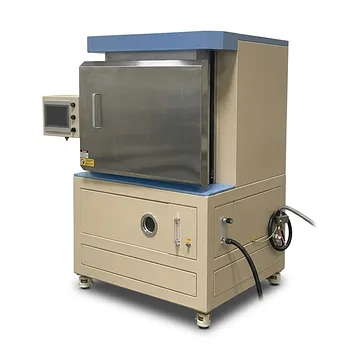
1650C High Temperature Atmosphere Controlled Box Furnace with 65L Chamber for Advanced Material Sintering and Industrial Heat Treatment
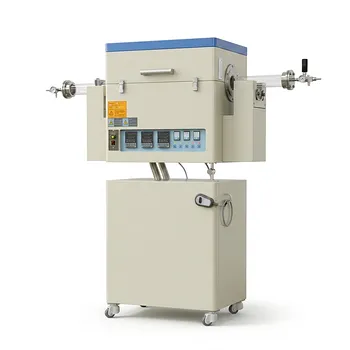
Three Temperature Zone Rotating Tube Furnace for Material Sintering and Controlled Atmospheric Heat Treatment

1100C Tube Furnace with Vacuum Flange and Programmable Temperature Controller for Material Science and Industrial Heat Treatment
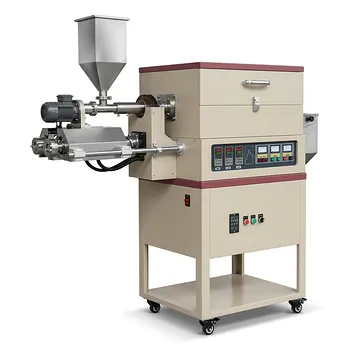
Laboratory Tilting Rotary Tubular Furnaces for Material Science and Industrial Heat Treatment

Compact Vertical Split Quartz Tube Furnace with Stainless Steel Vacuum Flanges for Rapid Thermal Quenching and Controlled Atmosphere Material Processing

Vertical 1700C Vacuum and Atmosphere Tube Furnace with 80mm Alumina Tube

1750°C High Temperature Benchtop Vacuum Atmosphere Tube Furnace with Kanthal Super 1800 Heating Elements and 60mm Alumina Processing Tube
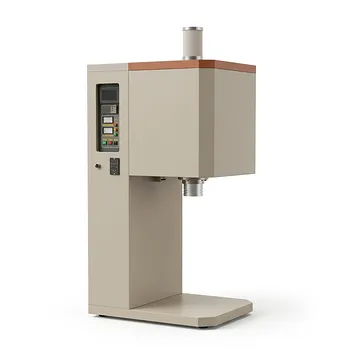
Vertical Openable Tube Furnace 0-1700c High Temperature Laboratory System for CVD and Vacuum Heat Treatment
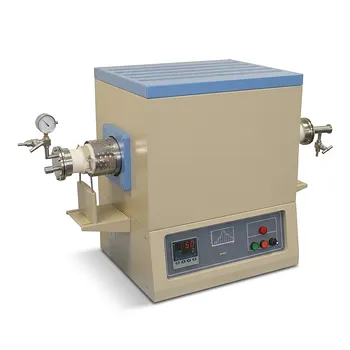
1700C High Temperature Alumina Tube Furnace with 18 Inch Heated Zone and Vacuum Sealing Flanges
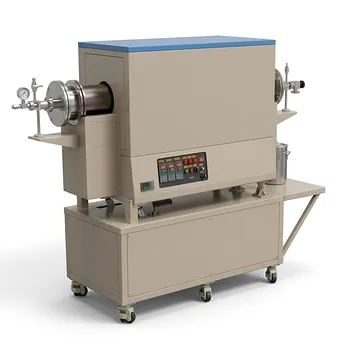
900°C Max Rotary Tube Furnace with 8 Inch 310S Alloy Tube and Optional Multi Zone Heating for Industrial Material Calcination
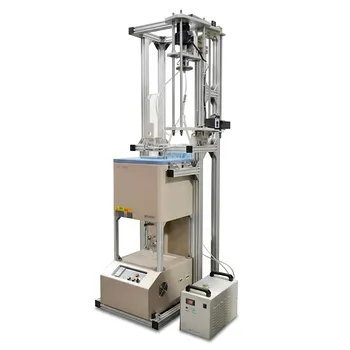
500C Vacuum Vertical Tube Furnace 84mm OD Sample Rotation Lifting System
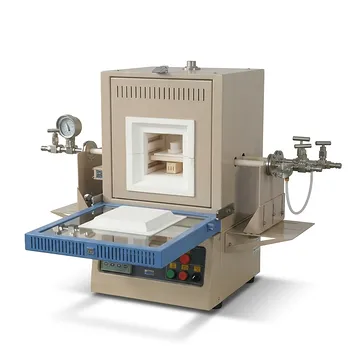
1700C Compact Hybrid Furnace with Dual Layer Box Sintering and Controlled Atmosphere Alumina Tubes
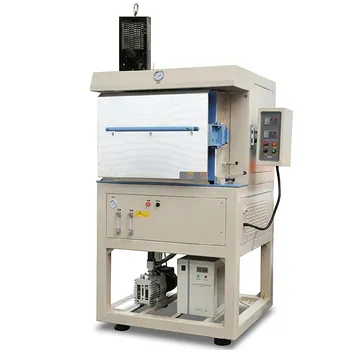
1200C Hydrogen Atmosphere Box Furnace with 5 Heated Sides and 64L Chamber

High Temperature 1700C Benchtop Tube Furnace with 5 Inch Heating Zone High Purity Alumina Tube and Vacuum Sealing Flanges

1800C High Temperature Compact Vacuum Tube Furnace with 60mm OD Alumina Tube and Kanthal MoSi2 Heating Elements
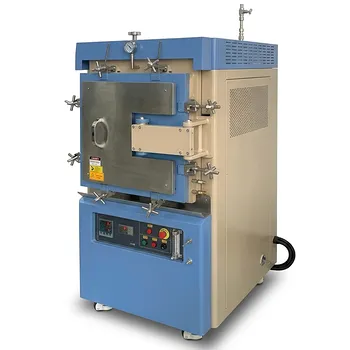
Atmosphere Controlled Muffle Furnace 1700C Maximum Temperature 80L High Capacity Vacuum Inert Gas Box Furnace

High Temperature 1700C Vertical Tube Furnace for Powder Spherification and Material Sintering

Compact High Temperature 1600C Tube Furnace with 50mm Alumina Tube and Vacuum Flanges for Material Sintering
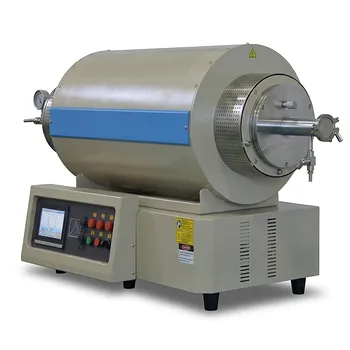
1200C Max Three Zone Tube Furnace 6 Inch OD Max with Tube and Flange