Why is argon protection essential in aluminothermic reduction? Achieve High-Purity Alloys and Maximum Yield
Updated 3 months ago
High-purity argon gas acts as a critical chemical barrier during high-temperature metallurgical processes. At temperatures reaching 1600°C, it creates an inert atmosphere that prevents the atmospheric oxidation of aluminum powder, Graphite Oxide, and molten iron. By isolating these reactive materials from oxygen, the argon ensures that the aluminum is used exclusively to reduce lanthanum elements, maximizing the alloying yield of rare earth elements.
Continuous argon protection is vital because it preserves the chemical stoichiometry of the melt by eliminating oxygen interference. This ensures that active reducing agents are not wasted on atmospheric reactions, allowing for precise control over metallurgical structures and diffusion processes.
Preventing Oxidative Loss of Reactive Components
Protecting the Reducing Agent
In the aluminothermic reduction process, aluminum powder serves as the primary reducing agent. If oxygen is present in the furnace, the aluminum will preferentially react with atmospheric oxygen rather than the target rare earth oxides. High-purity argon ensures the aluminum is preserved specifically for reducing lanthanum adsorbed on Graphite Oxide.
Safeguarding Carbon Carriers and Substrates
At extreme temperatures, carbon-based materials like Graphite Oxide or Carbon Nanoboxes are highly susceptible to oxygen erosion. Argon protection prevents these carriers from being consumed by air, maintaining the structural integrity required for metal precursors to undergo selective agglomeration. This is essential for the precise construction of atomic-scale structures.
Eliminating Oxide Film Formation
Continuous gas flow prevents the formation of thick oxide scales on the surface of the melt or substrate. These films act as physical barriers that block the path of lasers in experimental setups or prevent active halide gases from undergoing necessary displacement reactions. Maintaining a clean surface is critical for the smooth progression of diffusion-based alloying.
Maintaining Thermodynamic and Kinetic Stability
Ensuring Chemical Equilibrium
By excluding oxygen, argon creates a pure reducing atmosphere that prevents the secondary oxidation of metal alloys like iron-cobalt-nickel. This allows the reduction reaction to follow a preset chemical equilibrium. Without this control, it is impossible to accurately assess how variables like reduction time impact metal recovery rates.
Preserving Chemical Stoichiometry
In complex materials like High-Entropy Alloys (HEAs), maintaining the exact ratio of elements is crucial for achieving the desired configurational entropy. Argon prevents the oxidative loss of high-activity elements such as chromium and aluminum. This preservation ensures the final material aligns with theoretical performance expectations.
Controlling Physical Melt Dynamics
The continuous introduction of argon helps suppress the violent fluctuations or evaporation of the melt surface at high temperatures. Furthermore, a stable flow rate maintains consistent internal furnace pressure. This stability is essential for process repeatability and ensures that the metallurgical structure remains uniform across different batches.
Understanding the Trade-offs
Purity Levels vs. Cost
While 99.999% purity argon is ideal for preventing all trace oxidation, the cost of gas increases significantly with higher purity levels. Using lower-grade argon in high-temperature stages can introduce enough residual oxygen to form micro-oxides, which compromise the magnetic or mechanical properties of the final alloy.
Gas Flow Rate and Thermal Gradient
Maintaining a constant flow, such as 0.5 NLPM, is necessary for pressure stability but can introduce a cooling effect on the melt surface. Engineers must balance the flow rate to ensure oxygen displacement without creating unwanted thermal gradients that could affect the liquid-solid interface evolution.
System Hermeticity
Argon protection is only as effective as the furnace's seal. Even with high-purity gas, a minor leak can allow oxygen to enter, leading to the spontaneous oxidation of metals like calcium or magnesium. This highlights that gas protection must be paired with rigorous equipment maintenance.
How to Optimize Argon Protection for Your Goal
- If your primary focus is maximizing rare earth yield: Ensure continuous argon flow from the start of the heating cycle to prevent aluminum powder from oxidizing before it reaches the reduction temperature.
- If your primary focus is achieving specific magnetic properties: Use ultrapure (99.999%) argon to prevent the formation of Fe-Co oxides, which can degrade soft magnetic performance.
- If your primary focus is material research and imaging: Maintain a stable argon flow to keep the melt surface clean of films that would otherwise block laser paths or alter surface energy measurements.
- If your primary focus is structural alloy integrity: Focus on maintaining consistent furnace pressure to ensure that halide gas displacement and diffusion reactions occur uniformly across the substrate.
The rigorous application of high-purity argon gas is the only way to ensure that high-temperature chemical energy is directed toward intended metallurgical reactions rather than atmospheric degradation.
Summary Table:
| Function | Primary Benefit | Metallurgical Impact |
|---|---|---|
| Oxidation Prevention | Protects Al powder & carbon carriers | Maximizes rare earth alloying yield |
| Surface Cleaning | Eliminates oxide film formation | Enables smooth diffusion & laser paths |
| Stoichiometry Control | Preserves element ratios (e.g., HEAs) | Ensures theoretical performance |
| Stability Maintenance | Controls thermodynamic equilibrium | Guarantees process repeatability |
Elevate Your Material Research with THERMUNITS
Precise atmosphere control is the difference between project success and material failure. THERMUNITS is a leading manufacturer of high-temperature laboratory equipment for material science and industrial R&D. We offer a comprehensive range of thermal processing solutions—including Atmosphere, Vacuum, Tube, and Rotary furnaces—specifically designed to maintain the high-purity environments required for aluminothermic reduction and direct alloying.
Our equipment ensures rigorous hermeticity and stable gas flow, allowing you to maximize alloying yields and achieve precise chemical stoichiometry. Contact THERMUNITS today to discuss how our furnace solutions can enhance your lab's thermal processing capabilities.
References
- Yubao Liu, Xiao Wang. Study on Direct Alloying Behavior of Lanthanum in Pure Iron Based on the Graphite Oxide Adsorbing. DOI: 10.3724/s1004-0277.202403004
Mentioned Products
- 1700C Compact Hybrid Furnace with Dual Layer Box Sintering and Controlled Atmosphere Alumina Tubes
- Compact High Temperature 1600C Tube Furnace with 50mm Alumina Tube and Vacuum Flanges for Material Sintering
- High Temperature 1500C Benchtop Muffle Furnace 3.6L Alumina Fiber Chamber Programmable Controller Sintering Annealing Carbonization Thermal Processing System
- High Temperature 1700C Benchtop Tube Furnace with 5 Inch Heating Zone High Purity Alumina Tube and Vacuum Sealing Flanges
- High Temperature 1800C Compact Muffle Furnace with Kanthal Super 1900 Heating Elements and 1.7L Alumina Chamber
People Also Ask
- Why use a tube furnace for carbon nanofibers? Achieve high purity and electrical conductivity through inert processing.
- What are the advantages of using an atmosphere-controlled high-temperature sintering furnace? Precise Oxygen Control
- What is the function of a controlled atmosphere tube furnace in LiGa alloying? Achieving High-Purity Thermal Synthesis
- Why is the sintering process for MS-SOECs typically conducted in a vacuum or atmosphere furnace? Protect Your Materials.
- How does a high-temperature sintering furnace environment enhance NdFeB magnets? Achieve 98%+ density with precision.

Tech Team · ThermUnits
Last updated on Jun 02, 2026
Related Products
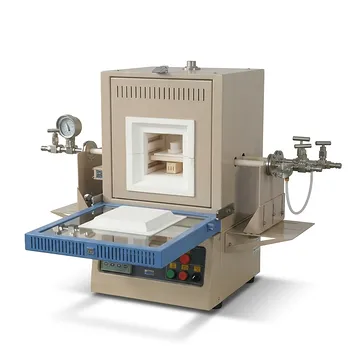
1700C Compact Hybrid Furnace with Dual Layer Box Sintering and Controlled Atmosphere Alumina Tubes

Compact High Temperature 1600C Tube Furnace with 50mm Alumina Tube and Vacuum Flanges for Material Sintering
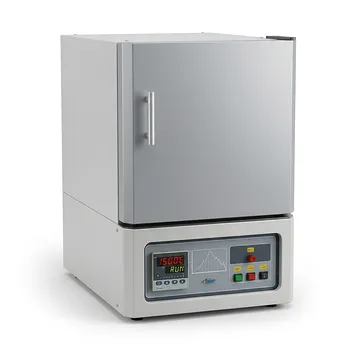
High Temperature 1500C Benchtop Muffle Furnace 3.6L Alumina Fiber Chamber Programmable Controller Sintering Annealing Carbonization Thermal Processing System

High Temperature 1700C Benchtop Tube Furnace with 5 Inch Heating Zone High Purity Alumina Tube and Vacuum Sealing Flanges
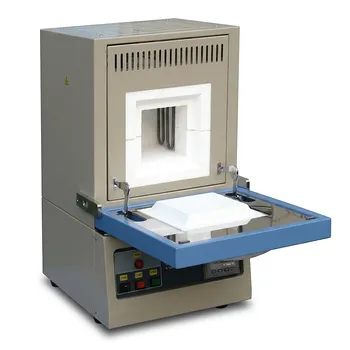
High Temperature 1800C Compact Muffle Furnace with Kanthal Super 1900 Heating Elements and 1.7L Alumina Chamber

1800C High Temperature Compact Vacuum Tube Furnace with 60mm OD Alumina Tube and Kanthal MoSi2 Heating Elements
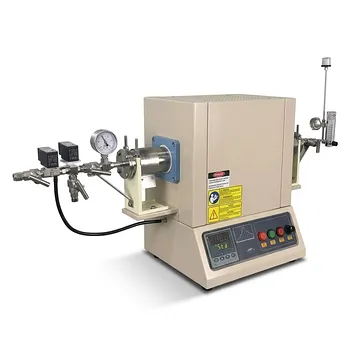
1500C Compact Hydrogen Gas Tube Furnace with 2 Inch Alumina Tube and Hydrogen Detector
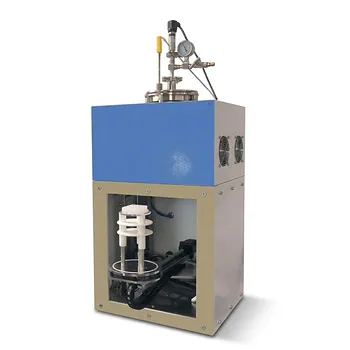
Rapid Thermal Processing Furnace 1100C Atmosphere Controlled Bottom Loading RTP System for Wafer Annealing and Catalysis Research
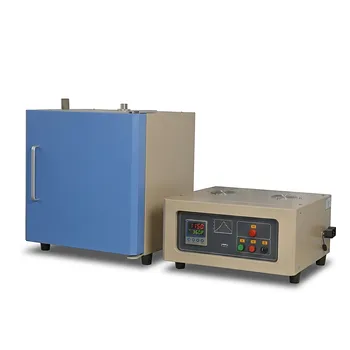
High Temperature Muffle Furnace with Alloy Chamber for Debinding and Sintering Applications
Rapid Thermal Processing RTP Atmosphere Controlled Bottom Loading Furnace 1100C High Throughput 50C per Second Heating Rate
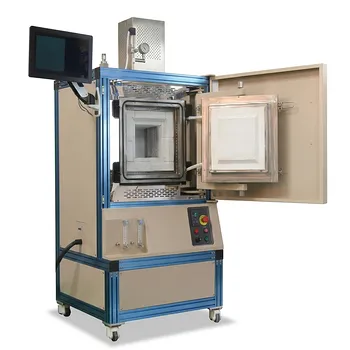
High Temperature Hydrogen Atmosphere Box Furnace 1650C Max Reducing Environment Material Synthesis System 8x8x8 Chamber
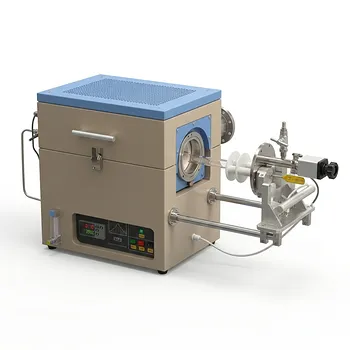
Compact Atmosphere Controlled Rapid Thermal Processing RTP Furnace with 4 Inch ID Quartz Tube 1100C
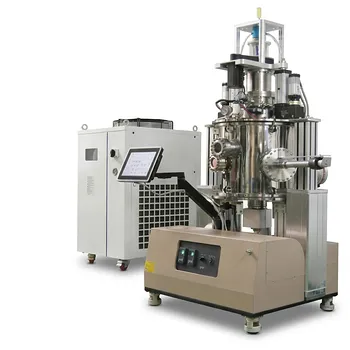
950C Rapid Thermal Processing Furnace for 12 Inch Wafer CSS Coating with Rotating Substrate Holder
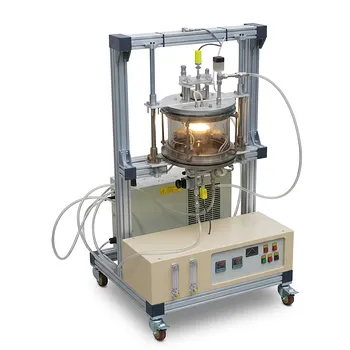
Two Zones CSS Furnace for Rapid Thermal Processing Thin Film Coating 3 Inch Diameter 650C
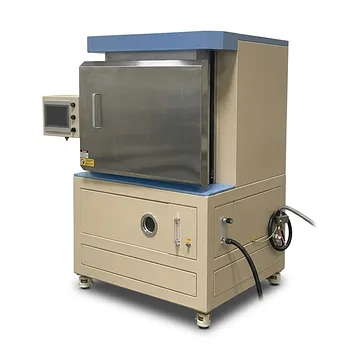
1650C High Temperature Atmosphere Controlled Box Furnace with 65L Chamber for Advanced Material Sintering and Industrial Heat Treatment
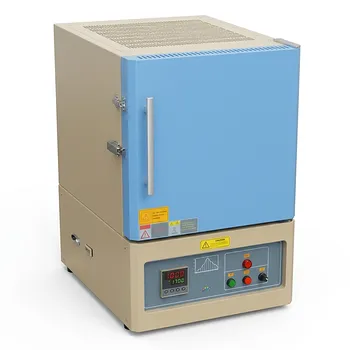
Large Bench Top 1700C High Temperature Muffle Furnace with 19L Chamber for Advanced Material Sintering and Annealing
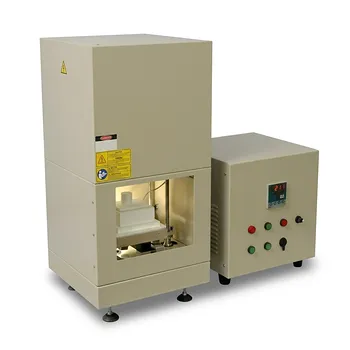
High Temperature Compact Automatic Bottom Loading Furnace with Rapid Cooling for Autonomous Material Research
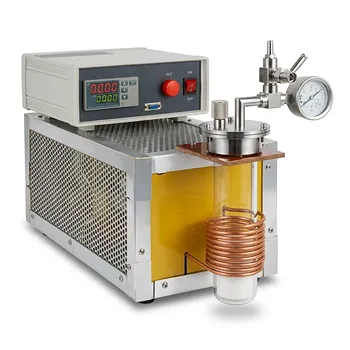
High Temperature Mini Induction Heating Furnace 1600C Laboratory Material Melting System
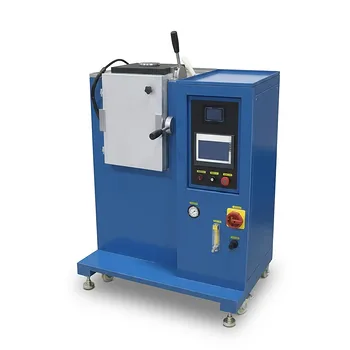
High Throughput Induction Melting and Casting Furnace for Superalloy Research 1700C Atmosphere Controlled Multi Sample System