Why is high-purity alumina (Al2O3) preferred over graphite in hBN synthesis? Ensure Material Purity & Performance
Updated 3 months ago
High-purity alumina (Al2O3) is the preferred container material because it prevents carbon contamination, which is a critical failure point when using graphite. In the Atmospheric Pressure High-Temperature (APHT) process, carbon from graphite crucibles easily diffuses into hexagonal boron nitride (hBN) crystals, causing structural discoloration and severely degrading the material’s carrier mobility and optical purity.
Core Takeaway: Choosing high-purity alumina over graphite is a strategic decision to ensure chemical inertness; while graphite introduces performance-killing carbon impurities at high temperatures, alumina maintains the transparency and electrical integrity of hexagonal boron nitride.
The Critical Problem of Carbon Diffusion
High-temperature environments significantly increase the kinetic energy of atoms, making material migration a primary concern.
Impact on Electrical Performance
When graphite is used, carbon atoms migrate into the hBN lattice, creating defects that trap charges. This results in a drastic reduction in carrier mobility, rendering the hBN ineffective for high-end electronic applications.
Optical Purity and Discoloration
Carbon infiltration doesn't just affect internal electronics; it physically alters the crystal. This contamination leads to visible discoloration, destroying the optical transparency required for specific photonic or research applications.
Chemical Stability at Scale
Alumina remains exceptionally stable and chemically inert at temperatures up to 1600°C. This stability ensures that the container does not react with the hBN or any transition metal catalysts used in the synthesis process.
Structural and Environmental Integrity
Beyond chemical purity, alumina offers mechanical advantages that protect the synthesis environment.
Resistance to Erosion
High-purity alumina is highly resistant to erosion from molten phases and reactive precursors. This prevents the crucible material from leaching into the sample, ensuring that the final hBN product matches the intended stoichiometric ratio.
Low Permeability and Vacuum Stability
The material's low permeability is vital for maintaining a stable environment within the reaction chamber. It minimizes gas exchange and prevents outside contaminants, such as oxygen, from interfering with the high-temperature equilibrium.
Mechanical Strength at Temperature
Alumina retains its structural strength and does not crack or deform at temperatures exceeding 1300°C. This reliability is essential for long-duration APHT cycles where container failure could lead to catastrophic loss of the experimental batch.
Understanding the Trade-offs
While alumina is superior for purity, it is not without its limitations in a laboratory or industrial setting.
Temperature Thresholds
Alumina’s effectiveness is peak below 1600°C. Beyond this point, the material may begin to lose its chemical absolute inertness or structural rigidity, potentially limiting its use in ultra-high-temperature applications where specialized ceramics are required.
Thermal Shock Sensitivity
Unlike graphite, which handles rapid temperature changes well, alumina is more susceptible to thermal shock. Heating and cooling cycles must be managed carefully to prevent the crucible from shattering.
Cost and Consumable Management
High-purity alumina is often treated as a critical consumable because it can eventually degrade after multiple high-temperature cycles. While more expensive than lower-grade materials, the cost is justified by the prevention of sample contamination.
How to Apply This to Your Process
When selecting a container for high-temperature synthesis, your choice should be dictated by the sensitivity of your final product.
- If your primary focus is electrical or optical grade hBN: Use high-purity alumina exclusively to ensure the highest carrier mobility and prevent carbon-based discoloration.
- If your primary focus is structural stability above 1600°C: Re-evaluate the use of alumina, as it reaches its stability limit, and consider alternative refractory materials that do not contain carbon.
- If your primary focus is preventing catalyst interference: Alumina is the ideal choice due to its proven inertness toward transition metal catalysts and oxide specimens.
The shift from graphite to high-purity alumina is the single most effective way to guarantee the chemical and physical integrity of hexagonal boron nitride during high-temperature synthesis.
Summary Table:
| Feature | High-Purity Alumina (Al2O3) | Graphite |
|---|---|---|
| Carbon Contamination | None (Chemically Inert) | High (Carbon Diffusion) |
| Electrical Integrity | Preserves High Carrier Mobility | Reduces Mobility (Charge Traps) |
| Optical Purity | Maintains Transparency | Causes Discoloration |
| Chemical Stability | Stable up to 1600°C | Reactive with certain catalysts |
| Thermal Shock | Sensitive (Requires controlled cycling) | High Resistance |
| Best Application | Optical & Electronic Grade hBN | High-Temp Structural Parts |
Optimize Your High-Temperature Synthesis with THERMUNITS
Achieving high-purity results in material science requires the right thermal equipment and reaction environments. THERMUNITS is a leading manufacturer specializing in high-performance laboratory equipment for R&D and industrial applications.
Whether you need to prevent carbon contamination in hBN synthesis or require precise control for complex CVD processes, we provide the expert solutions you need. Our equipment is designed to meet the rigorous demands of modern material research and industrial heat treatment.
Our Comprehensive Range Includes:
- Furnaces: Muffle, Vacuum, Atmosphere, Tube, Rotary, and Hot Press Furnaces.
- Advanced Systems: CVD/PECVD Systems, Vacuum Induction Melting (VIM) Furnaces, and Electric Rotary Kilns.
- Specialized Equipment: Dental Furnaces, Thermal Elements, and Laboratory Heat Treatment Accessories.
Ready to elevate your research and production quality? Contact us today to discuss your specific thermal processing needs and discover how our expertise can add value to your project!
References
- Cong Su, Igor Aharonovich. Fundamentals and emerging optical applications of hexagonal boron nitride: a tutorial. DOI: 10.1364/aop.502922
Mentioned Products
- High Temperature Induction Melting System with Integrated Ultra High Purity Glove Box for Metallic Alloy Processing
- Vertical Hybrid High Temperature Furnace 1500C Alumina Tube SOFC Fuel Cell Testing Laboratory Heat Treatment Research Equipment
- Hybrid High Temperature Tube and Box Furnace 1700C with 2 Inch Alumina Tube for Material Research
- High Temperature Compact Vacuum Tube Furnace 1750C Max 60mm OD Alumina Tube
- 1700C High Temperature Alumina Tube Furnace with 18 Inch Heated Zone and Vacuum Sealing Flanges
People Also Ask
- What are the key structural components that make up a Vacuum Induction Melting (VIM) furnace system? Full Guide
- How does the skin effect influence VIM frequency selection? Optimize Heat Penetration & Stirring Efficiency
- What technical advantages does Vacuum Induction Melting offer regarding alloy homogeneity and purity? Enhance Performance
- Why is a VIM furnace utilized for high-performance metals? Achieve Superior Material Purity and Integrity
- Explain the physical principle behind heat generation in a Vacuum Induction Melting (VIM) furnace: A Technical Guide

Tech Team · ThermUnits
Last updated on Jun 02, 2026
Related Products
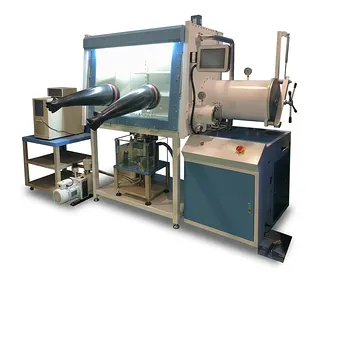
High Temperature Induction Melting System with Integrated Ultra High Purity Glove Box for Metallic Alloy Processing
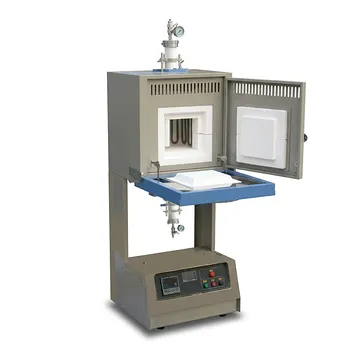
Vertical Hybrid High Temperature Furnace 1500C Alumina Tube SOFC Fuel Cell Testing Laboratory Heat Treatment Research Equipment
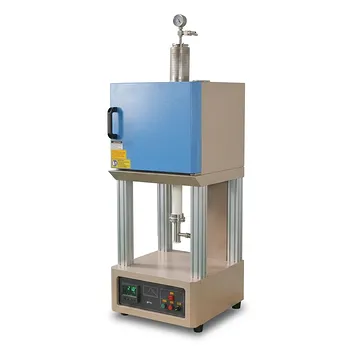
Hybrid High Temperature Tube and Box Furnace 1700C with 2 Inch Alumina Tube for Material Research
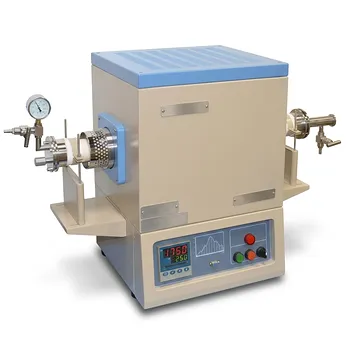
High Temperature Compact Vacuum Tube Furnace 1750C Max 60mm OD Alumina Tube
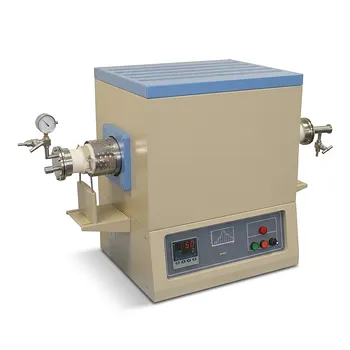
1700C High Temperature Alumina Tube Furnace with 18 Inch Heated Zone and Vacuum Sealing Flanges
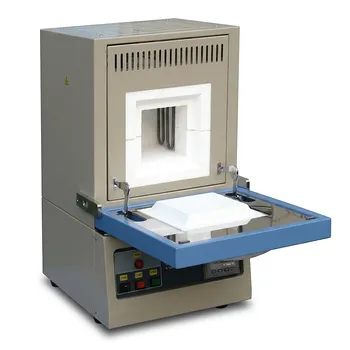
High Temperature 1800C Compact Muffle Furnace with Kanthal Super 1900 Heating Elements and 1.7L Alumina Chamber

1700C Hydrogen Gas Tube Furnace with 60mm Alumina Process Tube and Integrated Hydrogen Safety Detector
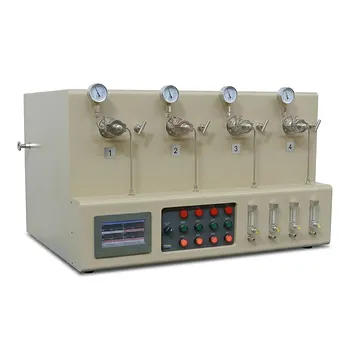
High Temperature 1700C 4 Channel Tube Furnace 1 Inch Alumina Tube for Hi-Throughput Annealing
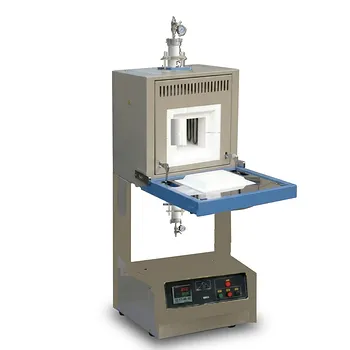
High Temperature Vertical Hybrid Furnace with Alumina Tube and SiC Heating for SOFC Coin Cell Testing and Atmosphere Processing
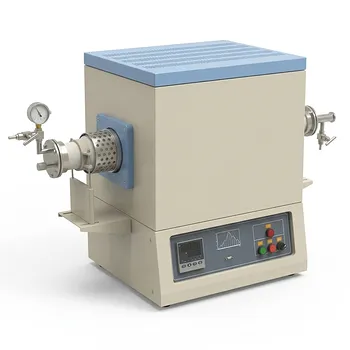
1750°C High Temperature Benchtop Vacuum Atmosphere Tube Furnace with Kanthal Super 1800 Heating Elements and 60mm Alumina Processing Tube

1800C High Temperature Compact Vacuum Tube Furnace with 60mm OD Alumina Tube and Kanthal MoSi2 Heating Elements

Compact High Temperature 1600C Tube Furnace with 50mm Alumina Tube and Vacuum Flanges for Material Sintering
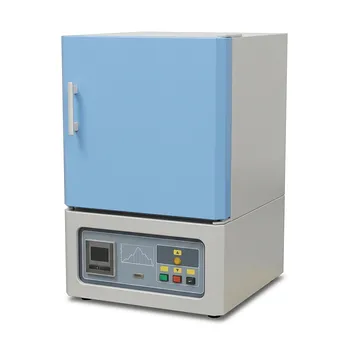
1800C Bench Top Muffle Furnace with Kanthal Super 1900 Heating Elements and 3.6L Alumina Fiber Chamber
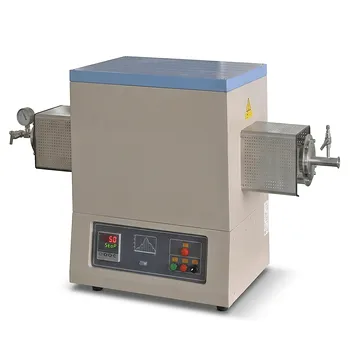
High Temperature 1700C Tube Furnace with 4 Inch OD Alumina Tube and Vacuum Sealing Flanges
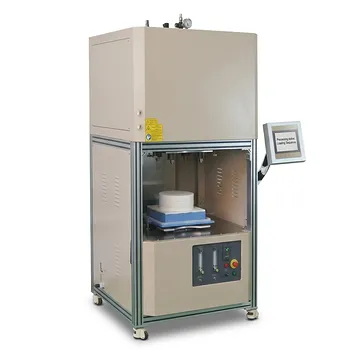
High Temperature Vertical Atmosphere Controlled Furnace with Automatic Bottom Loading and 1700°C Capacity for Advanced Material Research
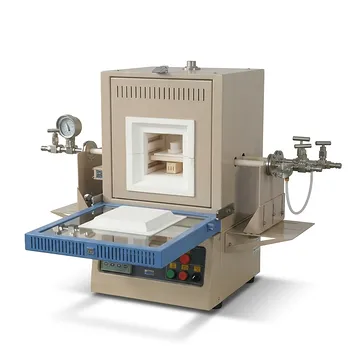
1700C Compact Hybrid Furnace with Dual Layer Box Sintering and Controlled Atmosphere Alumina Tubes
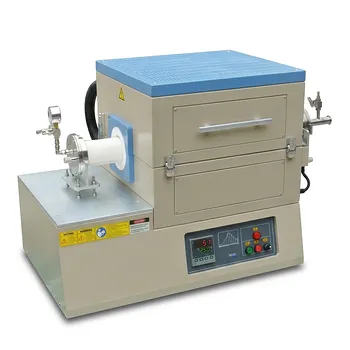
High Temperature 1700C Split Tube Furnace with Vacuum Flanges Valves and 60mm Alumina Tube