Why is high-purity argon gas introduced during nZVI cooling? Ensure Peak Reactivity & Prevent Surface Oxidation
Updated 3 months ago
High-purity argon gas acts as a critical inert shield during the cooling of nano zero-valent iron (nZVI). It is introduced to replace hydrogen once the reduction reaction is complete, preventing the highly reactive iron surfaces from oxidizing when exposed to trace oxygen at elevated temperatures. This transition is vital for maintaining the chemical stability and functional integrity of the nanoparticles until they reach room temperature.
The core purpose of introducing argon is to preserve the metallic state of nZVI by excluding oxygen and suppressing secondary reactions during the thermal transition. Without this inert atmosphere, the newly synthesized particles would immediately oxidize, rendering them useless for their intended chemical applications.
The Necessity of an Inert Atmosphere
Preventing Surface Oxidation
Newly synthesized nZVI is characterized by a high-energy, high-purity surface that is extremely sensitive to oxygen. At elevated temperatures, even parts-per-million levels of oxygen can trigger rapid oxidation, forming an oxide layer that passivates the iron and destroys its reactivity.
Managing High Chemical Activity
Just as with active metals like magnesium, nZVI is highly chemically active and reacts readily with oxygen or nitrogen at high temperatures. The argon system provides a protective environment that displaces these oxidizing gases, ensuring the product does not revert to an iron oxide state.
Preserving Metallic Texture and Continuity
By continuously flushing the reaction chamber, argon eliminates residual oxygen and non-protective gases that might linger after the hydrogen flow stops. This ensures the final product maintains a metallic texture and remains free from oxide inclusion defects that could compromise performance.
Protecting Structural Integrity and Morphology
Suppressing Unwanted Phase Changes
The introduction of argon can facilitate controlled cooling, which is essential for "locking in" the specific microstructural state formed at high temperatures. This suppresses excessive grain growth or unwanted phase precipitation that might occur if the cooling process is too slow or unshielded.
Maintaining Particle Distribution
Controlled gas flow rates help ensure that the morphology and distribution of the particles align with technical requirements. This level of control is necessary to guarantee a stable chemical response when the nZVI is eventually deployed in environmental remediation or catalytic processes.
Simulating Open-System Conditions
A continuous flow of argon gas helps remove reaction by-products like residual water vapor or carbon dioxide. By clearing these gases, the system maintains the chemical equilibrium established during the reduction phase and prevents the furnace components from potential corrosion.
Understanding the Trade-offs
Purity vs. Cost
The effectiveness of this process is entirely dependent on the purity of the argon; using lower-grade gas risks introducing the very oxygen contaminants the process seeks to avoid. However, maintaining a 99.999% purity level increases the operational cost of the synthesis significantly.
Thermal Management Challenges
While argon is an excellent inert medium, its thermal conductivity differs from hydrogen. Transitioning between gases requires careful calibration of the cooling rate to avoid thermal shock to the equipment or unintended changes in the nanoparticle crystallization.
Residual Gas Displacement
If the transition from hydrogen to argon is not managed precisely, pockets of hydrogen may remain, or oxygen may leak in during the switch. This requires sophisticated gas handling systems to ensure a total and seamless displacement of the reducing atmosphere.
How to Apply This to Your Process
Choosing the right gas management strategy depends on your specific production goals and the intended application of the nZVI.
- If your primary focus is maximum reactivity: Ensure your argon system maintains 99.999% purity to prevent even a microscopic oxide skin from forming on the nZVI.
- If your primary focus is structural uniformity: Use a controlled argon flow rate to manage the cooling velocity, which prevents excessive grain growth and maintains the desired nanoparticle size.
- If your primary focus is equipment longevity: Utilize the argon purge to thoroughly remove corrosive by-products and residual hydrogen before opening the reaction chamber to the atmosphere.
The strategic use of argon ensures that the high-energy metallic state achieved through hydrogen reduction is successfully preserved for practical application.
Summary Table:
| Feature of Argon Purge | Primary Benefit | Impact on nZVI Quality |
|---|---|---|
| Inert Shielding | Displaces oxygen & hydrogen | Prevents surface oxidation and passivations |
| Contaminant Removal | Flushes water vapor & by-products | Ensures chemical purity and prevents corrosion |
| Thermal Management | Controlled cooling rates | Stabilizes particle morphology and grain growth |
| Atmosphere Transition | Safe hydrogen displacement | Maintains structural integrity until room temp |
Optimize Your Nano-Material Synthesis with THERMUNITS
Precision thermal processing is critical when working with highly reactive materials like nano zero-valent iron. THERMUNITS is a leading manufacturer of high-temperature laboratory equipment, providing the advanced gas handling and temperature control necessary for successful material science research and industrial R&D.
Our comprehensive range of solutions includes:
- CVD/PECVD Systems for precise atmospheric control.
- Tube and Vacuum Furnaces designed for hydrogen reduction and inert cooling.
- Atmosphere and Rotary Kilns for large-scale nanoparticle production.
- High-End Heating Elements and specialized heat treatment equipment.
Don't let oxidation compromise your research. Leverage our expertise in thermal engineering to ensure your nZVI maintains its metallic integrity and maximum reactivity.
Ready to upgrade your lab's capabilities?
Contact THERMUNITS Today to discuss your specific furnace requirements with our technical experts!
References
- Mohammad Ghaffarzadeh, Gity Behbudi. Recent advances in synthesis, properties, and applications of nano-zero valent iron: A promising material for environmental remediation. DOI: 10.53063/synsint.2024.44242
Mentioned Products
- High Temperature Hydrogen Atmosphere Box Furnace 1650C Max Reducing Environment Material Synthesis System 8x8x8 Chamber
- 1200C Max 6 Channel High Cleanliness Hydrogen Furnace for High Throughput Annealing
- 1100C Dual Zone Hydrogen Gas Tube Furnace with Quartz Tube and Integrated H2 Leak Detection System
- 1500C Compact Hydrogen Gas Tube Furnace with 2 Inch Alumina Tube and Hydrogen Detector
- 1100C Hydrogen Gas Atmosphere Tube Furnace with 5 Inch Fused Quartz Tube and Integrated Safety Monitoring System
People Also Ask
- What is the role of a high-temperature box furnace in the solid-state synthesis of Europium-doped M3MgSi2O8 phosphors?
- What is the role of a high-temperature box furnace in Na3MnZr(PO4)3 synthesis? Engineering High-Performance NASICON.
- What role does an industrial-grade high-temperature furnace play in C2F sintering? Achieve Pure Phase and High Strength
- Why is a high-temperature box furnace required for 1250°C ferrite calcination? Ensure Precise Phase Transformation.
- How does a high-temp box furnace aid rare-earth oxysulfide phosphor synthesis? Enhance Purity & Luminescence

Tech Team · ThermUnits
Last updated on Jun 02, 2026
Related Products
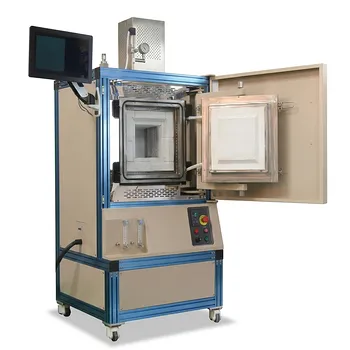
High Temperature Hydrogen Atmosphere Box Furnace 1650C Max Reducing Environment Material Synthesis System 8x8x8 Chamber
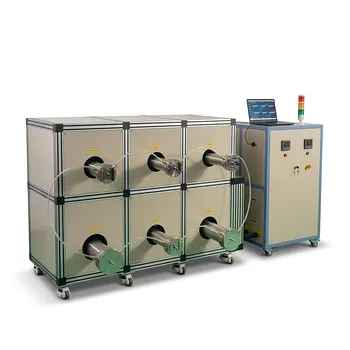
1200C Max 6 Channel High Cleanliness Hydrogen Furnace for High Throughput Annealing
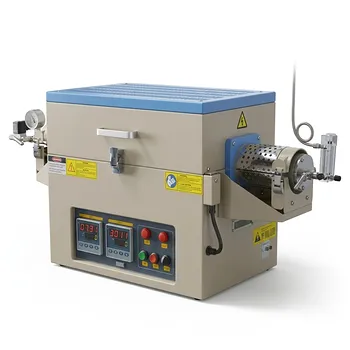
1100C Dual Zone Hydrogen Gas Tube Furnace with Quartz Tube and Integrated H2 Leak Detection System
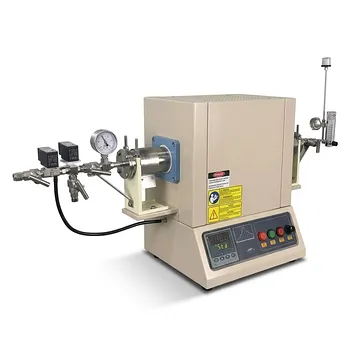
1500C Compact Hydrogen Gas Tube Furnace with 2 Inch Alumina Tube and Hydrogen Detector
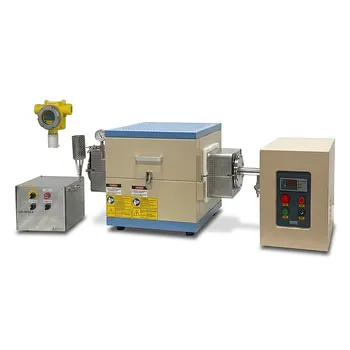
1100C Hydrogen Gas Atmosphere Tube Furnace with 5 Inch Fused Quartz Tube and Integrated Safety Monitoring System
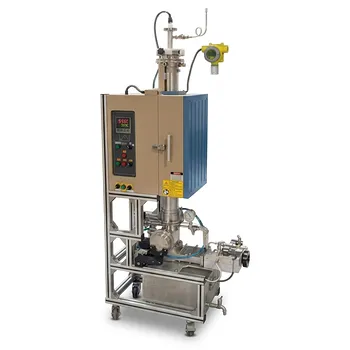
High Temperature 1000C Hydrogen Vertical Quenching Furnace with 4 Inch Stainless Steel Tube

1700C Hydrogen Gas Tube Furnace with 60mm Alumina Process Tube and Integrated Hydrogen Safety Detector
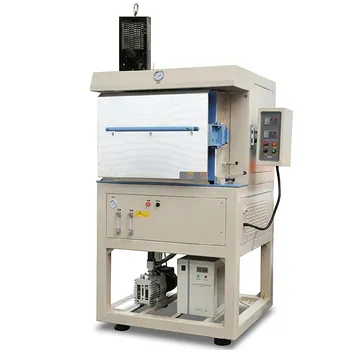
1200C Hydrogen Atmosphere Box Furnace with 5 Heated Sides and 64L Chamber
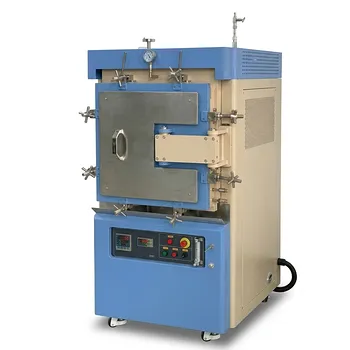
High Temperature Economic Hydrogen Gas Box Furnace 1600C Atmosphere Controlled Thermal Processing System 65L Capacity
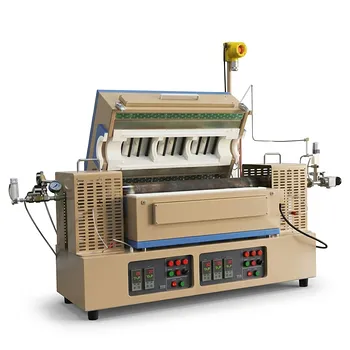
Three Zone Hydrogen Gas Tube Furnace with 82mm Superalloy Tube and Dual Hydrogen Detectors 1200C High Temperature Material Processing System
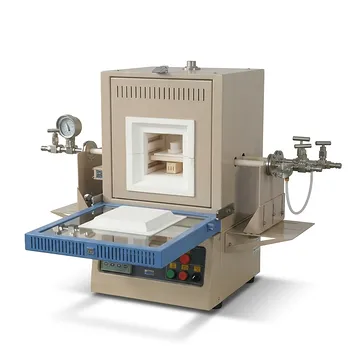
1700C Compact Hybrid Furnace with Dual Layer Box Sintering and Controlled Atmosphere Alumina Tubes

Compact Vertical Split Quartz Tube Furnace with Stainless Steel Vacuum Flanges for Rapid Thermal Quenching and Controlled Atmosphere Material Processing
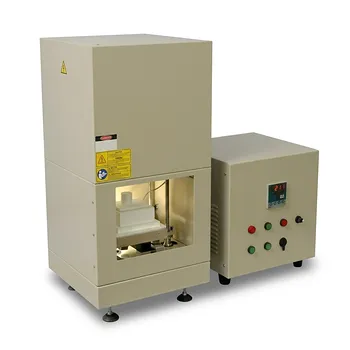
High Temperature Compact Automatic Bottom Loading Furnace with Rapid Cooling for Autonomous Material Research
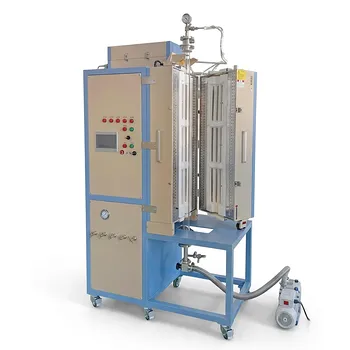
1200C Three Zone Vertical Fixed Fluidized Bed Furnace for Methane Reforming and Fischer Tropsch Reactions
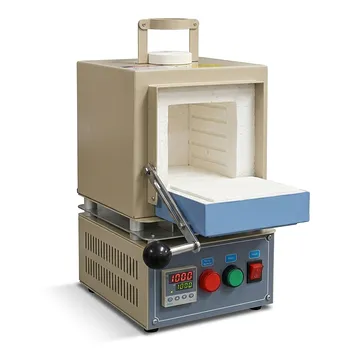
Compact 1000C Muffle Furnace with Programmable Controller and 2 Inch Top Port for Vacuum and Atmosphere Material Research
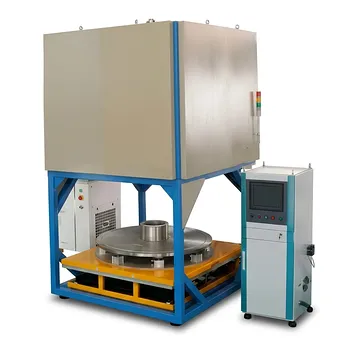
1400C Bottom Loaded Inert Gas Atmosphere Box Furnace with 125L Capacity and Precision Hydraulic Lift
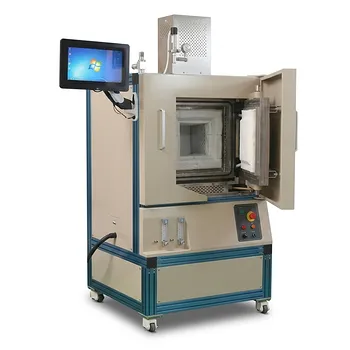
High Temperature Oxygen and Inert Atmosphere Controlled Furnace 8 Liter 1700C Sintering System for Advanced Materials RD
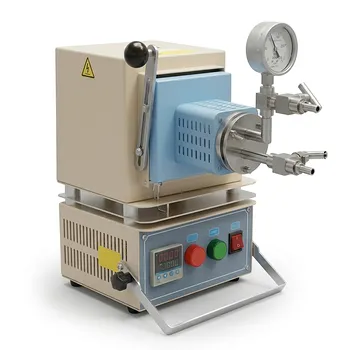
Compact Hybrid Muffle and Tube Furnace for 1000C Controlled Atmosphere Laboratory Material Sintering
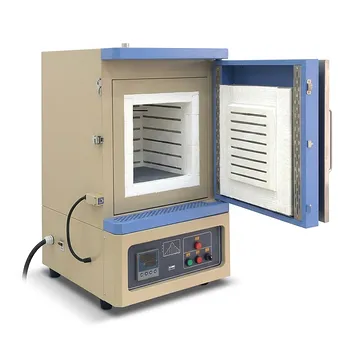
Five Side Heating Muffle Furnace High Purity Alumina Fiber 27L Chamber 1200C High Temperature Thermal Processing System for Sintering Annealing and Materials Research