Why is high temperature control precision required for BiTe thin film annealing? Master Interface Engineering
Updated 5 months ago
High temperature control precision is the decisive factor in bismuth telluride (BiTe) thin film fabrication because the material's interface evolution is extremely sensitive to thermal fluctuations. Precise control ensures the formation of specific crystal structures, such as the face-centered cubic BiTe phase, which are essential for high thermoelectric performance; conversely, any deviation beyond the 350 °C threshold triggers excessive nanosheet coarsening that destroys the film's structural integrity.
Core Takeaway: Precision annealing acts as a surgical tool for "interface engineering," allowing for the exact atomic rearrangement needed to optimize electrical conductivity and carrier mobility without compromising the material's delicate nanostructure.
The Critical Role of Interface Evolution
Inducing Beneficial Crystal Phases
Bismuth telluride-based materials rely on specific phase transitions to achieve peak thermoelectric efficiency. High-precision control allows for the formation of the face-centered cubic (FCC) BiTe phase, a structure that significantly enhances performance metrics.
Facilitating Controlled Atomic Diffusion
The annealing process provides the necessary thermal energy for atomic rearrangement and migration between adjacent nanosheets. Precision ensures this diffusion is sufficient to eliminate internal voids and strengthen physical connections without over-reacting the material.
Regulating Heating and Cooling Rates
Precise systems strictly execute specific heating rates (e.g., 2 °C to 12 °C per minute) to ensure uniform thermal expansion. This stability prevents thermal shock and ensures that nucleation and grain growth occur at a predictable, manageable pace.
Structural Integrity and Morphological Control
Preventing Nanosheet Coarsening
Bismuth telluride thin films are highly susceptible to morphological degradation when exposed to excessive heat. Temperatures exceeding 350 °C cause the nanosheets to coarsen rapidly, leading to a loss of the high-surface-area structures required for optimal performance.
Eliminating Internal Defects and Voids
A stable, high-precision thermal environment allows for the gradual relief of internal stresses and the elimination of crystalline defects. This process "heals" the film, improving crystalline quality and promoting a more uniform grain size distribution across the surface.
Managing Tellurium Vacancies
Precision annealing is vital for balancing tellurium (Te) vacancies with carrier concentrations. By maintaining a stable isothermal stage, the furnace helps regulate these lattice defects, which is a requirement for achieving a high Seebeck coefficient.
Understanding the Trade-offs and Risks
The Danger of Under-Annealing
If the furnace fails to reach or maintain the required precision, the heat may be insufficient to initiate interface diffusion. This results in a film with high internal resistance, poor electrical connectivity, and unstable surfaces that lack the necessary phase transitions.
The Consequences of Thermal Over-Shoot
Even a brief spike above the target temperature can trigger phase separation or irreversible material sintering. Once the structural integrity is destroyed by excessive coarsening, the film’s optical response speed and thermoelectric power factor cannot be recovered.
Atmospheric Sensitivity
Temperature precision must be coupled with a stable protective atmosphere (such as Argon). Fluctuations in temperature can affect the pressure and flow dynamics of the protective gas, potentially leading to unwanted oxidation or contamination of the bismuth telluride surface.
How to Apply This to Your Project
To optimize bismuth telluride-based thin films, your annealing strategy must align with your specific performance goals.
- If your primary focus is maximizing thermoelectric power factor: Prioritize a furnace with programmable PID control to maintain the exact temperature required for FCC BiTe phase formation while balancing carrier concentration.
- If your primary focus is structural durability and connectivity: Focus on slow, precise ramp rates (e.g., 2 °C/min) to promote interface engineering and the elimination of internal voids without triggering nanosheet coarsening.
- If your primary focus is carrier mobility and crystalline quality: Utilize long-term isothermal annealing at a highly stable temperature to allow for complete stress relief and the reduction of lattice defects.
Mastering the narrow thermal window of bismuth telluride through precision control is the only way to transform unstable thin films into high-performance thermoelectric devices.
Summary Table:
| Feature | Precision Control Benefit | Risk of Deviation |
|---|---|---|
| Phase Control | Formulates FCC BiTe phase for peak efficiency | Triggers phase separation or instability |
| Morphology | Prevents coarsening (maintains <350°C threshold) | Rapid nanosheet coarsening & structural loss |
| Atomic Diffusion | Eliminates internal voids; strengthens connections | High internal resistance or material sintering |
| Defect Management | Regulates Tellurium vacancies & Seebeck coefficient | Unstable carrier concentrations & lattice defects |
| Thermal Stability | Uniform expansion via exact ramp rates (2-12°C/min) | Thermal shock and unpredictable grain growth |
Optimize Your Material Research with THERMUNITS Precision
Bismuth telluride processing demands a narrow thermal window where even a minor fluctuation can ruin hours of fabrication. At THERMUNITS, we understand that in material science and industrial R&D, precision is everything.
As a leading manufacturer of high-temperature laboratory equipment, we provide the advanced thermal processing solutions required for high-performance thin film development. Our comprehensive range includes:
- Precision Annealing & Tube Furnaces: Ideal for controlled atmosphere (Argon/Vacuum) processing.
- Muffle, Vacuum, and Atmosphere Furnaces: Engineered for superior temperature uniformity.
- CVD/PECVD & Hot Press Systems: For advanced interface engineering and material synthesis.
- Specialized Equipment: Including Rotary Kilns, Dental Furnaces, and Vacuum Induction Melting (VIM) furnaces.
Don't let thermal instability compromise your carrier mobility or structural integrity. Partner with THERMUNITS to access industry-leading expertise and equipment tailored to your specific heat treatment needs.
Contact Our Technical Experts Today to find the perfect thermal solution for your laboratory.
References
- Xudong Wu, Xiahan Sang. Enhanced Electrical Properties of Bi<sub>2−<i>x</i></sub>Sb<i><sub>x</sub></i>Te<sub>3</sub> Nanoflake Thin Films Through Interface Engineering. DOI: 10.1002/eem2.12755
Mentioned Products
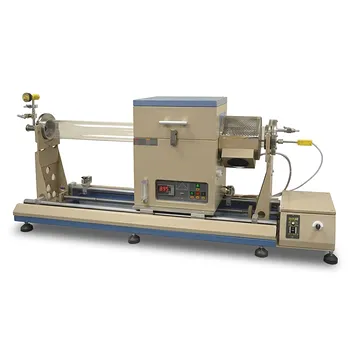
- High Temperature 800C Rapid Thermal Processing Furnace with Rotating Sample Holder for Close Spaced Sublimation and Thin Film Solar Cell Research
- 950C Rapid Thermal Processing Furnace for 12 Inch Wafer CSS Coating with Rotating Substrate Holder
- 1200C Sliding Internal Crucible Tube Furnace for Controlled Atmosphere Thin Film Deposition and Material Sublimation Research
- Two Zones CSS Furnace for Rapid Thermal Processing Thin Film Coating 3 Inch Diameter 650C
- 1200C High Throughput Multi Channel Tube Furnace with 50mm Quartz Tubes for Annealing and Material Phase Diagram Research
People Also Ask
- What role does a SiC-coated graphite susceptor play in H2Se selenization? Boost RTP Thermal Uniformity & Film Purity.
- What is the purpose of coating ceramic sheets with platinum paste? Achieve Stable High-Temp Ohmic Contacts
- What are the functional advantages of an RTP system for surface deposition? Enhance Heterojunction Interface Integrity
- What are the advantages of RTPR for Pd1/PU catalyst synthesis? Achieve superior single-atom dispersion and stability.
- How does a high-temperature tube furnace optimize palladium thin film pre-annealing? Improve Grain Growth & Stress Relief

Tech Team · ThermUnits
Last updated on Apr 14, 2026
Related Products
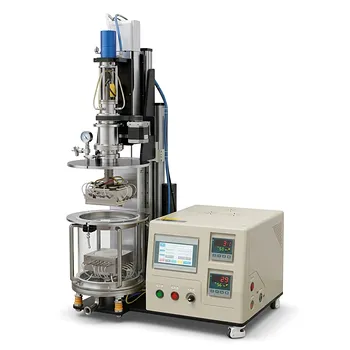
High Temperature 800C Rapid Thermal Processing Furnace with Rotating Sample Holder for Close Spaced Sublimation and Thin Film Solar Cell Research
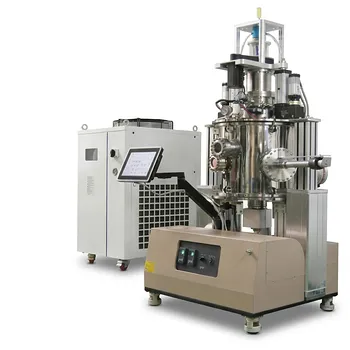
950C Rapid Thermal Processing Furnace for 12 Inch Wafer CSS Coating with Rotating Substrate Holder
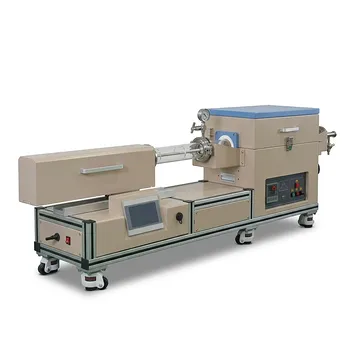
1200C Sliding Internal Crucible Tube Furnace for Controlled Atmosphere Thin Film Deposition and Material Sublimation Research
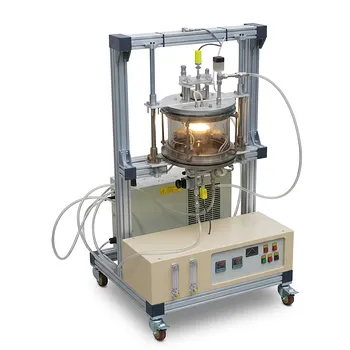
Two Zones CSS Furnace for Rapid Thermal Processing Thin Film Coating 3 Inch Diameter 650C

1200C High Throughput Multi Channel Tube Furnace with 50mm Quartz Tubes for Annealing and Material Phase Diagram Research
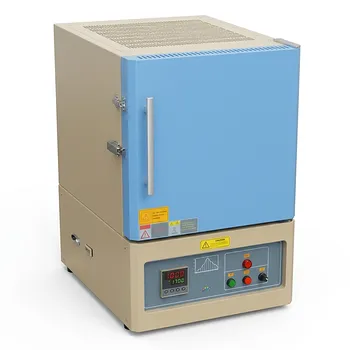
Large Bench Top 1700C High Temperature Muffle Furnace with 19L Chamber for Advanced Material Sintering and Annealing
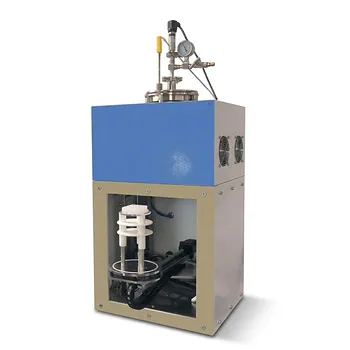
Rapid Thermal Processing Furnace 1100C Atmosphere Controlled Bottom Loading RTP System for Wafer Annealing and Catalysis Research
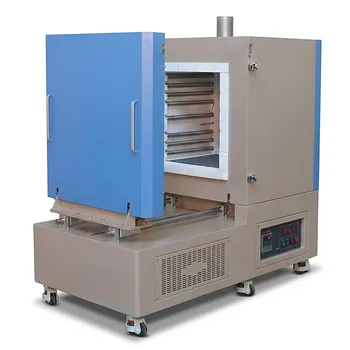
1200C Five Side Heating Muffle Furnace with Sliding Door 125L Volume High Temperature Heat Treatment System for Large Scale Sintering and Annealing
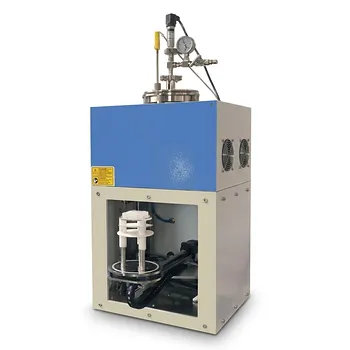
Rapid Thermal Processing Atmosphere Controlled Bottom Loading Furnace 1100C with 50C Per Second Heating Rate for Wafer Annealing
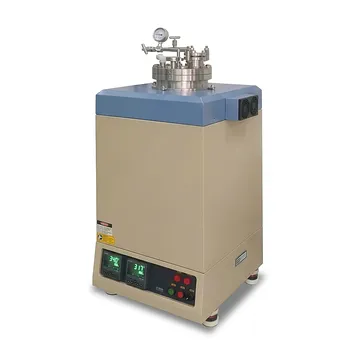
High Temperature 1000C Vacuum Furnace with 8 Inch ID Chamber for Material Sintering and Research Annealing
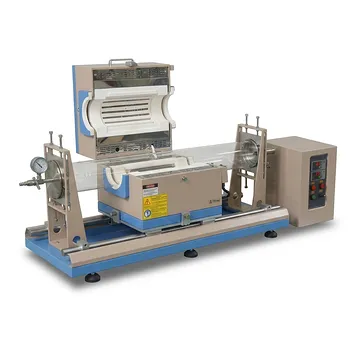
1200C High Temperature 5 Inch Sliding Tube Furnace for Rapid Thermal Processing RTP and Wafer Annealing
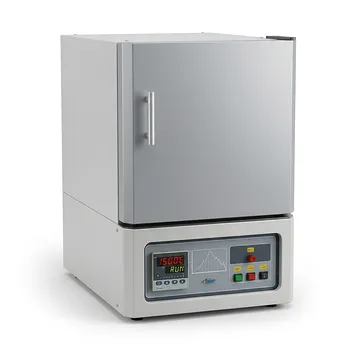
High Temperature 1500C Benchtop Muffle Furnace 3.6L Alumina Fiber Chamber Programmable Controller Sintering Annealing Carbonization Thermal Processing System
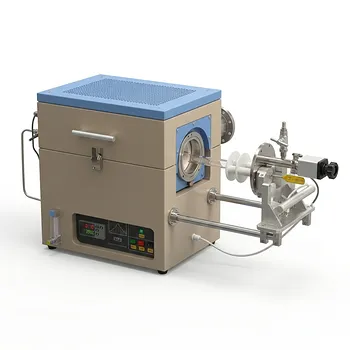
Compact Atmosphere Controlled Rapid Thermal Processing RTP Furnace with 4 Inch ID Quartz Tube 1100C