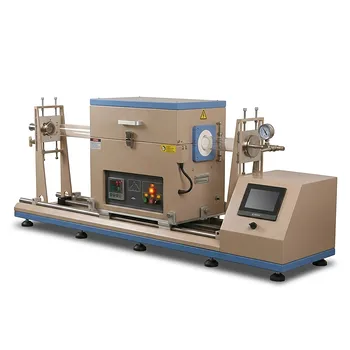
Why is a prolonged hold time necessary for lignin carbonization? Ensure Structural Integrity & Purity
Updated 3 months ago
The necessity of a prolonged holding time lies in the kinetics of molecular transformation. During the carbonization of lignin fibers, a tube furnace must maintain a constant temperature—typically between 600°C and 900°C—to ensure the complete removal of heteroatoms and the full polycondensation of carbon chains. This duration is critical for transforming the precursor into a high-purity carbon nanofiber with a stable, uniform internal structure.
Core Takeaway: A prolonged constant temperature holding time is required to facilitate the deep chemical and structural reorganization of lignin, moving it from a disorganized organic polymer to a high-purity, conductive carbon skeleton while preventing structural defects.
Achieving Chemical Purity through Heteroatom Removal
The Elimination of Volatile Non-Carbon Elements
Lignin naturally contains significant amounts of oxygen and hydrogen, known as heteroatoms, which must be purged to create high-purity carbon. The holding time provides the necessary thermal energy over a sustained period to break these chemical bonds.
Dehydrogenation and Deoxygenation Reactions
As the furnace maintains a steady temperature, the lignin molecules undergo continuous dehydrogenation and deoxygenation. Without sufficient time at peak temperature, these elements remain trapped, resulting in a low-purity product with unstable chemical properties.
Preventing Outgassing Defects
A controlled, prolonged hold allows for the gradual release of gaseous byproducts. If the process is rushed, rapid outgassing can create internal pressures that lead to pores, cracks, or the physical rupture of the carbon fibers.
Facilitating Molecular Reorganization and Polycondensation
The Transition to sp2 Hybridized Carbon
During the holding period, the carbon atoms within the lignin fibers rearrange themselves into sp2 hybridized structures. This reorganization is a time-dependent process that establishes the foundation for the material’s eventual electrical conductivity and mechanical strength.
Formation of Graphene Microcrystalline Fragments
The "soaking" time at high temperatures allows disorganized carbon to stabilize into graphene microcrystalline fragments. This microscopic skeleton is what defines "hard carbon" and provides the necessary structural integrity for advanced applications like battery electrodes or electromagnetic shields.
Promoting Sufficient Polycondensation
Polycondensation is the process by which small molecules join to form a stable, continuous carbon network. A prolonged hold ensures that these chains are fully developed, resulting in a dense and cohesive carbon fiber skeleton rather than a brittle, fragmented one.
Ensuring Structural Integrity and Uniformity
Maintaining Thermal Field Uniformity
Tube furnaces are designed to provide a highly uniform thermal field. A prolonged holding time ensures that the core of the fiber bundle reaches the exact same temperature as the surface, preventing internal structural inconsistencies.
Preservation of Fiber Morphology
Lignin has a relatively low glass transition temperature; if the transition to a carbonized state is not handled with precise timing, the fibers may melt or collapse. The holding time allows the structure to "set" while maintaining its high aspect ratio and spherical or fibrous morphology.
Synergistic Effects with Inert Atmospheres
Because these processes occur over hours, the tube furnace’s ability to maintain a strictly sealed inert atmosphere (such as Nitrogen or Argon) is vital. This prevents oxidative combustion, ensuring that the material carbonizes rather than burning away.
Understanding the Trade-offs
The Risk of Insufficient Holding Time
If the holding time is too short, the carbonization remains incomplete. This results in "under-baked" fibers that retain high oxygen content, possess poor electrical conductivity, and exhibit low chemical stability.
The Consequences of Excessive Thermal Exposure
Conversely, excessively long holding times can lead to over-graphitization or unnecessary energy consumption. In some cases, extreme exposure can cause the degradation of the carbon skeleton or the undesirable growth of crystals that reduce the fiber's flexibility.
Balancing Heating Rates and Dwell Times
The transition from pre-oxidation to carbonization requires a careful balance. While the holding time ensures purity, the heating rate leading up to that hold must be slow enough to prevent the lignin particles from melting or coalescing into a solid mass.
Applying This Knowledge to Your Carbonization Process
Recommendations for Optimal Fiber Quality
Effective carbonization requires matching your furnace parameters to the specific grade of lignin and the desired end-use of the fibers.
- If your primary focus is Maximum Conductivity: Prioritize longer holding times at the higher end of the temperature scale (800°C–900°C) to maximize sp2 hybridization and graphene fragment formation.
- If your primary focus is Structural Morphology: Ensure a robust pre-carbonization hold at lower temperatures (around 250°C) before the main carbonization stage to prevent the fibers from melting.
- If your primary focus is Chemical Purity: Maintain a holding time of at least 2 hours at 600°C or higher to ensure the complete removal of oxygen and hydrogen heteroatoms.
Precise control over the duration of thermal exposure is the definitive factor in transforming raw lignin into a high-performance carbon material.
Summary Table:
| Stage/Aspect | Core Function | Outcome for Lignin Fibers |
|---|---|---|
| Heteroatom Removal | Elimination of Oxygen and Hydrogen | High-purity carbon with stable chemical properties |
| Polycondensation | Chain formation & sp2 hybridization | Dense, conductive, and cohesive carbon skeleton |
| Outgassing Control | Gradual release of gaseous byproducts | Prevents internal pores, cracks, and fiber rupture |
| Thermal Uniformity | Consistent heat across fiber bundles | Uniform fiber morphology and internal structure |
Elevate Your Material Research with THERMUNITS
Achieving precise carbonization requires reliable thermal control and uniform heating environments. THERMUNITS is a leading manufacturer of high-temperature laboratory equipment for material science and industrial R&D. We empower your research with a comprehensive range of thermal processing solutions, including:
- Tube Furnaces (Optimized for Lignin & Fiber Carbonization)
- Muffle, Vacuum, and Atmosphere Furnaces
- CVD/PECVD Systems & Electric Rotary Kilns
- Hot Press & Vacuum Induction Melting (VIM) Furnaces
- Dental Furnaces and High-Quality Thermal Elements
Our equipment is designed to provide the precise temperature holding times and atmosphere stability required for high-performance material synthesis. Contact us today to discuss your project and discover how our expertise can enhance your laboratory’s efficiency!
References
- Maxime Parot, Tatjana Stevanović. Effect of Iron Chloride Addition on Softwood Lignin Nano-Fiber Stabilization and Carbonization. DOI: 10.3390/polym16060814
Mentioned Products
- Vertical 1700C Vacuum and Atmosphere Tube Furnace with 80mm Alumina Tube
- Compact High Temperature 1600C Tube Furnace with 50mm Alumina Tube and Vacuum Flanges for Material Sintering
- 900°C Max Rotary Tube Furnace with 8 Inch 310S Alloy Tube and Optional Multi Zone Heating for Industrial Material Calcination
- Split Vertical Tube Furnace with 1200C Quartz Tube and Stainless Steel Vacuum Flanges for Rapid Thermal Processing
- High Temperature 1700C Tube Furnace with High Vacuum Turbomolecular Pump System and Multi Channel Mass Flow Controller Gas Mixer
People Also Ask
- How is an industrial-grade vertical tube furnace utilized in smelting leaching residues? Enhance Metal Recovery Efficiency
- What is the function of a laboratory-grade vertical tube furnace in fast pyrolysis? Optimize Composite Research.
- How does a vertical tube furnace facilitate thermoelectric alloy melting? Precision synthesis for material homogeneity.
- Why is a thermocouple sensor indispensable for monitoring the vertical tube furnace during gallium oxide nanowire production? Optimize VLS Growth
- What are the advantages of using a vertical tube furnace for crucible experiments simulating steel-slag interactions?

Tech Team · ThermUnits
Last updated on Jun 02, 2026
Related Products

Vertical 1700C Vacuum and Atmosphere Tube Furnace with 80mm Alumina Tube

Compact High Temperature 1600C Tube Furnace with 50mm Alumina Tube and Vacuum Flanges for Material Sintering
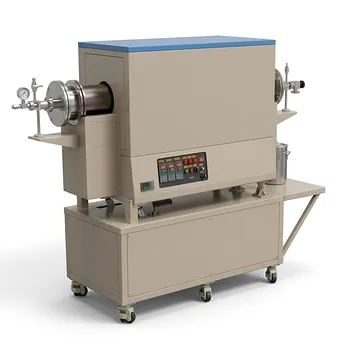
900°C Max Rotary Tube Furnace with 8 Inch 310S Alloy Tube and Optional Multi Zone Heating for Industrial Material Calcination
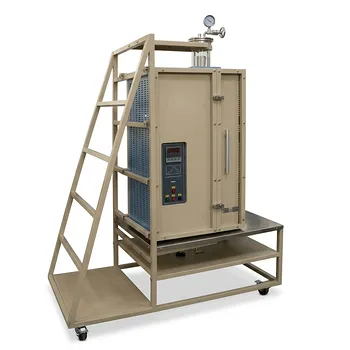
Split Vertical Tube Furnace with 1200C Quartz Tube and Stainless Steel Vacuum Flanges for Rapid Thermal Processing

High Temperature 1700C Tube Furnace with High Vacuum Turbomolecular Pump System and Multi Channel Mass Flow Controller Gas Mixer

1100C Tube Furnace with Vacuum Flange and Programmable Temperature Controller for Material Science and Industrial Heat Treatment
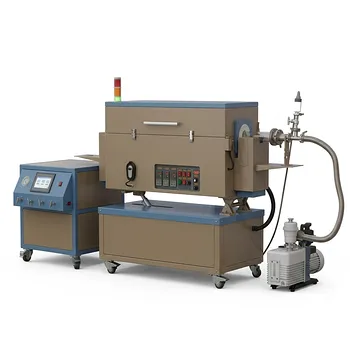
5 Inch Three Zone Rotary Tube Furnace with Integrated Gas Delivery System and 1200C Capability for Advanced Material CVD Processing
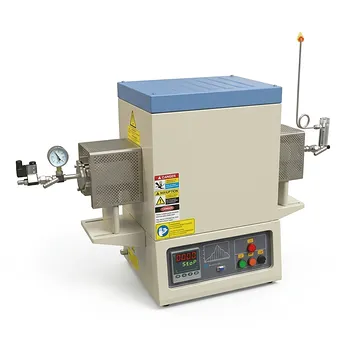
1700C Hydrogen Gas Tube Furnace with 60mm Alumina Process Tube and Integrated Hydrogen Safety Detector
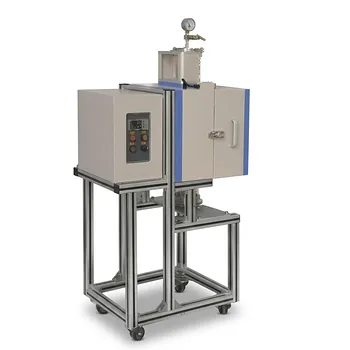
1200°C 5 Inch Vertical Quartz Tube Furnace with Stainless Steel Vacuum Flanges

High Temperature 1700C Six Zone Split Tube Furnace with Alumina Tube and Water Cooled Flanges

Compact Vertical Split Quartz Tube Furnace with Stainless Steel Vacuum Flanges for Rapid Thermal Quenching and Controlled Atmosphere Material Processing

High Temperature 1700C Benchtop Tube Furnace with 5 Inch Heating Zone High Purity Alumina Tube and Vacuum Sealing Flanges
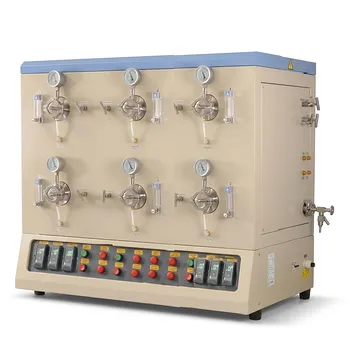
1200C High Throughput Multi Channel Tube Furnace with 50mm Quartz Tubes for Annealing and Material Phase Diagram Research
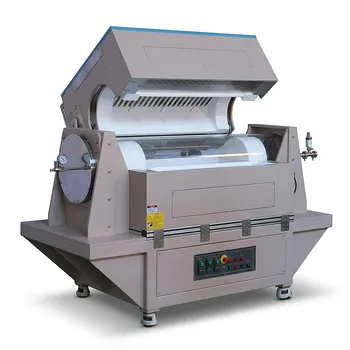
Three Zone Tube Furnace with 11 Inch or 15 Inch Quartz Tube and Hinged Flanges for Vacuum Atmosphere Heat Treatment

1800C High Temperature Compact Vacuum Tube Furnace with 60mm OD Alumina Tube and Kanthal MoSi2 Heating Elements

High Temperature 1700C Vertical Tube Furnace for Powder Spherification and Material Sintering
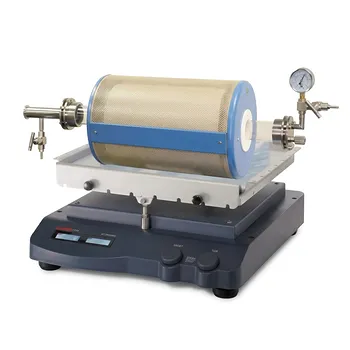
High Temperature Rocking Tube Furnace with Quartz Tube and Vacuum Flange for Materials Synthesis

High Temperature Automated 5 Inch Tube Furnace for Autonomous Material Research and Advanced Laboratory R&D
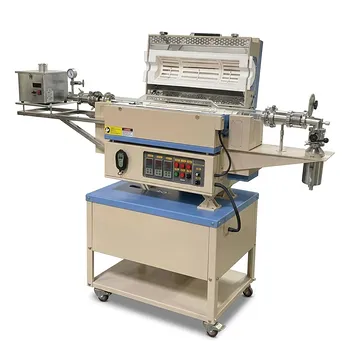
5 Inch Rotary Tube Furnace with Automatic Feeding and Receiving System 1200C Three Zone CVD Powder Processing