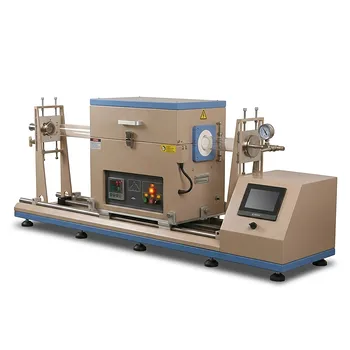
Why argon flush tube furnaces for biomass? Prevent Oxidation & Ensure Pure Carbonization
Updated 3 months ago
Performing a long-duration high-purity argon flush is the critical first step to ensuring a controlled chemical environment. This process replaces the oxygen-rich air inside the furnace with an inert atmosphere, preventing the biomass from undergoing uncontrolled combustion once the temperature rises. By establishing this baseline, you ensure the material follows a specific reaction path—such as pyrolysis or carbonization—rather than simply burning into ash.
Core Takeaway: The argon pre-flush converts the furnace from an oxidizing environment into a strictly inert one. This ensures that high-temperature energy drives the formation of intended carbon nanostructures and protects sensitive components from oxidative degradation.
Eliminating the Risk of Oxidative Combustion
Preventing Premature Biomass Loss
Biomass materials are highly reactive when exposed to heat and oxygen. Without a thorough argon flush, the residual oxygen in the tube will cause the biomass to undergo oxidative combustion during the temperature ramp-up phase. This results in the loss of the biochar substrate and prevents the formation of the desired carbon framework.
Safeguarding Carbon Nanostructure Purity
The goal of biomass treatment is often the production of high-purity carbon nanostructures or catalysts. An inert environment, established by purging oxygen and air, ensures that the subsequent high-temperature reactions follow the intended chemical path. This safeguards the structural integrity and purity of the resulting material.
Maintaining Specific Reaction Pathways
High-purity argon creates a strictly anaerobic environment required for processes like pre-carbonization. By removing oxygen, the organic components are successfully converted into initial carbon materials. This allows for precise control over the final product's characteristics, such as nitrogen doping or sulfur vacancy creation.
Protecting Active Components and Substrates
Preventing Metal Oxidation
Many biomass treatments involve metal nano-alloys or catalysts that are extremely sensitive to oxygen at high temperatures. High-purity argon displaces oxygen and moisture, preventing these metals from converting into oxides (such as Molybdenum Oxide or Titanium Dioxide). This protection ensures the final catalyst possesses the intended metal valence states.
Ensuring Surface Cleanliness
A continuous argon flow does more than just exclude oxygen; it also removes volatile organic compounds (VOCs) generated during pyrolysis. By timely removing these volatiles, the argon prevents secondary deposition on the material surface. This keeps active sites exposed and maintains the cleanliness of the composite material.
Preserving Phase Stability and Trace Elements
In specialized treatments involving materials like Lead Sulfide or high-performance steel, oxygen exclusion is vital for phase stability. The argon flush prevents severe oxidation and decarburization, ensuring the surface properties match the core properties. It maintains the original design content of trace elements by preventing unwanted chemical transformations.
Understanding the Trade-offs and Risks
The Cost of Insufficient Flushing
Shortening the flush duration or using lower-purity gas creates "oxygen pockets" within the furnace tube or the porous biomass itself. Even trace amounts of oxygen can cause localized combustion, leading to non-uniform samples and structural defects. This often results in the destruction of delicate chalcogenide structures or the loss of conductive carbon frameworks.
Gas Flow and Sample Disturbance
While a high flow rate helps remove air quickly, it can physically displace light, powdery biomass samples. If the flow is too aggressive, the raw material may be blown out of the heating zone. Achieving a balance between a thorough displacement of air and the physical stability of the sample is a common technical challenge.
Resource Consumption
High-purity argon is an expensive consumable. Long-duration flushes increase the overall cost of the experiment and require more frequent cylinder changes. However, the cost of a failed run—involving lost time and wasted raw materials—almost always outweighs the cost of the additional argon used during the pre-flush phase.
Applying This to Your Treatment Process
Recommendations for Optimal Results
- If your primary focus is material purity: Extend the pre-flush duration beyond the minimum requirements to ensure every pocket of air is displaced from the furnace's dead zones.
- If your primary focus is catalyst performance: Maintain a continuous argon flow throughout the entire heating and cooling cycle to prevent the oxidation of active metal sites.
- If your primary focus is structural integrity: Use high-purity argon (99.999%) specifically to prevent the formation of unwanted oxide layers that could alter the micro-morphology of your nanotubes or coatings.
- If your primary focus is volatile management: Ensure the exit port of your tube furnace is clear and the argon flow is consistent enough to carry away all generated vapors without back-pressure.
By prioritizing the argon pre-flush, you transform the tube furnace from a simple heater into a precise chemical reactor capable of producing high-quality, engineered materials.
Summary Table:
| Feature | Purpose of Argon Flush | Risk if Omitted |
|---|---|---|
| Atmosphere Control | Converts oxidizing environment to inert | Uncontrolled combustion (ash formation) |
| Material Purity | Safeguards carbon nanostructure integrity | Structural defects and impurities |
| Catalyst Protection | Prevents oxidation of sensitive metal alloys | Loss of intended metal valence states |
| Surface Quality | Removes Volatile Organic Compounds (VOCs) | Secondary deposition on active sites |
Optimize Your Thermal Research with THERMUNITS
Precision is non-negotiable in material science. THERMUNITS is a leading manufacturer of high-performance laboratory heat treatment equipment, specializing in solutions that ensure the strict environment control your research demands.
Whether you are performing biomass carbonization, CVD/PECVD synthesis, or advanced metal alloying, our comprehensive range of Tube, Vacuum, and Atmosphere Furnaces provides the stability and gas-purity management necessary for repeatable, high-quality results. We also offer specialized Rotary Kilns, VIM systems, and Thermal Elements tailored for industrial R&D.
Ready to elevate your lab's efficiency? Contact our experts today to discuss your specific thermal processing needs and discover how our advanced furnace technology can protect your sensitive materials.
References
- El‐Shazly M. Duraia, Gary W. Beall. Efficient eco-friendly synthesis of carbon nanotubes over graphite nanosheets from yellow corn: a one-step green approach. DOI: 10.1038/s41598-024-65893-6
Mentioned Products
- Vertical 1700C Vacuum and Atmosphere Tube Furnace with 80mm Alumina Tube
- Compact High Temperature 1600C Tube Furnace with 50mm Alumina Tube and Vacuum Flanges for Material Sintering
- 900°C Max Rotary Tube Furnace with 8 Inch 310S Alloy Tube and Optional Multi Zone Heating for Industrial Material Calcination
- Split Vertical Tube Furnace with 1200C Quartz Tube and Stainless Steel Vacuum Flanges for Rapid Thermal Processing
- High Temperature 1700C Tube Furnace with High Vacuum Turbomolecular Pump System and Multi Channel Mass Flow Controller Gas Mixer
People Also Ask
- How is an industrial-grade vertical tube furnace utilized in smelting leaching residues? Enhance Metal Recovery Efficiency
- What is the function of a laboratory-grade vertical tube furnace in fast pyrolysis? Optimize Composite Research.
- How does a vertical tube furnace facilitate thermoelectric alloy melting? Precision synthesis for material homogeneity.
- Why is a thermocouple sensor indispensable for monitoring the vertical tube furnace during gallium oxide nanowire production? Optimize VLS Growth
- What are the advantages of using a vertical tube furnace for crucible experiments simulating steel-slag interactions?

Tech Team · ThermUnits
Last updated on Jun 02, 2026
Related Products
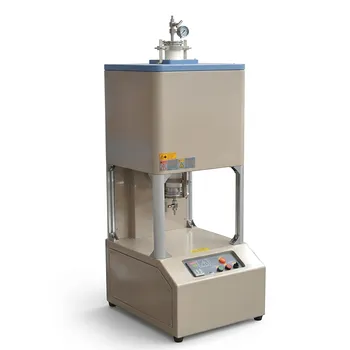
Vertical 1700C Vacuum and Atmosphere Tube Furnace with 80mm Alumina Tube

Compact High Temperature 1600C Tube Furnace with 50mm Alumina Tube and Vacuum Flanges for Material Sintering
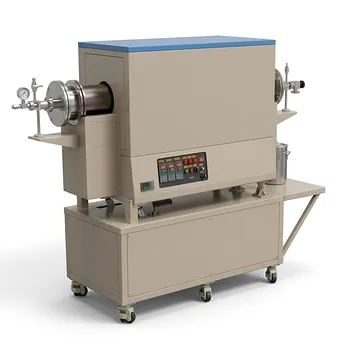
900°C Max Rotary Tube Furnace with 8 Inch 310S Alloy Tube and Optional Multi Zone Heating for Industrial Material Calcination
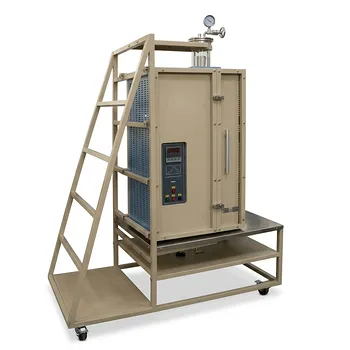
Split Vertical Tube Furnace with 1200C Quartz Tube and Stainless Steel Vacuum Flanges for Rapid Thermal Processing

High Temperature 1700C Tube Furnace with High Vacuum Turbomolecular Pump System and Multi Channel Mass Flow Controller Gas Mixer

1100C Tube Furnace with Vacuum Flange and Programmable Temperature Controller for Material Science and Industrial Heat Treatment
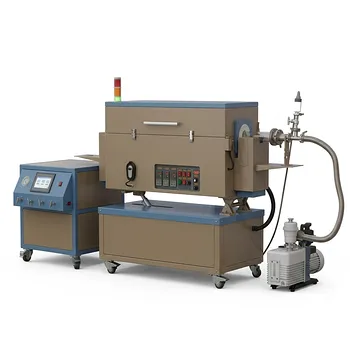
5 Inch Three Zone Rotary Tube Furnace with Integrated Gas Delivery System and 1200C Capability for Advanced Material CVD Processing
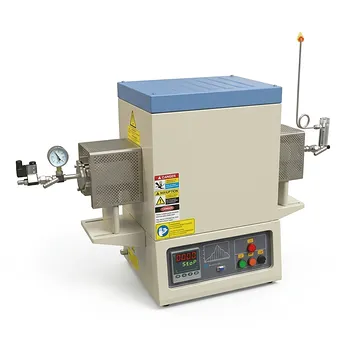
1700C Hydrogen Gas Tube Furnace with 60mm Alumina Process Tube and Integrated Hydrogen Safety Detector
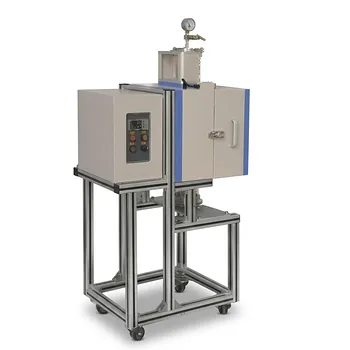
1200°C 5 Inch Vertical Quartz Tube Furnace with Stainless Steel Vacuum Flanges
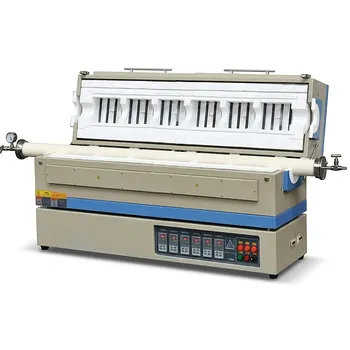
High Temperature 1700C Six Zone Split Tube Furnace with Alumina Tube and Water Cooled Flanges
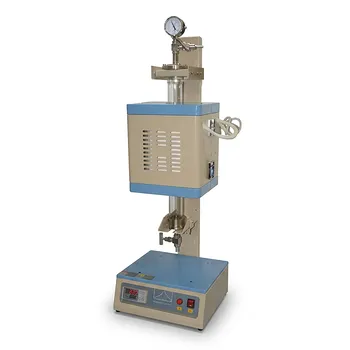
Compact Vertical Split Quartz Tube Furnace with Stainless Steel Vacuum Flanges for Rapid Thermal Quenching and Controlled Atmosphere Material Processing
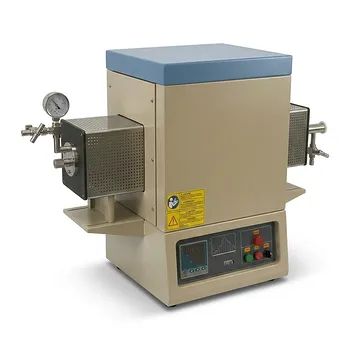
High Temperature 1700C Benchtop Tube Furnace with 5 Inch Heating Zone High Purity Alumina Tube and Vacuum Sealing Flanges
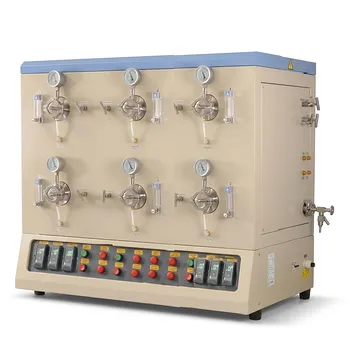
1200C High Throughput Multi Channel Tube Furnace with 50mm Quartz Tubes for Annealing and Material Phase Diagram Research
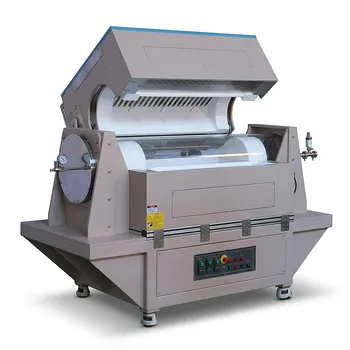
Three Zone Tube Furnace with 11 Inch or 15 Inch Quartz Tube and Hinged Flanges for Vacuum Atmosphere Heat Treatment

1800C High Temperature Compact Vacuum Tube Furnace with 60mm OD Alumina Tube and Kanthal MoSi2 Heating Elements

High Temperature 1700C Vertical Tube Furnace for Powder Spherification and Material Sintering
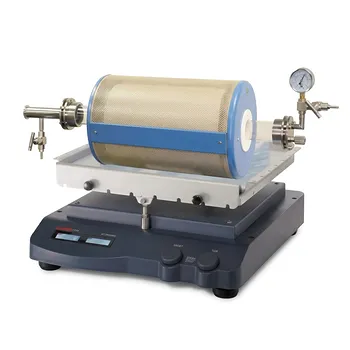
High Temperature Rocking Tube Furnace with Quartz Tube and Vacuum Flange for Materials Synthesis

High Temperature Automated 5 Inch Tube Furnace for Autonomous Material Research and Advanced Laboratory R&D
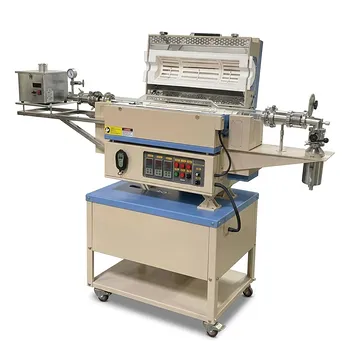
5 Inch Rotary Tube Furnace with Automatic Feeding and Receiving System 1200C Three Zone CVD Powder Processing