Why is it necessary to place a platinum sheet on a magnesium oxide boat? Ensure Analytical Precision & Sample Purity
Updated 6 months ago
The necessity of a platinum sheet lies in its role as a chemically inert isolation barrier. When coal undergoes thermal treatment in a tube furnace, the platinum prevents direct contact between the sample and the magnesium oxide (MgO) boat. This isolation is vital to stop chemical reactions or cross-contamination at temperatures of 210°C or higher, protecting the integrity of subsequent boron content and speciation analysis.
The platinum sheet acts as a high-temperature shield that preserves the chemical purity of the coal sample. By isolating the coal from the MgO substrate, it ensures that analytical data reflects the sample's true composition rather than artifacts from ceramic-coal interactions.
The Role of Chemical Inertness in Thermal Treatment
Preventing Substrate Interaction
Magnesium oxide is a ceramic that, while stable, can become reactive when in contact with the complex mineral matter found in coal at elevated temperatures. Platinum is used because it is a noble metal with extreme resistance to chemical attack and oxidation. By placing the sheet between the coal and the boat, you create a non-reactive interface that remains stable even as the coal undergoes thermal decomposition.
Maintaining Sample Purity
During the heating process, coal releases various volatile components and undergoes structural changes that can lead to leaching or bonding with a ceramic container. The platinum liner ensures that no elements from the MgO boat migrate into the coal, and conversely, that the coal does not lose critical trace elements to the ceramic. This bi-directional isolation is fundamental for high-precision laboratory work.
Impact on Analytical Precision
Focus on Boron Content and Speciation
The primary driver for using platinum in this context is the sensitivity of boron analysis. Boron exists in coal in various organic and inorganic forms, and its accurate measurement requires that the sample remains "closed" to external chemical interference. If the coal were to react with the MgO boat, the resulting data regarding boron speciation would be fundamentally flawed.
The Significance of the 210°C Threshold
Thermal treatment often begins to significantly alter coal chemistry at relatively low temperatures, with 210°C acting as a critical point for many chemical transformations. At or above this temperature, the kinetic energy is sufficient to trigger surface reactions between the sample and its container. The platinum sheet ensures that these reactions are restricted to the coal itself, rather than the coal-boat interface.
Understanding the Trade-offs
Cost and Material Handling
Platinum is an extraordinarily expensive material, which represents a significant capital investment for any laboratory. While it provides the best chemical isolation, it must be handled with extreme care to avoid physical deformation or accidental contamination during cleaning.
Potential for Physical Limitations
While platinum is chemically inert, it is also a soft metal that can become thin or brittle over repeated heating cycles if not maintained. Furthermore, it has high thermal conductivity, which is generally beneficial but requires the operator to be aware of rapid heat transfer to the sample compared to a standard ceramic boat.
Applying This to Your Laboratory Procedures
Making the Right Choice for Your Goal
- If your primary focus is Boron Speciation Analysis: You must use a platinum liner to ensure that the chemical signatures of boron are not altered by the magnesium oxide substrate.
- If your primary focus is High-Temperature Stability (above 210°C): A platinum sheet is the standard requirement to prevent the coal's mineral matter from fluxing with the ceramic boat.
- If your primary focus is Cost-Efficiency for Non-Sensitive Tests: You may consider using standard ceramic boats alone only if the elements being measured are not reactive with MgO and the temperatures remain low.
The use of platinum is a definitive requirement for researchers who prioritize the chemical accuracy and reproducibility of trace element data in coal science.
Summary Table:
| Feature | Role/Impact | Key Benefit |
|---|---|---|
| Material Property | Chemically inert noble metal | Prevents cross-contamination between coal & MgO |
| Temperature Limit | Effective at 210°C and above | Stops chemical transformations at the interface |
| Analytical Focus | Boron Speciation Analysis | Maintains sample integrity for trace element data |
| Substrate Guard | Isolation barrier for MgO boats | Protects ceramic boats from coal mineral fluxing |
Elevate Your Material Research with THERMUNITS Precision
Achieving accurate analytical results in coal science requires high-performance thermal environments. THERMUNITS is a leading manufacturer of professional high-temperature laboratory equipment specifically designed for material science and industrial R&D.
Whether you need precise Tube Furnaces for coal treatment or advanced Muffle, Vacuum, Atmosphere, and Rotary furnaces, our solutions ensure the thermal stability your experiments demand. We also provide specialized CVD/PECVD systems, Dental Furnaces, and high-quality thermal elements to support your entire heat treatment workflow.
Ready to optimize your lab's efficiency and data accuracy? Contact our technical experts today to find the perfect thermal processing solution for your specific application!
References
- Jonah Gamutan, Tetsuya Nagasaka. Low-Temperature Thermal Treatment and Boron Speciation Analysis from Coals. DOI: 10.3390/su16135770
Mentioned Products
- Vertical 1700C Vacuum and Atmosphere Tube Furnace with 80mm Alumina Tube
- Compact High Temperature 1600C Tube Furnace with 50mm Alumina Tube and Vacuum Flanges for Material Sintering
- 900°C Max Rotary Tube Furnace with 8 Inch 310S Alloy Tube and Optional Multi Zone Heating for Industrial Material Calcination
- Split Vertical Tube Furnace with 1200C Quartz Tube and Stainless Steel Vacuum Flanges for Rapid Thermal Processing
- High Temperature 1700C Tube Furnace with High Vacuum Turbomolecular Pump System and Multi Channel Mass Flow Controller Gas Mixer
People Also Ask
- How does a vertical tube furnace ensure stable experimental conditions during molten fluoride electrolysis testing? Precision Tips
- How does a vertical tube furnace facilitate thermoelectric alloy melting? Precision synthesis for material homogeneity.
- How is an industrial-grade vertical tube furnace utilized in smelting leaching residues? Enhance Metal Recovery Efficiency
- What is the function of a laboratory-grade vertical tube furnace in fast pyrolysis? Optimize Composite Research.
- Why is a thermocouple sensor indispensable for monitoring the vertical tube furnace during gallium oxide nanowire production? Optimize VLS Growth

Tech Team · ThermUnits
Last updated on Apr 14, 2026
Related Products
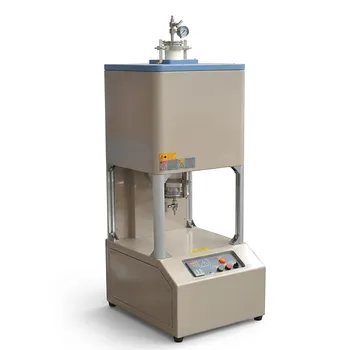
Vertical 1700C Vacuum and Atmosphere Tube Furnace with 80mm Alumina Tube
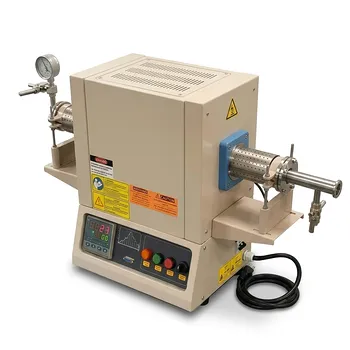
Compact High Temperature 1600C Tube Furnace with 50mm Alumina Tube and Vacuum Flanges for Material Sintering
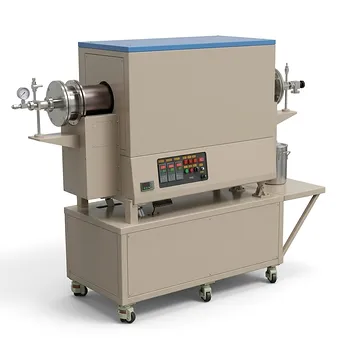
900°C Max Rotary Tube Furnace with 8 Inch 310S Alloy Tube and Optional Multi Zone Heating for Industrial Material Calcination
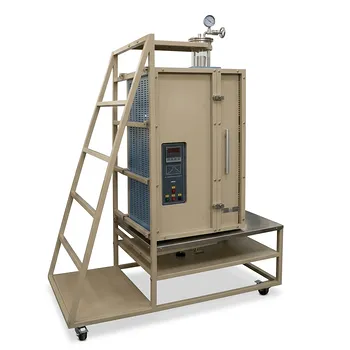
Split Vertical Tube Furnace with 1200C Quartz Tube and Stainless Steel Vacuum Flanges for Rapid Thermal Processing
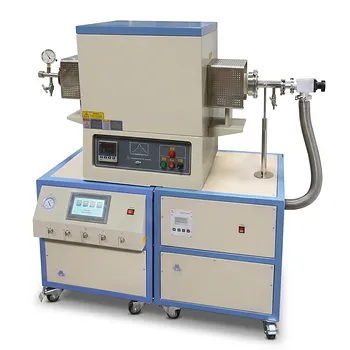
High Temperature 1700C Tube Furnace with High Vacuum Turbomolecular Pump System and Multi Channel Mass Flow Controller Gas Mixer
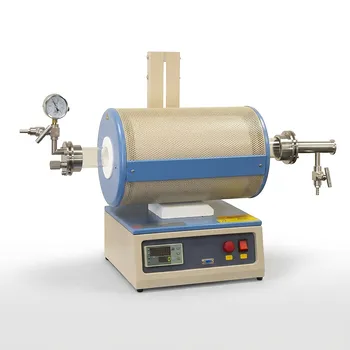
1100C Tube Furnace with Vacuum Flange and Programmable Temperature Controller for Material Science and Industrial Heat Treatment
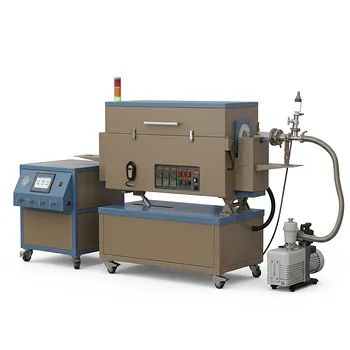
5 Inch Three Zone Rotary Tube Furnace with Integrated Gas Delivery System and 1200C Capability for Advanced Material CVD Processing
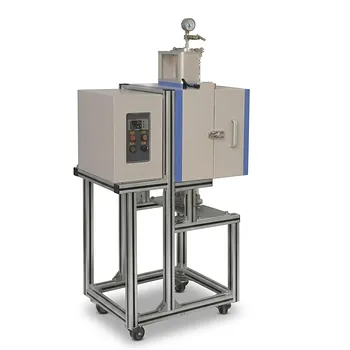
1200°C 5 Inch Vertical Quartz Tube Furnace with Stainless Steel Vacuum Flanges
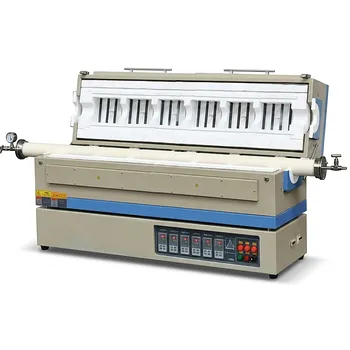
High Temperature 1700C Six Zone Split Tube Furnace with Alumina Tube and Water Cooled Flanges
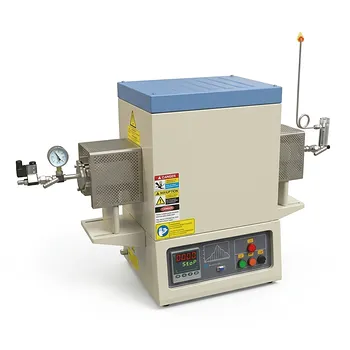
1700C Hydrogen Gas Tube Furnace with 60mm Alumina Process Tube and Integrated Hydrogen Safety Detector
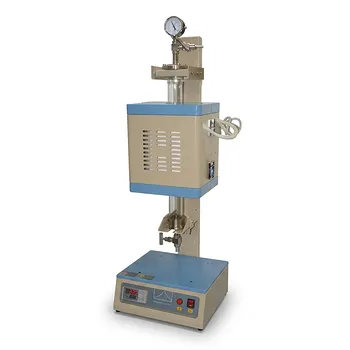
Compact Vertical Split Quartz Tube Furnace with Stainless Steel Vacuum Flanges for Rapid Thermal Quenching and Controlled Atmosphere Material Processing
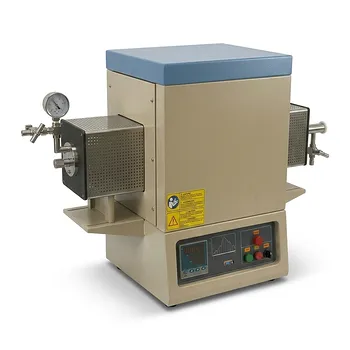
High Temperature 1700C Benchtop Tube Furnace with 5 Inch Heating Zone High Purity Alumina Tube and Vacuum Sealing Flanges
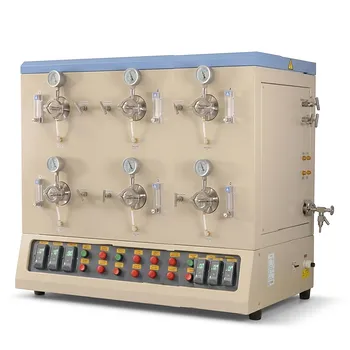
1200C High Throughput Multi Channel Tube Furnace with 50mm Quartz Tubes for Annealing and Material Phase Diagram Research
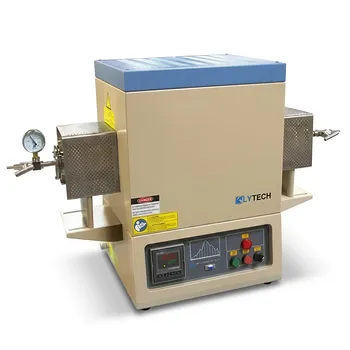
1800C High Temperature Compact Vacuum Tube Furnace with 60mm OD Alumina Tube and Kanthal MoSi2 Heating Elements
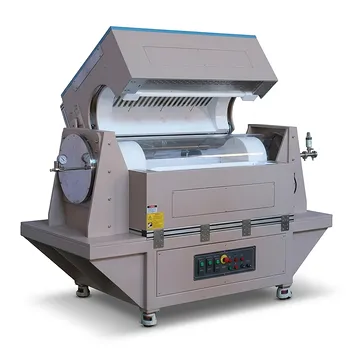
Three Zone Tube Furnace with 11 Inch or 15 Inch Quartz Tube and Hinged Flanges for Vacuum Atmosphere Heat Treatment
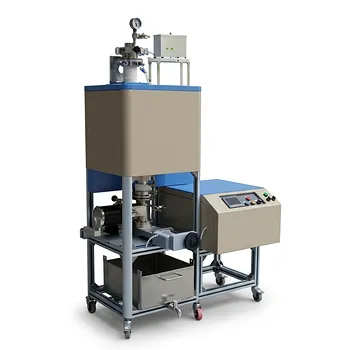
High Temperature 1700C Vertical Tube Furnace for Powder Spherification and Material Sintering
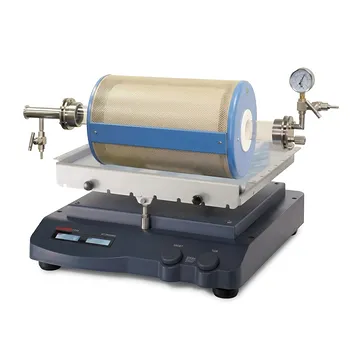
High Temperature Rocking Tube Furnace with Quartz Tube and Vacuum Flange for Materials Synthesis
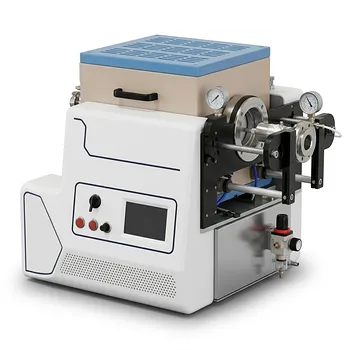
High Temperature Automated 5 Inch Tube Furnace for Autonomous Material Research and Advanced Laboratory R&D
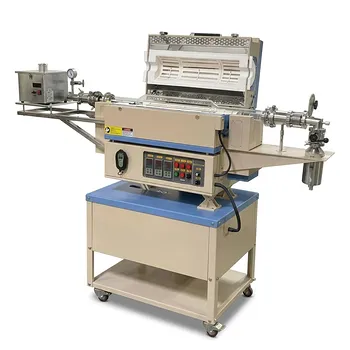
5 Inch Rotary Tube Furnace with Automatic Feeding and Receiving System 1200C Three Zone CVD Powder Processing