Why use high-density alumina crucibles for tin slag research? Achieve precise chemical dissolution and data accuracy.
Updated 3 months ago
High-density alumina crucibles are essential for isolating chemical dissolution mechanisms from physical interference during slag-refractory interaction studies. By using crucibles with a porosity of less than 0.5%, researchers eliminate the "sponge effect" where liquid slag penetrates the physical pores of the container. This ensures that any observed wear or material loss is strictly the result of chemical reactions at the solid-liquid interface, allowing for the precise measurement of saturated solubility and slag composition evolution.
The primary purpose of high-density alumina is to create a definitive, non-porous boundary that prevents physical slag infiltration. This isolation allows researchers to accurately quantify chemical erosion and solubility without the data being skewed by the physical absorption of the slag into the crucible walls.
Isolating Chemical Dissolution from Physical Penetration
Eliminating the "Sponge Effect"
In standard refractory materials, open pores allow molten slag to seep into the internal structure of the container. High-density alumina crucibles with porosity under 0.5% prevent this physical infiltration, ensuring the slag remains contained on the surface.
Focus on Kinetic Mechanisms
When studying tin slag, the goal is often to understand how the refractory dissolves into the melt. By removing the variable of physical penetration, researchers can focus exclusively on the chemical dissolution mechanism and how it changes based on slag chemistry.
Maintaining a Clear Interface
A dense material structure provides a clear solid-liquid interface that is visible and measurable under analysis. This clarity is vital for determining the exact point where the refractory ends and the molten slag begins during post-experimental microscopy.
Ensuring Data Precision in Aggressive Environments
Accurate Solubility Measurements
To determine the saturated solubility of alumina in liquid slag, the crucible itself must not contribute "noise" to the data. High-density crucibles ensure that the increase in alumina concentration in the slag is a controlled, measurable process.
Chemical Inertness Against Corrosive Oxides
Tin slags often contain aggressive components like Iron Oxide (FeO), Lead Oxide (PbO), and Zinc Oxide (ZnO). High-purity alumina offers the chemical stability required to resist these corrosive agents at temperatures ranging from 1450°C to 1550°C.
Prevention of Sample Contamination
Using a high-purity, low-porosity vessel prevents the infiltration of impurity elements into the experimental system. This ensures that the viscosity, desulfurization rates, and phase compositions measured during the study reflect the actual chemical process of the slag, not the degradation of the container.
Understanding the Trade-offs
Thermal Shock Sensitivity
The primary trade-off for high density is a reduced resistance to thermal shock. Because the material lacks pores to accommodate internal stresses, rapid heating or cooling cycles can cause high-density alumina crucibles to crack or shatter.
Cost and Manufacturing Constraints
Producing alumina with near-zero porosity requires specialized manufacturing techniques, such as isostatic pressing or high-temperature sintering. This makes high-density crucibles significantly more expensive than standard laboratory-grade alumina.
Chemical Limitations with Basic Slags
While alumina is highly inert, it is an amphoteric oxide that can react with strong basic oxides like Calcium Oxide (CaO) under certain conditions. Researchers must ensure the slag's basicity does not exceed the chemical limits of the alumina to avoid unintended crucible consumption.
How to Apply This to Your Project
When selecting a crucible for studying slag-refractory interactions, your choice should be dictated by the specific precision required for your data.
- If your primary focus is measuring chemical solubility: Use high-density alumina with <0.5% porosity to ensure a clear solid-liquid interface and prevent physical slag loss.
- If your primary focus is high-temperature stability (above 1600°C): Prioritize high-purity (99%+) alumina to prevent the crucible from melting or contributing impurities to the slag melt.
- If your primary focus is cost-effective screening: Standard alumina crucibles may suffice, but you must acknowledge that physical penetration will likely obscure your chemical dissolution data.
Selecting the right density and purity ensures that your experimental results are a true reflection of the metallurgical reactions rather than a byproduct of container failure.
Summary Table:
| Key Feature | Functional Benefit | Research Impact |
|---|---|---|
| <0.5% Porosity | Eliminates "Sponge Effect" | Prevents physical slag penetration for pure chemical data. |
| High Density | Clear Solid-Liquid Interface | Enables precise measurement of saturated solubility and wear. |
| 99%+ Alumina Purity | Chemical Inertness | Resists corrosive oxides like FeO, PbO, and ZnO at 1550°C. |
| Material Stability | Low Contamination | Maintains slag viscosity and phase composition integrity. |
Elevate Your Material Research with THERMUNITS
Precise experimental results depend on the quality of your thermal environment. THERMUNITS is a leading manufacturer of high-performance high-temperature laboratory equipment specifically designed for material science and industrial R&D.
We offer a comprehensive range of thermal processing solutions to complement your slag-refractory studies, including:
- Furnaces: Muffle, Vacuum, Atmosphere, Tube, Rotary, and Hot Press furnaces.
- Advanced Systems: CVD/PECVD systems, Dental Furnaces, and Electric Rotary Kilns.
- Specialized Equipment: Vacuum Induction Melting (VIM) furnaces and high-grade thermal elements.
Whether you are studying chemical erosion or developing new refractory materials, our equipment provides the stability and control your laboratory demands. Contact our technical experts today to find the perfect heat treatment solution for your project!
References
- Afif Nur Iksan, Taufiq Hidayat. Thermodynamic Simulation and Laboratory-Scale Experiments of Tin Smelting at Al<sub>2</sub>O<sub>3</sub> Saturation. DOI: 10.1021/acsomega.4c07621
Mentioned Products
- 600°C Vertical Crucible Furnace with SS316 Alloy Reactor and 6 Port Vacuum Flange
- High Temperature Vertical Crucible Furnace with 22L Heating Chamber and 1200C Maximum Temperature
- 1100C Crucible Melting Furnace with Stirring Function for Glovebox and Air Sensitive Alloy Research
- 1100C High Temperature Vacuum Crucible Furnace with Quartz Chamber for Thermal Processing and Sintering
- Vertical Crucible Furnace 1000C High Temperature Laboratory Equipment 4.7 Inch Diameter Chamber SS316 Anti Corrosive Enclosure
People Also Ask
- How does a high vacuum sintering furnace at 600 Celsius affect the microstructure of Al-TiC composites? Expert Analysis
- How should the choice between a Quartz crucible and an Alumina crucible be made for La2O2S? Optimize Material Purity
- Why use ceramic crucibles for coal nano-hybrid heat treatment? Ensure Purity and Thermal Stability.
- What role does a vacuum tube furnace play in palladium membrane treatment? Achieve 600°C Stability & Prevent Brittle Phases
- Why is a high-temperature furnace with precise temperature control necessary for Ag8SiS6 alloy synthesis? Ensure Safety.

Tech Team · ThermUnits
Last updated on Jun 03, 2026
Related Products
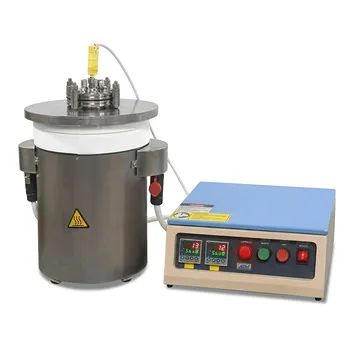
600°C Vertical Crucible Furnace with SS316 Alloy Reactor and 6 Port Vacuum Flange
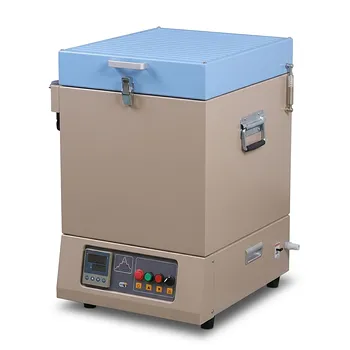
High Temperature Vertical Crucible Furnace with 22L Heating Chamber and 1200C Maximum Temperature
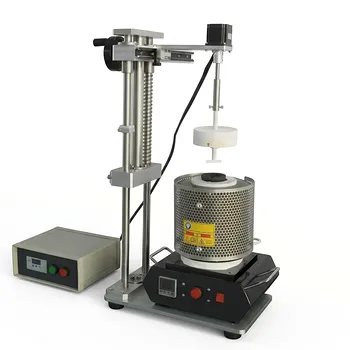
1100C Crucible Melting Furnace with Stirring Function for Glovebox and Air Sensitive Alloy Research
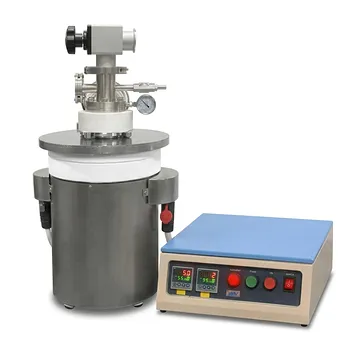
1100C High Temperature Vacuum Crucible Furnace with Quartz Chamber for Thermal Processing and Sintering
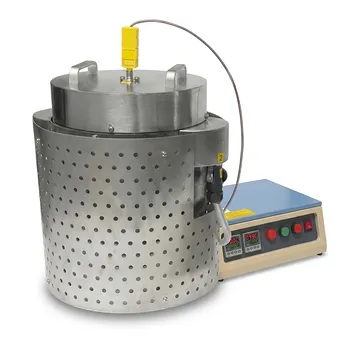
Vertical Crucible Furnace 1000C High Temperature Laboratory Equipment 4.7 Inch Diameter Chamber SS316 Anti Corrosive Enclosure
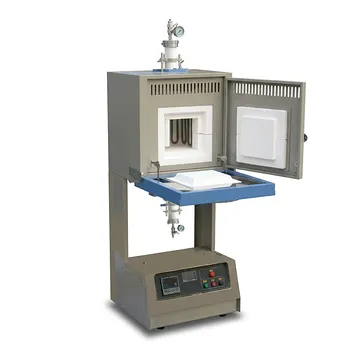
Vertical Hybrid High Temperature Furnace 1500C Alumina Tube SOFC Fuel Cell Testing Laboratory Heat Treatment Research Equipment
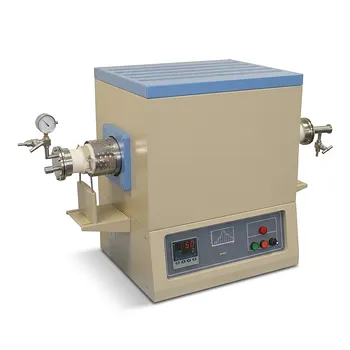
1700C High Temperature Alumina Tube Furnace with 18 Inch Heated Zone and Vacuum Sealing Flanges
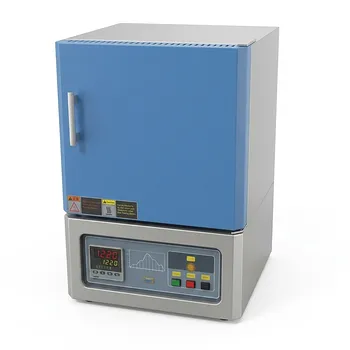
High Temperature Benchtop Muffle Furnace 1700C 10L Chamber Alumina Fiber Insulation MoSi2 Heating Elements
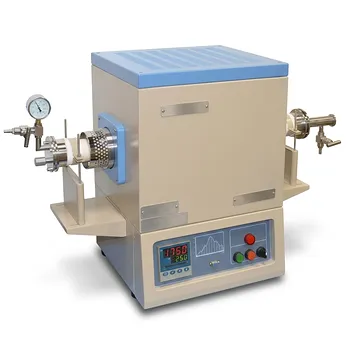
High Temperature Compact Vacuum Tube Furnace 1750C Max 60mm OD Alumina Tube
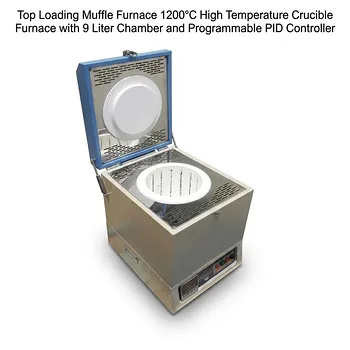
Top Loading Muffle Furnace 1200°C High Temperature Crucible Furnace with 9 Liter Chamber and Programmable PID Controller
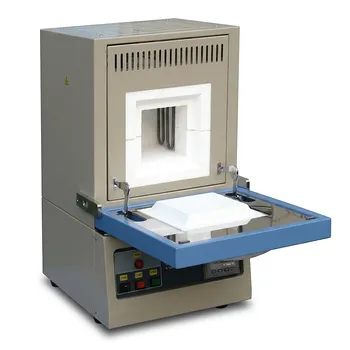
High Temperature 1800C Compact Muffle Furnace with Kanthal Super 1900 Heating Elements and 1.7L Alumina Chamber

1800C High Temperature Compact Vacuum Tube Furnace with 60mm OD Alumina Tube and Kanthal MoSi2 Heating Elements
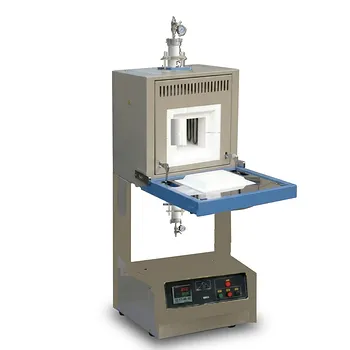
High Temperature Vertical Hybrid Furnace with Alumina Tube and SiC Heating for SOFC Coin Cell Testing and Atmosphere Processing

Compact High Temperature 1600C Tube Furnace with 50mm Alumina Tube and Vacuum Flanges for Material Sintering
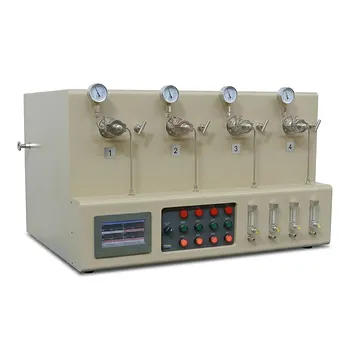
High Temperature 1700C 4 Channel Tube Furnace 1 Inch Alumina Tube for Hi-Throughput Annealing
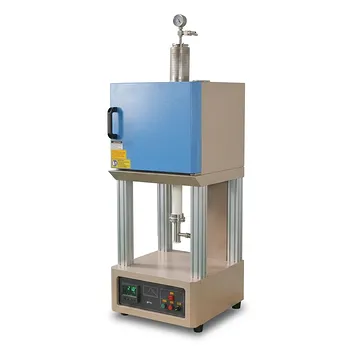
Hybrid High Temperature Tube and Box Furnace 1700C with 2 Inch Alumina Tube for Material Research
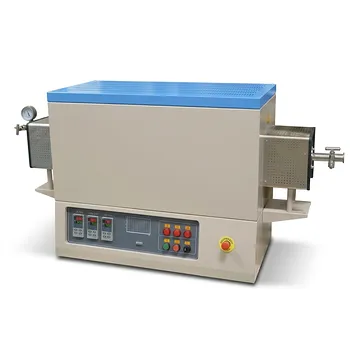
Three Zone Alumina Tube Furnace with Vacuum Flanges High Temperature 1700C Thermal Gradient CVD System
High Temperature 1700C Tube Furnace with 4 Inch OD Alumina Tube and Vacuum Sealing Flanges
1750°C High Temperature Benchtop Vacuum Atmosphere Tube Furnace with Kanthal Super 1800 Heating Elements and 60mm Alumina Processing Tube