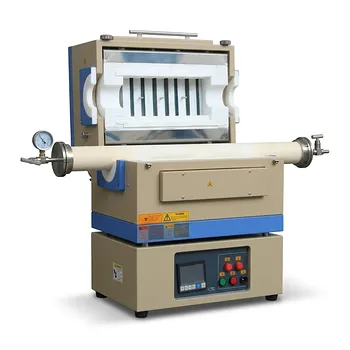
Why is Refractory Ceramic Fiber (RCF) selected for tube furnaces? Achieve High Thermal Efficiency & Precise Control
Updated 3 months ago
Refractory Ceramic Fiber (RCF) is the preferred insulation for high-temperature tube furnaces because it combines exceptional thermal stability with extremely low thermal conductivity. This unique combination allows furnaces to achieve precise temperature control, minimize energy loss, and withstand the rapid heating and cooling cycles required for advanced material processing.
RCF serves as a high-performance thermal barrier that ensures temperature uniformity while protecting the furnace's structural integrity. By minimizing "thermal inertia," it enables the rapid, controlled environment necessary for sensitive applications like Chemical Vapor Deposition (CVD) and crystal growth.
The Technical Advantages of RCF Insulation
Superior Thermal Stability and Resistance
RCF is engineered to maintain its physical form and insulating properties at extreme temperatures. It possesses high thermal shock resistance, meaning it can survive sudden temperature fluctuations without cracking or losing structural integrity.
Low Thermal Conductivity
The material's primary function is to act as a highly efficient barrier against heat transfer. By minimizing heat loss to the external environment, RCF ensures that energy is concentrated within the reaction zone, significantly enhancing overall energy efficiency.
Low Heat Storage
RCF has a low "thermal mass," which means it does not soak up and hold large amounts of heat. This allows the furnace to heat up and cool down rapidly, providing researchers and engineers with tighter control over the heating profile of their samples.
Enhancing Process Precision and Efficiency
Ensuring Temperature Uniformity
In processes like Chemical Vapor Deposition (CVD), even minor temperature gradients can ruin a thin-film coating. RCF helps maintain a stable temperature field along the length of the work tube, ensuring consistent results across the entire sample.
Protecting External Components
High-temperature furnaces often utilize induction coils or sensitive electronics that cannot withstand direct exposure to heat. RCF acts as a multi-layer thermal barrier that protects these external components from damage, even when internal temperatures exceed 2373K.
Maintaining Controlled Environments
Tube furnaces are often used to prevent oxidation or contamination by using vacuums or specific gas atmospheres. RCF’s chemical stability ensures it does not outgas or react with the materials being processed, safeguarding the purity of the final product.
Understanding the Trade-offs
Mechanical Vulnerability
RCF is a lightweight, fibrous material and is not designed for structural loads. It is physically fragile and must be contained within a rigid furnace shell to prevent sagging or mechanical damage over time.
Health and Safety Considerations
Because RCF is a ceramic fiber, it can release microscopic particles if handled improperly or if the material begins to degrade. Proper respiratory protection and handling protocols are mandatory to mitigate health risks associated with fiber inhalation.
Chemical Sensitivity
While RCF is generally stable, it can react with certain aggressive chemicals or fluxing agents at high temperatures. In specialized corrosive environments, it may require additional shielding or the use of specific refractory tubes made of molybdenum or tungsten.
Making the Right Choice for Your Goal
How to Apply This to Your Project
Selecting the right insulation configuration depends entirely on your specific thermal and atmospheric requirements.
- If your primary focus is rapid thermal cycling: RCF is the optimal choice due to its low thermal mass and high resistance to cracking during fast heat-up and cool-down phases.
- If your primary focus is extreme temperature stability (>1600°C): Look for multi-layer RCF designs that incorporate higher-grade refractory fillers to protect external induction coils.
- If your primary focus is ultra-pure material synthesis: Ensure the RCF is paired with a high-quality quartz or alumina work tube to prevent any potential fiber migration from contaminating your sample.
By leveraging the thermal efficiency and stability of RCF, you can ensure that your high-temperature processes remain precise, repeatable, and energy-efficient.
Summary Table:
| Key Feature | Benefit | Impact on Process |
|---|---|---|
| Low Thermal Conductivity | Minimal heat loss | Superior energy efficiency and lower costs |
| Low Thermal Mass | Rapid heating and cooling | Precise control over thermal profiles |
| Thermal Shock Resistance | Resists cracking | High durability during rapid cycling |
| Chemical Stability | No outgassing | Maintains high sample purity in CVD/R&D |
Optimize Your Lab’s Thermal Performance with THERMUNITS
Are you looking to enhance your research precision with advanced insulation technology? As a leading manufacturer of high-temperature laboratory equipment, THERMUNITS specializes in high-performance thermal solutions tailored for material science and industrial R&D.
From Tube, Muffle, and Vacuum furnaces to specialized CVD/PECVD systems, Rotary Kilns, and Vacuum Induction Melting (VIM) furnaces, we provide the tools you need for consistent, repeatable results. Our RCF-insulated systems ensure exceptional temperature uniformity and energy efficiency for even the most demanding applications.
Ready to upgrade your thermal processing capabilities? Contact our technical experts today to find the perfect solution for your project!
References
- Nina Z. Janković, Desirée L. Plata. Particles in a box: novel design and evaluation of an adaptable engineering control enclosure for a common split tube furnace to eliminate occupational exposure to refractory ceramic insulation fibers. DOI: 10.1039/d3en00041a
Mentioned Products
- Dual Zone Rotary Tube Furnace for Uniform Powder Calcination 1000C 2 Inch Quartz Tube
- 1250 C Compact Vertical Box Furnace for Glovebox Material Research Air Sensitive Samples
- 1200°C 5 Inch Vertical Quartz Tube Furnace with Stainless Steel Vacuum Flanges
- High Temperature Benchtop Muffle Furnace 1700C 10L Chamber Alumina Fiber Insulation MoSi2 Heating Elements
- Vertical 1700C Vacuum and Atmosphere Tube Furnace with 80mm Alumina Tube
People Also Ask
- How does a high-precision dual-zone furnace control the structure of nickel-telluride nanoparticles during VS reactions?
- How do internal alternating plates guide particle movement in a rotary furnace? Optimize Heat Exchange & Flow Control
- How does rotational angular velocity impact rotary furnace performance? Optimize Throughput and Thermal Accuracy
- How does the baffle angle affect particle flow in a rotary calcination furnace? Master Flow & Heat Efficiency
- What is the primary function and operating principle of a rotary furnace? Maximize Thermal Processing Efficiency

Tech Team · ThermUnits
Last updated on Jun 03, 2026
Related Products
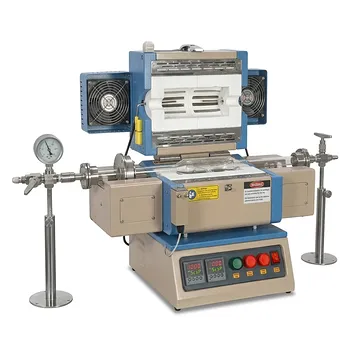
Dual Zone Rotary Tube Furnace for Uniform Powder Calcination 1000C 2 Inch Quartz Tube
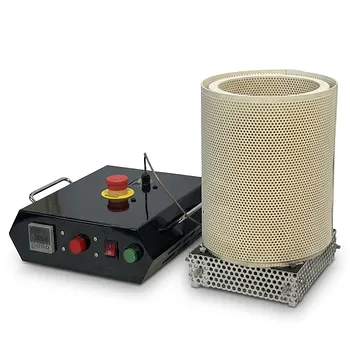
1250 C Compact Vertical Box Furnace for Glovebox Material Research Air Sensitive Samples
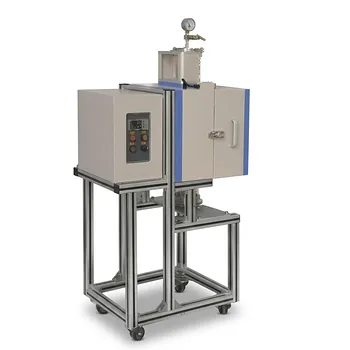
1200°C 5 Inch Vertical Quartz Tube Furnace with Stainless Steel Vacuum Flanges
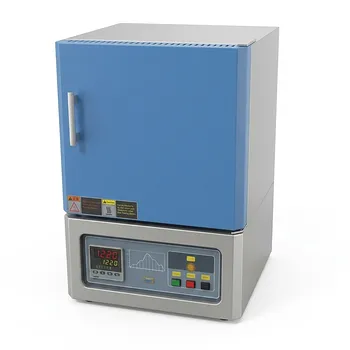
High Temperature Benchtop Muffle Furnace 1700C 10L Chamber Alumina Fiber Insulation MoSi2 Heating Elements

Vertical 1700C Vacuum and Atmosphere Tube Furnace with 80mm Alumina Tube
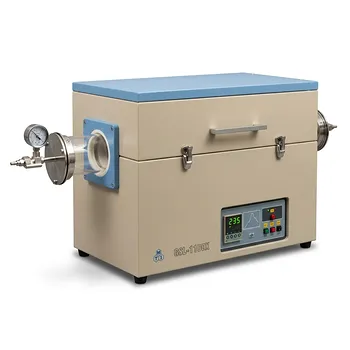
Single Zone Tube Furnace 5 Inch Quartz Tube 36 Inch Heating Zone Vacuum Flanges
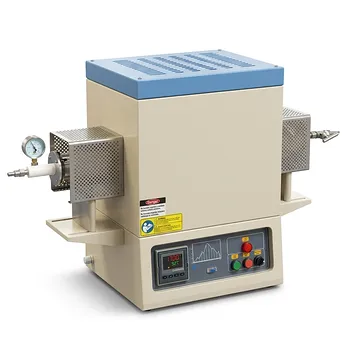
High Temperature Three Zone Tube Furnace 1700C with Alumina Tube and Water Cooled Flanges
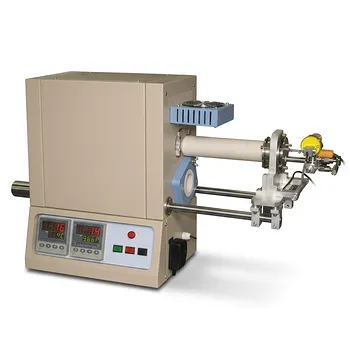
High Temperature Tube Furnace 1500C with Sliding Flanges and 50mm OD for Rapid Thermal Processing Fast Heating and Cooling
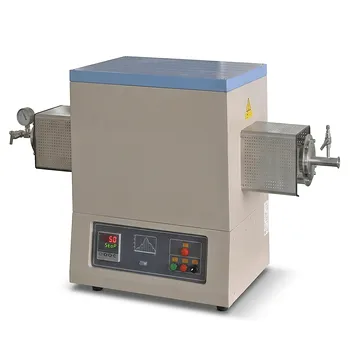
High Temperature 1700C Tube Furnace with 4 Inch OD Alumina Tube and Vacuum Sealing Flanges
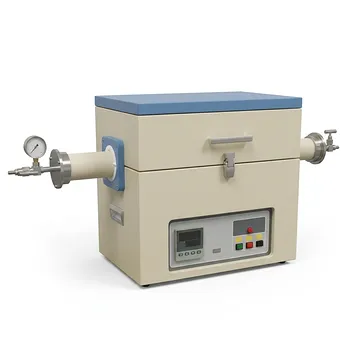
1250C Split Tube Furnace with 3 Inch Mullite Tube and Vacuum Sealing Flanges for Precision Thermal Processing

Compact High Temperature 1600C Tube Furnace with 50mm Alumina Tube and Vacuum Flanges for Material Sintering
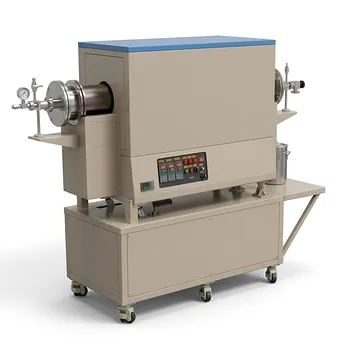
900°C Max Rotary Tube Furnace with 8 Inch 310S Alloy Tube and Optional Multi Zone Heating for Industrial Material Calcination
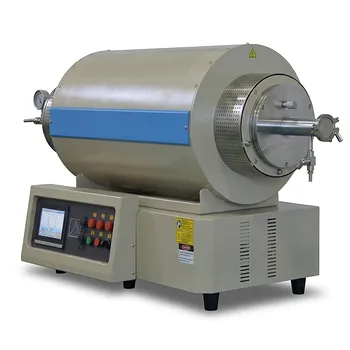
1200C Max Three Zone Tube Furnace 6 Inch OD Max with Tube and Flange

High Temperature 1700C Benchtop Tube Furnace with 5 Inch Heating Zone High Purity Alumina Tube and Vacuum Sealing Flanges
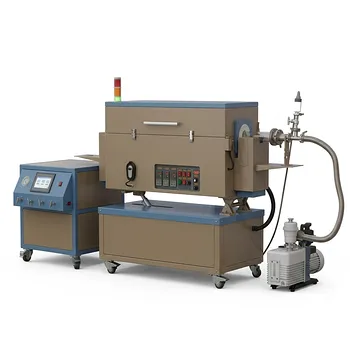
5 Inch Three Zone Rotary Tube Furnace with Integrated Gas Delivery System and 1200C Capability for Advanced Material CVD Processing

1800C High Temperature Compact Vacuum Tube Furnace with 60mm OD Alumina Tube and Kanthal MoSi2 Heating Elements
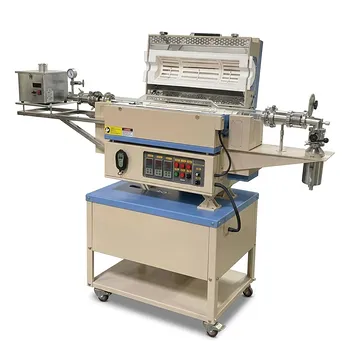
5 Inch Rotary Tube Furnace with Automatic Feeding and Receiving System 1200C Three Zone CVD Powder Processing

High Temperature 1700C Vertical Tube Furnace for Powder Spherification and Material Sintering
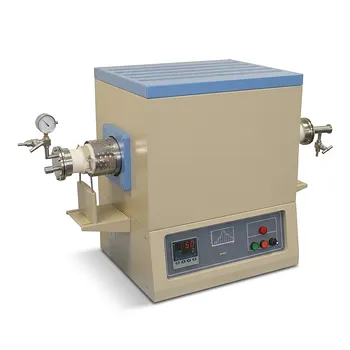
1700C High Temperature Alumina Tube Furnace with 18 Inch Heated Zone and Vacuum Sealing Flanges