Why is atmosphere control critical for N-doped carbon nanospheres? Mastering High-Temp Material Synthesis
Updated 3 months ago
Atmosphere control is the "gatekeeper" of material integrity. During the synthesis of mesoporous nitrogen-doped carbon nanospheres, the atmosphere control system prevents the total oxidative combustion of the carbon framework while enabling the precise incorporation of nitrogen heteroatoms into the matrix. By meticulously managing gas transitions between nitrogen and argon, the system ensures the material retains its designed porosity, surface chemistry, and electrical conductivity at temperatures exceeding 1000°C.
Core Takeaway: Effective atmosphere control is critical because it transitions the environment from a functional doping stage (using Nitrogen) to a pure protective stage (using Argon) to prevent the irreversible oxidation of carbon nanospheres and the degradation of their mesoporous architecture.
Maintaining the Chemical Integrity of Doped Structures
Retaining Heteroatoms at High Temperatures
Between 1000°C and 1500°C, a continuous flow of nitrogen is vital for maintaining the heteroatom content within the carbon matrix. This specific environment allows nitrogen atoms to be successfully incorporated into the carbon network, which is essential for creating the active sites required for electrochemical applications.
Preventing Oxidation at Ultra-High Temperatures
When temperatures reach 1700°C or higher, the system must switch to high-purity argon flow. Unlike nitrogen, which can become reactive under extreme thermal stress, argon provides a strictly inert environment that prevents the oxidation of carbon nanospheres and protects the furnace’s internal heating elements from chemical damage.
Regulating Surface Chemical Properties
Precise control ensures the purity of the surface chemical properties by isolating the precursors from oxygen. This isolation prevents unwanted side reactions that could alter the material's surface charge or its ability to adsorb specific ions in downstream applications.
Engineering Pore Structure and Graphitization
Protecting the Mesoporous Architecture
The atmosphere control system displaces oxygen to prevent the carbon material from undergoing combustion or mass loss. This protection is what allows for the construction of stable mesoporous structures, which provide the high specific surface area necessary for high-performance electrodes.
Facilitating Thermal Rearrangement
An oxygen-free environment is necessary for the thermal rearrangement of nitrogen atoms and the graphitization of the carbon structure. This process significantly enhances the material's electrical conductivity and ensures the formation of distinct, functional pore structures rather than a collapsed carbon mass.
Controlling Chemical Etching and Activation
In processes involving activation agents like potassium hydroxide (KOH), the atmosphere control system maintains the specific temperature and inertness required for controlled chemical etching. This allows for the precise development of micro- and mesopores without the uncontrolled "burning off" of the carbon framework.
Understanding the Trade-offs and Pitfalls
The Nitrogen Reactivity Risk
While nitrogen is an effective doping agent at moderate temperatures, it is not a "universal" inert gas. At extreme temperatures, nitrogen can interact with certain precursors or substrates, making the switch to Argon a critical, yet often overlooked, operational necessity.
Flow Rate Volatility
Inconsistent gas flow rates can lead to localized oxygen ingress or uneven heat distribution. This instability often results in non-uniform pore distribution or the formation of coarse particles (such as titanium dioxide if a metal substrate is used), which compromises the conductivity of the final product.
Contamination from Impure Gases
Using lower-grade "industrial" gases rather than high-purity (99.999%) variants can introduce trace oxygen or moisture. Even minute amounts of oxygen at 1000°C+ can trigger the uncontrolled oxidation of active defect sites, effectively neutralizing the benefits of nitrogen doping.
Optimizing Your Atmosphere Control Strategy
To achieve the best results during high-temperature treatment, your gas management strategy should align with your specific material goals.
- If your primary focus is Maximum Nitrogen Content: Maintain a steady nitrogen flow up to 1500°C to ensure the nitrogen atoms are deeply embedded in the carbon lattice before any structural "locking" occurs.
- If your primary focus is High Graphitization and Conductivity: Transition to high-purity argon at the earliest possible threshold above 1500°C to allow for high-temperature sintering without the risk of nitrogen-related side reactions.
- If your primary focus is Ultra-High Surface Area: Prioritize a high, stable flow rate of nitrogen during the 700°C to 900°C range to facilitate the decomposition of templates and precise etching of the pore walls.
Mastering the transition between reactive doping environments and strictly inert protective phases is the definitive factor in producing high-quality mesoporous nitrogen-doped carbon.
Summary Table:
| Temperature Range | Preferred Gas | Core Objective |
|---|---|---|
| 1000°C - 1500°C | Nitrogen (N2) | Facilitate heteroatom doping & chemical integrity |
| Above 1700°C | Argon (Ar) | Prevent oxidation & protect heating elements |
| Cooling/Transition | High-Purity Gas | Preserve mesoporous architecture & surface charge |
Elevate Your Research Precision with THERMUNITS
Achieving the perfect atmosphere transition is vital for high-performance material synthesis. THERMUNITS is a leading manufacturer of high-temperature laboratory equipment specifically designed for material science and industrial R&D.
We offer a comprehensive range of thermal solutions, including Tube, Vacuum, Atmosphere, Muffle, and Rotary furnaces, as well as advanced CVD/PECVD systems and Vacuum Induction Melting (VIM) units. Our equipment provides the stable, high-purity environments necessary to protect your mesoporous structures and enhance electrical conductivity.
Ready to optimize your heat treatment process? Contact us today to discover how our high-precision systems can support your next breakthrough.
References
- Alexander Rützler, Anna Fischer. Mesoporous N‐Doped Carbon Nanospheres as Anode Material for Sodium Ion Batteries with High Rate Capability and Superior Power Densities. DOI: 10.1002/adfm.202401188
Mentioned Products
- Vertical 1700C Vacuum and Atmosphere Tube Furnace with 80mm Alumina Tube
- Compact High Temperature 1600C Tube Furnace with 50mm Alumina Tube and Vacuum Flanges for Material Sintering
- 900°C Max Rotary Tube Furnace with 8 Inch 310S Alloy Tube and Optional Multi Zone Heating for Industrial Material Calcination
- Split Vertical Tube Furnace with 1200C Quartz Tube and Stainless Steel Vacuum Flanges for Rapid Thermal Processing
- High Temperature 1700C Tube Furnace with High Vacuum Turbomolecular Pump System and Multi Channel Mass Flow Controller Gas Mixer
People Also Ask
- How is an industrial-grade vertical tube furnace utilized in smelting leaching residues? Enhance Metal Recovery Efficiency
- What is the function of a laboratory-grade vertical tube furnace in fast pyrolysis? Optimize Composite Research.
- How does a vertical tube furnace facilitate thermoelectric alloy melting? Precision synthesis for material homogeneity.
- Why is a thermocouple sensor indispensable for monitoring the vertical tube furnace during gallium oxide nanowire production? Optimize VLS Growth
- What are the advantages of using a vertical tube furnace for crucible experiments simulating steel-slag interactions?

Tech Team · ThermUnits
Last updated on Jun 02, 2026
Related Products

Vertical 1700C Vacuum and Atmosphere Tube Furnace with 80mm Alumina Tube

Compact High Temperature 1600C Tube Furnace with 50mm Alumina Tube and Vacuum Flanges for Material Sintering
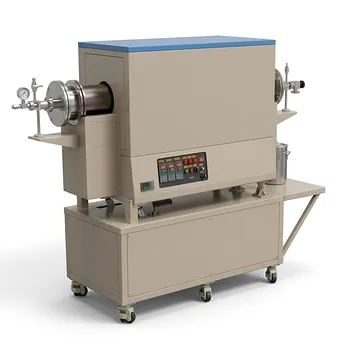
900°C Max Rotary Tube Furnace with 8 Inch 310S Alloy Tube and Optional Multi Zone Heating for Industrial Material Calcination
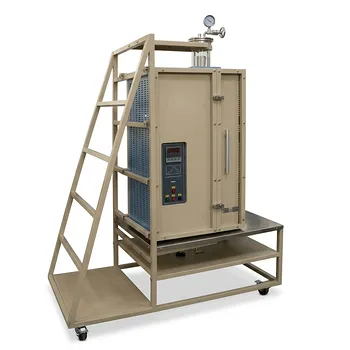
Split Vertical Tube Furnace with 1200C Quartz Tube and Stainless Steel Vacuum Flanges for Rapid Thermal Processing

High Temperature 1700C Tube Furnace with High Vacuum Turbomolecular Pump System and Multi Channel Mass Flow Controller Gas Mixer

1100C Tube Furnace with Vacuum Flange and Programmable Temperature Controller for Material Science and Industrial Heat Treatment
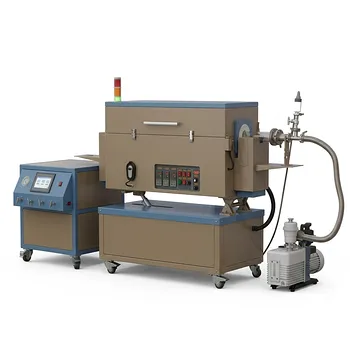
5 Inch Three Zone Rotary Tube Furnace with Integrated Gas Delivery System and 1200C Capability for Advanced Material CVD Processing

1700C Hydrogen Gas Tube Furnace with 60mm Alumina Process Tube and Integrated Hydrogen Safety Detector

1200°C 5 Inch Vertical Quartz Tube Furnace with Stainless Steel Vacuum Flanges

High Temperature 1700C Six Zone Split Tube Furnace with Alumina Tube and Water Cooled Flanges

Compact Vertical Split Quartz Tube Furnace with Stainless Steel Vacuum Flanges for Rapid Thermal Quenching and Controlled Atmosphere Material Processing

High Temperature 1700C Benchtop Tube Furnace with 5 Inch Heating Zone High Purity Alumina Tube and Vacuum Sealing Flanges

1200C High Throughput Multi Channel Tube Furnace with 50mm Quartz Tubes for Annealing and Material Phase Diagram Research
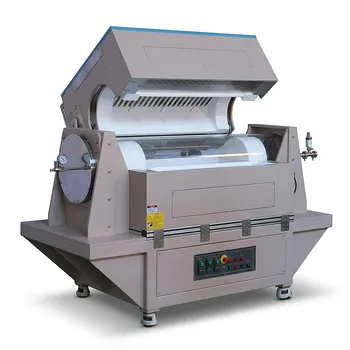
Three Zone Tube Furnace with 11 Inch or 15 Inch Quartz Tube and Hinged Flanges for Vacuum Atmosphere Heat Treatment

1800C High Temperature Compact Vacuum Tube Furnace with 60mm OD Alumina Tube and Kanthal MoSi2 Heating Elements

High Temperature 1700C Vertical Tube Furnace for Powder Spherification and Material Sintering
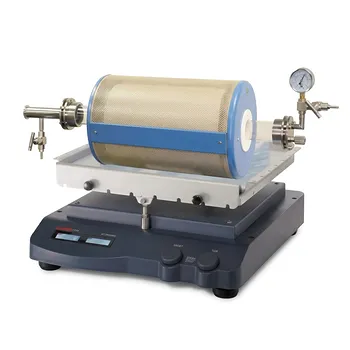
High Temperature Rocking Tube Furnace with Quartz Tube and Vacuum Flange for Materials Synthesis

High Temperature Automated 5 Inch Tube Furnace for Autonomous Material Research and Advanced Laboratory R&D
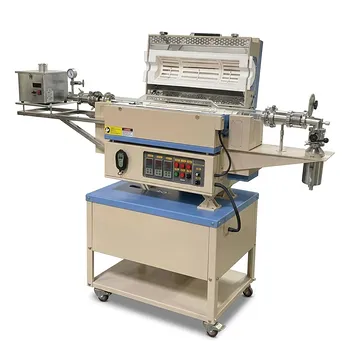
5 Inch Rotary Tube Furnace with Automatic Feeding and Receiving System 1200C Three Zone CVD Powder Processing