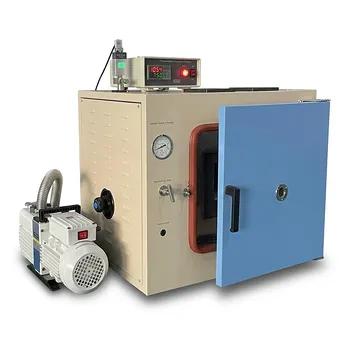
Why is the programmed temperature control of a vacuum furnace essential for NAB? Ensure Phase Stability & Density.
Updated 3 months ago
The programmed temperature control function of a vacuum sintering furnace is the critical mechanism for ensuring the structural integrity and phase stability of Nickel-Aluminum Bronze (NAB) composites. This system allows for a precise two-stage heating profile—typically holding at 630°C and 930°C—which is necessary to manage gas evacuation and solid-phase diffusion. By strictly regulating heating rates and holding times, the system prevents material defects while ensuring the uniform transformation of complex metallurgical phases.
Core Takeaway: Programmed temperature control transforms sintering from a basic heating process into a precision metallurgical tool. It enables the exact timing and thermal energy required to remove residual gases and drive the diffusion kinetics necessary for a dense, high-performance NAB composite.
Managing Gas Escape and Structural Integrity
Facilitating Residual Gas Removal
During the initial stages of sintering, residual gases trapped within the compact must be allowed to escape before pores close. The programmed system holds the temperature at specific intervals, such as 630°C, to provide sufficient time for these gases to discharge without damaging the internal structure.
Mitigating Thermal Stress and Cracking
The heating rate directly influences the evolution of the material's microstructure and its physical stability. A controlled, slow heating rate (typically 0.5–1.0°C/min) prevents the significant thermal stress that can lead to cracks or material "bloating" caused by the rapid expansion of trapped gases.
Ensuring Smooth Volumetric Shrinkage
By avoiding excessive heating rates, the programmed control ensures that pore closure occurs uniformly. This leads to controlled volumetric shrinkage, which is essential for achieving the high-density requirements of professional-grade NAB components.
Precise Regulation of Solid-Phase Diffusion
Controlling Phase Transformations
NAB composites rely on the precise balance of kappa, alpha, and beta-prime martensite phases to achieve their famous mechanical properties. The programmed control system regulates the energy input required for these transformations, ensuring that each phase precipitates and transforms according to the engineered specification.
Driving Diffusion Kinetics
At the higher temperature stage (e.g., 930°C), the furnace maintains a precise thermal environment to facilitate solid-state diffusion. This allows alloying elements to move across particle boundaries, forming the "sintering necks" that bind the composite into a singular, cohesive mass.
Optimizing Chemical Purity
The combination of programmed timing and a high-vacuum environment (often 10⁻⁴ torr) prevents the oxidation of active elements like aluminum and iron. This ensures that the chemical reactions occur thoroughly and uniformly throughout the body of the material without interference from atmospheric contaminants.
Understanding the Trade-offs and Challenges
Accuracy vs. Production Speed
While slow heating rates are essential for preventing defects like cracking and swelling, they significantly increase the total processing time. Engineers must balance the need for microstructural perfection with the economic realities of longer furnace cycles and increased energy consumption.
Complexity of Programming
Multi-stage sintering requires a deep understanding of the specific material's thermal behavior. Incorrectly programmed holding stages can lead to insufficient diffusion bonding or, conversely, local overheating that may cause grain growth and degrade the mechanical strength of the final composite.
Sensitivity to Volatile Elements
In some alloy systems, maintaining high temperatures for too long can lead to the sublimation or loss of volatile elements. The programmed control must be calibrated to ensure full diffusion occurs before the compositional ratio of the alloy is compromised by excessive heat exposure.
Applying Precise Control to Your Objectives
To achieve the best results with NAB sintering, your approach should vary based on your primary technical requirement.
- If your primary focus is Maximum Density: Prioritize the high-temperature holding stage to ensure complete solid-phase diffusion and the full development of sintering necks.
- If your primary focus is Dimensional Accuracy: Focus on a slow, programmed heating rate of 0.5–1.0°C/min to prevent thermal stress-induced warping and bloating.
- If your primary focus is Mechanical Consistency: Implement strict two-stage programming (630°C and 930°C) to precisely regulate the transformation of kappa and alpha phases.
Mastering the programmed thermal profile of your vacuum furnace is the definitive step in moving from experimental sintering to the production of high-performance, industrial-grade composites.
Summary Table:
| Sintering Stage | Key Function | Typical Parameters | Critical Outcome |
|---|---|---|---|
| Stage 1 (630°C) | Gas Evacuation | 0.5–1.0°C/min | Prevents cracking & bloating |
| Stage 2 (930°C) | Diffusion Bonding | Precise thermal holding | High density & sintering necks |
| Environment | Oxidation Control | 10⁻⁴ torr Vacuum | Chemical purity & phase balance |
| Cooling | Stress Management | Controlled ramp-down | Structural integrity & stability |
Elevate Your Material Research with THERMUNITS Precision
Achieving the perfect metallurgical phase in NAB composites requires more than just heat; it requires absolute control. As a leading manufacturer of high-temperature laboratory equipment for material science and industrial R&D, THERMUNITS offers a comprehensive range of thermal processing solutions.
Our advanced Vacuum, Atmosphere, and Tube furnaces are engineered with sophisticated programmed temperature control to manage complex multi-stage sintering processes with ease. Whether you need Muffle, Rotary, or Hot Press furnaces, CVD/PECVD systems, or Vacuum Induction Melting (VIM) furnaces, we provide the reliability and precision your lab demands.
Ready to optimize your thermal processing? Contact our experts today to find the ideal furnace for your specific application and drive your R&D forward!
References
- Shahad Ali Hammood, Haydar Al-Ethari. A Tribological Study on NAB-Y2O3-CNT Composite prepared by the Powder Metallurgy Method. DOI: 10.48084/etasr.8150
Mentioned Products
- High Temperature Vacuum Lamination Hot Press Furnace Machine for Semiconductor Wafer Bonding and Advanced Composite Thermal Processing
- High Vacuum Pressure Chamber Furnace 800C 3.5 Bar Sintering System for Superconducting Materials
- High Pressure 600T Vacuum Induction Hot Press Furnace for Advanced Material Heat Treatment and Sintering
- Compact High Temperature 1600C Tube Furnace with 50mm Alumina Tube and Vacuum Flanges for Material Sintering
- High Temperature 1000C Vacuum Furnace with 8 Inch ID Chamber for Material Sintering and Research Annealing
People Also Ask
- What types of heating systems and insulation are used in Vacuum Hot Press Furnaces? Optimize Your Thermal Processing
- What is a Vacuum Hot Press Furnace and what are its primary industrial applications? Achieve Maximum Material Density
- What are the structural features of the furnace body and chamber in a Vacuum Hot Press Furnace? Master Material Density
- Why is graphite the preferred material for dies and heating elements in Vacuum Hot Press Furnaces? High-Temp Solutions
- What are the primary operational components and mechanisms of a vacuum hot press furnace? A Technical Breakdown

Tech Team · ThermUnits
Last updated on Jun 03, 2026
Related Products
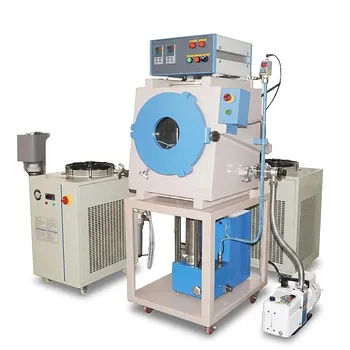
High Temperature Vacuum Lamination Hot Press Furnace Machine for Semiconductor Wafer Bonding and Advanced Composite Thermal Processing
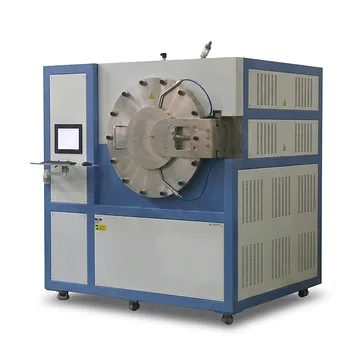
High Vacuum Pressure Chamber Furnace 800C 3.5 Bar Sintering System for Superconducting Materials
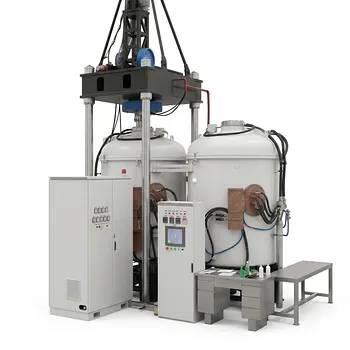
High Pressure 600T Vacuum Induction Hot Press Furnace for Advanced Material Heat Treatment and Sintering

Compact High Temperature 1600C Tube Furnace with 50mm Alumina Tube and Vacuum Flanges for Material Sintering
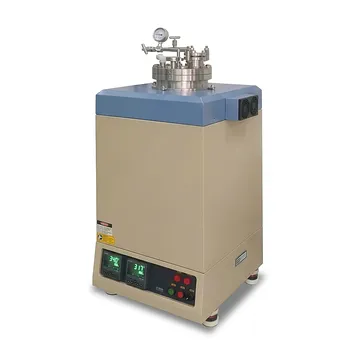
High Temperature 1000C Vacuum Furnace with 8 Inch ID Chamber for Material Sintering and Research Annealing
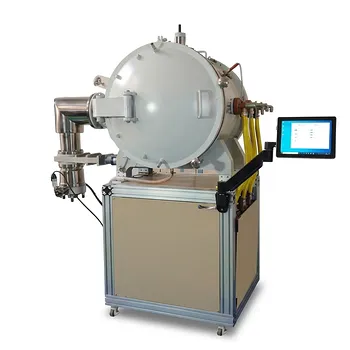
High Temperature Cold Wall Vacuum Furnace for Advanced Material Sintering and Annealing 1600C Heating Area 200x200x300mm
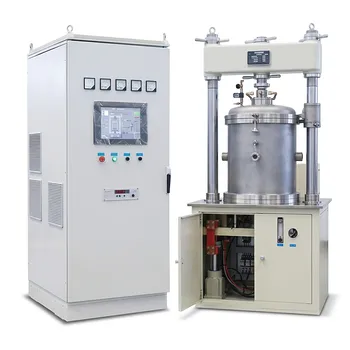
Industrial Vacuum Hot Press Furnace Machine and High Temperature Heated Vacuum Press for Advanced Material Sintering
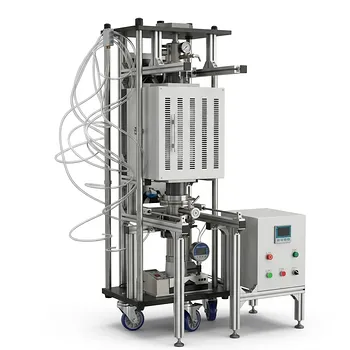
Industrial High Temperature Vacuum Hot Press Furnace and Heated Vacuum Press Machine for Material Science Sintering
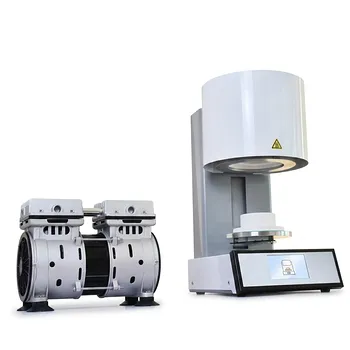
Vacuum Dental Porcelain Sintering Furnace for High Precision Ceramic Restorations
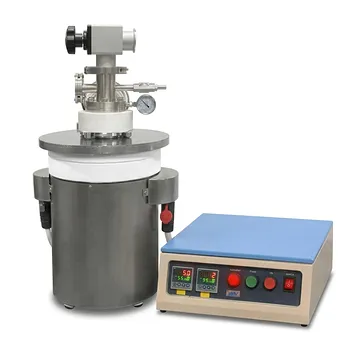
1100C High Temperature Vacuum Crucible Furnace with Quartz Chamber for Thermal Processing and Sintering
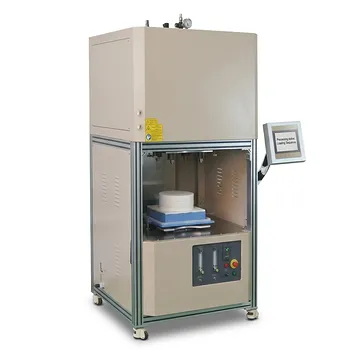
High Temperature Vertical Atmosphere Controlled Furnace with Automatic Bottom Loading and 1700°C Capacity for Advanced Material Research
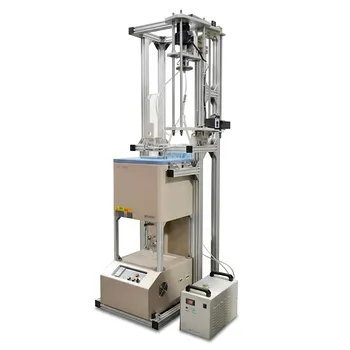
500C Vacuum Vertical Tube Furnace 84mm OD Sample Rotation Lifting System

High Temperature 1700C Vertical Tube Furnace for Powder Spherification and Material Sintering
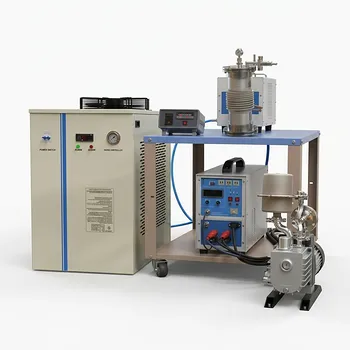
Induction Heating System with Temperature Control for High Temperature Vacuum Sintering and Melting
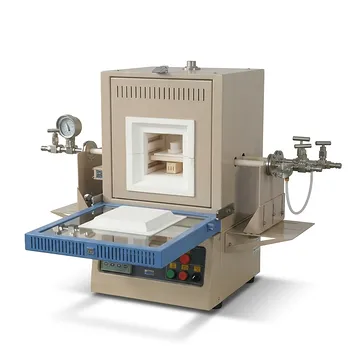
1700C Compact Hybrid Furnace with Dual Layer Box Sintering and Controlled Atmosphere Alumina Tubes
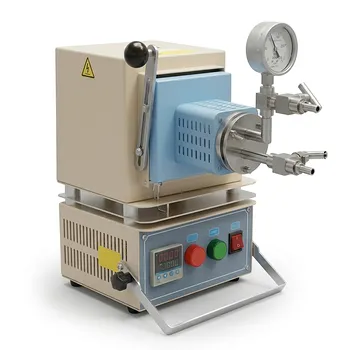
Compact Hybrid Muffle and Tube Furnace for 1000C Controlled Atmosphere Laboratory Material Sintering
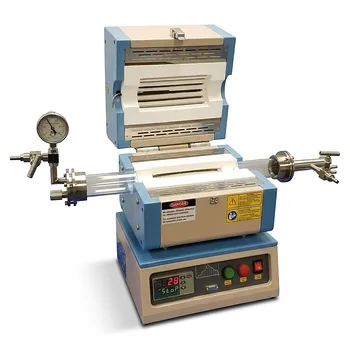
Compact Split Tube Furnace with Integrated Vacuum System and Precision Temperature Calibrator
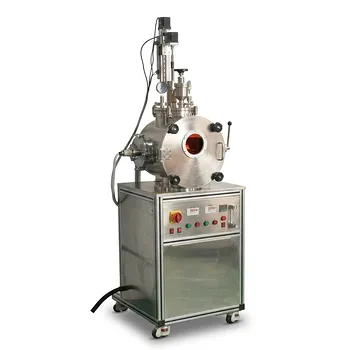
High Vacuum Melting Casting Furnace with Mechanical Stirring and Secondary Charge for Metallic Alloy Research

1800C High Temperature Compact Vacuum Tube Furnace with 60mm OD Alumina Tube and Kanthal MoSi2 Heating Elements