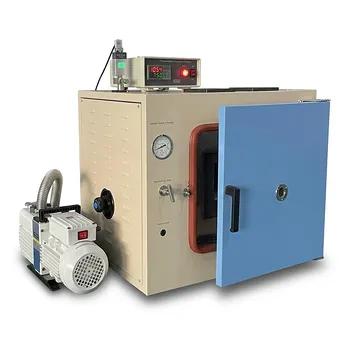
Why is vacuum processing critical for the manufacturing of medical implants? Ensure Purity and Biocompatibility
Updated 5 months ago
Vacuum processing is the non-negotiable standard for medical implant manufacturing because it eliminates atmospheric contaminants that would otherwise compromise the biological safety and structural integrity of the device. By operating in an oxygen-free environment, manufacturers prevent surface oxidation and hydrogen embrittlement, ensuring that materials like titanium and Nitinol remain strong, ductile, and capable of integrating safely with human tissue.
Vacuum processing acts as a critical safeguard, ensuring that life-critical implants possess the chemical purity and mechanical durability required to function within the human body without causing adverse reactions or structural failure.
Protecting Biological Safety and Osseointegration
Eliminating Surface Oxidation
In a standard atmosphere, reactive metals used in implants—such as titanium and cobalt-chromium—oxidize instantly. Vacuum furnaces create an oxygen-free environment that prevents the formation of these unwanted oxide layers.
This results in a "clean" surface that is essential for biocompatibility, ensuring the body does not recognize the implant as a harmful foreign object.
Improving Bone Bonding
The success of an orthopedic implant often depends on osseointegration, the process where bone grows directly into the implant surface.
Vacuum-processed parts maintain a superior surface integrity that encourages this bone growth. By removing impurities, the process reduces the risk of post-surgical infections and long-term implant rejection.
Maintaining Mechanical Integrity and Longevity
Preventing Material Embrittlement
Reactive metals are highly susceptible to absorbing gases like hydrogen and oxygen during heating, which leads to embrittlement.
Vacuum processing protects the metal's ductility and strength, ensuring the implant can withstand the physical stresses of daily movement. This is particularly vital for load-bearing implants like hip and knee replacements.
Enhancing Fatigue Performance and Phase Stability
For devices like cardiovascular stents or surgical instruments, fatigue performance is a matter of life and death.
Vacuum environments ensure consistent phase stability, meaning the metal's internal structure remains uniform. This uniformity prevents microscopic cracks from forming, allowing the implant to endure millions of cycles of stress inside the body.
Material Purity and Corrosion Resistance
The Role of Vacuum Induction Melting (VIM)
To create high-performance alloys like Nitinol or specialized stainless steels, manufacturers utilize Vacuum Induction Melting (VIM).
VIM eliminates atmospheric gases and volatile impurities at the molecular level, producing ultra-high-purity alloys. This purity is the foundation for all subsequent manufacturing steps, ensuring the base material is free of defects.
Resilience in Corrosive Bodily Fluids
The human body is a highly corrosive environment for metals due to the presence of salts and proteins.
Vacuum-processed materials exhibit superior corrosion resistance, preventing the release of metallic ions into the bloodstream. This stability is critical for preventing adverse biological reactions and ensuring the implant lasts for decades.
Understanding the Trade-offs
High Capital and Operational Costs
Vacuum processing equipment is significantly more expensive to purchase and maintain than traditional atmospheric furnaces. The need for high-vacuum pumps and specialized cooling systems increases the total cost of production.
Increased Cycle Times
Achieving a deep vacuum and managing controlled cooling rates can lead to longer processing cycles. This throughput limitation requires careful production planning and can increase the lead time for specialized medical components.
Specialized Expertise Required
Operating vacuum systems requires highly trained technicians to prevent leaks and ensure consistent atmospheric control. Any minor breach in the vacuum seal can lead to a scrapped batch of parts, making quality control both more difficult and more critical.
Applying Vacuum Processing to Your Manufacturing Goals
Recommendations for Implementation
- If your primary focus is orthopedic load-bearing: Prioritize vacuum heat treatment to maximize the fatigue strength and ductility of titanium components.
- If your primary focus is cardiovascular devices: Utilize Vacuum Induction Melting (VIM) to ensure the ultra-high purity required for the shape-memory properties of Nitinol.
- If your primary focus is dental or small-scale implants: Focus on vacuum-sealed sintering to achieve high surface integrity and reduce the risk of localized infection.
By leveraging the controlled environment of a vacuum, manufacturers transform reactive metals into life-saving medical devices that are as durable as they are biologically safe.
Summary Table:
| Key Benefit | Technical Mechanism | Impact on Implant Success |
|---|---|---|
| Biological Safety | Eliminates oxygen/surface oxidation | Enhances biocompatibility and osseointegration |
| Structural Strength | Prevents hydrogen/oxygen embrittlement | Ensures ductility and fatigue resistance for load-bearing |
| Material Purity | Vacuum Induction Melting (VIM) | Produces ultra-high-purity alloys like Nitinol |
| Durability | Phase stability & corrosion resistance | Prevents metallic ion release and structural failure |
Elevate Your Medical Implant Manufacturing with THERMUNITS
Precision and purity are non-negotiable in the production of life-critical medical devices. THERMUNITS is a leading manufacturer of high-temperature laboratory equipment, providing the advanced thermal solutions necessary to meet rigorous medical standards.
Our comprehensive range includes Vacuum Furnaces, Vacuum Induction Melting (VIM) Furnaces, and Atmosphere Furnaces designed specifically for high-performance materials like Titanium, Nitinol, and Cobalt-Chromium. Whether you are conducting material science R&D or industrial-scale production, our equipment ensures superior phase stability and contamination-free processing.
Ready to enhance your implant durability and biocompatibility?
Contact our expert team today to find the perfect vacuum or induction solution for your lab or production facility.
Mentioned Products
- High Temperature Dual Zone Vacuum Tube Furnace for Material Research and CVD Processing
- 1100C High Temperature Vacuum Crucible Furnace with Quartz Chamber for Thermal Processing and Sintering
- High Temperature Vacuum Lamination Hot Press Furnace Machine for Semiconductor Wafer Bonding and Advanced Composite Thermal Processing
- High Temperature Cold Wall High Vacuum Chamber Furnace 1400C for Advanced Material Processing
- Vertical Vacuum Furnace 1100C High Temperature 8 Inch Quartz Chamber Water Cold Flange System
People Also Ask
- What are the primary technical advantages of using a dual-zone tube furnace for MoS2? Optimize CVD Precision & Yield
- What is the primary function of an industrial-grade dual-zone tube furnace? Mastering CuInP2S6 CVT Crystal Growth
- What are the advantages of using a dual-zone tube furnace for MoS2 CVD? Optimize Precursor Control and Material Quality
- Purpose of the reverse gradient step in CVT growth? Master Crystal Purity with Dual-Zone Furnaces
- What are the technical advantages of using a dual-zone tube furnace for growing large PdCoO2 crystals via CVT? Expert Tips

Tech Team · ThermUnits
Last updated on Apr 14, 2026
Related Products
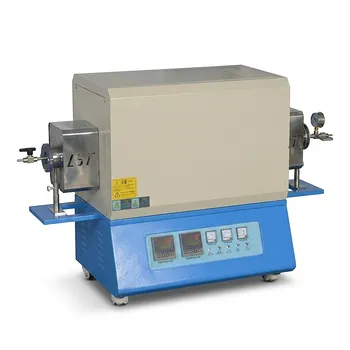
High Temperature Dual Zone Vacuum Tube Furnace for Material Research and CVD Processing
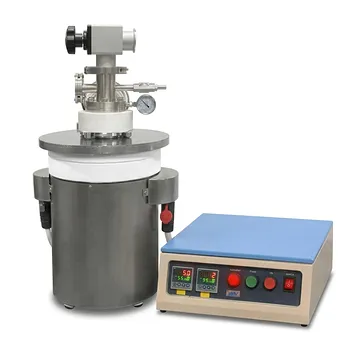
1100C High Temperature Vacuum Crucible Furnace with Quartz Chamber for Thermal Processing and Sintering
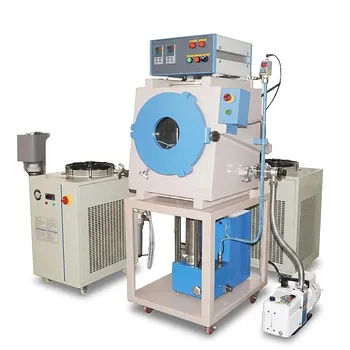
High Temperature Vacuum Lamination Hot Press Furnace Machine for Semiconductor Wafer Bonding and Advanced Composite Thermal Processing
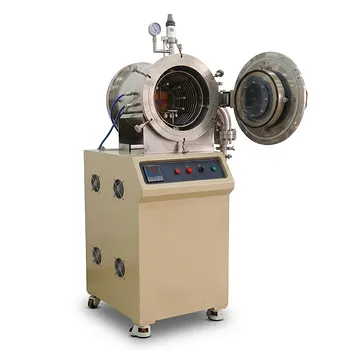
High Temperature Cold Wall High Vacuum Chamber Furnace 1400C for Advanced Material Processing
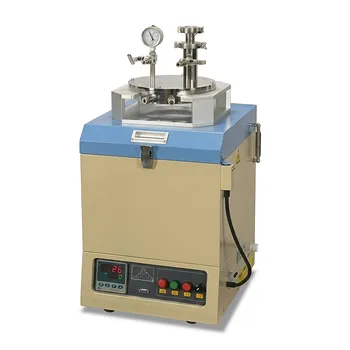
Vertical Vacuum Furnace 1100C High Temperature 8 Inch Quartz Chamber Water Cold Flange System

Compact Vertical Split Quartz Tube Furnace with Stainless Steel Vacuum Flanges for Rapid Thermal Quenching and Controlled Atmosphere Material Processing
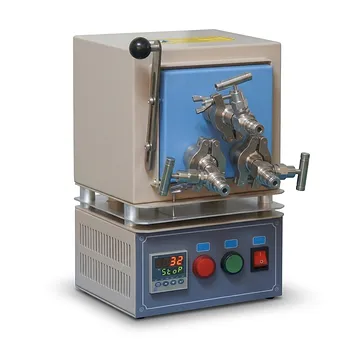
Triple Tube Compact Hybrid Muffle Furnace 1000C High Vacuum Thermal Processing System
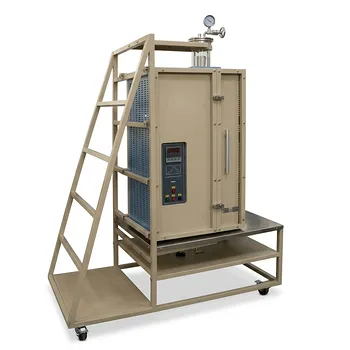
Split Vertical Tube Furnace with 1200C Quartz Tube and Stainless Steel Vacuum Flanges for Rapid Thermal Processing
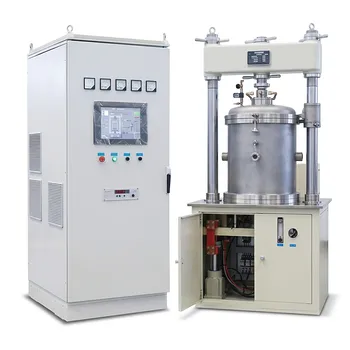
Industrial Vacuum Hot Press Furnace Machine and High Temperature Heated Vacuum Press for Advanced Material Sintering
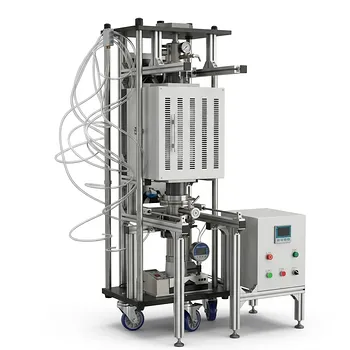
Industrial High Temperature Vacuum Hot Press Furnace and Heated Vacuum Press Machine for Material Science Sintering
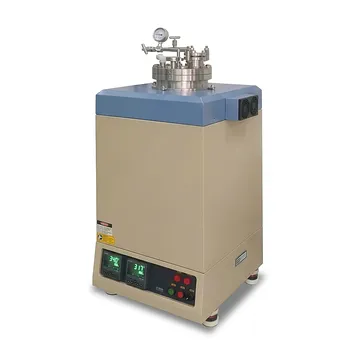
High Temperature 1000C Vacuum Furnace with 8 Inch ID Chamber for Material Sintering and Research Annealing
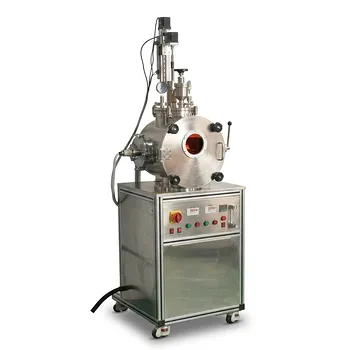
High Vacuum Melting Casting Furnace with Mechanical Stirring and Secondary Charge for Metallic Alloy Research
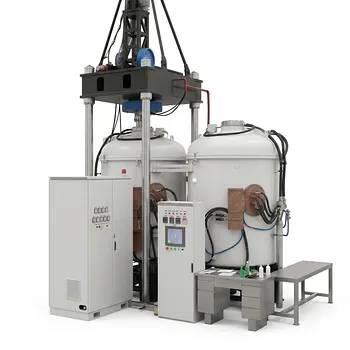
High Pressure 600T Vacuum Induction Hot Press Furnace for Advanced Material Heat Treatment and Sintering
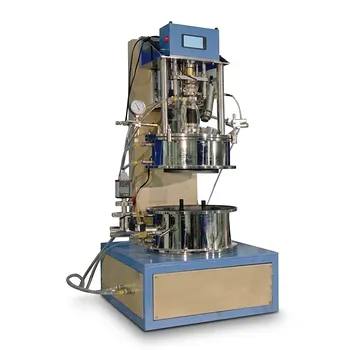
2500C High Vacuum Ultrafast Heating Pellet Press with Automated 8 Sample Loading System
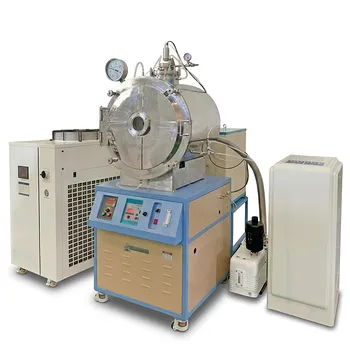
Ultra High Temperature Induction Heated Vacuum Furnace with Molten Salt Electrolysis Capability and 3000 Degree Precision Control
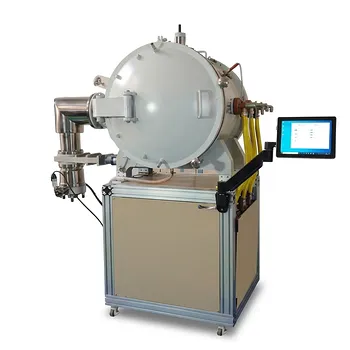
High Temperature Cold Wall Vacuum Furnace for Advanced Material Sintering and Annealing 1600C Heating Area 200x200x300mm
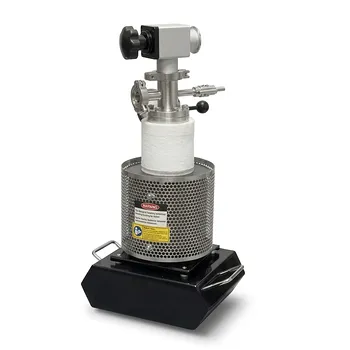
High Temperature 1100C Compact Top Loading Vertical Vacuum Tube Furnace for High Vacuum Noble Metal Melting and Material Research
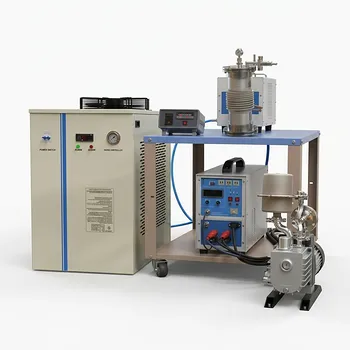
Induction Heating System with Temperature Control for High Temperature Vacuum Sintering and Melting
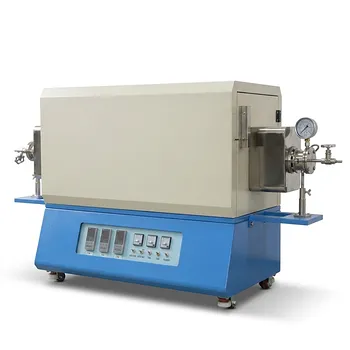
Three Temperature Zone High Temperature Vacuum Tube Furnace for CVD and Material Sintering