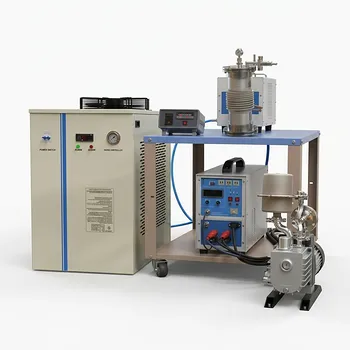
What are the metallurgical advantages of using a vacuum environment for thermal processing? Maximize Material Purity
Updated 5 months ago
Vacuum thermal processing represents a fundamental shift from atmospheric protection to active impurity removal. By operating in a controlled low-pressure environment, manufacturers can achieve superior surface finishes, precise chemical control, and enhanced mechanical properties that are unattainable in air or traditional inert gas furnaces. This method effectively eliminates oxidation and contamination while enabling the extraction of dissolved gases directly from the material's molecular structure.
The primary metallurgical advantage of a vacuum environment is the creation of a chemically "clean" space that prevents oxidation, facilitates deep degassing, and allows for the precise removal of impurities through selective volatilization. This results in materials with higher purity, superior surface integrity, and highly repeatable mechanical performance.
Elimination of Surface Oxidation and Contamination
Achieving Bright, Oxide-Free Surfaces
At vacuum levels between 10⁻³ and 10⁻⁶ Torr, the partial pressure of oxygen is too low to sustain the formation of metal oxides. This results in "bright" parts that require no post-process chemical cleaning or abrasive blasting, preserving the dimensional integrity of the component.
Prevention of Decarburization
Vacuum environments prevent the loss of surface carbon (decarburization), which is common in atmospheric heat treating. Maintaining the correct surface chemistry is critical for ensuring the hardness and wear resistance of high-performance tools and components.
Processing Reactive and Refractory Metals
Vacuum processing is essential for reactive metals like titanium, aluminum, and hafnium, which would otherwise react violently with atmospheric nitrogen or oxygen. In a vacuum, these elements remain in solution, preserving the intended alloy chemistry and preventing brittle phase formation.
Chemical Purity and Advanced Degassing
Desorption of Dissolved Gases
The low-pressure environment facilitates the removal of dissolved gases such as hydrogen, nitrogen, and oxygen from the melt or solid metal. Because these gases have high vapor pressures, they are desorbed and pumped out of the system, significantly reducing the risk of gas entrapment or internal voids.
Selective Volatilization of Impurities
Vacuum Induction Melting (VIM) allows for the selective volatilization of high-vapor-pressure "tramp" metals and impurities. This process purifies the alloy at a molecular level, leading to superior mechanical properties and better control over the final chemical composition.
Suppression of Slag and Inclusions
The absence of an atmospheric interface suppresses the formation of slag and minimizes non-metallic inclusion pickup. This creates a cleaner micro-structure, which is vital for materials used in high-stress applications like aerospace engine components or electronics-grade materials.
Enhanced Densification and Sintering
Near-Full Density in Powder Metallurgy
Vacuum sintering enables high-temperature densification without the interference of oxidation or nitriding. This results in components with minimal porosity and enhanced mechanical properties, such as superior toughness and fatigue life.
Efficient Debinding and Volatile Removal
The vacuum environment is highly effective at evacuating volatile by-products and binders from green parts during the sintering process. This prevents common defects like blistering, internal cracking, or residual carbon contamination in materials like stainless steel and tungsten carbide.
Uniform Temperature Distribution
Vacuum furnaces utilize radiation for heating, which, when combined with computer-controlled cycles, ensures highly uniform temperature distribution. This thermal consistency is the foundation for achieving repeatable metallurgical results across different batches.
Understanding the Trade-offs and Pitfalls
The Risk of Element Depletion
While volatilization is useful for removing impurities, it can also lead to the depletion of beneficial alloying elements. For example, elements with high vapor pressures, such as chromium or manganese, can boil off if the vacuum is too deep for the specific temperature, potentially altering the alloy’s properties.
Cooling Rate Limitations and Solutions
In a pure vacuum, cooling can be slow because convection is non-existent. To solve this, modern systems must incorporate High-Pressure Gas Quenching (HPGQ), using inert gases like nitrogen or helium to achieve the rapid cooling rates necessary for hardening certain steels.
Increased Operational Complexity
Vacuum systems require meticulous maintenance to prevent leaks and ensure the integrity of the seals. Furthermore, the capital cost of vacuum equipment is significantly higher than that of atmospheric furnaces, requiring a clear metallurgical justification for the investment.
How to Apply This to Your Project
Making the Right Choice for Your Goal
- If your primary focus is surface aesthetics and precision: Utilize a high-vacuum environment to eliminate post-process cleaning and ensure the dimensional stability of finished components.
- If your primary focus is material purity and fatigue life: Leverage Vacuum Induction Melting (VIM) or vacuum degassing to remove dissolved gases and tramp elements that cause internal defects.
- If your primary focus is high-performance powder metallurgy: Choose vacuum sintering to ensure efficient binder removal and achieve the near-full density required for wear-resistant applications.
By mastering the vacuum environment, you transform thermal processing from a simple heating cycle into a sophisticated tool for chemical and structural refinement.
Summary Table:
| Advantage | Mechanism | Metallurgical Benefit |
|---|---|---|
| Oxidation Control | Low oxygen partial pressure | Bright, oxide-free surfaces; no post-process cleaning |
| Deep Degassing | Vacuum desorption of H, N, O | Eliminates internal voids and gas embrittlement |
| Surface Integrity | Prevention of decarburization | Maintains precise surface chemistry and hardness |
| Chemical Purity | Selective impurity volatilization | Removes "tramp" metals for cleaner microstructures |
| Densification | Low-pressure sintering | Achieves near-full density and enhanced fatigue life |
Elevate Your Material Research with THERMUNITS Precision
Are you looking to achieve superior material properties and unmatched surface quality? THERMUNITS is your premier partner in advanced thermal technology. As a leading manufacturer of high-temperature laboratory equipment for material science and industrial R&D, we offer the technical expertise and robust solutions required for the most demanding applications.
Our comprehensive range of thermal processing solutions includes:
- Advanced Furnaces: Vacuum, Atmosphere, Muffle, Tube, Rotary, and Dental Furnaces.
- Specialized Systems: Vacuum Induction Melting (VIM), Hot Press Furnaces, and CVD/PECVD systems.
- Industrial Equipment: Electric rotary kilns and high-performance thermal elements.
Whether you are refining alloys in a VIM furnace or sintering high-performance ceramics, our equipment ensures repeatable, high-purity results. Optimize your heat treatment workflow today.
Contact Our Technical Experts to find the perfect thermal solution for your laboratory or production line.
Mentioned Products
- Ultrafast Thermal Pressing Furnace 2900C Max Temperature 200K per Second Heating Rate Vacuum Atmosphere Rapid Processing System
- 1100C High Temperature Vacuum Crucible Furnace with Quartz Chamber for Thermal Processing and Sintering
- High Temperature Vacuum Lamination Hot Press Furnace Machine for Semiconductor Wafer Bonding and Advanced Composite Thermal Processing
- High Temperature Dual Zone Vacuum Tube Furnace for Material Research and CVD Processing
- Triple Tube Compact Hybrid Muffle Furnace 1000C High Vacuum Thermal Processing System
People Also Ask
- What are the unique advantages of using an ultrafast high-temperature furnace (UFTF) for modified graphite?
- What role does a SiC-coated graphite susceptor play in H2Se selenization? Boost RTP Thermal Uniformity & Film Purity.
- What is the necessity of using a high-temperature hot press furnace for the preparation of dense non-oxide ceramics?
- What types of heating systems and insulation are used in Vacuum Hot Press Furnaces? Optimize Your Thermal Processing
- What microstructural mechanisms lead to material densification in a Vacuum Hot Press Furnace? Master Material Sintering

Tech Team · ThermUnits
Last updated on Apr 14, 2026
Related Products
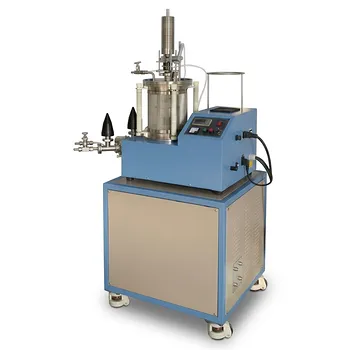
Ultrafast Thermal Pressing Furnace 2900C Max Temperature 200K per Second Heating Rate Vacuum Atmosphere Rapid Processing System
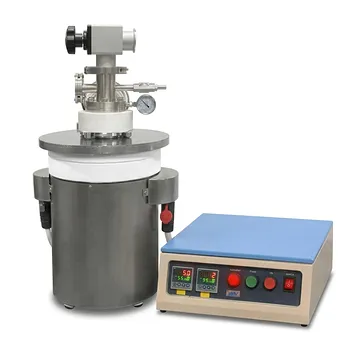
1100C High Temperature Vacuum Crucible Furnace with Quartz Chamber for Thermal Processing and Sintering
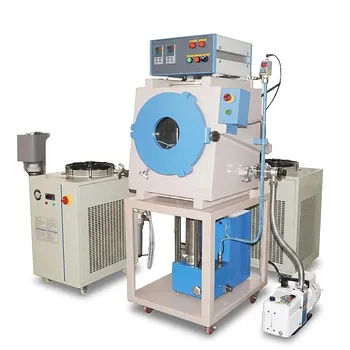
High Temperature Vacuum Lamination Hot Press Furnace Machine for Semiconductor Wafer Bonding and Advanced Composite Thermal Processing
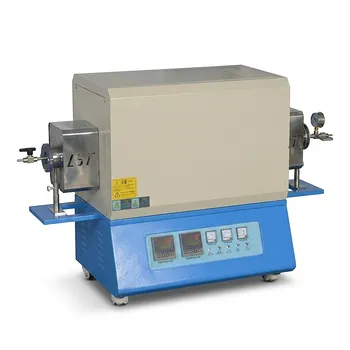
High Temperature Dual Zone Vacuum Tube Furnace for Material Research and CVD Processing
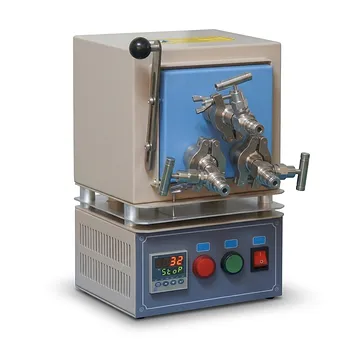
Triple Tube Compact Hybrid Muffle Furnace 1000C High Vacuum Thermal Processing System
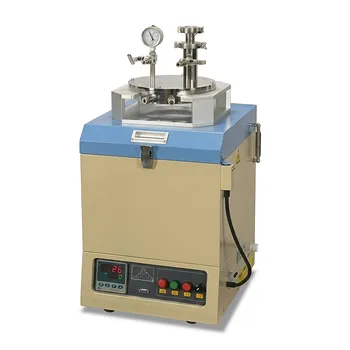
Vertical Vacuum Furnace 1100C High Temperature 8 Inch Quartz Chamber Water Cold Flange System
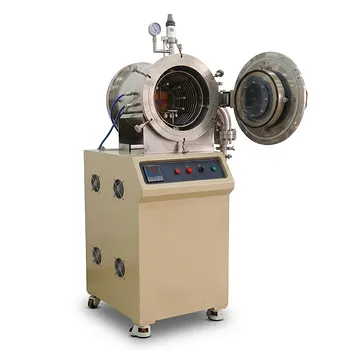
High Temperature Cold Wall High Vacuum Chamber Furnace 1400C for Advanced Material Processing
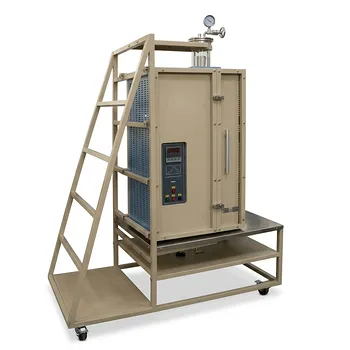
Split Vertical Tube Furnace with 1200C Quartz Tube and Stainless Steel Vacuum Flanges for Rapid Thermal Processing

Compact Vertical Split Quartz Tube Furnace with Stainless Steel Vacuum Flanges for Rapid Thermal Quenching and Controlled Atmosphere Material Processing
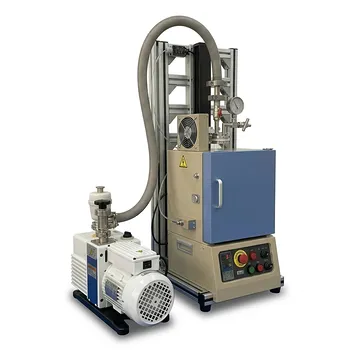
1200C High Temperature Vertical Sliding Furnace with Rapid Thermal Processing and Vacuum Tube Hybrid Capabilities
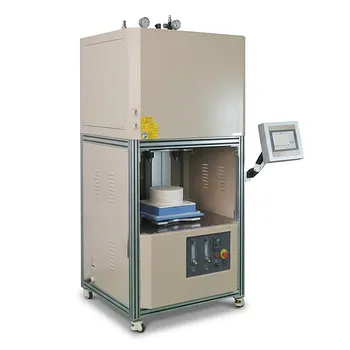
High Temperature Vertical Atmosphere Controlled Furnace 1700C Automatic Bottom Loading 13 Liter Vacuum Thermal System
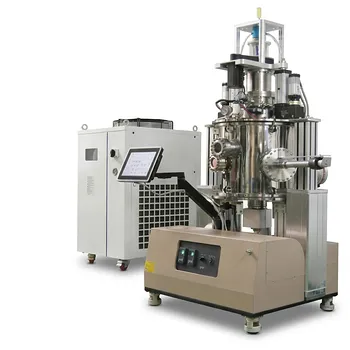
950C Rapid Thermal Processing Furnace for 12 Inch Wafer CSS Coating with Rotating Substrate Holder
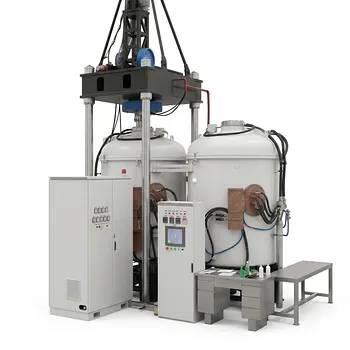
High Pressure 600T Vacuum Induction Hot Press Furnace for Advanced Material Heat Treatment and Sintering
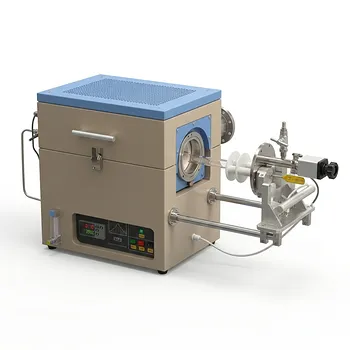
Compact Atmosphere Controlled Rapid Thermal Processing RTP Furnace with 4 Inch ID Quartz Tube 1100C
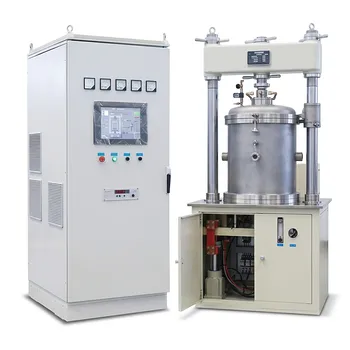
Industrial Vacuum Hot Press Furnace Machine and High Temperature Heated Vacuum Press for Advanced Material Sintering
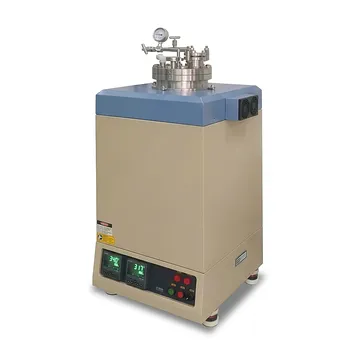
High Temperature 1000C Vacuum Furnace with 8 Inch ID Chamber for Material Sintering and Research Annealing
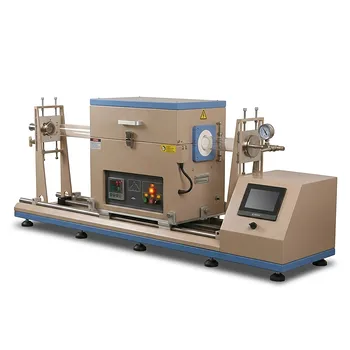
1200C Sliding Tube Furnace for Rapid Thermal Processing and CVD Graphene Growth with 100mm OD Capacity
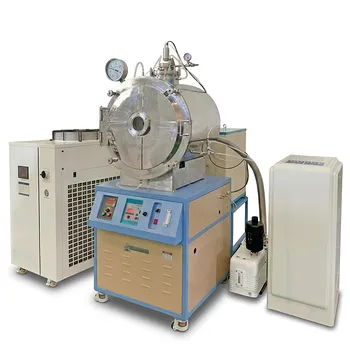
Ultra High Temperature Induction Heated Vacuum Furnace with Molten Salt Electrolysis Capability and 3000 Degree Precision Control
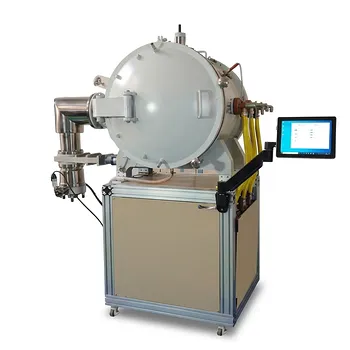
High Temperature Cold Wall Vacuum Furnace for Advanced Material Sintering and Annealing 1600C Heating Area 200x200x300mm