Why is vacuum sealing necessary for catalyst annealing? Prevent Oxidation & Ensure High Phase Purity
Updated 5 months ago
Vacuum sealing in quartz tubes is the industry-standard method for isolating sensitive materials from atmospheric contaminants during thermal processing. This process ensures that metal components, such as platinum, cobalt, and nickel, can successfully diffuse into a precise, ordered lattice structure without the interference of oxygen or moisture, which would otherwise form unwanted oxide impurities.
Core Takeaway: Vacuum sealing creates an ultra-pure, isolated micro-environment that prevents the oxidation of metallic precursors. This allows for the precise atomic diffusion and stoichiometric control required to synthesize high-purity intermetallic compounds with ordered crystal structures.
Preventing Chemical Interference and Oxidation
Eliminating Atmospheric Oxygen and Moisture
At high temperatures, even trace amounts of oxygen and moisture can cause rapid oxidation of metallic components. In ternary intermetallic systems, metals like cobalt and nickel are highly reactive and will readily form oxides if exposed to the air.
Vacuum sealing removes these reactive gases entirely, ensuring the reaction environment remains chemically inert. This isolation is critical for maintaining the intrinsic transport properties and catalytic activity of the final compound.
Protecting Sensitive Metal Precursors
Many intermetallic compounds involve elements that are exceptionally sensitive to environmental degradation, such as rare earths or transition metals like tantalum. Exposure to air at temperatures near 1000 K can lead to embrittlement or the formation of non-target phases.
By using an evacuated quartz tube, researchers protect these raw materials from oxidation and nitridation. This ensures that the resulting material reflects the intrinsic structural evolution intended by the researcher rather than a contaminated byproduct.
Facilitating Atomic Diffusion and Phase Purity
Promoting Ordered Lattice Formation
The effectiveness of a catalyst often depends on its "ordered" structure, where atoms sit in specific, repeating positions. In the case of platinum-based ternary catalysts, vacuum sealing allows cobalt and nickel atoms to diffuse into the platinum lattice without being "trapped" by oxygen atoms.
This clean diffusion path is what enables the transition from a disordered alloy to a high-purity intermetallic phase. Without a vacuum, the formation of oxide layers would block this atomic movement, resulting in a low-performance, heterogeneous mixture.
Maintaining Stoichiometric Integrity
Intermetallic compounds require a precise ratio of elements (stoichiometry) to maintain their unique properties, such as the Laves phase or delafossite structures. High-temperature annealing can cause volatile components to evaporate or surface elements to react and "leach" out.
A sealed quartz tube acts as a closed system that retains gas-phase substances and prevents "de-manganization" or other compositional changes. This keeps the elemental balance perfect throughout the long-duration heating process.
Understanding the Trade-offs and Limitations
Vacuum Level Requirements
The effectiveness of this method is heavily dependent on the quality of the vacuum achieved. Standard seals often reach 10⁻³ Pa, but some high-sensitivity materials require ultra-high vacuums of 3x10⁻⁵ mbar to prevent "pre-oxidation."
Material Limitations of Quartz
While quartz is excellent for its high melting point and chemical inertness, it is not invincible. At temperatures exceeding 1350°C (1623 K), quartz can begin to soften or react with certain aggressive metal vapors.
Risk of Mechanical Failure
Vacuum-sealed tubes are under significant internal stress due to the pressure differential. If the sealing process is flawed or the heating rate is too rapid, the tube can implode or explode, potentially damaging the muffle furnace and destroying the sample.
How to Optimize Your Annealing Process
Recommendations Based on Material Goals
To achieve the best results for your specific intermetallic synthesis, consider the following technical guidelines:
- If your primary focus is Phase Purity: Ensure the vacuum level is at least 10⁻³ Pa and use a long-duration annealing schedule to allow for full atomic homogenization.
- If your primary focus is Volatile Element Retention: Use a smaller quartz ampoule volume to minimize the "dead space" where gas-phase precursors might collect away from the solid sample.
- If your primary focus is Rare Earth Stability: Consider a "dual-protection" method, such as sealing your sample in a tantalum ampoule before vacuum-sealing it inside the quartz tube.
The strategic use of vacuum sealing transforms a standard furnace into a precision reactor, enabling the birth of the complex atomic architectures required for modern catalysis.
Summary Table:
| Feature | Function in Annealing | Impact on Catalyst |
|---|---|---|
| Oxidation Prevention | Eliminates O2 and moisture | Maintains reactive metals like Co and Ni |
| Atomic Diffusion | Creates clean diffusion paths | Facilitates ordered lattice formation |
| Stoichiometric Control | Acts as a closed system | Prevents leaching of volatile elements |
| Vacuum Level | High vacuum (10⁻³ Pa+) | Prevents pre-oxidation of precursors |
Elevate Your Material Research with THERMUNITS
Achieving the perfect ordered lattice in intermetallic catalysts requires uncompromising thermal precision. THERMUNITS is a leading manufacturer of high-temperature laboratory equipment designed specifically for material science and industrial R&D.
We provide a comprehensive range of thermal processing solutions to support your vacuum-sealing and annealing workflows, including:
- Muffle & Tube Furnaces: For stable, long-duration high-temperature annealing.
- Vacuum & Atmosphere Furnaces: To maintain the ultra-pure environments your catalysts demand.
- Specialized Systems: Including CVD/PECVD, Rotary, and Hot Press furnaces, as well as high-performance Thermal Elements.
Whether you are synthesizing ternary intermetallics or exploring complex CVD processes, THERMUNITS delivers the reliability and control your lab needs.
Ready to optimize your heat treatment results?
Contact our experts today to find the perfect furnace for your project.
References
- Shiqi Song, Jianyong Zheng. Pt3(CoNi) Ternary Intermetallic Nanoparticles Immobilized on N-Doped Carbon Derived from Zeolitic Imidazolate Frameworks for Oxygen Reduction. DOI: 10.3390/ma17194775
Mentioned Products
- Rapid Thermal Processing Atmosphere Controlled Bottom Loading Furnace 1100C with 50C Per Second Heating Rate for Wafer Annealing
- Rapid Thermal Processing Furnace 1100C Atmosphere Controlled Bottom Loading RTP System for Wafer Annealing and Catalysis Research
- High Temperature 1500C Benchtop Muffle Furnace 3.6L Alumina Fiber Chamber Programmable Controller Sintering Annealing Carbonization Thermal Processing System
- High Temperature Cold Wall Vacuum Furnace for Advanced Material Sintering and Annealing 1600C Heating Area 200x200x300mm
- High Temperature 1700C 4 Channel Tube Furnace 1 Inch Alumina Tube for Hi-Throughput Annealing
People Also Ask
- What role does a SiC-coated graphite susceptor play in H2Se selenization? Boost RTP Thermal Uniformity & Film Purity.
- What are the advantages of using a Bottom-Loading High-Temperature Furnace in Barium Titanate Fast Firing? Superior Microstructure
- What are the functional advantages of an RTP system for surface deposition? Enhance Heterojunction Interface Integrity
- Why is an atmosphere-controlled annealing furnace required for the post-treatment of synthesized KTiOPO4 thin films? KTP
- What is the purpose of coating ceramic sheets with platinum paste? Achieve Stable High-Temp Ohmic Contacts

Tech Team · ThermUnits
Last updated on Apr 14, 2026
Related Products
Rapid Thermal Processing Atmosphere Controlled Bottom Loading Furnace 1100C with 50C Per Second Heating Rate for Wafer Annealing
Rapid Thermal Processing Furnace 1100C Atmosphere Controlled Bottom Loading RTP System for Wafer Annealing and Catalysis Research
High Temperature 1500C Benchtop Muffle Furnace 3.6L Alumina Fiber Chamber Programmable Controller Sintering Annealing Carbonization Thermal Processing System
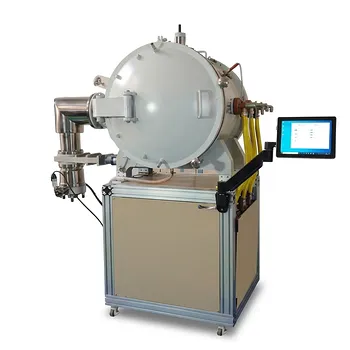
High Temperature Cold Wall Vacuum Furnace for Advanced Material Sintering and Annealing 1600C Heating Area 200x200x300mm
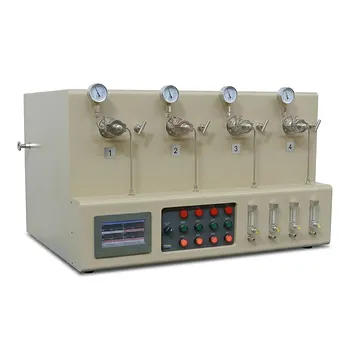
High Temperature 1700C 4 Channel Tube Furnace 1 Inch Alumina Tube for Hi-Throughput Annealing
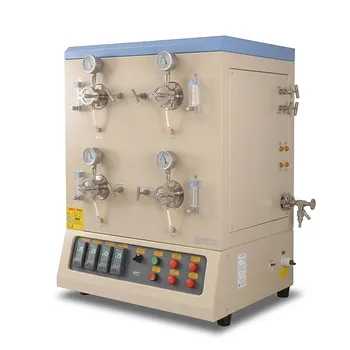
High Temperature 1500C Four Channel Tube Furnace with Alumina Tubes for High Throughput Annealing and Phase Diagram Research
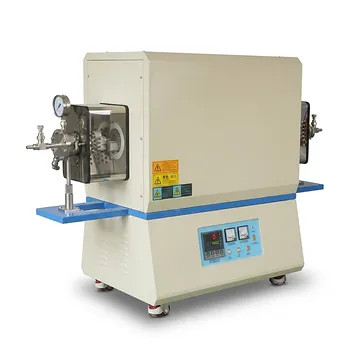
High Temperature 1800C Atmosphere Tube Furnace for CVD Research and Vacuum Sintering Precision Heat Treatment
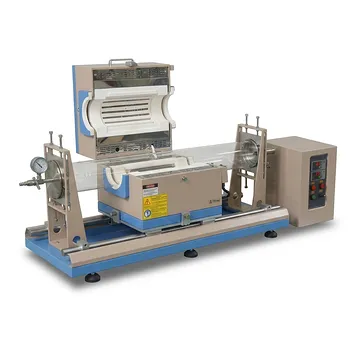
1200C High Temperature 5 Inch Sliding Tube Furnace for Rapid Thermal Processing RTP and Wafer Annealing
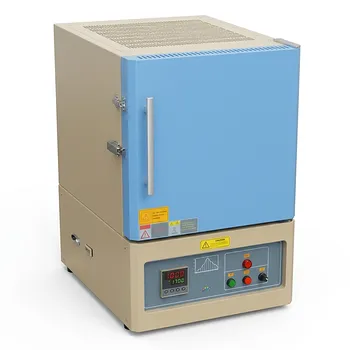
Large Bench Top 1700C High Temperature Muffle Furnace with 19L Chamber for Advanced Material Sintering and Annealing
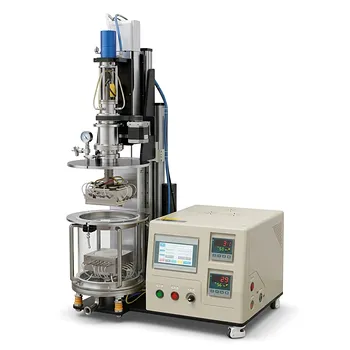
High Temperature 800C Rapid Thermal Processing Furnace with Rotating Sample Holder for Close Spaced Sublimation and Thin Film Solar Cell Research
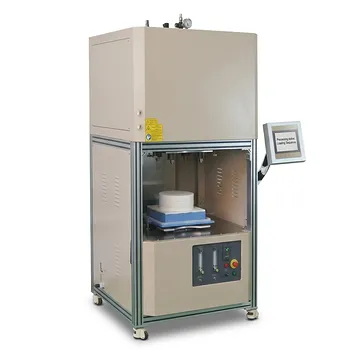
High Temperature Vertical Atmosphere Controlled Furnace with Automatic Bottom Loading and 1700°C Capacity for Advanced Material Research
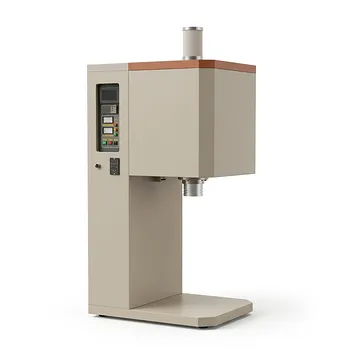
Vertical Openable Tube Furnace 0-1700c High Temperature Laboratory System for CVD and Vacuum Heat Treatment
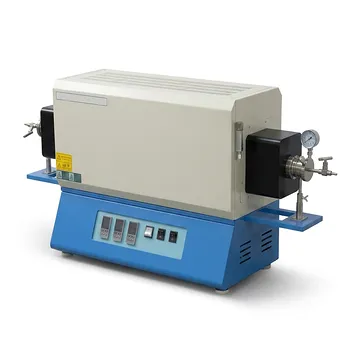
High Temperature Three Temperature Zone Tube Furnace for Advanced Material Science Sintering and Chemical Vapor Deposition Applications
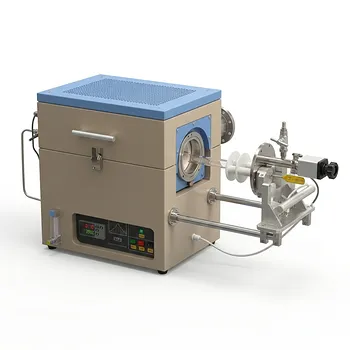
Compact Atmosphere Controlled Rapid Thermal Processing RTP Furnace with 4 Inch ID Quartz Tube 1100C

1200C High Throughput Multi Channel Tube Furnace with 50mm Quartz Tubes for Annealing and Material Phase Diagram Research
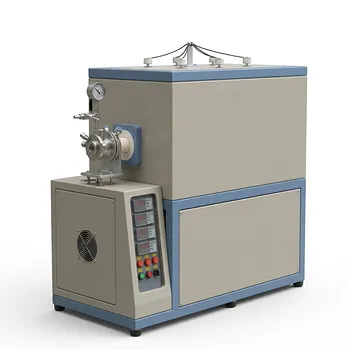
High Temperature 1700C Three Zone Tube Furnace with Alumina Tube 50mm 60mm 80mm OD for Material Research and Industrial Heat Treatment
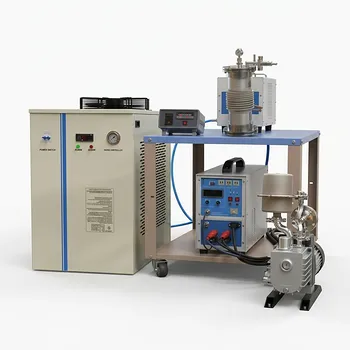
Induction Heating System with Temperature Control for High Temperature Vacuum Sintering and Melting
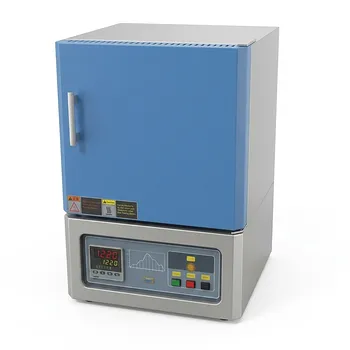
High Temperature Benchtop Muffle Furnace 1700C 10L Chamber Alumina Fiber Insulation MoSi2 Heating Elements

High Temperature 1700C Benchtop Tube Furnace with 5 Inch Heating Zone High Purity Alumina Tube and Vacuum Sealing Flanges