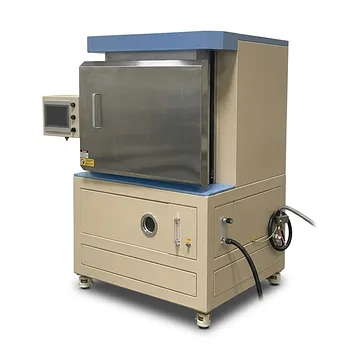
Why must a tube furnace provide high-purity argon protection for Inconel 718 sintering? Ensure Material Integrity.
Updated 3 months ago
Inconel 718 sintering requires high-purity argon because nitrogen triggers a detrimental chemical reaction with chromium. Using a nitrogen-hydrogen atmosphere leads to the formation of hard, brittle chromium nitride ($Cr_2N$) phases. These precipitates block the development of sintering necks between metal particles, resulting in poor densification and weakened mechanical integrity. In contrast, high-purity argon provides a strictly inert environment that enables optimal diffusion bonding and maximum material strength.
Core Takeaway: Sintering Inconel 718 in nitrogen-containing atmospheres causes "nitridation," which fundamentally compromises the alloy's microstructure by forming brittle chromium nitrides. High-purity argon is the only viable choice to ensure the chemical stability of reactive elements like chromium and aluminum during high-temperature processing.
The Nitrogen Problem: Chemical Incompatibility with Chromium
The Formation of Chromium Nitride ($Cr_2N$)
At high sintering temperatures, the chromium elements within the Inconel 718 matrix actively absorb nitrogen atoms. This chemical reaction produces chromium nitride ($Cr_2N$), a phase that is inherently hard and brittle. These precipitates alter the alloy's intended chemistry and degrade its performance.
Impact on Sintering Neck Growth
The presence of nitride phases at the boundaries of metal particles acts as a physical barrier. This interference prevents the growth of sintering necks, which are the essential bridges that form between particles during the heating process. Without robust neck growth, the material cannot achieve the required structural cohesion.
Loss of Densification and Strength
When nitride formation inhibits particle bonding, the final product suffers from decreased densification. The resulting porosity and brittle inclusions lead to a severe deterioration of mechanical properties. This makes the alloy prone to failure under stress, especially in high-temperature applications.
The Role of Argon in Protecting Reactive Elements
Preventing Aluminum and Titanium Oxidation
Inconel 718 contains active metals like aluminum and titanium, which are highly susceptible to oxidation. High-purity argon (typically 99.999%) effectively displaces oxygen and moisture within the tube furnace. This prevents the formation of brittle oxide films that would otherwise compromise the material's ductility.
Ensuring Precise Phase Distribution
An inert argon atmosphere allows for total control over the morphology and distribution of precipitated phases. By maintaining an environment free of reactive gases, the alloy can follow its intended thermodynamic pathway. This ensures the material achieves its stable dynamic response, which is critical for handling shock wave loads or high-stress environments.
Facilitating Full Diffusion Bonding
Because argon is completely inert, it does not participate in any chemical reactions with the powder particles. This allows for full diffusion bonding, where atoms move freely across particle boundaries. The result is a sintered part with the highest possible density and tensile strength.
Understanding the Trade-offs and Risks
The Failure of Reducing Atmospheres
While a nitrogen-hydrogen mix is often used as a "reducing atmosphere" to remove oxides, it is unsuitable for Inconel 718. The hydrogen can reduce surface oxides, but the nitrogen component simultaneously creates the nitridation issue. The structural damage caused by nitrides far outweighs any cleaning benefit provided by the hydrogen.
The Necessity of "Five-Nines" Purity
Using lower-grade argon introduces the risk of secondary oxidation or decarburization. For high-performance superalloys, 99.999% purity is required to ensure that oxygen and moisture levels are low enough to protect active alloying elements. Anything less can lead to the formation of a "glass phase" or brittle skins that inhibit densification.
Choosing the Right Atmosphere for Sintering
To achieve the best results when processing Inconel 718 in a tube furnace, the atmosphere must be selected based on the specific material requirements:
- If your primary focus is maximum material density: Use high-purity argon to facilitate uninterrupted diffusion bonding and sintering neck growth.
- If your primary focus is maintaining mechanical ductility: Avoid nitrogen-containing atmospheres entirely to prevent the formation of brittle chromium nitride phases.
- If your primary focus is preventing surface oxidation of active metals: Ensure your argon supply is certified to 99.999% purity to displace all residual oxygen and moisture effectively.
Selecting high-purity argon is not merely a preference but a technical necessity for preserving the specialized microstructure and high-performance characteristics of Inconel 718.
Summary Table:
| Feature | High-Purity Argon (99.999%) | Nitrogen-Hydrogen Atmosphere |
|---|---|---|
| Chemical Reaction | Fully Inert | Forms Brittle Chromium Nitride ($Cr_2N$) |
| Microstructure | Optimal Sintering Neck Growth | Brittle Phase Inclusions & Porosity |
| Material Density | Achieves Maximum Densification | Decreased Strength & High Porosity |
| Active Metals | Protects Al and Ti from Oxidation | Causes Severe Nitridation Issues |
| Application | Ideal for High-Stress Superalloys | Unsuitable for Reactive Ni-Cr Alloys |
Elevate Your Superalloy Research with THERMUNITS Precision
Achieving the perfect microstructure for Inconel 718 requires uncompromising atmospheric control. THERMUNITS is a leading manufacturer of high-temperature laboratory equipment for material science and industrial R&D. We offer a comprehensive range of thermal processing solutions, including Tube, Vacuum, Atmosphere, and Muffle Furnaces, as well as CVD/PECVD systems and Vacuum Induction Melting (VIM) furnaces.
Our equipment is engineered to maintain the strict 99.999% argon purity necessary to prevent nitridation and ensure full diffusion bonding in your high-performance materials. Whether you are developing aerospace components or advanced industrial tools, our expertise in thermal elements and heat treatment ensures your research yields superior results.
Ready to optimize your sintering process? Contact THERMUNITS today to find the perfect thermal solution for your lab!
References
- Sourabh Paul, Kamran Mumtaz. Use of aqueous polyvinyl alcohol in binder jetting of Inconel 718. DOI: 10.1007/s00170-024-14649-7
Mentioned Products
- Compact High Temperature 1600C Tube Furnace with 50mm Alumina Tube and Vacuum Flanges for Material Sintering
- High Temperature 1700C Vertical Tube Furnace for Powder Spherification and Material Sintering
- 500C Vacuum Vertical Tube Furnace 84mm OD Sample Rotation Lifting System
- Compact Hybrid Muffle and Tube Furnace for 1000C Controlled Atmosphere Laboratory Material Sintering
- 1700C Compact Hybrid Furnace with Dual Layer Box Sintering and Controlled Atmosphere Alumina Tubes
People Also Ask
- What is the role of a high-temperature tube furnace in the calcination process of ZnO/In2O3 nanocomposites?
- Why is a high-temperature tube furnace required for CuAlO2 heat treatment? Master Phase Transformation Today
- Function of tube furnaces in cellulose aerogel carbonization? Achieve High-Performance Materials
- What role does a high-temperature tube furnace play in the carbonization? Mastering Precision Carbon Synthesis
- What role does a high-temperature tube furnace play in executing nitrogen absorption kinetic experiments? Expert Insights

Tech Team · ThermUnits
Last updated on Jun 02, 2026
Related Products

Compact High Temperature 1600C Tube Furnace with 50mm Alumina Tube and Vacuum Flanges for Material Sintering

High Temperature 1700C Vertical Tube Furnace for Powder Spherification and Material Sintering
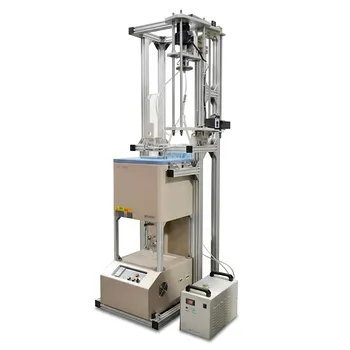
500C Vacuum Vertical Tube Furnace 84mm OD Sample Rotation Lifting System
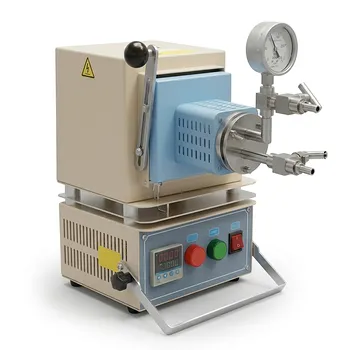
Compact Hybrid Muffle and Tube Furnace for 1000C Controlled Atmosphere Laboratory Material Sintering
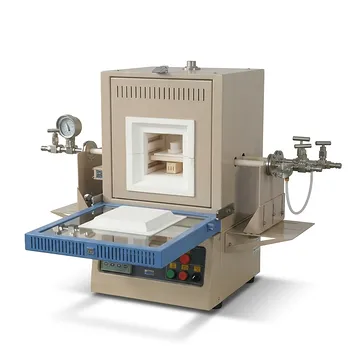
1700C Compact Hybrid Furnace with Dual Layer Box Sintering and Controlled Atmosphere Alumina Tubes
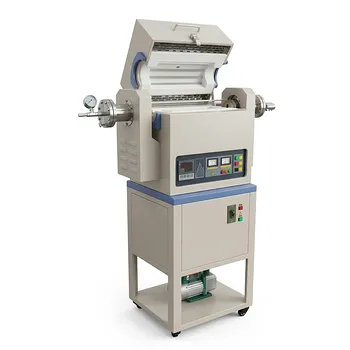
High Temperature Rotary Tilt Tubular Furnaces for Advanced Powder Sintering and Material Processing
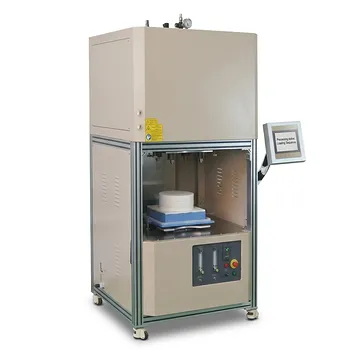
High Temperature Vertical Atmosphere Controlled Furnace with Automatic Bottom Loading and 1700°C Capacity for Advanced Material Research
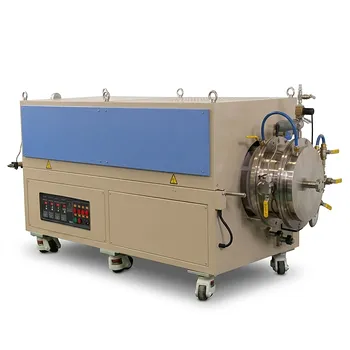
High Temperature Seven Zone Split Tube Furnace with 1200C Maximum Operation and Large Diameter Quartz Tube
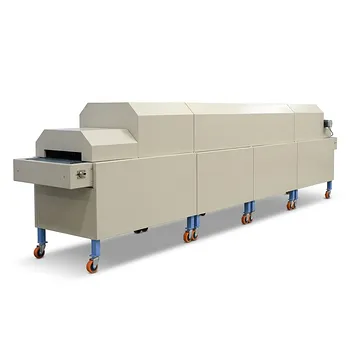
1000°C Seven Zones Conveyor Belt Furnace with Multi Zone Temperature Control 150mm Width 2000mm Heating Length
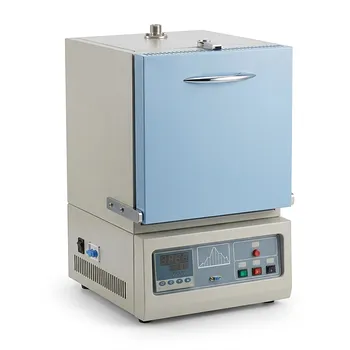
1750C Compact Muffle Furnace 1.7L Ultra High Temperature Laboratory Sintering System for Advanced Ceramics and Material Science Research
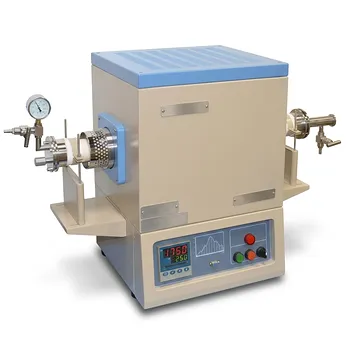
High Temperature Compact Vacuum Tube Furnace 1750C Max 60mm OD Alumina Tube
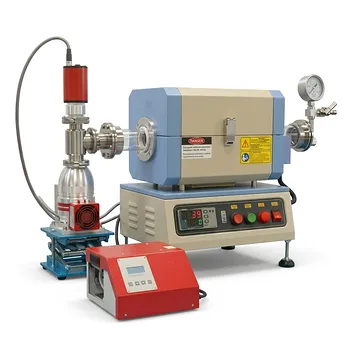
High Vacuum Compact Tube Furnace 1200C with Integrated Turbo Pump System and 8 Inch Heating Zone
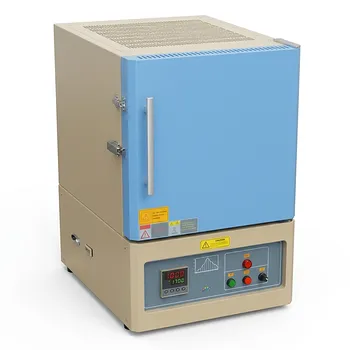
Large Bench Top 1700C High Temperature Muffle Furnace with 19L Chamber for Advanced Material Sintering and Annealing
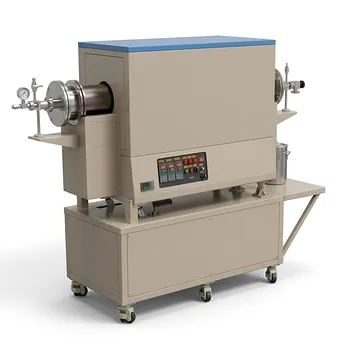
900°C Max Rotary Tube Furnace with 8 Inch 310S Alloy Tube and Optional Multi Zone Heating for Industrial Material Calcination

1200°C 5 Inch Vertical Quartz Tube Furnace with Stainless Steel Vacuum Flanges

1800C High Temperature Compact Vacuum Tube Furnace with 60mm OD Alumina Tube and Kanthal MoSi2 Heating Elements
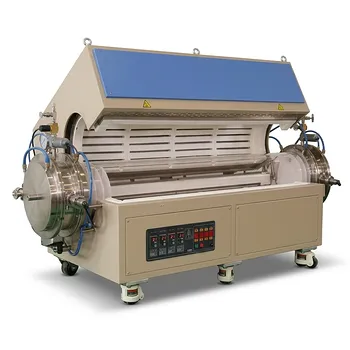
1200C Max Four Zone Split Tube Furnace with Optional Large Diameter Quartz Tubes

Vertical 1700C Vacuum and Atmosphere Tube Furnace with 80mm Alumina Tube
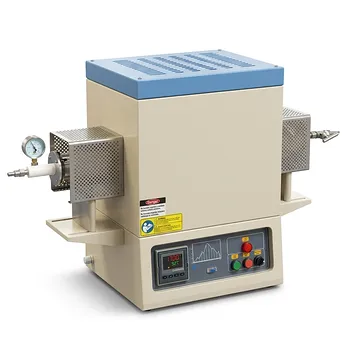
High Temperature Three Zone Tube Furnace 1700C with Alumina Tube and Water Cooled Flanges