Why must high-purity alumina crucibles be selected for molten copper corrosion experiments? Ensure Pure & Reliable Data
Updated 3 months ago
Selecting high-purity alumina (Al2O3) crucibles for molten copper corrosion experiments is essential because they provide a chemically inert environment that remains stable at temperatures as high as 1200°C. These crucibles effectively resist erosion from the molten metal and do not react with experimental media or ceramic coatings. This ensures that the observed corrosion data is an accurate reflection of the material's performance rather than a byproduct of container contamination.
Core Takeaway: High-purity alumina acts as a "chemically silent" vessel, preventing unwanted interface reactions between the crucible and the molten copper. This preservation of experimental purity is critical for obtaining precise, reproducible data on how coatings and alloys resist aggressive liquid metal environments.
The Role of Chemical Inertness in High-Temperature Experiments
Preventing Secondary Interface Reactions
At 1200°C, most materials become highly reactive, but high-purity alumina maintains its chemical stability. This prevents the crucible from reacting with the molten copper or the ceramic coatings—such as ZrO2-Dy3TaO7—under investigation.
Ensuring Pure Composition Analysis
By using alumina, researchers ensure that no impurity elements infiltrate the experimental system. If the crucible were to leach components into the melt, the resulting composition analysis and morphological observations would be fundamentally flawed.
Facilitating Precise Diffusion Data
The integrity of the diffusion interface is paramount in corrosion science. Alumina crucibles prevent the migration of external ions into the sample, allowing for the accurate measurement of how copper liquid penetrates specific ceramic layers.
Structural Resistance to Aggressive Media
Defense Against Molten Metal Erosion
Molten copper is highly aggressive, yet high-purity alumina possesses superior resistance to erosion. The material’s dense structure prevents the liquid metal from "wetting" and degrading the crucible walls during long-term exposure.
Stability Across Diverse Corrosives
Beyond molten metals, alumina is capable of withstanding sulfate salts, potassium chloride, and reducing atmospheres. This versatility makes it the gold standard for experiments where the vessel must remain unaffected by the chemical nature of the reactants.
Reliability at Thermal Extremes
High-purity alumina, specifically in its corundum form, can withstand temperatures exceeding 1650°C. This high thermal ceiling provides a significant safety margin for 1200°C copper experiments, ensuring the crucible does not suffer structural failure or mass fluctuations.
Common Pitfalls and Material Limitations
The Risk of Low-Purity Substitutes
Using lower-grade alumina can introduce silica or other oxides that react with the molten copper or the samples. These impurities can lower the melting point of the crucible material locally, leading to premature failure or "slagging" that ruins the experiment.
Sensitivity to Thermal Shock
While chemically robust, alumina is sensitive to rapid temperature changes. Heating or cooling the crucible too quickly can cause mechanical cracking, which may lead to the leakage of molten copper and the destruction of the furnace heating elements.
Constraints of Material Porosity
If the alumina used is not of high density, the molten copper can infiltrate the microscopic pores of the crucible. This not only traps experimental material but can also lead to cross-contamination between different experimental batches.
How to Select the Right Vessel for Your Research
Ensuring the success of a high-temperature corrosion test requires matching the crucible properties to your specific experimental goals.
- If your primary focus is precise mass gain or loss measurements: Use high-purity alumina to eliminate mass fluctuations caused by container oxidation or reaction with the atmosphere.
- If your primary focus is microstructural analysis of the interface: Prioritize high-density (low porosity) alumina to prevent the molten media from "anchoring" into the crucible wall, which can distort the sample during cooling.
- If your primary focus is ultra-high temperature synthesis (above 1500°C): Ensure you are using recrystallized alumina (corundum) to maintain structural integrity near the material's thermal limits.
Choosing the correct grade of alumina ensures that your experimental results are a definitive testament to the material's properties rather than an artifact of the testing environment.
Summary Table:
| Key Feature | Benefit for Copper Corrosion Experiments | Performance Detail |
|---|---|---|
| Chemical Inertness | Prevents secondary reactions with molten metal and coatings | Stable up to 1200°C+ |
| High Purity | Eliminates impurity leaching and composition errors | 99% Al2O3 (Corundum) |
| Erosion Resistance | Prevents "wetting" and degradation of crucible walls | High structural density |
| Thermal Ceiling | Provides safety margin for high-temp synthesis | Resists up to 1650°C |
| Atmosphere Stability | Compatible with sulfates, chlorides, and reducing gases | Versatile experimental use |
Elevate Your Material Science Research with THERMUNITS
Precision in high-temperature experiments starts with the right equipment. THERMUNITS is a leading manufacturer of high-performance thermal processing solutions tailored for industrial R&D and material science. We offer a comprehensive range of laboratory equipment, including Muffle, Vacuum, Atmosphere, Tube, and Rotary furnaces, as well as CVD/PECVD systems and high-purity Thermal Elements.
Whether you are performing aggressive molten metal corrosion tests or advanced synthesis, our equipment ensures the thermal stability and accuracy your research demands.
Contact us today to discuss your specific heat treatment needs!
References
- Dongbo Li, Guizhong Yang. Synthesis and thermophysical properties of rare-earth tantalate ZrO<sub>2</sub>-Dy<sub>3</sub>TaO<sub>7</sub> ceramics. DOI: 10.1088/1742-6596/2842/1/012065
Mentioned Products
- High Temperature 1700C Benchtop Tube Furnace with 5 Inch Heating Zone High Purity Alumina Tube and Vacuum Sealing Flanges
- 600°C Vertical Crucible Furnace with SS316 Alloy Reactor and 6 Port Vacuum Flange
- 1100C High Temperature Vacuum Crucible Furnace with Quartz Chamber for Thermal Processing and Sintering
- High Temperature Vertical Crucible Furnace with 22L Heating Chamber and 1200C Maximum Temperature
- Vertical Crucible Furnace 1000C High Temperature Laboratory Equipment 4.7 Inch Diameter Chamber SS316 Anti Corrosive Enclosure
People Also Ask
- How are high-temperature tube furnaces utilized to repair etching damage? Precision Lattice Restoration Solutions
- What is the function of a high-temperature tube furnace in the synthesis of g-C3N4? Optimize Thermal Polycondensation
- What impact does the heating rate of a tube furnace have on biochar microstructure? Optimize Your Material R&D.
- What is the role of a high-temperature tube furnace in the calcination process of ZnO/In2O3 nanocomposites?
- Conditions for nZVI Synthesis in Tube Furnaces? Learn to Optimize Thermal and Atmospheric Control for High Purity.

Tech Team · ThermUnits
Last updated on Jun 02, 2026
Related Products

High Temperature 1700C Benchtop Tube Furnace with 5 Inch Heating Zone High Purity Alumina Tube and Vacuum Sealing Flanges
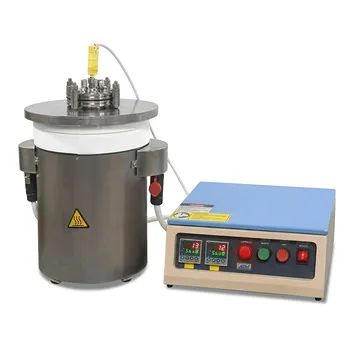
600°C Vertical Crucible Furnace with SS316 Alloy Reactor and 6 Port Vacuum Flange
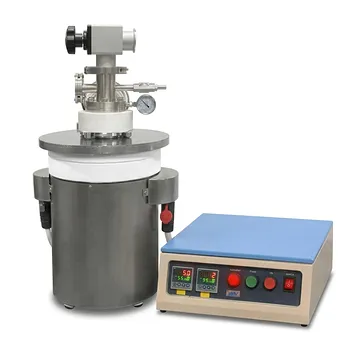
1100C High Temperature Vacuum Crucible Furnace with Quartz Chamber for Thermal Processing and Sintering
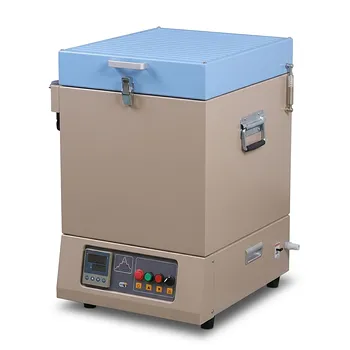
High Temperature Vertical Crucible Furnace with 22L Heating Chamber and 1200C Maximum Temperature
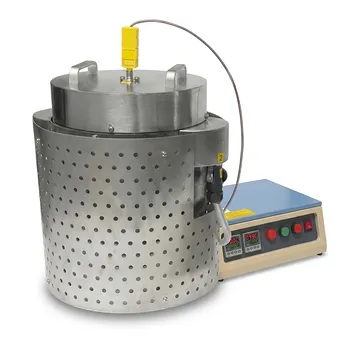
Vertical Crucible Furnace 1000C High Temperature Laboratory Equipment 4.7 Inch Diameter Chamber SS316 Anti Corrosive Enclosure
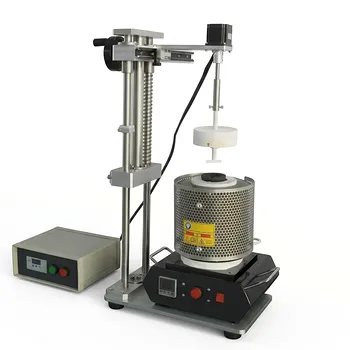
1100C Crucible Melting Furnace with Stirring Function for Glovebox and Air Sensitive Alloy Research
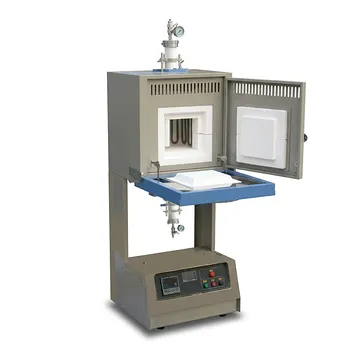
Vertical Hybrid High Temperature Furnace 1500C Alumina Tube SOFC Fuel Cell Testing Laboratory Heat Treatment Research Equipment
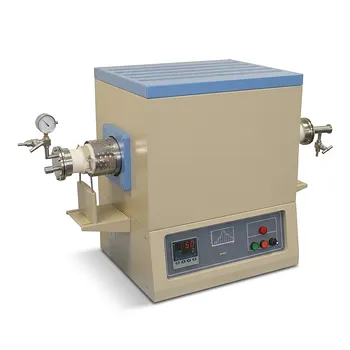
1700C High Temperature Alumina Tube Furnace with 18 Inch Heated Zone and Vacuum Sealing Flanges
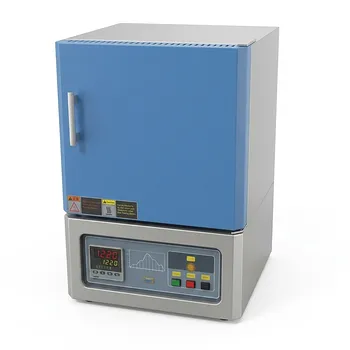
High Temperature Benchtop Muffle Furnace 1700C 10L Chamber Alumina Fiber Insulation MoSi2 Heating Elements
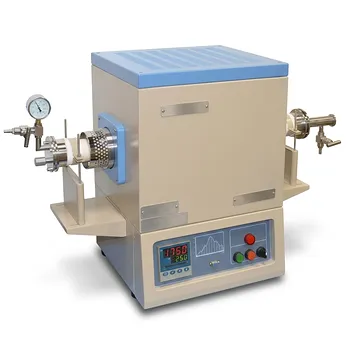
High Temperature Compact Vacuum Tube Furnace 1750C Max 60mm OD Alumina Tube
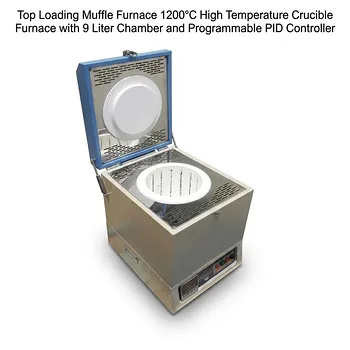
Top Loading Muffle Furnace 1200°C High Temperature Crucible Furnace with 9 Liter Chamber and Programmable PID Controller
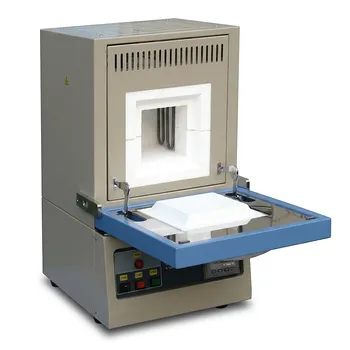
High Temperature 1800C Compact Muffle Furnace with Kanthal Super 1900 Heating Elements and 1.7L Alumina Chamber

Compact High Temperature 1600C Tube Furnace with 50mm Alumina Tube and Vacuum Flanges for Material Sintering

1800C High Temperature Compact Vacuum Tube Furnace with 60mm OD Alumina Tube and Kanthal MoSi2 Heating Elements
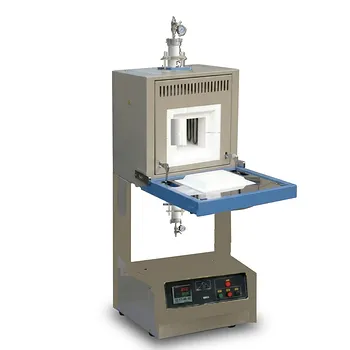
High Temperature Vertical Hybrid Furnace with Alumina Tube and SiC Heating for SOFC Coin Cell Testing and Atmosphere Processing
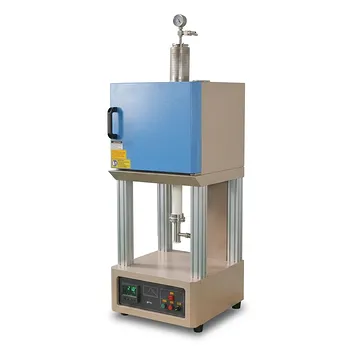
Hybrid High Temperature Tube and Box Furnace 1700C with 2 Inch Alumina Tube for Material Research

1750°C High Temperature Benchtop Vacuum Atmosphere Tube Furnace with Kanthal Super 1800 Heating Elements and 60mm Alumina Processing Tube
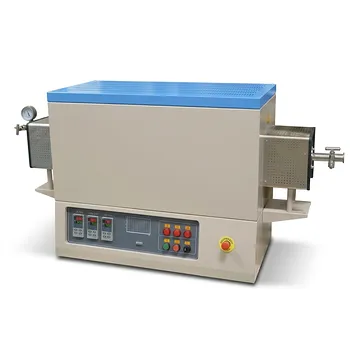
Three Zone Alumina Tube Furnace with Vacuum Flanges High Temperature 1700C Thermal Gradient CVD System
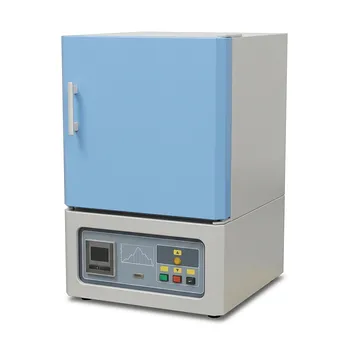
1800C Bench Top Muffle Furnace with Kanthal Super 1900 Heating Elements and 3.6L Alumina Fiber Chamber