The Architecture of Absence: Why Vacuum Technology Defines the Future of Flight
Jun 04, 2026
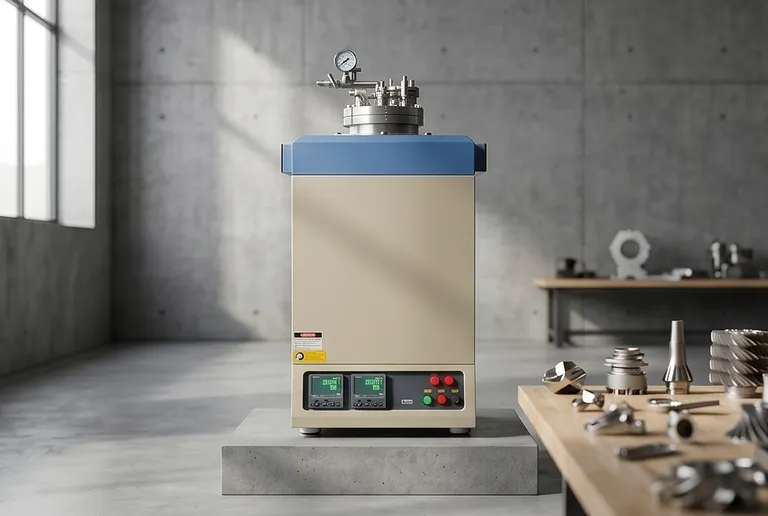
The Invisible Margin for Error
In a jet engine, turbine blades spin thousands of times per minute at temperatures exceeding their own melting points. At this frontier of physics, a single microscopic pocket of oxidation is not just a flaw; it is a fuse.
Aerospace engineering is a battle against the invisible. To build machines that defy gravity, we must first master the environment in which we create their components.
The vacuum furnace is the cathedral of this mastery. By removing the atmosphere, we remove the variables of decay.
The Alchemy of Purity
Most metals have a chemical hunger for oxygen. When nickel-based superalloys or titanium are heated in the presence of air, they react. They form oxides—microscopic ceramic inclusions that act as stress concentrators.
Vacuum furnace technology operates on the principle of "The Architecture of Absence." By eliminating atmospheric gases, we achieve:
- Zero-Oxidation Environments: Preventing the brittle "skin" that leads to surface cracks.
- Decarburization Control: Preserving the precise carbon balance required for metal hardness.
- Hydrogen Management: Avoiding hydrogen embrittlement, the silent killer of high-strength structural parts.
For an aerospace engineer, a vacuum is not "nothing." It is a protective shield that ensures the material's internal grain structure remains as pure as the mathematical model intended.
The Psychology of Fatigue Resistance
Morgan Housel often notes that "the most important part of a plan is having a plan for when the plan is not going according to plan." In aerospace, that "plan" is fatigue resistance.
Landing gear components undergo thousands of high-stress cycles. Every takeoff and touchdown is a test of molecular bonds. Components processed in THERMUNITS vacuum furnaces exhibit superior fatigue resistance because they lack the "internal scars" (impurities) that traditional heating methods allow.
| Component Type | Critical Material | The Vacuum Impact |
|---|---|---|
| Turbine Blades | Superalloys | Creep resistance and monocrystalline integrity. |
| Landing Gear | High-Strength Steel | Fatigue life extension via elimination of surface defects. |
| Fuel Manifolds | Stainless/Inconel | Flux-free brazing for leak-proof, high-vibration joints. |
| Engine Casings | Titanium Alloys | Optimal strength-to-weight ratio without gas absorption. |
The Cost of the Absolute
There is a logical trade-off in the pursuit of perfection. Vacuum technology is not the simplest path; it is the most rigorous one.
- The Investment: High-vacuum seals and specialized pumping systems require significant capital.
- The Maintenance: A vacuum is an unnatural state. Protecting it requires a "checklist" mentality—constant monitoring of sensors and seals to prevent batch contamination.
- The Throughput: Quality takes time. Batch processing in a vacuum is slower than continuous atmospheric lines, but it is the premium paid for flight safety.
Sintering the Future: Beyond Metals
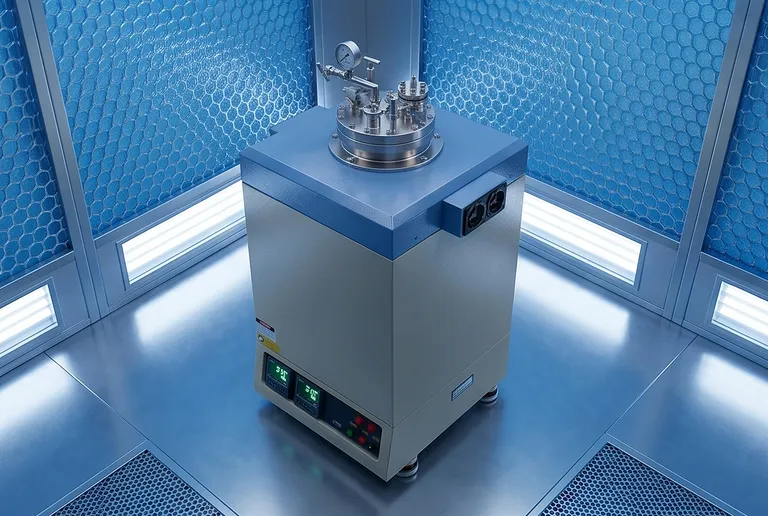
As we move toward next-generation propulsion, we are moving toward advanced ceramics. These materials resist heat even better than superalloys but are notoriously difficult to bond.
Through high-temperature sintering and Hot Press furnaces, we can now produce ceramic components with maximum theoretical density. This level of uniformity is only possible when atmospheric interference is zero. It is the difference between a part that survives a test flight and a part that survives a decade of service.
Engineering the Standard with THERMUNITS
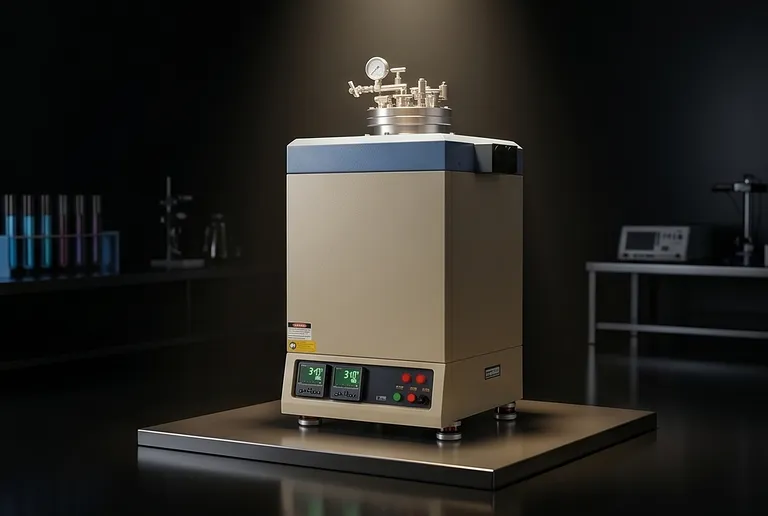
At THERMUNITS, we view thermal processing as the foundation of innovation. We provide the tools that allow R&D labs and aerospace manufacturers to push the boundaries of what is possible.
Our systems are designed for those who understand that in high-performance materials, what you take away (the atmosphere) is just as important as what you add (the heat).
Whether your project requires Vacuum Induction Melting (VIM), specialized CVD/PECVD systems, or high-precision Tube and Atmosphere furnaces, our technology is engineered to bridge the gap between material science and mission success.
To explore how our thermal solutions can fortify your aerospace R&D, Contact Our Experts
Quick Links
Suggested Products
Ultra High Temperature Induction Heated Vacuum Furnace with Molten Salt Electrolysis Capability and 3000 Degree Precision Control High Temperature 1000C Vacuum Furnace with 8 Inch ID Chamber for Material Sintering and Research Annealing 1200°C Bottom Loading Vacuum Furnace with Rapid Gas Cooling and 8.6 Inch Diameter Quartz Chamber High Pressure 600T Vacuum Induction Hot Press Furnace for Advanced Material Heat Treatment and Sintering High Temperature Vacuum Lamination Hot Press Furnace Machine for Semiconductor Wafer Bonding and Advanced Composite Thermal ProcessingFurther Reading
The Purity of Absence: Why the Human Body Demands Vacuum-Processed Metallurgy The Invisible Chemistry of High Heat: Designing Certainty into Vacuum Hot-Zones The Purity of Nothing: Why the Vacuum is the Architect of Material Integrity The Geometry of Force: Why Vacuum Hot Pressing Redefines Ceramic Integrity The Architecture of Density: Mastering the Mechanics of Vacuum Hot Pressing
ThermUnits
Last updated on Apr 14, 2026
Related Products
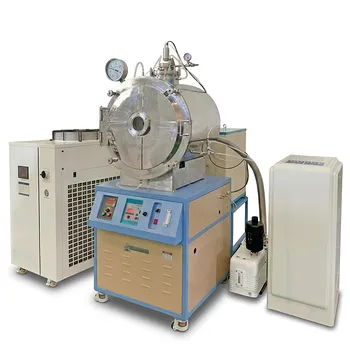
Ultra High Temperature Induction Heated Vacuum Furnace with Molten Salt Electrolysis Capability and 3000 Degree Precision Control
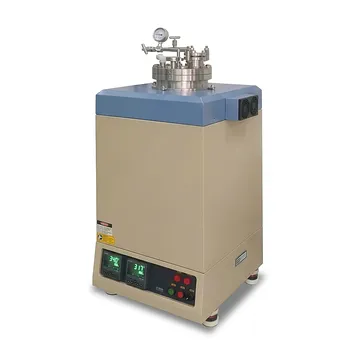
High Temperature 1000C Vacuum Furnace with 8 Inch ID Chamber for Material Sintering and Research Annealing
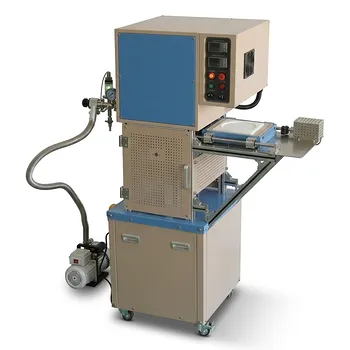
1200°C Bottom Loading Vacuum Furnace with Rapid Gas Cooling and 8.6 Inch Diameter Quartz Chamber
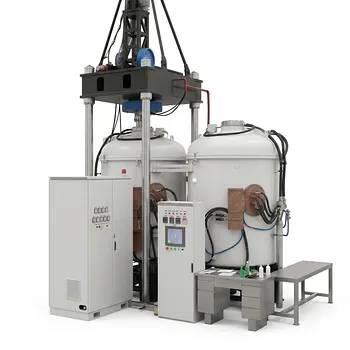
High Pressure 600T Vacuum Induction Hot Press Furnace for Advanced Material Heat Treatment and Sintering
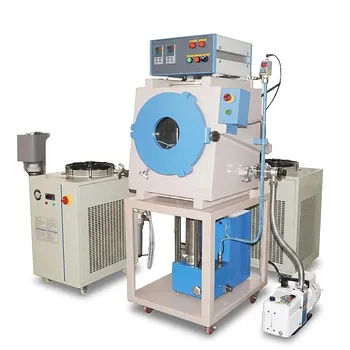
High Temperature Vacuum Lamination Hot Press Furnace Machine for Semiconductor Wafer Bonding and Advanced Composite Thermal Processing
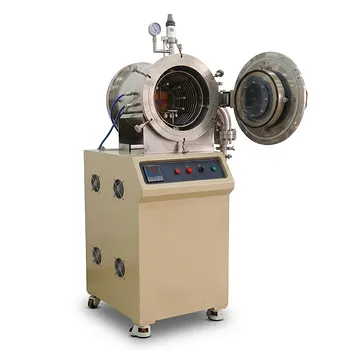
High Temperature Cold Wall High Vacuum Chamber Furnace 1400C for Advanced Material Processing
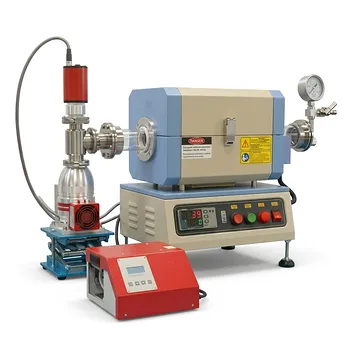
High Vacuum Compact Tube Furnace 1200C with Integrated Turbo Pump System and 8 Inch Heating Zone
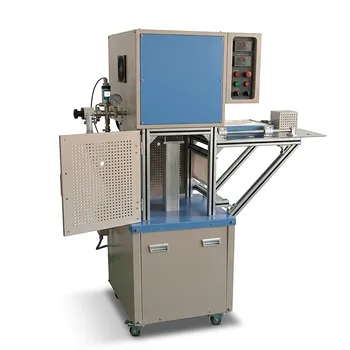
Bottom Loading Vacuum Furnace 1200C Rapid Cooling Atmosphere Control Quartz Chamber
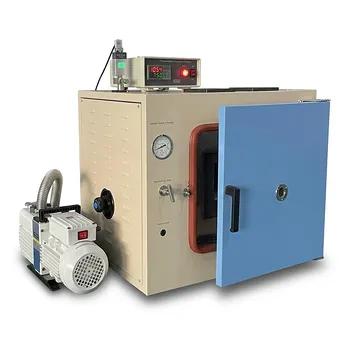
Compact High Vacuum Box Furnace 1050C Max 6.2L Ceramic Chamber Stainless Steel Shell Programmable Temperature Controller for Material Science Research
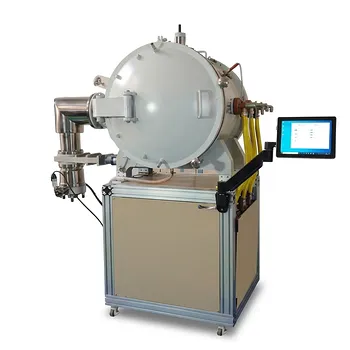
High Temperature Cold Wall Vacuum Furnace for Advanced Material Sintering and Annealing 1600C Heating Area 200x200x300mm
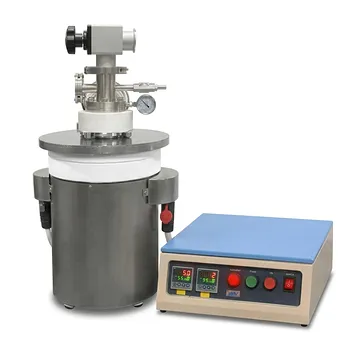
1100C High Temperature Vacuum Crucible Furnace with Quartz Chamber for Thermal Processing and Sintering
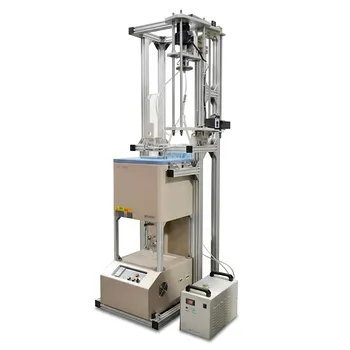
500C Vacuum Vertical Tube Furnace 84mm OD Sample Rotation Lifting System
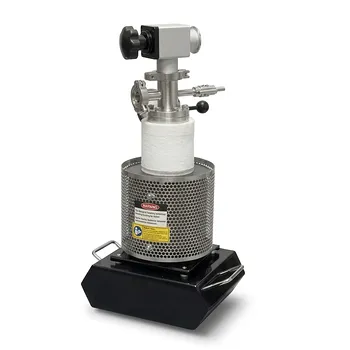
High Temperature 1100C Compact Top Loading Vertical Vacuum Tube Furnace for High Vacuum Noble Metal Melting and Material Research

1800C High Temperature Compact Vacuum Tube Furnace with 60mm OD Alumina Tube and Kanthal MoSi2 Heating Elements
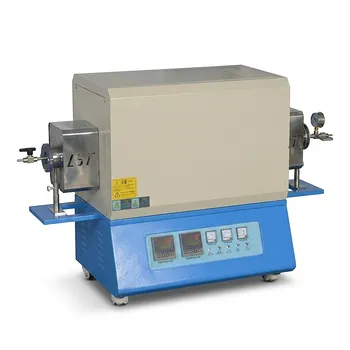
High Temperature Dual Zone Vacuum Tube Furnace for Material Research and CVD Processing
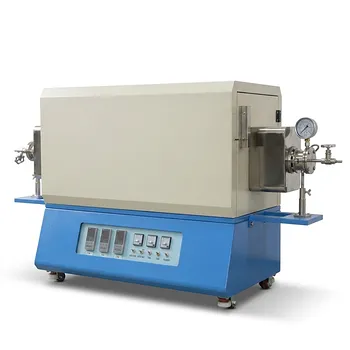
Three Temperature Zone High Temperature Vacuum Tube Furnace for CVD and Material Sintering
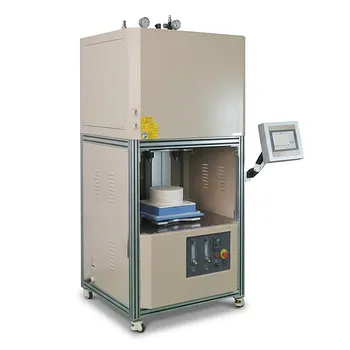
High Temperature Vertical Atmosphere Controlled Furnace 1700C Automatic Bottom Loading 13 Liter Vacuum Thermal System
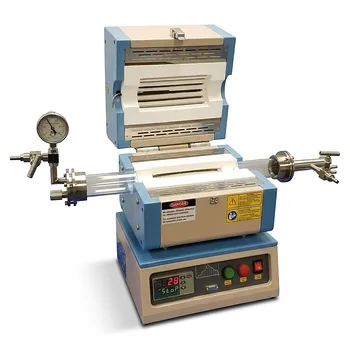
Compact Split Tube Furnace with Integrated Vacuum System and Precision Temperature Calibrator

Compact Vertical Split Quartz Tube Furnace with Stainless Steel Vacuum Flanges for Rapid Thermal Quenching and Controlled Atmosphere Material Processing