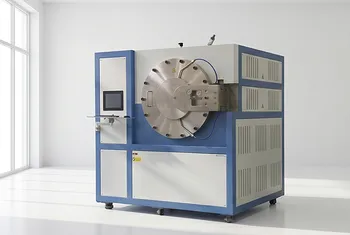
The Purity of Nothing: Why the Vacuum is the Architect of Material Integrity
Jun 16, 2026
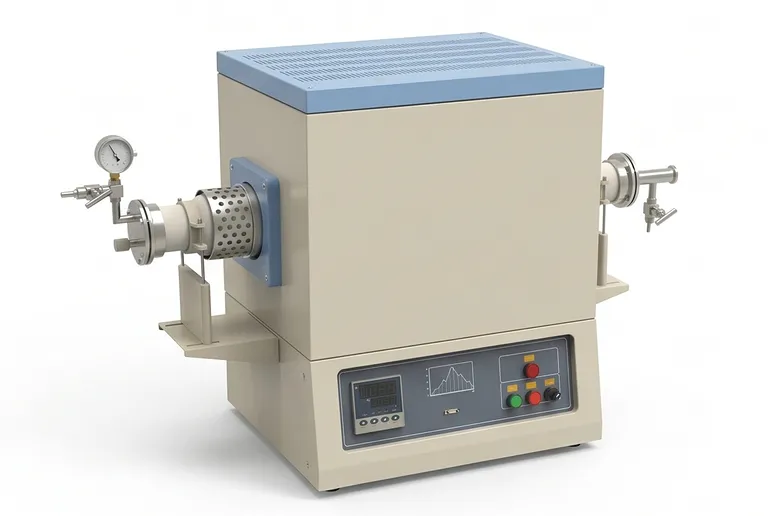
The Invisible Variable: Why Environment Dictates Destiny
In materials science, we often focus on the "what"—the alloy composition, the temperature, the soak time. But the most critical factor is often the "nothing."
When a metal component enters a furnace, it isn't just getting hot; it is engaging in a high-stakes chemical dance with its surroundings. In a standard atmosphere, that dance is a brawl. Oxygen, nitrogen, and water vapor attack the surface, leaving behind scale, depletion, and hidden vulnerabilities.
The vacuum furnace represents a systemic shift in philosophy. By removing the environment, we remove the interference.
Surface Integrity: The Psychology of the 'Bright Finish'
There is a specific kind of beauty in a part that emerges from a vacuum furnace. It is "bright"—as clean and reflective as when it went in.
In salt-bath or atmosphere furnaces, oxidation is the tax you pay for heat. You end up with scale that must be ground away or chemically pickled. This isn't just an aesthetic issue; it’s a dimensional one.
- Zero Oxidation: No oxygen means no scale.
- Dimensional Fidelity: Because you don't have to "clean" the part post-process, the tolerances you machined are the tolerances you keep.
- Economic Flow: Eliminating post-processing steps isn't just about saving money; it's about reducing the number of opportunities for human error.
The Soft Skin Problem: Preventing Decarburization
If you've ever seen a high-performance steel tool fail prematurely, you've likely seen the effects of decarburization.
In atmosphere furnaces, if the carbon potential of the gas isn't perfectly balanced, the steel loses carbon at the surface. It develops a "soft skin." On the outside, the part looks correct. On the inside, the molecular structure is compromised.
Vacuum processing bypasses this risk entirely. By operating in a void, the carbon stays where it belongs—within the matrix of the metal. This ensures that the hardness you calculated on paper is the hardness you achieve in the field.
The Purity of the Void: Degassing and Molecular Strength
Engineers often romanticize the strength of superalloys, but even the best materials have "ghosts"—trapped volatiles and dissolved gases that weaken the structure from within.
The vacuum environment acts as a vacuum cleaner for the molecular level.
- Outgassing: Heat in a vacuum encourages impurities to leave the metal.
- Increased Fatigue Life: By removing these microscopic contaminants, the material becomes more cohesive.
- The Titanium Necessity: For reactive metals like titanium, a vacuum isn't a "choice." In any other environment, titanium would drink the oxygen and become as brittle as glass.
Navigating the Trade-off: Precision vs. Volume
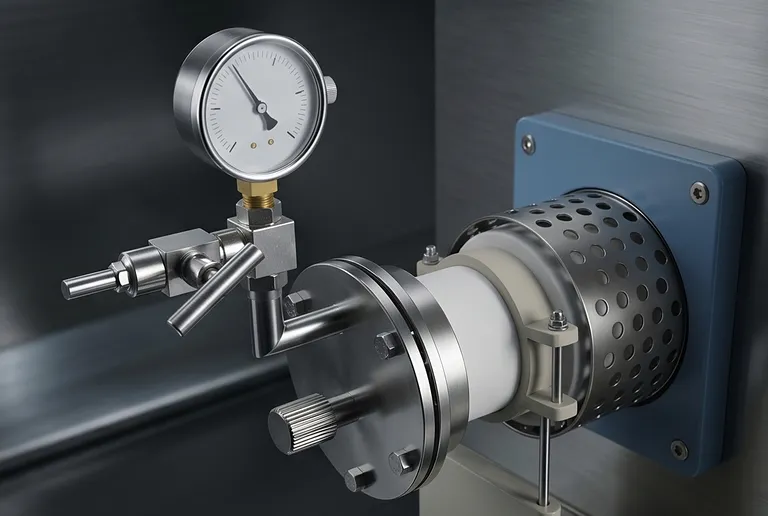
Life is rarely a series of pure wins; it is a series of trade-offs. The decision to use a vacuum furnace is a decision to prioritize quality over the "illusion of speed."
| Feature | Vacuum Furnace | Atmosphere / Salt-bath |
|---|---|---|
| Surface Result | Bright, scale-free | Oxidized / Requires cleaning |
| Material Purity | High (Degassing effect) | Standard |
| Dimensional Risk | Minimal distortion | High (Thermal shock risk) |
| Process Control | Digital, highly repeatable | Analog, gas-balance dependent |
| Best Used For | Aerospace, Medical, R&D | Mass-produced automotive |
Atmosphere furnaces excel at throughput. If you are making a million bolts for a low-stress application, the atmosphere is your friend. But if you are building the turbine blade of a jet engine or a medical implant, "good enough" is a dangerous metric.
The Engineering Choice: Building for Reliability
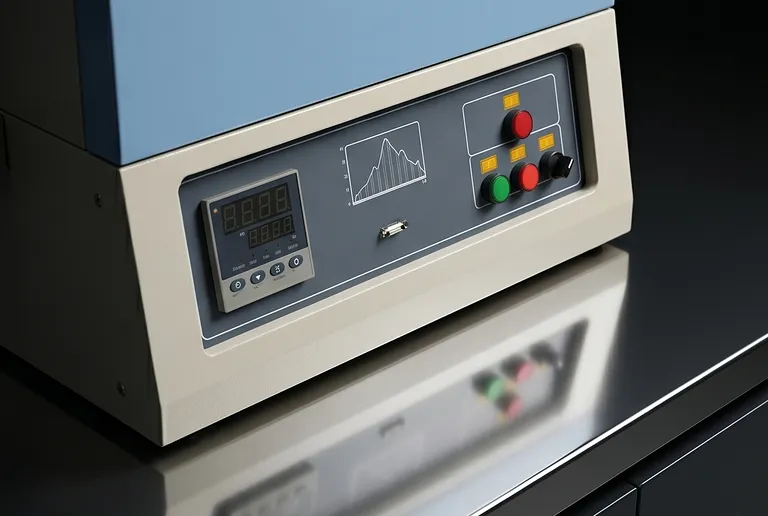
In the laboratory and the R&D center, the goal isn't just to heat a sample—it's to eliminate variables. You want to know that the results you see are a product of your material design, not a byproduct of a contaminated furnace environment.
THERMUNITS designs thermal systems for this exact level of scrutiny. Whether it is a Vacuum Induction Melting (VIM) furnace for high-purity alloying or a specialized CVD system for thin-film research, our equipment is built on the principle that the environment should never be the bottleneck of your innovation.
We provide the "nothing" so that your materials can become "everything."
Ready to eliminate the variables in your thermal processing? Contact Our Experts
Quick Links
Suggested Products
High Pressure 600T Vacuum Induction Hot Press Furnace for Advanced Material Heat Treatment and Sintering Vertical Openable Tube Furnace 0-1700c High Temperature Laboratory System for CVD and Vacuum Heat Treatment 1100C Tube Furnace with Vacuum Flange and Programmable Temperature Controller for Material Science and Industrial Heat Treatment 500C Vacuum Vertical Tube Furnace 84mm OD Sample Rotation Lifting System Induction Heating System with Temperature Control for High Temperature Vacuum Sintering and MeltingFurther Reading
The Geometry of Heat: Why Precision Hot Pressing Defines Modern Composites The Purity of Absence: Why the Human Body Demands Vacuum-Processed Metallurgy The Invisible Chemistry of High Heat: Designing Certainty into Vacuum Hot-Zones The Quiet Architecture of Purity: Why Vacuum Induction Melting Governs High-Yield Metallurgy The Choreography of Density: Mastering the Vacuum Hot Press Sequence
ThermUnits
Last updated on Apr 14, 2026
Related Products
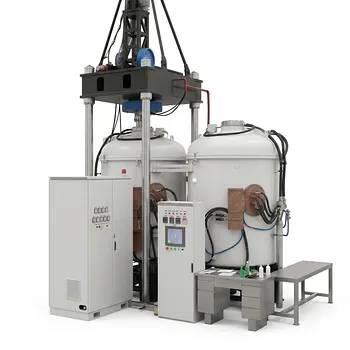
High Pressure 600T Vacuum Induction Hot Press Furnace for Advanced Material Heat Treatment and Sintering
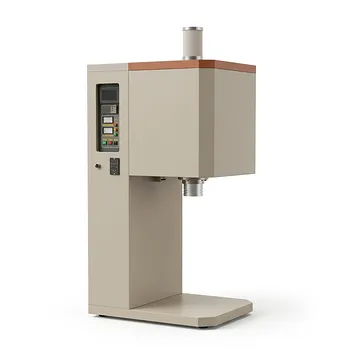
Vertical Openable Tube Furnace 0-1700c High Temperature Laboratory System for CVD and Vacuum Heat Treatment
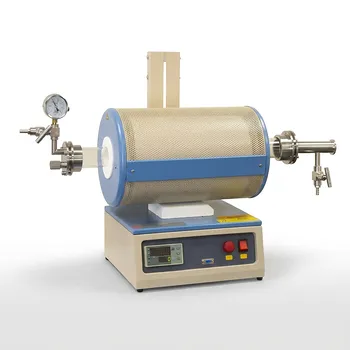
1100C Tube Furnace with Vacuum Flange and Programmable Temperature Controller for Material Science and Industrial Heat Treatment
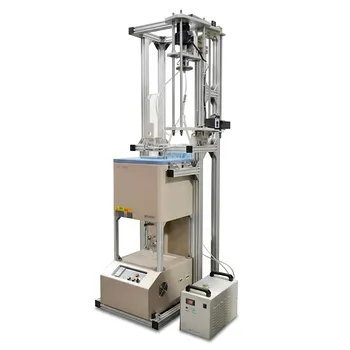
500C Vacuum Vertical Tube Furnace 84mm OD Sample Rotation Lifting System
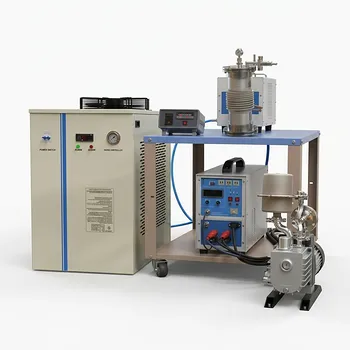
Induction Heating System with Temperature Control for High Temperature Vacuum Sintering and Melting
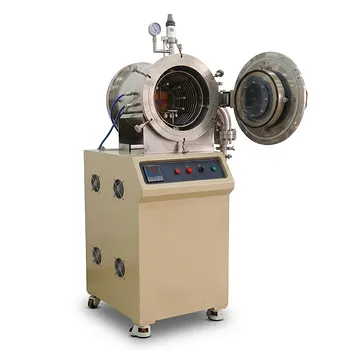
High Temperature Cold Wall High Vacuum Chamber Furnace 1400C for Advanced Material Processing
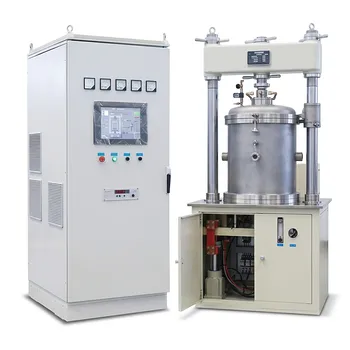
Industrial Vacuum Hot Press Furnace Machine and High Temperature Heated Vacuum Press for Advanced Material Sintering
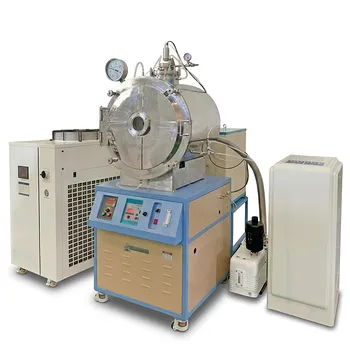
Ultra High Temperature Induction Heated Vacuum Furnace with Molten Salt Electrolysis Capability and 3000 Degree Precision Control
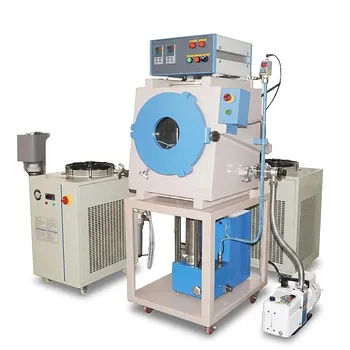
High Temperature Vacuum Lamination Hot Press Furnace Machine for Semiconductor Wafer Bonding and Advanced Composite Thermal Processing
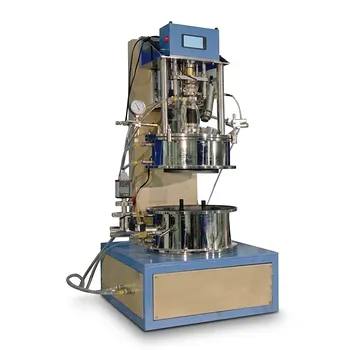
2500C High Vacuum Ultrafast Heating Pellet Press with Automated 8 Sample Loading System
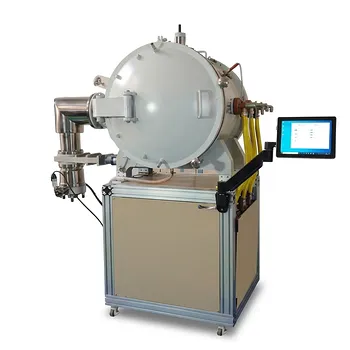
High Temperature Cold Wall Vacuum Furnace for Advanced Material Sintering and Annealing 1600C Heating Area 200x200x300mm

1800C High Temperature Compact Vacuum Tube Furnace with 60mm OD Alumina Tube and Kanthal MoSi2 Heating Elements
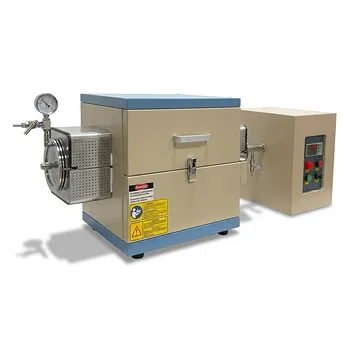
1200C High Temperature 5 Inch Split Vacuum Tube Furnace with 12 Inch Heating Zone and Separated PID Controller
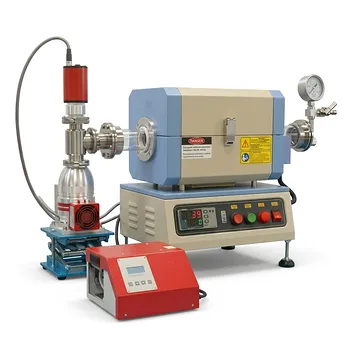
High Vacuum Compact Tube Furnace 1200C with Integrated Turbo Pump System and 8 Inch Heating Zone
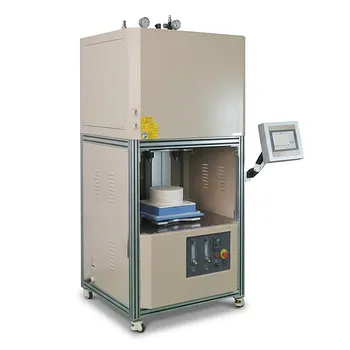
High Temperature Vertical Atmosphere Controlled Furnace 1700C Automatic Bottom Loading 13 Liter Vacuum Thermal System
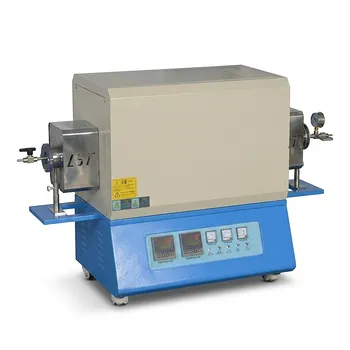
High Temperature Dual Zone Vacuum Tube Furnace for Material Research and CVD Processing
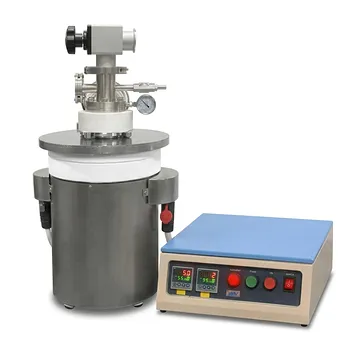
1100C High Temperature Vacuum Crucible Furnace with Quartz Chamber for Thermal Processing and Sintering

High Temperature 1700C Benchtop Tube Furnace with 5 Inch Heating Zone High Purity Alumina Tube and Vacuum Sealing Flanges
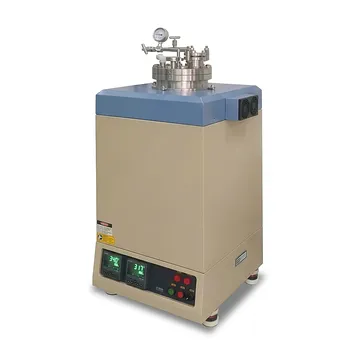
High Temperature 1000C Vacuum Furnace with 8 Inch ID Chamber for Material Sintering and Research Annealing