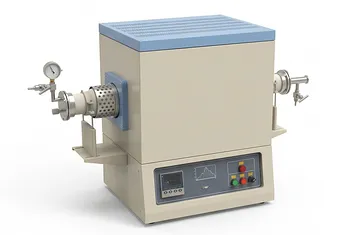
The Purity of Absence: Why the Human Body Demands Vacuum-Processed Metallurgy
Jul 12, 2026
The Invisible Margin of Error
In medicine, we often focus on the surgeon’s hand. But long before the scalpel touches skin, a different kind of precision is required in the furnace.
The human body is a masterpiece of biological aggression. It is warm, salty, and chemically active. To place a piece of titanium or Nitinol inside a living person is to invite a slow-motion war between biology and metallurgy.
For an implant to succeed, it must be more than strong. It must be "clean" at a molecular level. This is why the vacuum is not just a tool; it is a safeguard against the invisible risks of atmospheric contamination.
The Chemistry of Rejection
When reactive metals like titanium or cobalt-chromium meet oxygen at high temperatures, they don’t just heat up. They transform.
In a standard atmosphere, these metals oxidize instantly. This creates a brittle surface layer that the human body recognizes as a foreign threat.
Why Surface Integrity Matters
- Osseointegration: The process where bone cells anchor directly to the metal. If the surface is contaminated with oxides, the bone retreats.
- Biocompatibility: A vacuum-processed surface is chemically "quiet." It does not leach unwanted ions into the bloodstream.
- Infection Control: Pure surfaces are less hospitable to biofilm formation, reducing the risk of post-surgical complications.
The Psychology of Risk: Embrittlement
Engineering for the human body is a lesson in managing fatigue. A hip replacement or a cardiovascular stent must endure millions of cycles of stress.
The greatest enemy of this longevity is hydrogen and oxygen. At high temperatures, these gases migrate into the metal's crystalline structure. This is called embrittlement.
The Silent Failure
Hydrogen embrittlement is the ultimate "hidden risk." The part looks perfect on the outside, but its internal structure is compromised. Under the repetitive stress of a heartbeat or a walking gait, a brittle implant will develop microscopic cracks.
Vacuum processing removes these gases entirely. It ensures the metal remains ductile—capable of bending without breaking—preserving the mechanical integrity of the device for decades.
The Perfection of the Alloy: Vacuum Induction Melting (VIM)
The journey of a medical device begins in the melt. To create high-performance alloys like Nitinol (the shape-memory alloy used in stents), "good enough" purity is a dangerous standard.
Vacuum Induction Melting (VIM) is the engineer’s answer to chaos. By melting the metal in a high-vacuum environment, we eliminate volatile impurities that would otherwise create weak points in the final product.
| Technical Mechanism | Biological Impact | Mechanical Result |
|---|---|---|
| Oxygen Elimination | Enhanced Osseointegration | Prevents Surface Cracking |
| Degassing | Reduced Toxicity | Maximum Ductility |
| Phase Stability | Uniform Tissue Response | Fatigue Resistance |
| Molecular Purity | Long-term Stability | Corrosion Resistance |
The Cost of the Void
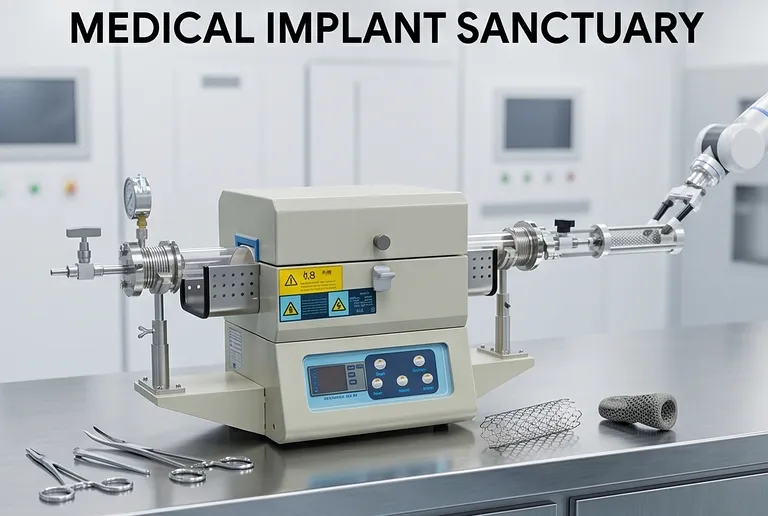
Vacuum processing is difficult. It is more expensive than atmospheric heating. It requires specialized pumps, airtight seals, and technicians who understand the physics of a vacuum.
But in the world of medical R&D, we do not optimize for the lowest cost of production. We optimize for the lowest cost of failure.
When an implant fails, the cost is measured in human suffering and revision surgeries. In that context, the investment in a high-quality vacuum environment is the most rational economic and ethical choice a manufacturer can make.
Engineering Life with THERMUNITS
At THERMUNITS, we provide the controlled environments where material science meets medical necessity. We understand that in high-temperature processing, what you remove is just as important as what you add.
Our suite of thermal solutions is designed for the rigorous demands of medical R&D and industrial production:
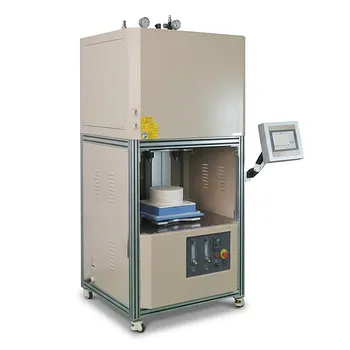
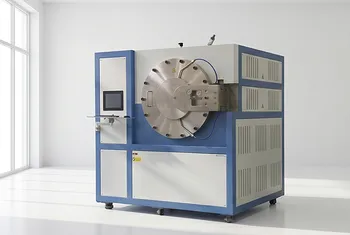
- Vacuum Furnaces: Engineered for oxygen-free heat treatment of titanium and cobalt alloys.
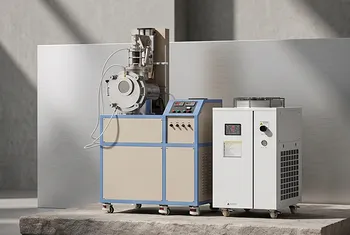
- VIM Systems: Enabling the creation of ultra-high-purity alloys like Nitinol with precise phase stability.
- Muffle & Atmosphere Furnaces: Providing the versatility needed for specialized dental and orthopedic sintering.
Whether you are developing the next generation of cardiovascular stents or load-bearing orthopedic implants, our equipment ensures that your materials are as resilient as the patients who rely on them.
Secure the integrity of your medical innovations.
Quick Links
Suggested Products
Vertical Vacuum Furnace 1100C High Temperature 8 Inch Quartz Chamber Water Cold Flange System High Temperature 1000C Vacuum Furnace with 8 Inch ID Chamber for Material Sintering and Research Annealing Ultra High Temperature Induction Heated Vacuum Furnace with Molten Salt Electrolysis Capability and 3000 Degree Precision Control High Temperature Vacuum Lamination Hot Press Furnace Machine for Semiconductor Wafer Bonding and Advanced Composite Thermal Processing High Temperature Cold Wall High Vacuum Chamber Furnace 1400C for Advanced Material ProcessingFurther Reading
The Invisible Chemistry of High Heat: Designing Certainty into Vacuum Hot-Zones The Geometry of Force: Why Vacuum Hot Pressing Redefines Ceramic Integrity The Architecture of Density: Mastering the Mechanics of Vacuum Hot Pressing The Choreography of Density: Mastering the Vacuum Hot Press Sequence The Purity of Nothing: Why the Vacuum is the Architect of Material Integrity
ThermUnits
Last updated on Apr 14, 2026
Related Products
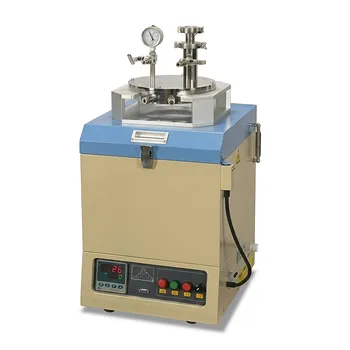
Vertical Vacuum Furnace 1100C High Temperature 8 Inch Quartz Chamber Water Cold Flange System
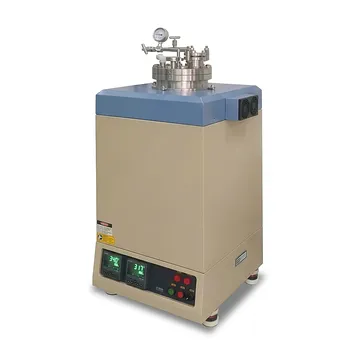
High Temperature 1000C Vacuum Furnace with 8 Inch ID Chamber for Material Sintering and Research Annealing
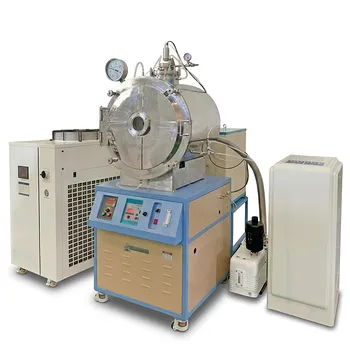
Ultra High Temperature Induction Heated Vacuum Furnace with Molten Salt Electrolysis Capability and 3000 Degree Precision Control
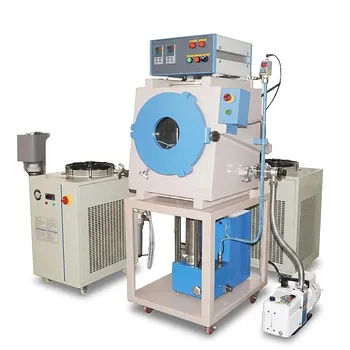
High Temperature Vacuum Lamination Hot Press Furnace Machine for Semiconductor Wafer Bonding and Advanced Composite Thermal Processing
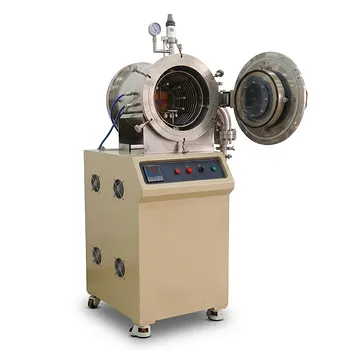
High Temperature Cold Wall High Vacuum Chamber Furnace 1400C for Advanced Material Processing
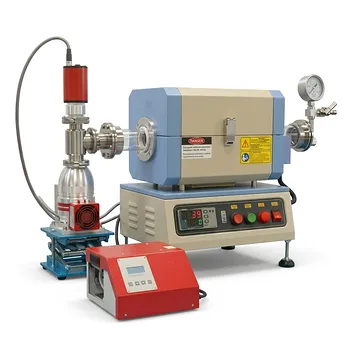
High Vacuum Compact Tube Furnace 1200C with Integrated Turbo Pump System and 8 Inch Heating Zone
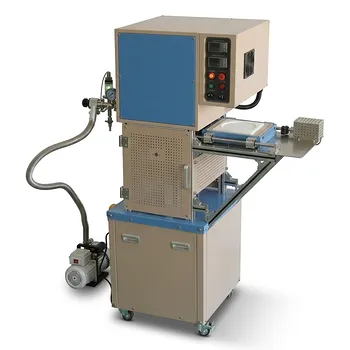
1200°C Bottom Loading Vacuum Furnace with Rapid Gas Cooling and 8.6 Inch Diameter Quartz Chamber
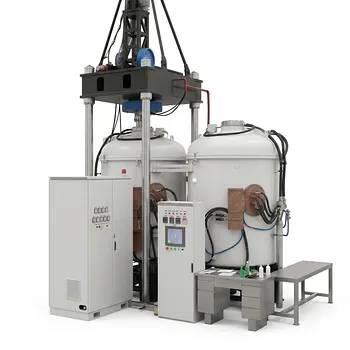
High Pressure 600T Vacuum Induction Hot Press Furnace for Advanced Material Heat Treatment and Sintering
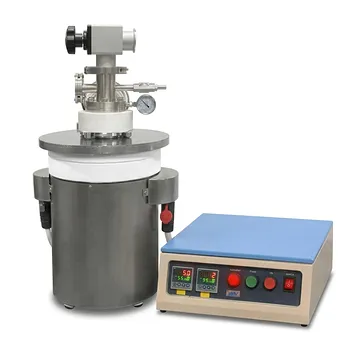
1100C High Temperature Vacuum Crucible Furnace with Quartz Chamber for Thermal Processing and Sintering
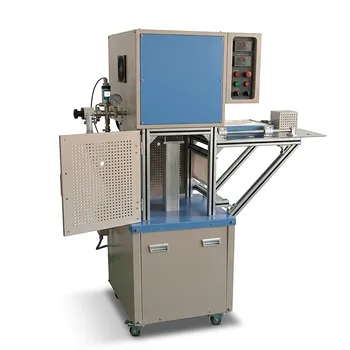
Bottom Loading Vacuum Furnace 1200C Rapid Cooling Atmosphere Control Quartz Chamber
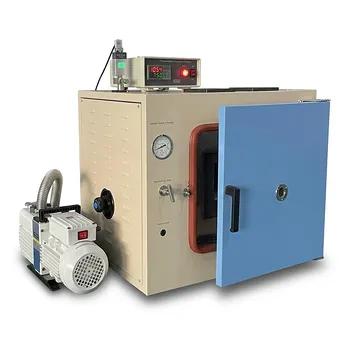
Compact High Vacuum Box Furnace 1050C Max 6.2L Ceramic Chamber Stainless Steel Shell Programmable Temperature Controller for Material Science Research

1750°C High Temperature Benchtop Vacuum Atmosphere Tube Furnace with Kanthal Super 1800 Heating Elements and 60mm Alumina Processing Tube
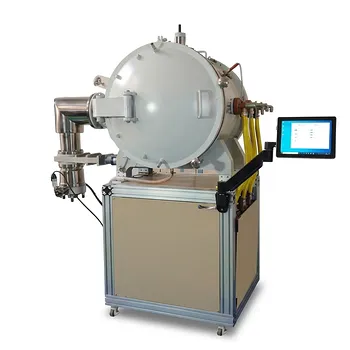
High Temperature Cold Wall Vacuum Furnace for Advanced Material Sintering and Annealing 1600C Heating Area 200x200x300mm

1800C High Temperature Compact Vacuum Tube Furnace with 60mm OD Alumina Tube and Kanthal MoSi2 Heating Elements
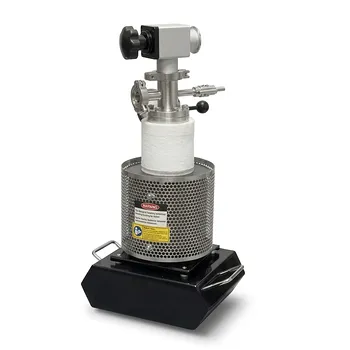
High Temperature 1100C Compact Top Loading Vertical Vacuum Tube Furnace for High Vacuum Noble Metal Melting and Material Research
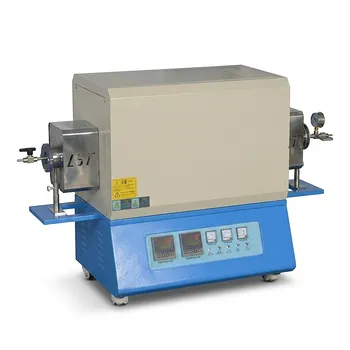
High Temperature Dual Zone Vacuum Tube Furnace for Material Research and CVD Processing
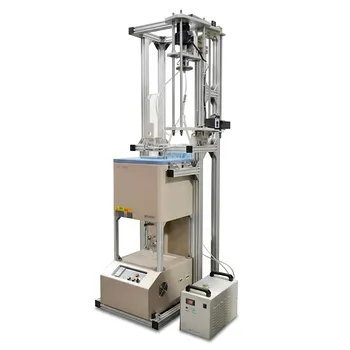
500C Vacuum Vertical Tube Furnace 84mm OD Sample Rotation Lifting System
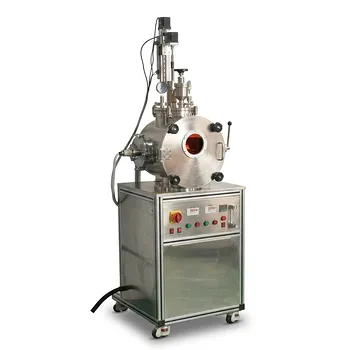
High Vacuum Melting Casting Furnace with Mechanical Stirring and Secondary Charge for Metallic Alloy Research
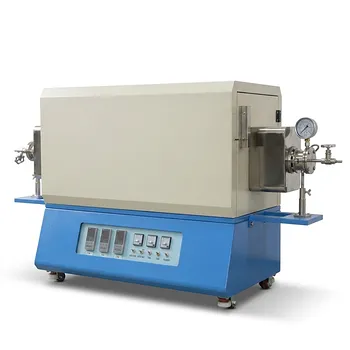
Three Temperature Zone High Temperature Vacuum Tube Furnace for CVD and Material Sintering