The Architecture of Controlled Disorder: Engineering Hard Carbon for the Sodium-Ion Era
Jun 05, 2026
The Alchemy of the Ordinary
In the world of energy storage, there is a strange sort of alchemy happening inside the laboratory. We take the remnants of life—coconut shells, corn stover, or woody biomass—and subject them to a controlled, high-temperature purgatory.
The goal isn't to destroy the material, but to strip away its past. By removing hydrogen and oxygen, we are left with a skeleton of carbon.
But not all carbon is equal. For the rising tide of sodium-ion batteries, we don't want the perfect order of graphite. We want "Hard Carbon"—a material defined by its stubborn refusal to become organized. This "controlled disorder" is what allows large sodium ions to find a home.
The Vacuum of Intent
The first rule of carbonization is simple: Oxygen is the enemy.
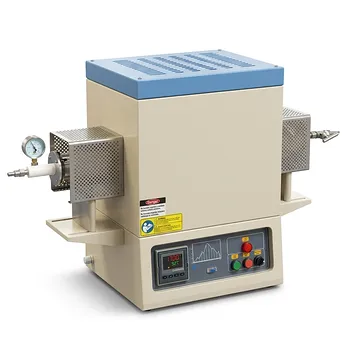
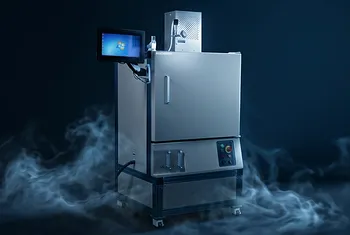
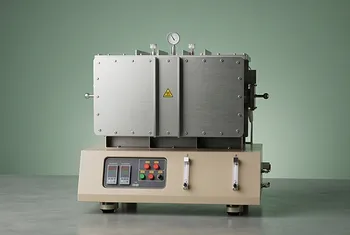
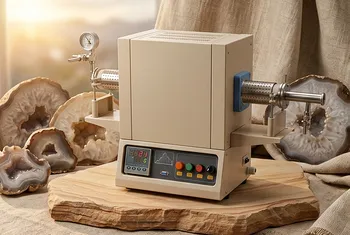
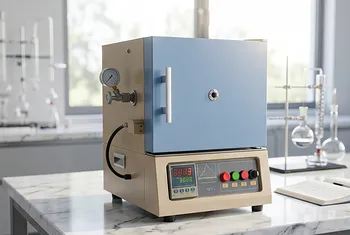
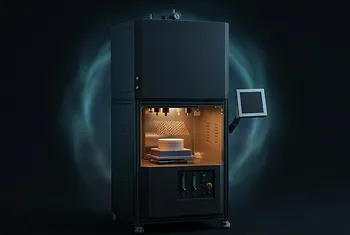
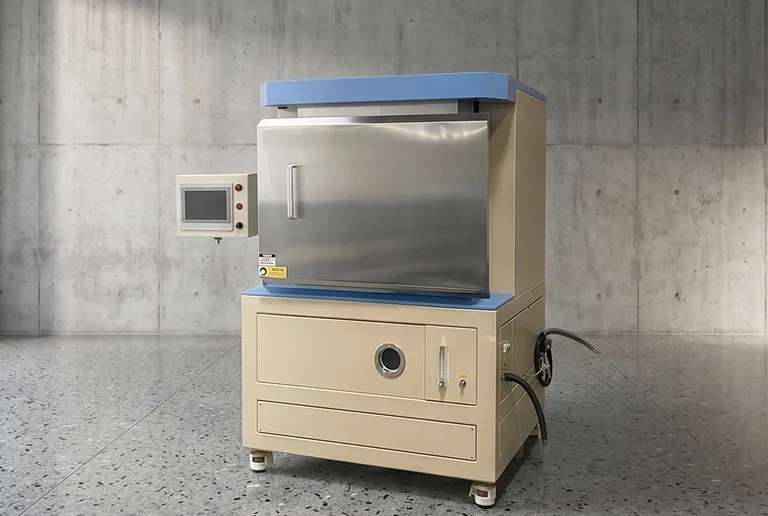
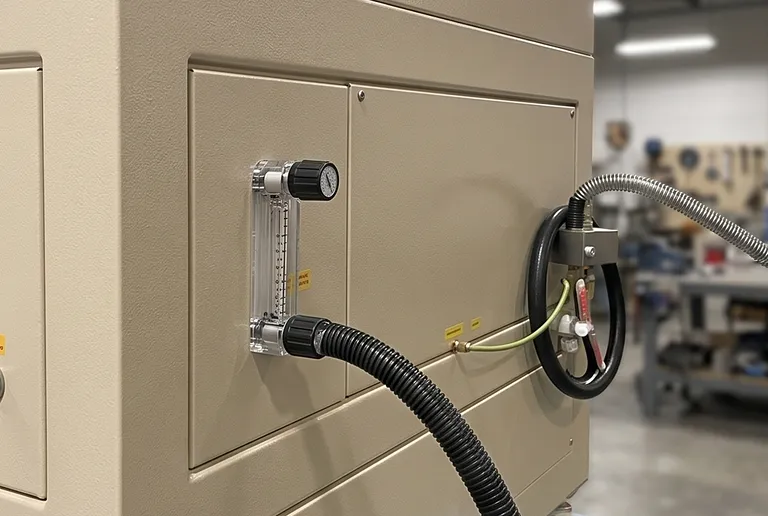
In a standard environment, biomass burns. It turns to ash and CO2. To create a battery material, the High-Temperature Atmosphere Furnace must act as a sanctuary of exclusion. By flooding the chamber with inert Nitrogen (N₂) or Argon (Ar), we create a space where chemistry happens without combustion.
This oxygen-free environment allows for:
- Dehydrogenation: Stripping the hydrogen atoms that clutter the organic precursor.
- Deoxygenation: Removing oxygen to increase the fixed carbon density.
- Polycondensation: Forcing carbon atoms to bond into a robust, functional framework.
The D-Spacing Dilemma
In engineering, as in psychology, the most important variables are often the ones you cannot see. In hard carbon, that variable is interlayer spacing (d-spacing).
Sodium ions are larger and more "clumsy" than lithium ions. They need wide paths to move. The furnace is the tool that sets these dimensions.
If the temperature is too low, the carbon is "raw" and unstable. If it climbs too high—approaching 1600°C—the material begins to graphitize. The layers collapse, the "disorder" vanishes, and the sodium ions are locked out.
The atmosphere furnace is not just a heater; it is a precision regulator of atomic-scale real estate.
Precision as a Systemic Requirement
A single batch of hard carbon contains billions of particles. If the temperature in the furnace fluctuates by even a few degrees from one side of the crucible to the other, the batch is compromised.
Inconsistency is the silent killer of R&D. When one part of your sample is "over-cooked" into a pseudo-graphite and the other is "under-carbonized," your electrochemical data becomes a lie.
True thermal processing requires Temperature Uniformity. It ensures that every micro-pore and every graphene sheet across the entire specimen has experienced the same thermal history.
The Engineer’s Trade-off
Every material choice is a trade-off. In the furnace, we balance three conflicting goals:
| Parameter | The "Push" | The "Pull" |
|---|---|---|
| Higher Temperature | Increases electrical conductivity. | Decreases active storage sites (d-spacing shrinks). |
| Slow Heating Rate | Preserves the delicate pore structure. | Increases energy consumption and cycle time. |
| Argon Atmosphere | Provides total inertness for purity. | Higher operational cost compared to Nitrogen. |
Engineering the Future with THERMUNITS
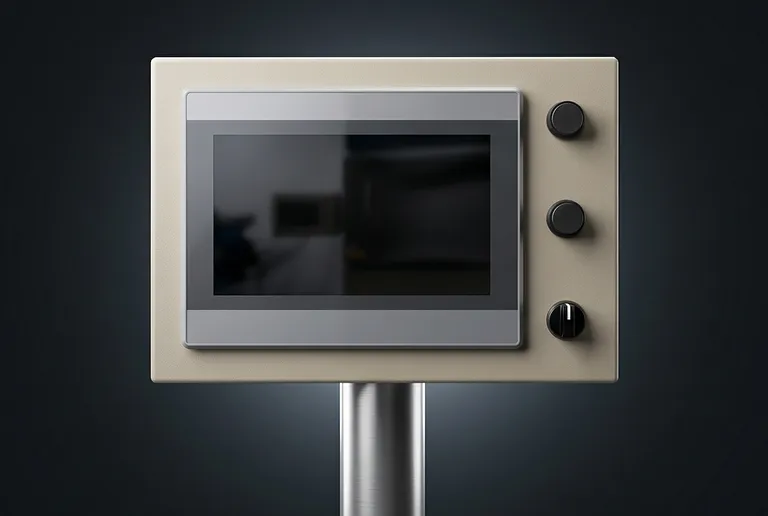
At THERMUNITS, we understand that the furnace is the foundational reactor of your research. We don't just build boxes that get hot; we build precision instruments that allow you to dictate the structural DNA of your materials.
Whether you are seeking the perfect d-spacing for sodium-ion storage or engineering complex C/C composites, our thermal solutions provide the stability your data depends on.
Our specialized lineup includes:
- Atmosphere & Vacuum Furnaces: For oxygen-sensitive pyrolysis.
- Tube & Rotary Furnaces: Designed for uniform, scalable carbonization.
- VIM & Hot Press Furnaces: For advanced metallurgical and composite R&D.
- CVD/PECVD Systems: For precision surface engineering and layer deposition.
The path from raw biomass to high-performance energy storage is a journey of thermal discipline. To ensure your material achieves its full potential, Contact Our Experts.
Quick Links
Suggested Products
1650C High Temperature Atmosphere Controlled Box Furnace with 65L Chamber for Advanced Material Sintering and Industrial Heat Treatment High Temperature Vertical Atmosphere Controlled Furnace with Automatic Bottom Loading and 1700°C Capacity for Advanced Material Research 1750°C High Temperature Benchtop Vacuum Atmosphere Tube Furnace with Kanthal Super 1800 Heating Elements and 60mm Alumina Processing Tube High Temperature Oxygen and Inert Atmosphere Controlled Furnace 8 Liter 1700C Sintering System for Advanced Materials RD High Temperature Hydrogen Atmosphere Box Furnace 1650C Max Reducing Environment Material Synthesis System 8x8x8 ChamberFurther Reading
The Invisible Barrier: Why Precision Thermal Control Requires Chemical Silence The Invisible Boundary: Mastering Chemistry within the Architecture of Sintering The Architecture of Atoms: Decoding the Thermal Divide Between Sintering and Firing The Thermal Architect: Engineering the Nano-Geometry of Hard Carbon The Architecture of Transformation: Why 1000°C is the Rubicon for Conductive Wood
ThermUnits
Last updated on Apr 14, 2026
Related Products
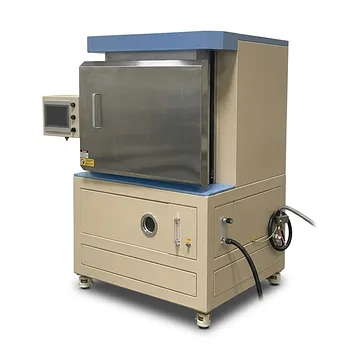
1650C High Temperature Atmosphere Controlled Box Furnace with 65L Chamber for Advanced Material Sintering and Industrial Heat Treatment
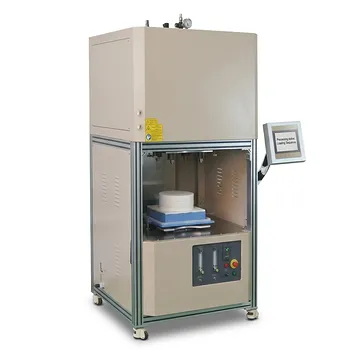
High Temperature Vertical Atmosphere Controlled Furnace with Automatic Bottom Loading and 1700°C Capacity for Advanced Material Research
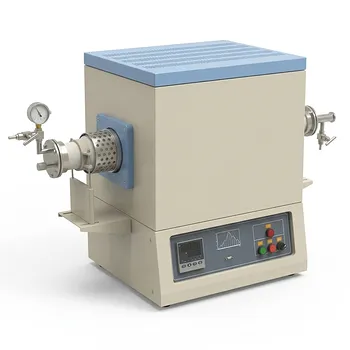
1750°C High Temperature Benchtop Vacuum Atmosphere Tube Furnace with Kanthal Super 1800 Heating Elements and 60mm Alumina Processing Tube
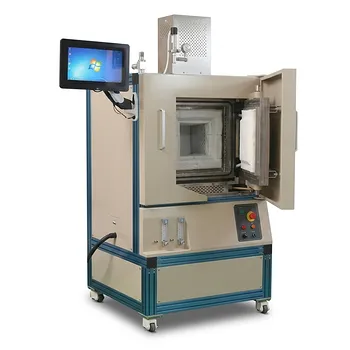
High Temperature Oxygen and Inert Atmosphere Controlled Furnace 8 Liter 1700C Sintering System for Advanced Materials RD
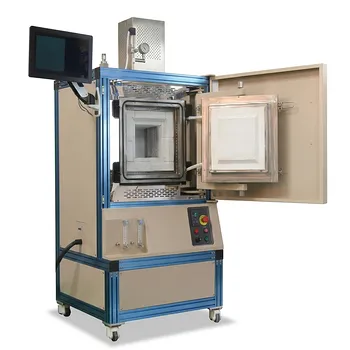
High Temperature Hydrogen Atmosphere Box Furnace 1650C Max Reducing Environment Material Synthesis System 8x8x8 Chamber
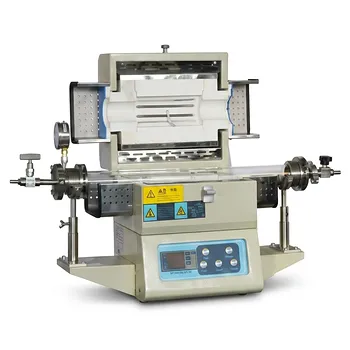
High Temperature 1200C Split Tube Furnace for CVD Research and Vacuum Atmosphere Heat Treatment
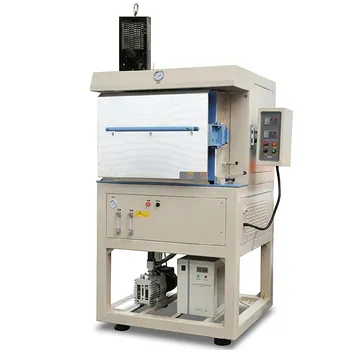
1200C Hydrogen Atmosphere Box Furnace with 5 Heated Sides and 64L Chamber
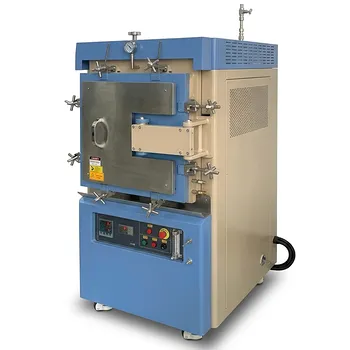
Atmosphere Controlled Muffle Furnace 1700C Maximum Temperature 80L High Capacity Vacuum Inert Gas Box Furnace
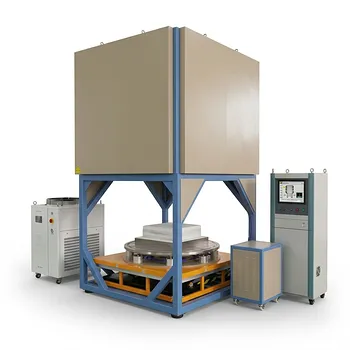
Bottom Loaded Inert Gas Atmosphere Box Furnace 1700C 1300C 216L Large Capacity Industrial Thermal Processing System
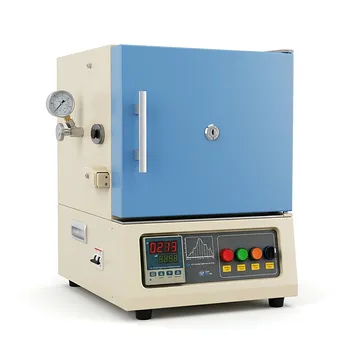
1200C Hybrid Muffle and Tube Furnace for Material Research with Dual Atmosphere Control Quartz Tubes
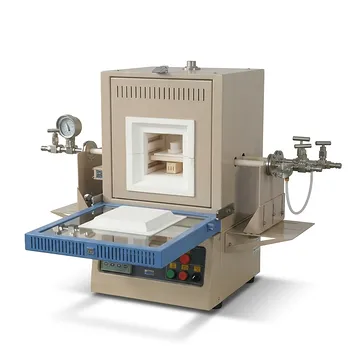
1700C Compact Hybrid Furnace with Dual Layer Box Sintering and Controlled Atmosphere Alumina Tubes
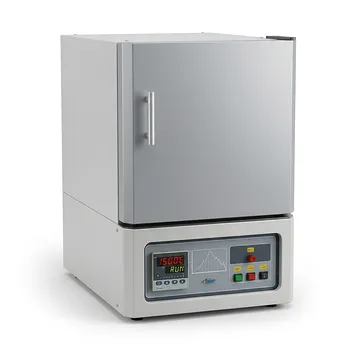
High Temperature 1500C Benchtop Muffle Furnace 3.6L Alumina Fiber Chamber Programmable Controller Sintering Annealing Carbonization Thermal Processing System

Vertical 1700C Vacuum and Atmosphere Tube Furnace with 80mm Alumina Tube

High Temperature 1700C Tube Furnace with High Vacuum Turbomolecular Pump System and Multi Channel Mass Flow Controller Gas Mixer
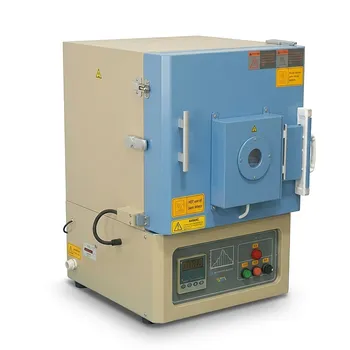
High Temperature Benchtop Muffle Furnace 1500C with 3.6L Chamber and Quartz Observation Window
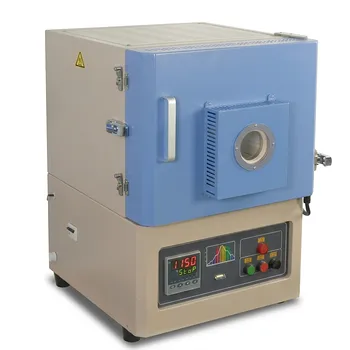
High Temperature Benchtop Muffle Furnace with Quartz Observation Window for Thermal Imaging and Material Analysis
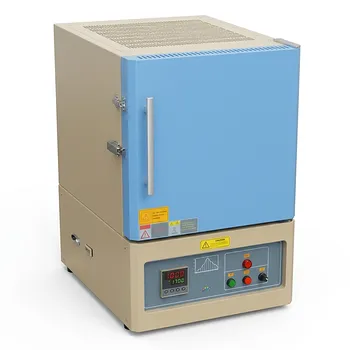
Large Bench Top 1700C High Temperature Muffle Furnace with 19L Chamber for Advanced Material Sintering and Annealing

High Temperature 1700C Benchtop Tube Furnace with 5 Inch Heating Zone High Purity Alumina Tube and Vacuum Sealing Flanges
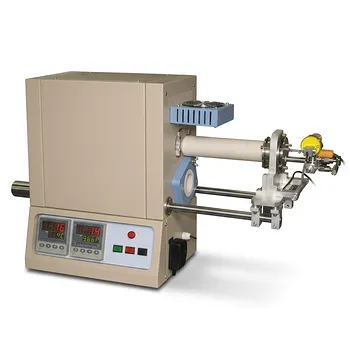
High Temperature Tube Furnace 1500C with Sliding Flanges and 50mm OD for Rapid Thermal Processing Fast Heating and Cooling