The Invisible Architecture of a Smile: Engineering Dental Ceramics at 1700°C
Jul 21, 2026
The Margin of Error
In dental restoration, the difference between a lifelong success and a premature fracture is often invisible to the naked eye. It happens inside the furnace.
A dental crown must perform a dual role: it must possess the translucency of a natural tooth and the structural strength of a biological machine. These two traits are forged at opposite ends of the temperature spectrum.
Precision in this field is not merely about "heat." It is about the systemic management of atomic movement.
The Aesthetic Layer: Porcelain and Glass-Ceramics
When we operate between 800°C and 1200°C, we are working on the "skin" of the restoration. This is the realm of porcelain firing and glazing.
The Purpose of the Melt
At these temperatures, the goal is not structural transformation but aesthetic fusion. We are bonding ceramic layers to a framework, creating a surface that mimics the light-scattering properties of natural enamel.
The Necessity of Nothing
Porcelain furnaces frequently employ a vacuum. By removing air, we eliminate the tiny bubbles that would otherwise cloud the ceramic.
- Result: Increased density.
- Outcome: High translucency.
The Risk of Thermal Shock
Precision here is about the Coefficient of Thermal Expansion (CTE). If the cooling phase is not perfectly linear, the porcelain "crazes"—developing microscopic cracks that compromise the bond to the underlying structure.
The Structural Core: Zirconia Sintering
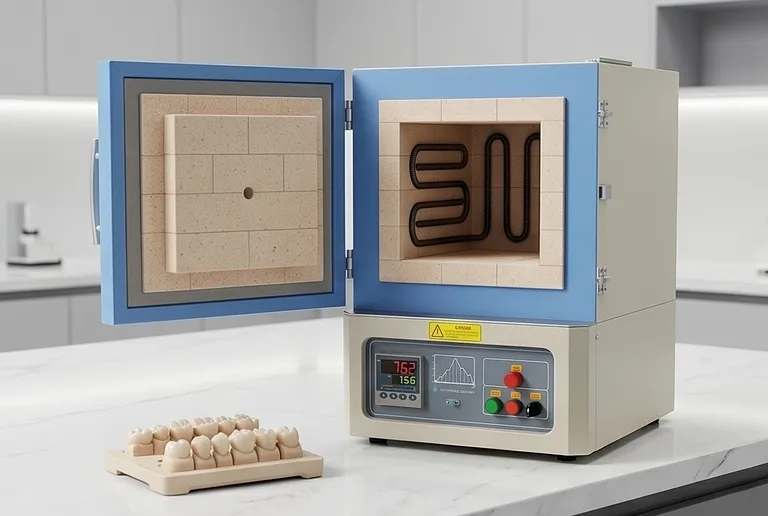
To move from aesthetics to structural integrity, we must cross the threshold into high-energy physics. Zirconia sintering requires temperatures between 1400°C and 1700°C.
Solid-State Diffusion
In its "green" state, zirconia is porous and fragile. At 1600°C, the material undergoes solid-state diffusion. Atoms migrate across grain boundaries, fusing particles at an atomic level without the material ever reaching a liquid state.
The Cost of Speed
Modern labs often face the temptation of "fast-sintering." While psychologically appealing for throughput, trading time for heat can be dangerous.
- Grain Growth: Insufficient dwell time leads to irregular grain sizes.
- Stability: Incomplete densification reduces hydrothermal stability, making the restoration prone to "aging" in the oral environment.
Thermal Boundaries at a Glance
| Process | Temperature | Primary Mechanism | Critical Equipment Feature |
|---|---|---|---|
| Porcelain Firing | 800°C – 1,200°C | Surface Fusion / Glazing | Integrated Vacuum System |
| Zirconia Sintering | 1,400°C – 1,700°C | Solid-State Diffusion | MoSi2 Heating Elements |
| Crystallization | Mid-Range | Phase Transition | Precise Dwell Control |
The Engineer’s Requirement: Precision Control
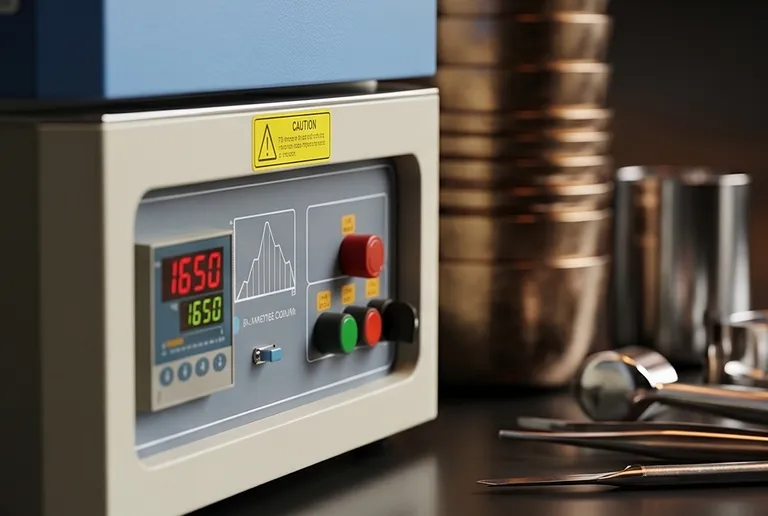
A furnace is more than a heater; it is a stability engine. At 1700°C, the environment is hostile. Heating elements like Molybdenum Disilicide (MoSi2) must provide consistent energy without shedding particles that could discolor the restoration.
Furthermore, zirconia undergoes a 20-25% volumetric shrinkage during sintering. A temperature deviation of even 50°C can result in a dimensional mismatch, rendering a precision-milled bridge useless.
Why Thermal Consistency Matters
The psychology of laboratory management often focuses on speed, but the physics of ceramics demands patience.
- Uniform Ramp Rates: Prevents internal stresses.
- Soak Periods: Ensures the core of the material reaches the same density as the surface.
- Decontamination: High-purity saggars and clean cycles prevent the "yellowing" of zirconia.
Elevate Your Laboratory Standards
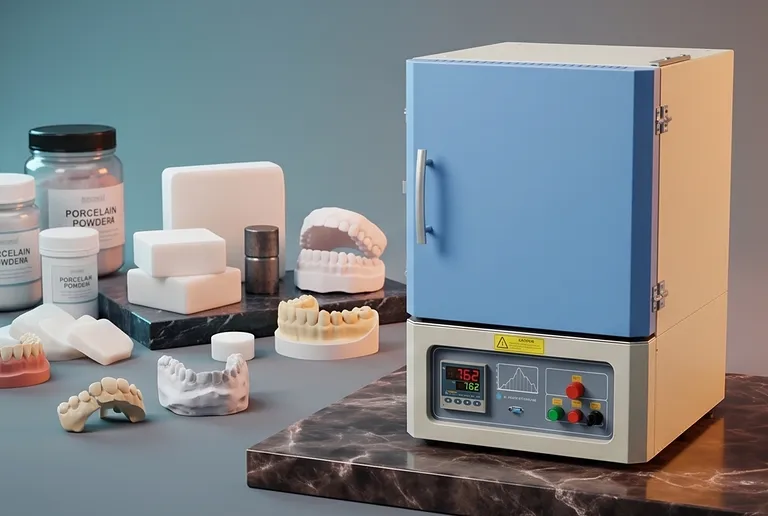
At THERMUNITS, we understand that thermal processing is the heartbeat of material science. As a leading manufacturer of high-temperature laboratory equipment, we design our Dental Furnaces to meet the exacting tolerances of modern R&D and clinical production.
Whether you are performing delicate porcelain glazing or high-strength zirconia sintering, our systems provide the thermal stability required for perfection. Our expertise extends across a full suite of specialized equipment:
- Muffle, Vacuum, and Atmosphere Furnaces
- High-Temperature Tube and Rotary Kilns
- CVD/PECVD Systems for Advanced Coatings
- Vacuum Induction Melting (VIM) for Alloy Development
The integrity of every restoration begins with the precision of the heat. To find the right thermal solution for your workflow, Contact Our Experts.
Quick Links
Suggested Products
High Temperature 1700C Vertical Tube Furnace for Powder Spherification and Material Sintering High Temperature Compact Muffle Furnace 1700 C with 30 Segment Programmable Controller and 1.7L Cubic Chamber High Temperature 1700C Bench Top Muffle Furnace with Alumina Fiber Insulation and 3.6L Chamber Capacity for Precision Sintering and Heat Treatment Large Bench Top 1700C High Temperature Muffle Furnace with 19L Chamber for Advanced Material Sintering and Annealing 1700C Compact Hybrid Furnace with Dual Layer Box Sintering and Controlled Atmosphere Alumina TubesFurther Reading
The Architecture of Heat: Why Verticality Defines Modern Metallurgical Simulation The Geometry of Heat: Engineering Magnetic Biochar Through Controlled Pyrolysis The Architecture of Absence: Why Atmosphere Control Defines the Fate of Mesoporous Carbon The Silent Guardian of Kinetics: The Engineering Logic Behind Stable Molten Salt Environments The Architecture of Isolation: Why Atmosphere Defines Material Destiny
ThermUnits
Last updated on Apr 14, 2026
Related Products

High Temperature 1700C Vertical Tube Furnace for Powder Spherification and Material Sintering
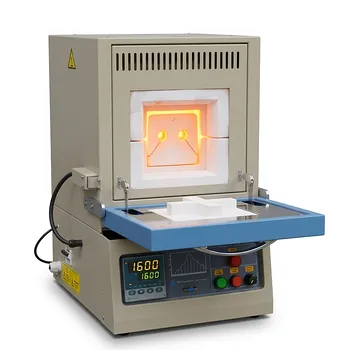
High Temperature Compact Muffle Furnace 1700 C with 30 Segment Programmable Controller and 1.7L Cubic Chamber
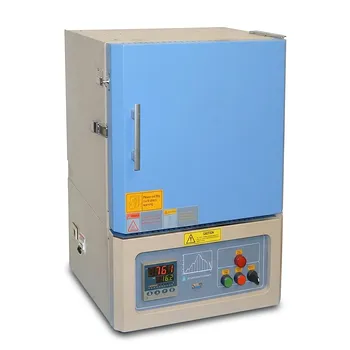
High Temperature 1700C Bench Top Muffle Furnace with Alumina Fiber Insulation and 3.6L Chamber Capacity for Precision Sintering and Heat Treatment
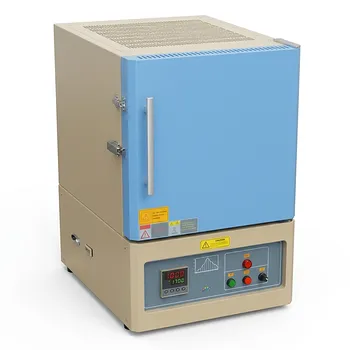
Large Bench Top 1700C High Temperature Muffle Furnace with 19L Chamber for Advanced Material Sintering and Annealing
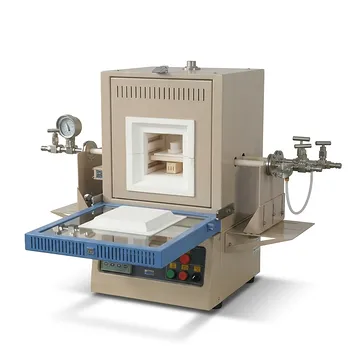
1700C Compact Hybrid Furnace with Dual Layer Box Sintering and Controlled Atmosphere Alumina Tubes
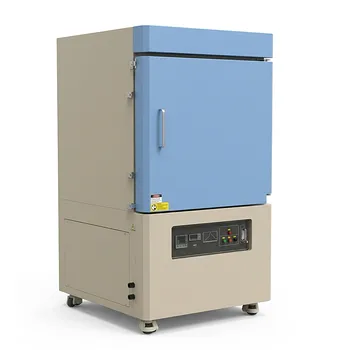
Industrial Large Box Furnace 1700C 216L High Temp Muffle Sintering System
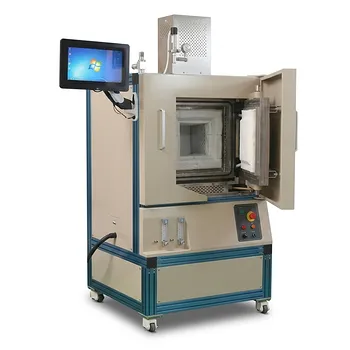
High Temperature Oxygen and Inert Atmosphere Controlled Furnace 8 Liter 1700C Sintering System for Advanced Materials RD
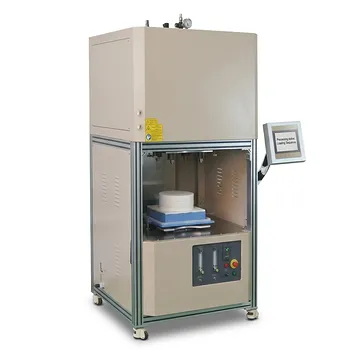
High Temperature Vertical Atmosphere Controlled Furnace with Automatic Bottom Loading and 1700°C Capacity for Advanced Material Research
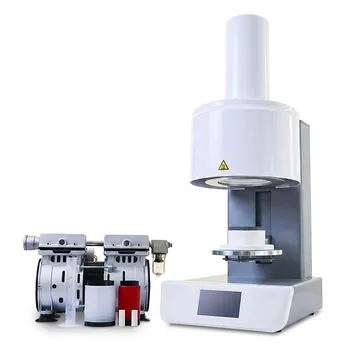
Dental Porcelain Zirconia Sintering Ceramic Vacuum Press Furnace
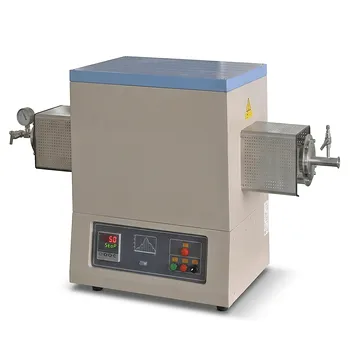
High Temperature 1700C Tube Furnace with 4 Inch OD Alumina Tube and Vacuum Sealing Flanges
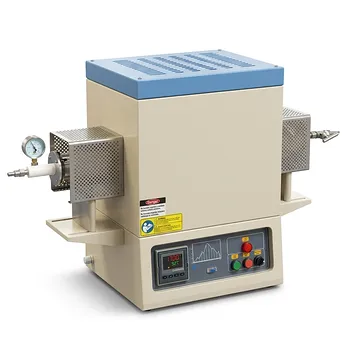
High Temperature Three Zone Tube Furnace 1700C with Alumina Tube and Water Cooled Flanges
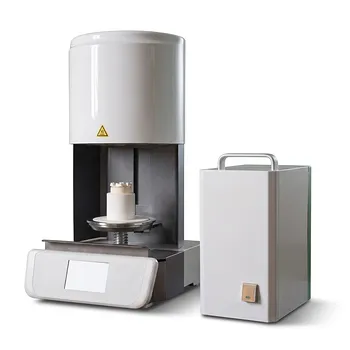
Dental Porcelain Zirconia Sintering Ceramic Furnace Chairside with Transformer
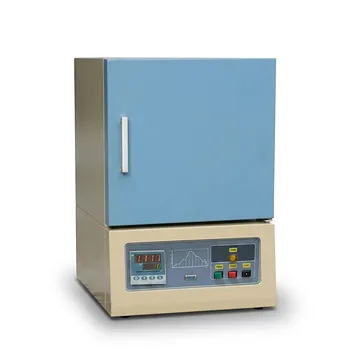
Ultra High Temperature Bench Top Muffle Furnace 1750C Sintering System with Kanthal Super Heating Elements and Precision Digital Control
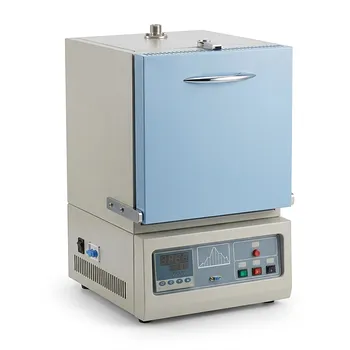
1750C Compact Muffle Furnace 1.7L Ultra High Temperature Laboratory Sintering System for Advanced Ceramics and Material Science Research
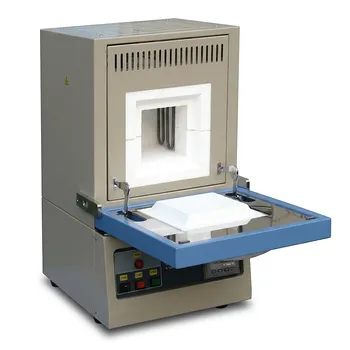
High Temperature 1800C Compact Muffle Furnace with Kanthal Super 1900 Heating Elements and 1.7L Alumina Chamber
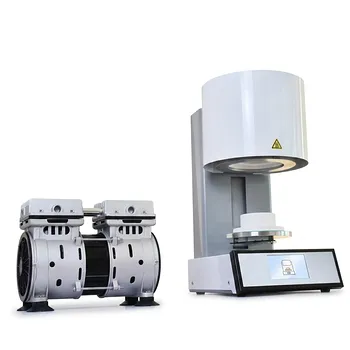
Vacuum Dental Porcelain Sintering Furnace for High Precision Ceramic Restorations
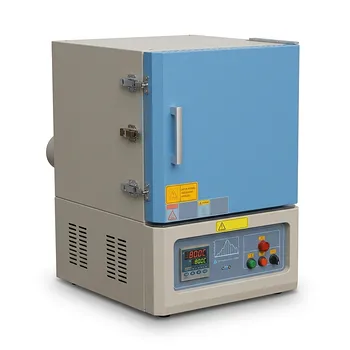
1800C Bench Top Muffle Furnace 18 Liters with Kanthal Super 1900 Heating Elements for High Purity Ceramic Sintering and Material Research
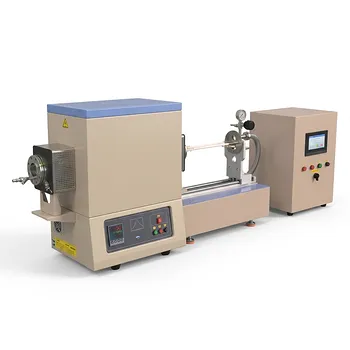
High Temperature Horizontal Electrical Assisted Sintering Furnace with 3KW Programmable Power Source for Advanced Ceramic Materials
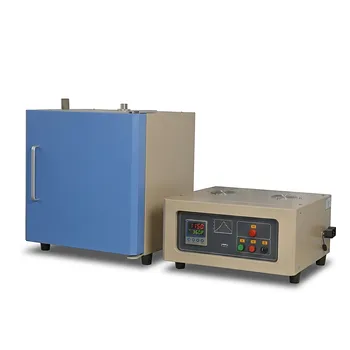
High Temperature Muffle Furnace with Alloy Chamber for Debinding and Sintering Applications