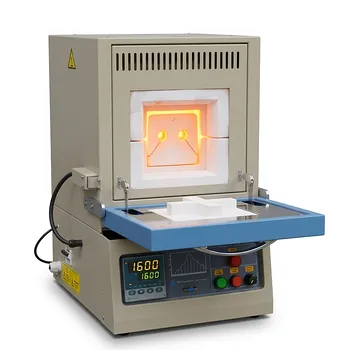
How do actuators and heaters in an electric resistance furnace respond to control commands? Optimizing Heat Accuracy
Updated 3 months ago
In an electric resistance furnace, actuators and heaters serve as the physical translation layer for digital control commands. Actuators, such as thyristor power controllers, receive low-voltage signals from the system controller and modulate the electrical power delivered to the heating elements. The heaters then convert this electrical energy into thermal energy, dynamically adjusting the heat output to reach the setpoint while compensating for internal losses and external disturbances.
The control response is a two-stage process where electrical signals are first converted into regulated power by actuators and then into thermal energy by heaters, requiring predictive management to overcome inherent physical delays.
The Role of the Actuator in Power Regulation
Receiving the Control Signal
The process begins when the system's controller—often a PID-F or optimized algorithm—generates a voltage-based control signal. This signal represents the calculated effort needed to bridge the gap between the current temperature and the desired setpoint.
The Execution Mechanism
Thyristor power controllers (SCR modules) act as the primary execution mechanism. They receive the low-voltage command and precisely adjust the voltage or current flowing from the main power supply to the furnace.
Interfacing Digital Logic and Physical Power
By acting as a high-speed power interface, the actuator allows intelligent control algorithms to manipulate massive electrical loads. This ensures that the power output is not just "on or off," but finely tuned to the specific needs of the thermal cycle.
The Heater’s Response to Power Input
Energy Conversion via Resistance
Once the actuator releases the regulated power, the resistance wires or heating elements begin the conversion process. Electrical energy is transformed into thermal energy, which is then released into the furnace chamber to raise the internal temperature.
Compensating for Energy Losses
The heater must do more than just reach a temperature; it must overcome internal heat losses and external environmental disturbances. By dynamically adjusting energy release, the heaters maintain a steady state even when the furnace environment changes.
Maintaining Process Stability
When the actuator and heater work in sync, the actual temperature of the furnace can quickly and smoothly reach the required setpoint. This coordination is what allows for the high levels of constant temperature accuracy required in industrial applications.
Understanding the Trade-offs: Thermal Lag and Overshoot
The Problem of Conduction Delay
A critical challenge in these systems is the inherent thermal conduction delay. Heat does not move instantaneously from the resistance wires to the furnace chamber, creating a temporal gap between the command and the result.
The Risk of Feedback Lag
This delay causes lagged feedback in the control signal. If the controller continues to demand full power because it hasn't "felt" the heat yet, the system can suffer from severe temperature overshoot once the heat finally arrives.
Mitigating Physical Constraints
To solve this, modern systems often incorporate predictive compensation components, such as autoencoders. these tools estimate future temperature trends and allow the actuator to throttle back power before the setpoint is reached, ensuring a stable transition.
Applying This Knowledge to System Design
How to Optimize Your Control Strategy
When configuring an electric resistance furnace, your approach to actuators and heaters should depend on your specific operational requirements.
- If your primary focus is Constant Temperature Accuracy: Prioritize thyristor (SCR) modules with fine-grain voltage regulation to allow for minute adjustments in power delivery.
- If your primary focus is Avoiding Temperature Overshoot: Implement predictive control algorithms or autoencoders to compensate for the inherent conduction delay of the heating elements.
- If your primary focus is Rapid Response Times: Ensure the actuator is capable of handling high-dynamic power outputs to quickly overcome initial internal heat losses.
By balancing precise power modulation with predictive awareness of thermal lag, you can achieve a temperature control system that is both responsive and remarkably stable.
Summary Table:
| Component | Role in Control System | Key Mechanism | Operational Benefit |
|---|---|---|---|
| Actuator (SCR) | Power Regulation | Thyristor/Voltage modulation | Precise, high-speed power adjustment |
| Heater (Element) | Energy Conversion | Electrical resistance | Stable thermal energy release |
| Control Logic | Command Generation | PID & Predictive algorithms | Minimizes overshoot and thermal lag |
| Chamber Environment | Thermal Output | Heat conduction & radiation | Uniform temperature distribution |
Elevate Your Thermal Research with THERMUNITS Precision
At THERMUNITS, we understand that stable temperature control is the backbone of successful material science and industrial R&D. As a leading manufacturer of high-temperature laboratory equipment, we design our systems to overcome physical constraints like thermal lag and overshoot.
Our comprehensive range of thermal processing solutions includes:
- Furnaces: Muffle, Vacuum, Atmosphere, Tube, Rotary, and Hot Press furnaces.
- Advanced Systems: CVD/PECVD systems, Dental Furnaces, and Vacuum Induction Melting (VIM) furnaces.
- Industrial & Lab Tools: Electric rotary kilns, Thermal Elements, and specialized heat treatment equipment.
Whether you need fine-grain voltage regulation or high-dynamic power output for rapid response, our expert team can provide a tailored solution. Contact us today to optimize your lab's efficiency and ensure the highest levels of constant temperature accuracy for your processes.
References
- Sarah A. Alzakari, Fatma A. Hashim. A new control scheme for temperature adjustment of electric furnaces using a novel modified electric eel foraging optimizer. DOI: 10.3934/math.2024654
Mentioned Products
- Molybdenum Disilicide MoSi2 Thermal Elements Electric Furnace Heating Element High Temperature Resistance
- High Temperature Horizontal Electrical Assisted Sintering Furnace with 3KW Programmable Power Source for Advanced Ceramic Materials
- Electric Rotary Kiln Continuous Working Small Rotary Furnace Heating Pyrolysis Plant
- 1250 C Compact Vertical Box Furnace for Glovebox Material Research Air Sensitive Samples
- Five Side Heating Muffle Furnace High Purity Alumina Fiber 27L Chamber 1200C High Temperature Thermal Processing System for Sintering Annealing and Materials Research
People Also Ask
- What role do MoSi2 heating elements play in high-temperature smelting? Precision for Ferronickel & Slag Research
- Why is the selection of high-performance thermal elements critical for high-temperature testing? Ensure Data Integrity.
- How do electric thermal elements compare to combustion-based heating systems? Maximize Your Lab's Energy Efficiency
- What role do thermocouples play in furnace closed-loop systems? Essential Feedback for Precision
- Why Evaluate Furnace Control Saturation Limits? Achieve Stable Heat Treatment and Protect Your Hardware

Tech Team · ThermUnits
Last updated on Jun 02, 2026
Related Products
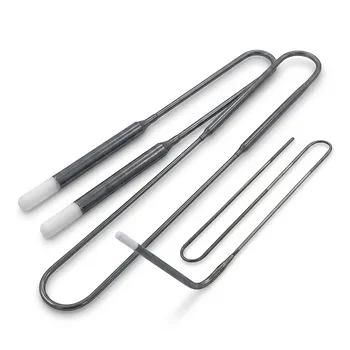
Molybdenum Disilicide MoSi2 Thermal Elements Electric Furnace Heating Element High Temperature Resistance
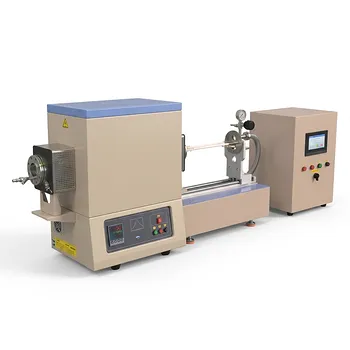
High Temperature Horizontal Electrical Assisted Sintering Furnace with 3KW Programmable Power Source for Advanced Ceramic Materials
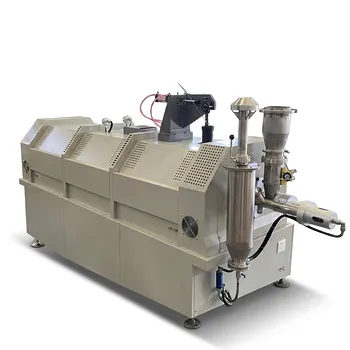
Electric Rotary Kiln Continuous Working Small Rotary Furnace Heating Pyrolysis Plant
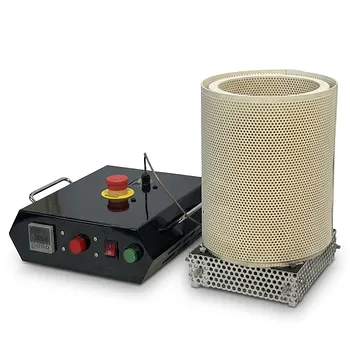
1250 C Compact Vertical Box Furnace for Glovebox Material Research Air Sensitive Samples
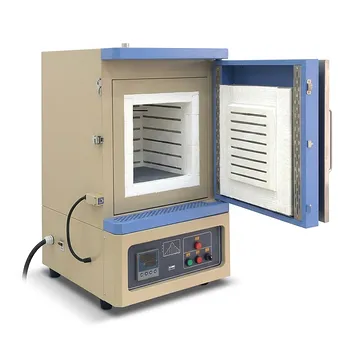
Five Side Heating Muffle Furnace High Purity Alumina Fiber 27L Chamber 1200C High Temperature Thermal Processing System for Sintering Annealing and Materials Research
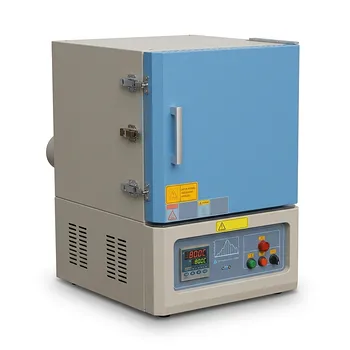
1800C Bench Top Muffle Furnace 18 Liters with Kanthal Super 1900 Heating Elements for High Purity Ceramic Sintering and Material Research
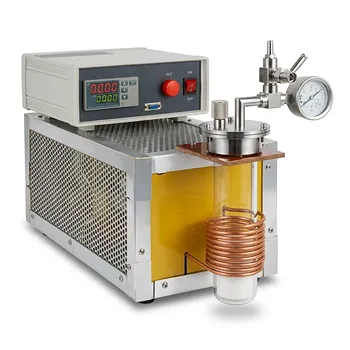
High Temperature Mini Induction Heating Furnace 1600C Laboratory Material Melting System
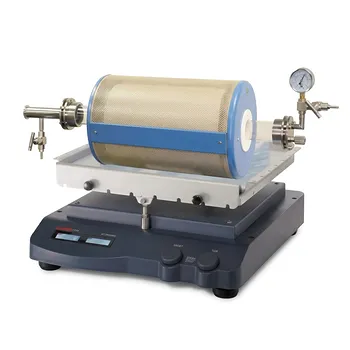
High Temperature Rocking Tube Furnace with Quartz Tube and Vacuum Flange for Materials Synthesis
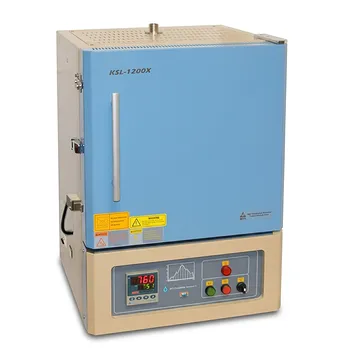
High Temperature 1200C Muffle Furnace 27L Volume 12x12x12 Chamber with Programmable PID Controller for Laboratory Material Science
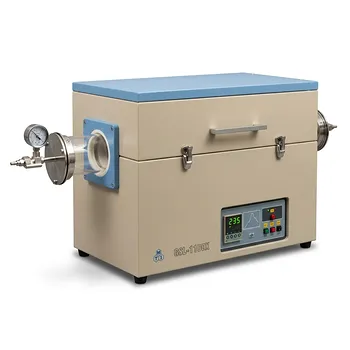
Single Zone Tube Furnace 5 Inch Quartz Tube 36 Inch Heating Zone Vacuum Flanges
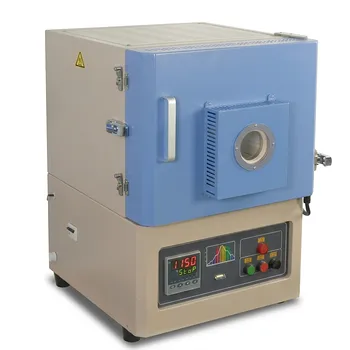
High Temperature Benchtop Muffle Furnace with Quartz Observation Window for Thermal Imaging and Material Analysis
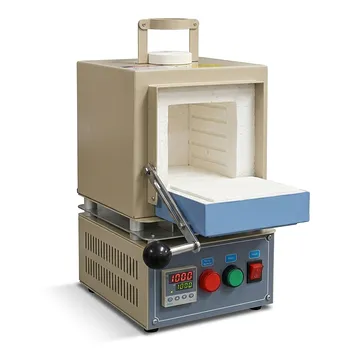
Compact 1000C Muffle Furnace with Programmable Controller and 2 Inch Top Port for Vacuum and Atmosphere Material Research
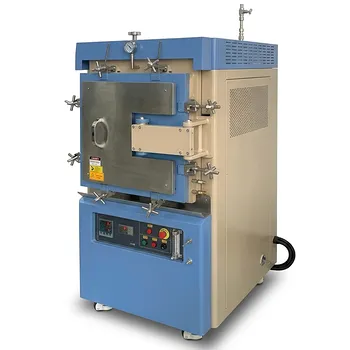
Atmosphere Controlled Muffle Furnace 1700C Maximum Temperature 80L High Capacity Vacuum Inert Gas Box Furnace
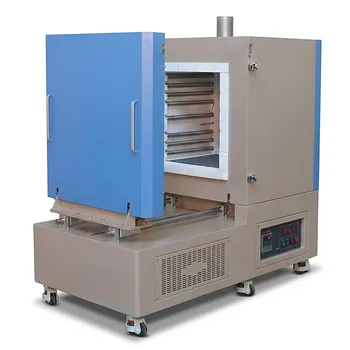
1200C Five Side Heating Muffle Furnace with Sliding Door 125L Volume High Temperature Heat Treatment System for Large Scale Sintering and Annealing
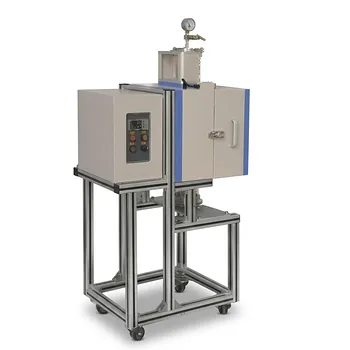
1200°C 5 Inch Vertical Quartz Tube Furnace with Stainless Steel Vacuum Flanges
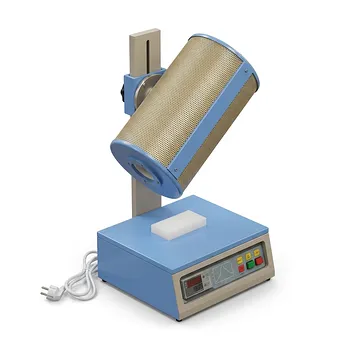
1100°C Vertical Laboratory Furnace for DIY Tubular Reactors with PID Temperature Controller
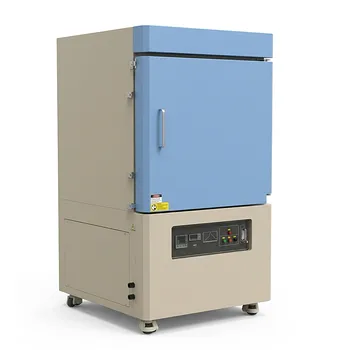
Industrial Large Box Furnace 1700C 216L High Temp Muffle Sintering System
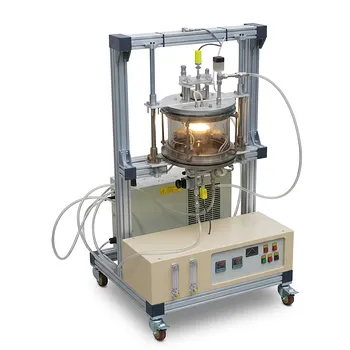
Two Zones CSS Furnace for Rapid Thermal Processing Thin Film Coating 3 Inch Diameter 650C
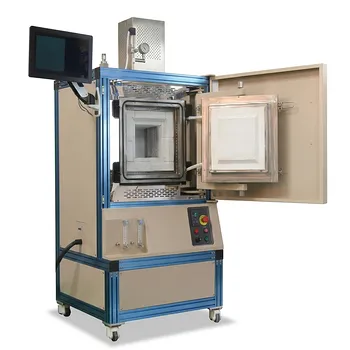
High Temperature Hydrogen Atmosphere Box Furnace 1650C Max Reducing Environment Material Synthesis System 8x8x8 Chamber