How do high-precision ovens maintain LFP performance in regeneration? Ensure Material Integrity & Activation
Updated 5 months ago
Maintaining material integrity in Lithium Iron Phosphate (LFP) regeneration requires high-precision high-temperature ovens to provide the exact thermal energy needed for chemical activation and moisture removal. These ovens facilitate critical reactions at approximately 150 °C and ensure thorough drying at 120 °C, preventing the thermal degradation that would otherwise destroy the battery's electrochemical potential.
Core Takeaway: High-precision ovens serve as the "guardians" of material structure by balancing the need for intense heat to drive chemical synthesis with the delicate requirement to avoid over-heating, which would compromise the microscopic morphology of the LFP.
The Role of Thermal Stability in Chemical Activation
Driving Consistent Chemical Reactions
High-temperature ovens provide a stable environment, often set around 150 °C, to initiate and sustain chemical reactions both before and after the hydrothermal stage. This stability ensures that every particle of the LFP precursor undergoes a uniform transformation.
Supporting the Hydrothermal Process
By maintaining a consistent heat source, these ovens prepare the material for the pressurized environments of hydrothermal regeneration. This phase is essential for restoring the original crystal structure of the degraded phosphate.
Precision Drying and Morphological Preservation
Ensuring Complete Solvent Volatilization
At temperatures like 120 °C, high-precision ovens are used to dry slurries and powders until all solvents have evaporated. Precise control is vital here; even trace amounts of leftover solvent can interfere with the battery’s final performance.
Protecting Microscopic Morphology
The active substances in LFP are sensitive to "thermal shock" or excessive heat, which can cause the particles to sinter or collapse. High-precision control ensures that heat is applied evenly, preserving the microscopic morphology required for high-speed ion transport.
Maintaining Electrochemical Activity
The ultimate goal of regeneration is to restore the battery's ability to store and release energy. By preventing thermal degradation during the heating cycles, these ovens ensure the regenerated material retains its full electrochemical activity.
Understanding the Trade-offs and Risks
The Danger of Temperature Fluctuations
If an oven lacks high-precision control, even minor temperature spikes can lead to the permanent degradation of active materials. Conversely, if the temperature stays too low, the chemical reactions will be incomplete, leaving the material "under-processed."
Throughput vs. Material Quality
Increasing the heat to speed up the drying process is a common temptation in industrial flows. However, exceeding the threshold of the active substances risks destroying the delicate lattice structure of the LFP, rendering the recycled material useless.
Applying Thermal Precision to Your Regeneration Flow
When selecting or operating high-temperature ovens for LFP regeneration, your approach should shift based on your specific process stage:
- If your primary focus is chemical synthesis: Ensure your oven maintains a rigid stability at 150 °C to allow for the complete and uniform transformation of precursors.
- If your primary focus is moisture or solvent removal: Prioritize ovens with high-airflow precision at 120 °C to ensure total volatilization without exceeding the degradation threshold of the powder.
- If your primary focus is maximizing material lifespan: Invest in ovens with advanced PID (Proportional-Integral-Derivative) controllers to eliminate temperature overshooting during the initial ramp-up phase.
By masterfully controlling the thermal environment, you bridge the gap between waste battery material and high-performance energy storage.
Summary Table:
| Process Stage | Target Temp | Primary Function | Material Benefit |
|---|---|---|---|
| Chemical Activation | ~150 °C | Initiate precursor transformation | Ensures uniform crystal structure |
| Precision Drying | ~120 °C | Complete solvent volatilization | Prevents performance interference |
| Morphological Preservation | Controlled | Heat shock prevention | Maintains high-speed ion transport |
| PID Control | Dynamic | Eliminate temp overshooting | Protects against thermal degradation |
Optimize Your LFP Regeneration with THERMUNITS
As a leading manufacturer of high-temperature laboratory equipment for material science and industrial R&D, THERMUNITS provides the precision needed to protect your battery materials. Our comprehensive range of thermal processing solutions—including Muffle, Vacuum, Atmosphere, Tube, Rotary, and Hot Press furnaces, as well as CVD/PECVD systems and electric rotary kilns—ensures the rigid stability required for successful Lithium Iron Phosphate regeneration.
Don't let temperature fluctuations compromise your electrochemical activity. Whether you need a vacuum induction melting furnace (VIM) or specialized Thermal Elements, we deliver the reliability your research demands.
Contact THERMUNITS today to find the perfect heat treatment solution!
References
- Chenchen Li, Peng Dong. Direct Regeneration of Degraded LiFePO4 Cathode via Reductive Solution Relithiation Regeneration Process. DOI: 10.3390/molecules29143340
Mentioned Products
- High Temperature Dual Zone Tube Furnace for Material Science Research and Professional Thermal Processing
- High Temperature Oxygen and Inert Atmosphere Controlled Furnace 8 Liter 1700C Sintering System for Advanced Materials RD
- High Temperature 1500C Benchtop Muffle Furnace 3.6L Alumina Fiber Chamber Programmable Controller Sintering Annealing Carbonization Thermal Processing System
- High Temperature Vertical Crucible Furnace with 22L Heating Chamber and 1200C Maximum Temperature
- Vertical 1700C Vacuum and Atmosphere Tube Furnace with 80mm Alumina Tube
People Also Ask
- Why is it necessary to place MoS2 devices in a dual-zone tube furnace for annealing? Optimize Lattice Repair & Doping
- What is the primary function of an industrial-grade dual-zone tube furnace? Mastering CuInP2S6 CVT Crystal Growth
- What are the advantages of using a dual-zone tube furnace for MoS2 CVD? Optimize Precursor Control and Material Quality
- What are the technical advantages of using a dual-zone tube furnace for growing large PdCoO2 crystals via CVT? Expert Tips
- Why is a dual-zone tube furnace necessary for ReO3-doped Cu2Te CVD? Essential for precise precursor synchronization.

Tech Team · ThermUnits
Last updated on Apr 14, 2026
Related Products
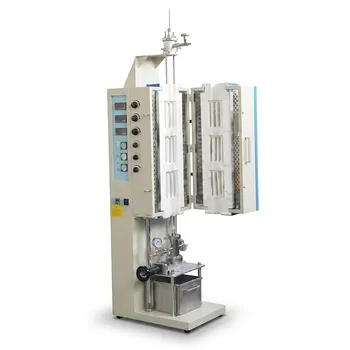
High Temperature Dual Zone Tube Furnace for Material Science Research and Professional Thermal Processing
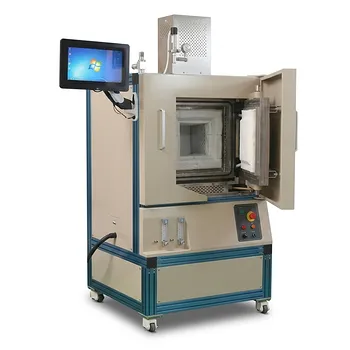
High Temperature Oxygen and Inert Atmosphere Controlled Furnace 8 Liter 1700C Sintering System for Advanced Materials RD
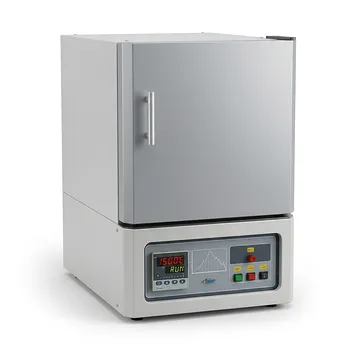
High Temperature 1500C Benchtop Muffle Furnace 3.6L Alumina Fiber Chamber Programmable Controller Sintering Annealing Carbonization Thermal Processing System
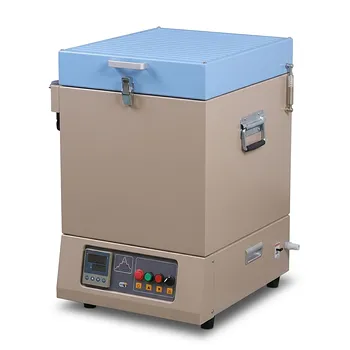
High Temperature Vertical Crucible Furnace with 22L Heating Chamber and 1200C Maximum Temperature

Vertical 1700C Vacuum and Atmosphere Tube Furnace with 80mm Alumina Tube

High Temperature 1700C Vertical Tube Furnace for Powder Spherification and Material Sintering
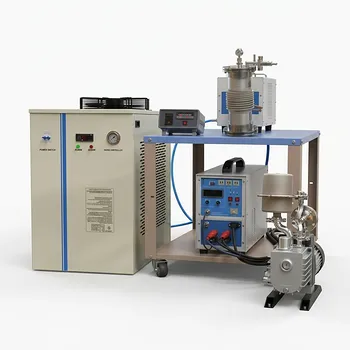
Induction Heating System with Temperature Control for High Temperature Vacuum Sintering and Melting
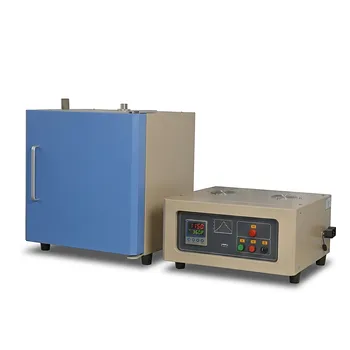
High Temperature Muffle Furnace with Alloy Chamber for Debinding and Sintering Applications

High Temperature Tube Furnace 1500C with Sliding Flanges and 50mm OD for Rapid Thermal Processing Fast Heating and Cooling
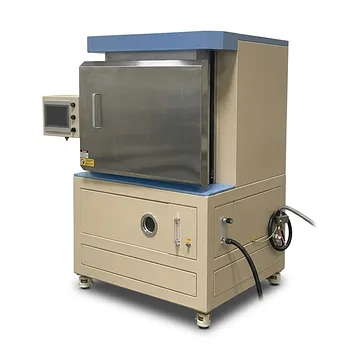
1650C High Temperature Atmosphere Controlled Box Furnace with 65L Chamber for Advanced Material Sintering and Industrial Heat Treatment
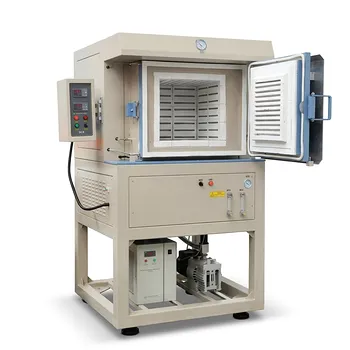
1200°C Five Side Heating Atmosphere Controlled Muffle Furnace 64 Liter High Uniformity Box Furnace for Material Synthesis
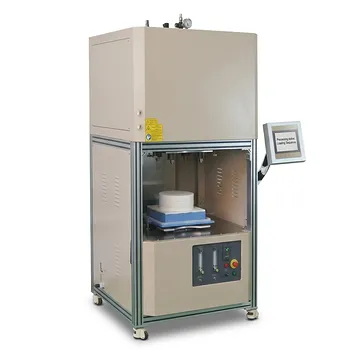
High Temperature Vertical Atmosphere Controlled Furnace with Automatic Bottom Loading and 1700°C Capacity for Advanced Material Research
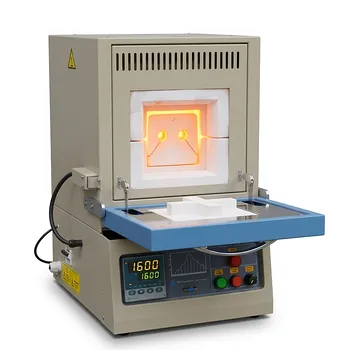
High Temperature Compact Muffle Furnace 1700 C with 30 Segment Programmable Controller and 1.7L Cubic Chamber
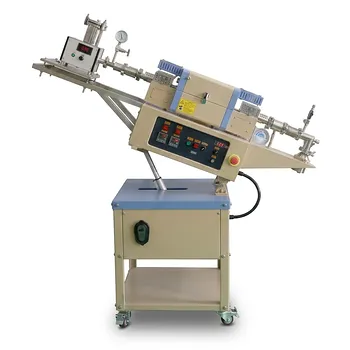
1100°C Dual Zone Rotary Tube Furnace with Automatic Feeding and Collection System for Continuous Powder Processing
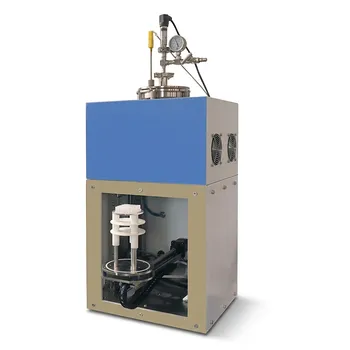
Rapid Thermal Processing RTP Atmosphere Controlled Bottom Loading Furnace 1100C High Throughput 50C per Second Heating Rate
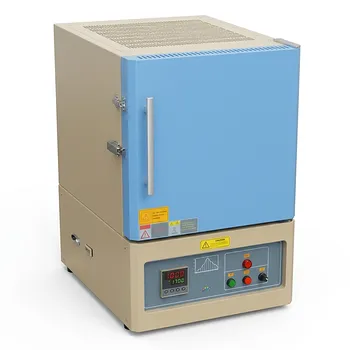
Large Bench Top 1700C High Temperature Muffle Furnace with 19L Chamber for Advanced Material Sintering and Annealing
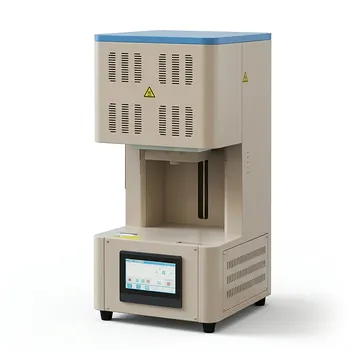
Automated 1700C High Temperature Bottom Loading Box Furnace with PC Software Control and Robotic Integration Capability
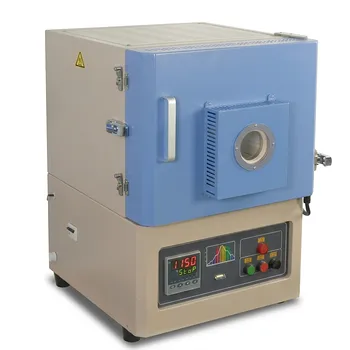
High Temperature Benchtop Muffle Furnace with Quartz Observation Window for Thermal Imaging and Material Analysis
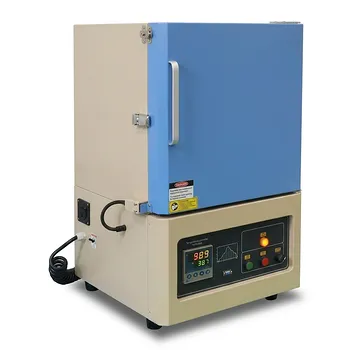
1200°C High Temperature Muffle Furnace 19L Chamber with 50 Segment Programmable Controller