How do tube furnace stability and control influence FTO glass circuits? Optimize Sintering and Adhesion
Updated 3 months ago
Thermal field stability and temperature control are the primary determinants of success when heat-treating circuits on FTO glass. By maintaining a precise environment, typically between 250°C and 275°C, a tube furnace ensures that silver nanoparticles sinter into a highly conductive network without inducing the thermal stress that leads to film delamination or substrate damage.
Core Takeaway: Effective heat treatment requires a delicate balance between maximizing electrical conductivity and maintaining mechanical adhesion. Precision temperature control achieves this by facilitating complete nanoparticle sintering while protecting the structural integrity of the FTO coating.
The Role of Precision in Nanoparticle Sintering
Optimizing Electrical Conductivity
The primary goal of heat treatment is to transform discrete silver nanoparticles into a continuous metallic film. Precise temperature control allows these particles to sinter fully, creating the pathways necessary for high electrical conductivity.
Maintaining Temperature Uniformity
A stable thermal field within the process tube ensures that the entire circuit experiences the same thermal history. This uniformity prevents "cold spots" that result in poor connectivity or "hot spots" that can degrade the circuit's performance.
Implementing Closed-Loop Feedback
Modern tube furnaces utilize PID-based controllers and thermocouples (Type K, S, or B) to monitor the environment in real-time. This system adjusts power via solid-state relays to maintain stability, often within an impressive ±1 °C margin.
Managing Thermal Stress and Adhesion
Preventing Delamination
Excessive heat or rapid temperature fluctuations create thermal stress within the metallic film. If this stress exceeds the bonding forces between the circuit and the substrate, the film will delaminate or peel away from the FTO coating.
Protecting the FTO Substrate
The conductive properties of the Fluorine-doped Tin Oxide (FTO) layer itself are sensitive to extreme temperatures. Stable thermal regulation ensures the furnace stays within the safe window of 250°C to 275°C, preventing permanent damage to the glass substrate’s conductivity.
Managing Thermal Profiles
The ability to program specific ramp rates and soaking times allows for gradual expansion and contraction of the materials. This controlled transition is critical for preserving the interface between the metal circuit and the brittle glass surface.
Environmental Control and Atmospheric Integrity
Atmosphere Regulation
Beyond temperature, tube furnaces provide a sealed microenvironment that can be purged of oxygen. By introducing inert or reactive gases, researchers can prevent the oxidation of silver particles during the heating process.
Refining Material Properties
Precise gas flow regulation allows for the tuning of oxygen vacancies or the creation of specific surface morphologies. This level of control is essential for advanced applications where the catalytic or magnetic properties of the material are just as important as conductivity.
Vacuum Sealing Benefits
High-vacuum sealing capabilities allow for processing in environments free of contaminants. This ensures that the chemical composition of the circuit remains pure, which is vital for the long-term stability of the electronic device.
Understanding the Trade-offs
Sintering Quality vs. Substrate Integrity
While higher temperatures generally improve sintering and conductivity, they simultaneously increase the risk of damaging the FTO coating. Finding the "sweet spot" requires sacrificing some maximum theoretical conductivity to ensure the circuit remains adhered to the glass.
Process Speed vs. Thermal Shock
Rapid heating (steep ramp rates) can increase throughput in a lab setting but significantly increases the risk of thermal shock. Slow, controlled cooling profiles are safer for the glass but extend the total processing time significantly.
Atmosphere Complexity
Introducing specialized gases for oxidation prevention adds a layer of complexity to the hardware setup. While it improves the quality of the metallic film, it requires precise flow regulation systems and increases the cost of each processing run.
How to Apply This to Your Project
Recommendations for Proper Heat Treatment
To achieve the best results when treating circuits on FTO glass, the heat treatment strategy must align with your specific performance requirements.
- If your primary focus is Maximum Conductivity: Prioritize a longer soaking time at the upper end of the safe range (275°C) and use an inert atmosphere to prevent any surface oxidation.
- If your primary focus is Mechanical Durability: Utilize very slow ramp rates (e.g., 2-5°C per minute) to minimize internal stresses and ensure the circuit maintains a strong bond with the FTO layer.
- If your primary focus is Substrate Protection: Ensure your PID controller is finely tuned to avoid any temperature "overshoot" that could push the furnace beyond the material's thermal limits.
By mastering the stability and regulation of your tube furnace, you can consistently produce high-performance, durable electronic components on transparent conductive substrates.
Summary Table:
| Parameter | Influence on FTO Circuits | Recommended Feature/Value |
|---|---|---|
| Temperature Control | Ensures uniform silver nanoparticle sintering | PID Control (±1°C Stability) |
| Thermal Field Stability | Prevents "hot spots" and film delamination | High-Alumina/Quartz Process Tubes |
| Temperature Range | Balances conductivity vs. substrate integrity | 250°C – 275°C |
| Heating Ramp Rate | Minimizes thermal stress and cracking | 2°C – 5°C per minute |
| Atmosphere Control | Prevents silver oxidation/impurity formation | Inert Gas Purge / Vacuum Sealing |
Elevate Your Material Research with THERMUNITS Precision
Achieving the perfect balance between conductivity and adhesion on FTO glass requires world-class thermal stability. THERMUNITS is a leading manufacturer of high-temperature laboratory equipment specifically engineered for material science and industrial R&D.
Our advanced Tube Furnaces, CVD/PECVD systems, and Atmosphere Furnaces provide the ±1°C precision and programmable ramp rates essential for sensitive heat treatments. Whether you are working on silver nanoparticle sintering or complex thin-film deposition, our solutions—ranging from Muffle and Vacuum furnaces to Rotary and Hot Press systems—ensure reproducible results and long-term durability.
Ready to optimize your thermal processing? Contact our technical experts today to find the perfect furnace for your laboratory’s unique requirements.
References
- Bahaa Abbas, Justin Searle. Blended Copper and Nano-Silver Screen-Printed Circuits on FTO-Coated Glass. DOI: 10.1007/s11664-024-10962-9
Mentioned Products
- High Temperature Tube Furnace 1500C with Sliding Flanges and 50mm OD for Rapid Thermal Processing Fast Heating and Cooling
- Vertical 1700C Vacuum and Atmosphere Tube Furnace with 80mm Alumina Tube
- 1100C Tube Furnace with Vacuum Flange and Programmable Temperature Controller for Material Science and Industrial Heat Treatment
- Compact High Temperature 1600C Tube Furnace with 50mm Alumina Tube and Vacuum Flanges for Material Sintering
- 900°C Max Rotary Tube Furnace with 8 Inch 310S Alloy Tube and Optional Multi Zone Heating for Industrial Material Calcination
People Also Ask
- How are high-temperature tube furnaces utilized to repair etching damage? Precision Lattice Restoration Solutions
- What role does a high-temperature tube furnace play in CVD synthesis of silicon nanowires? Master VLS Growth Precision.
- What core conditions does a high-temperature tube furnace provide for rGO aerogels? Mastering Precision Synthesis.
- What role does a high-temperature tube furnace play in the sulfidation heat treatment of CoS@C/MXene nanocomposites? Guide
- How does precision tube furnace control influence CoFe nanoparticle formation? Master Your Bimetallic Synthesis.

Tech Team · ThermUnits
Last updated on Jun 03, 2026
Related Products
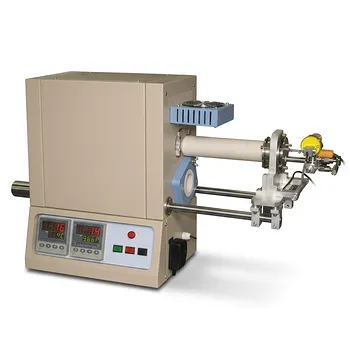
High Temperature Tube Furnace 1500C with Sliding Flanges and 50mm OD for Rapid Thermal Processing Fast Heating and Cooling

Vertical 1700C Vacuum and Atmosphere Tube Furnace with 80mm Alumina Tube
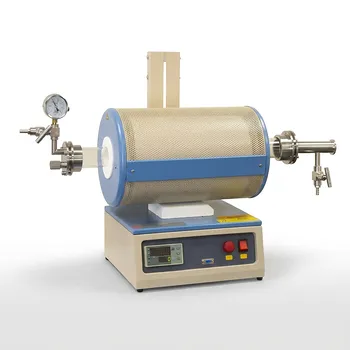
1100C Tube Furnace with Vacuum Flange and Programmable Temperature Controller for Material Science and Industrial Heat Treatment

Compact High Temperature 1600C Tube Furnace with 50mm Alumina Tube and Vacuum Flanges for Material Sintering
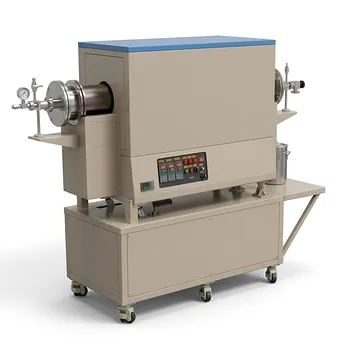
900°C Max Rotary Tube Furnace with 8 Inch 310S Alloy Tube and Optional Multi Zone Heating for Industrial Material Calcination
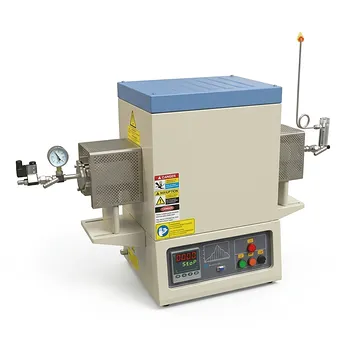
1700C Hydrogen Gas Tube Furnace with 60mm Alumina Process Tube and Integrated Hydrogen Safety Detector

High Temperature 1700C Tube Furnace with High Vacuum Turbomolecular Pump System and Multi Channel Mass Flow Controller Gas Mixer
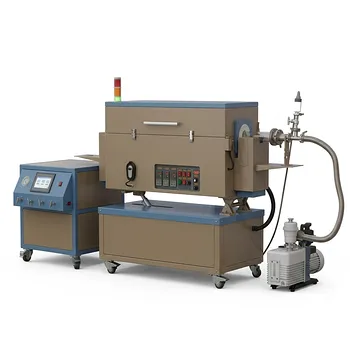
5 Inch Three Zone Rotary Tube Furnace with Integrated Gas Delivery System and 1200C Capability for Advanced Material CVD Processing
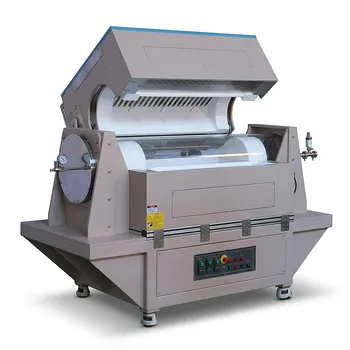
Three Zone Tube Furnace with 11 Inch or 15 Inch Quartz Tube and Hinged Flanges for Vacuum Atmosphere Heat Treatment
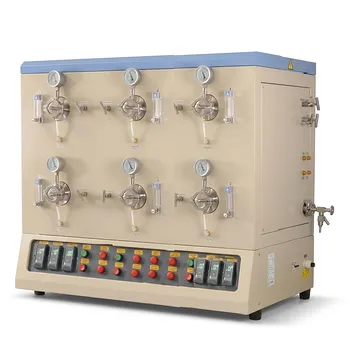
1200C High Throughput Multi Channel Tube Furnace with 50mm Quartz Tubes for Annealing and Material Phase Diagram Research
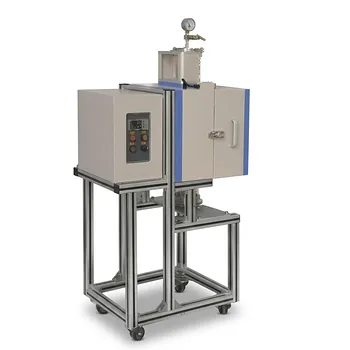
1200°C 5 Inch Vertical Quartz Tube Furnace with Stainless Steel Vacuum Flanges
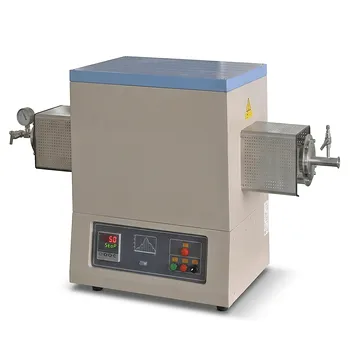
High Temperature 1700C Tube Furnace with 4 Inch OD Alumina Tube and Vacuum Sealing Flanges

High Temperature 1700C Benchtop Tube Furnace with 5 Inch Heating Zone High Purity Alumina Tube and Vacuum Sealing Flanges
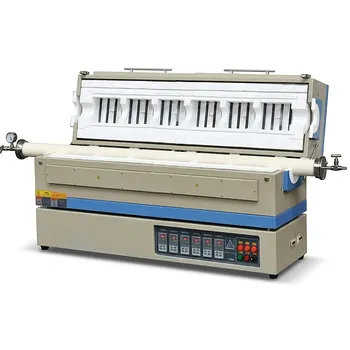
High Temperature 1700C Six Zone Split Tube Furnace with Alumina Tube and Water Cooled Flanges
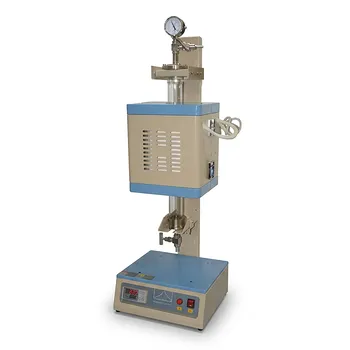
Compact Vertical Split Quartz Tube Furnace with Stainless Steel Vacuum Flanges for Rapid Thermal Quenching and Controlled Atmosphere Material Processing

1800C High Temperature Compact Vacuum Tube Furnace with 60mm OD Alumina Tube and Kanthal MoSi2 Heating Elements
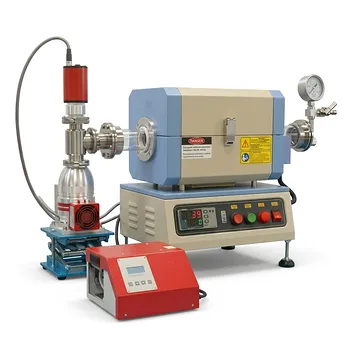
High Vacuum Compact Tube Furnace 1200C with Integrated Turbo Pump System and 8 Inch Heating Zone
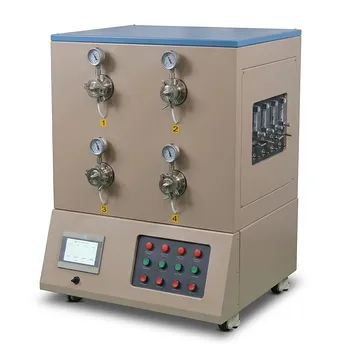
High Throughput 1200C Four Channel Tube Furnace with 3 Inch Quartz Tubes for Multi Zone Annealing and Material Research

High Temperature Automated 5 Inch Tube Furnace for Autonomous Material Research and Advanced Laboratory R&D
