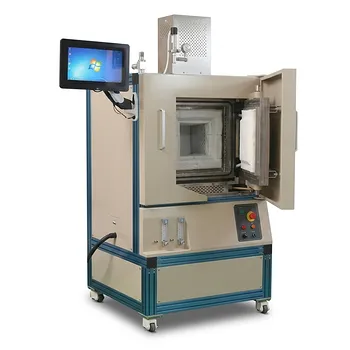
How does a high-temperature box furnace contribute to dense LSGM ceramic plate production? Achieve 96% Density
Updated 3 months ago
Achieving peak performance in LSGM ceramics requires precise thermal management. A high-temperature box sintering furnace facilitates the production of dense Lanthanum Strontium Gallium Magnesium (LSGM) plates by providing a controlled 1450°C environment that drives atomic diffusion. By strictly managing heating and cooling rates at approximately 100°C per hour, the furnace ensures the elimination of internal pores and promotes uniform grain growth, allowing the ceramic to reach a relative density of 96%.
The sintering furnace serves as the critical engine for densification, providing the kinetic energy necessary to transform porous green bodies into gas-tight, mechanically robust electrolyte membranes. Without this precise thermal control, the LSGM material cannot achieve the perovskite phase purity or the 96% density required for high ionic conductivity.
Driving the Densification Process
Overcoming High Sintering Energy
LSGM is an oxide ceramic characterized by high sintering densification energy. The box furnace provides the sustained 1450°C thermal energy required for ceramic grains to migrate and merge. This high-temperature environment provides the diffusion kinetics necessary to exclude microscopic pores and consolidate the material.
Promoting Grain Boundary Migration
As the furnace maintains peak temperature, it facilitates grain boundary migration. This process allows individual ceramic particles to fuse into a continuous matrix. The result is a significant reduction in internal porosity, which is essential for creating a gas-tight electrolyte support.
Facilitating Phase Formation
High-temperature sintering is critical for the solid-state reactions that form the target perovskite phase. This phase is the foundation of the material’s electrochemical performance. The furnace ensures that the chemical components are fully integrated, providing the stability needed for subsequent applications like Pulsed Laser Deposition (PLD).
Impact on Material Properties
Enhancing Ionic Conductivity
The primary goal of densification is to maximize the ionic conductivity of the LSGM plate. By reaching a relative density of 96%, the furnace minimizes the resistance caused by internal voids and grain boundaries. This allows for the efficient transport of oxygen ions, which is vital for solid oxide fuel cell (SOFC) applications.
Improving Mechanical Strength
A dense ceramic structure is significantly more durable than a porous one. The furnace’s ability to promote grain growth and eliminate pores results in a plate with high mechanical strength. This structural integrity is necessary to withstand the stresses of assembly and operation in high-temperature systems.
Ensuring Gas Tightness
For an electrolyte to function correctly, it must prevent the mixing of fuel and oxidant gases. The sintering process drives the material to a densified state, creating a hermetic seal. This gas-tightness is a direct result of the precise management of isothermal holding times and temperatures.
Understanding the Trade-offs and Risks
Thermal Stress and Cracking
If the heating and cooling rates are not strictly controlled (e.g., exceeding 100°C/hour), the LSGM plates may experience thermal shock. This leads to warping or macro-cracking, rendering the electrolyte useless. Precision in the furnace's ramp-down phase is just as important as the ramp-up.
Material Volatility and Secondary Phases
Operating at 1450°C can lead to the volatilization of certain elements, such as gallium, if the environment is not properly managed. This can result in the formation of undesirable secondary phases at the grain boundaries. These phases can degrade the material's total ionic conductivity and chemical stability over time.
Optimizing the Sintering Strategy
How to Apply This to Your Project
To achieve the best results with your high-temperature box furnace, tailor your sintering profile to your specific performance requirements.
- If your primary focus is Peak Ionic Conductivity: Prioritize the 1450°C isothermal holding time to ensure the complete formation of the perovskite phase and maximum grain fusion.
- If your primary focus is Structural Integrity: Adhere strictly to a slow cooling rate of 100°C per hour or less to minimize residual internal stresses and prevent micro-fracturing.
- If your primary focus is High Gas Tightness: Ensure the furnace reaches the necessary temperature to achieve at least 96% relative density, effectively closing all interconnected pores.
Mastering the thermal profile of the box furnace is the single most important factor in transitioning LSGM from a fragile green body into a high-performance functional ceramic.
Summary Table:
| Parameter | Requirement | Impact on LSGM Ceramic |
|---|---|---|
| Sintering Temperature | 1450°C | Drives atomic diffusion and perovskite phase formation |
| Ramp Rate | 100°C / Hour | Prevents thermal stress, warping, and macro-cracking |
| Target Density | 96% Relative | Ensures gas-tightness and high mechanical strength |
| Atmosphere Control | Precise Air/Box | Minimizes gallium volatility and secondary phase formation |
Elevate Your Advanced Material Sintering with THERMUNITS
Achieving peak performance in LSGM ceramics requires the extreme precision found in THERMUNITS high-temperature equipment. As a leading manufacturer of laboratory and industrial R&D thermal solutions, we provide the control needed for complex solid-state reactions and high-density sintering.
Our comprehensive range of thermal processing solutions includes:
- Sintering Excellence: Muffle, Atmosphere, and Vacuum furnaces.
- Advanced Processing: Tube, Rotary, and Hot Press furnaces.
- Specialized Systems: CVD/PECVD systems, Dental furnaces, and Vacuum Induction Melting (VIM).
- Components: High-quality Thermal Elements for consistent performance.
Whether you are developing next-generation SOFC electrolytes or exploring new material phases, THERMUNITS delivers the reliability and thermal stability your research demands.
Contact our technical team today to discuss your heat treatment requirements and find the ideal furnace for your laboratory.
References
- Д.А. Осинкин. Electrochemical Performances of New Pr‐Doped Robust Cobalt‐Free Perovskite Sr<sub>2</sub>Fe<sub>1.5</sub>Mo<sub>0.5</sub>O<sub>6-<i>δ</i></sub> as Electrode for Symmetrical Solid Oxide Fuel Cells. DOI: 10.1155/er/9791000
Mentioned Products
- High Temperature Horizontal Electrical Assisted Sintering Furnace with 3KW Programmable Power Source for Advanced Ceramic Materials
- Industrial Large Box Furnace 1700C 216L High Temp Muffle Sintering System
- 1650C High Temperature Atmosphere Controlled Box Furnace with 65L Chamber for Advanced Material Sintering and Industrial Heat Treatment
- 1750C Compact Muffle Furnace 1.7L Ultra High Temperature Laboratory Sintering System for Advanced Ceramics and Material Science Research
- 1700C Compact Hybrid Furnace with Dual Layer Box Sintering and Controlled Atmosphere Alumina Tubes
People Also Ask
- How does the temperature control precision of a high-temperature sintering furnace affect Na1+xLa1-xZr2O6-δ ceramics?
- How does a high-temperature sintering furnace environment enhance NdFeB magnets? Achieve 98%+ density with precision.
- Why is a high-temperature sintering furnace required for the preparation of Li(Nb,Ta)O3 precursors? Essential Insights
- How does a high-temperature sintering furnace contribute to the interfacial strengthening of SS316L and zirconia?
- What role does a sintering furnace play with silver paste? Essential Thermal Management for Power Device Packaging

Tech Team · ThermUnits
Last updated on Jun 03, 2026
Related Products
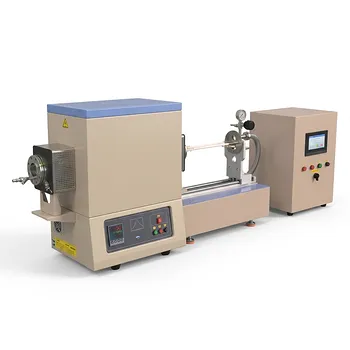
High Temperature Horizontal Electrical Assisted Sintering Furnace with 3KW Programmable Power Source for Advanced Ceramic Materials
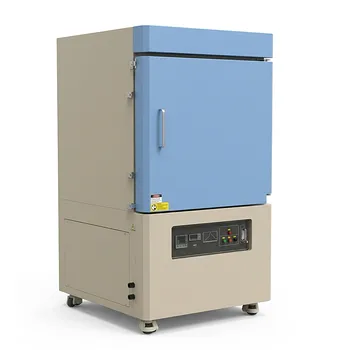
Industrial Large Box Furnace 1700C 216L High Temp Muffle Sintering System
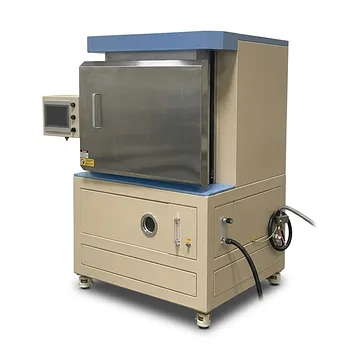
1650C High Temperature Atmosphere Controlled Box Furnace with 65L Chamber for Advanced Material Sintering and Industrial Heat Treatment
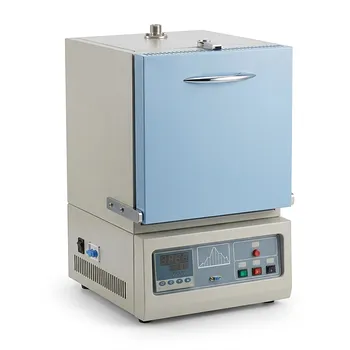
1750C Compact Muffle Furnace 1.7L Ultra High Temperature Laboratory Sintering System for Advanced Ceramics and Material Science Research
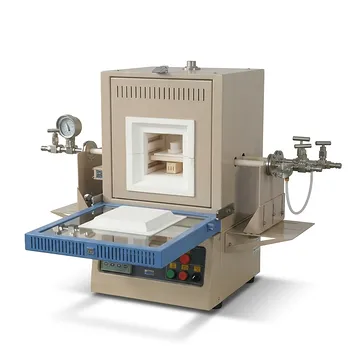
1700C Compact Hybrid Furnace with Dual Layer Box Sintering and Controlled Atmosphere Alumina Tubes
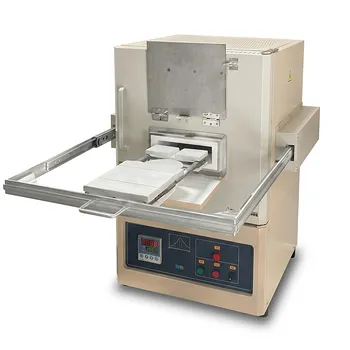
1700C Box Furnace with Sliding Platform for Rapid Heating and Cooling High Temperature Thermal Processing System
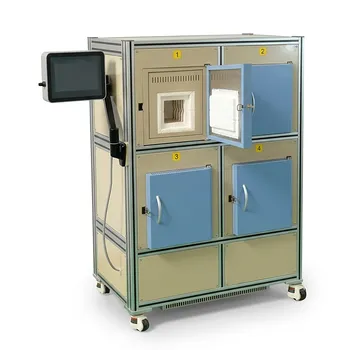
High Temperature Four Chamber Box Furnace for High Throughput Materials Research and Space Saving Thermal Processing

Compact High Temperature 1600C Tube Furnace with 50mm Alumina Tube and Vacuum Flanges for Material Sintering
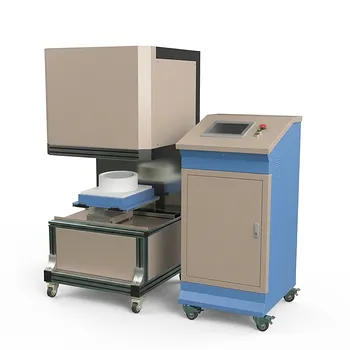
High Temperature Bottom Loading Box Furnace for Rapid Thermal Processing 1700C 40L Capacity
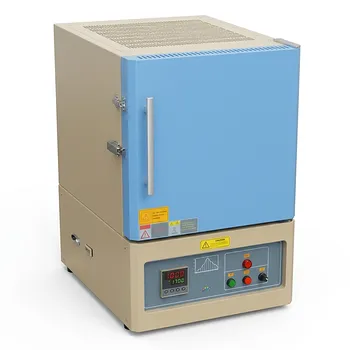
Large Bench Top 1700C High Temperature Muffle Furnace with 19L Chamber for Advanced Material Sintering and Annealing
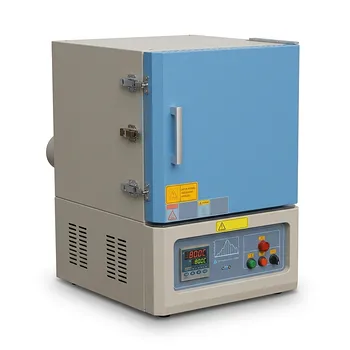
1800C Bench Top Muffle Furnace 18 Liters with Kanthal Super 1900 Heating Elements for High Purity Ceramic Sintering and Material Research
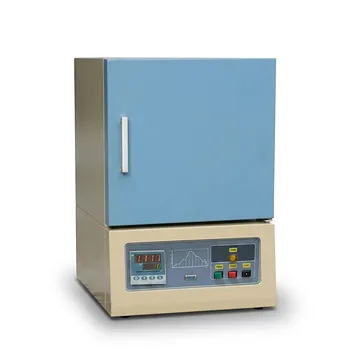
Ultra High Temperature Bench Top Muffle Furnace 1750C Sintering System with Kanthal Super Heating Elements and Precision Digital Control
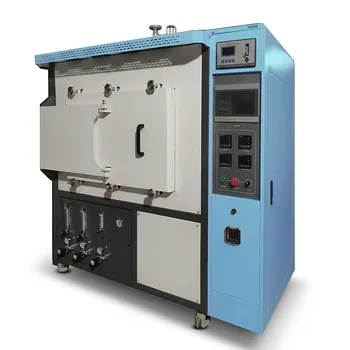
Roller Table Atmosphere Furnace 1500C High Temperature Battery Material Sintering System 112L Capacity
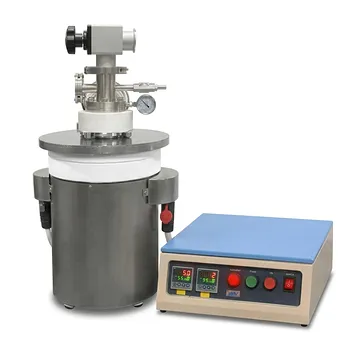
1100C High Temperature Vacuum Crucible Furnace with Quartz Chamber for Thermal Processing and Sintering
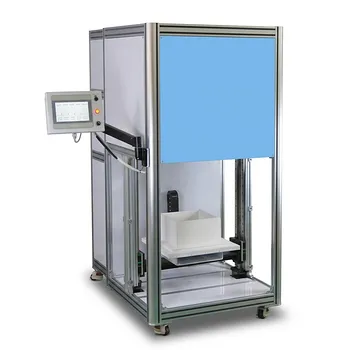
High Temperature 1600°C Three Zone Heated Bottom Loading Box Furnace with Rapid Thermal Processing Chamber 72L Volume
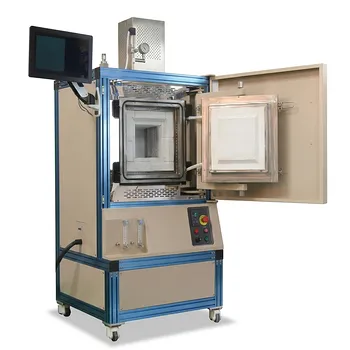
High Temperature Hydrogen Atmosphere Box Furnace 1650C Max Reducing Environment Material Synthesis System 8x8x8 Chamber
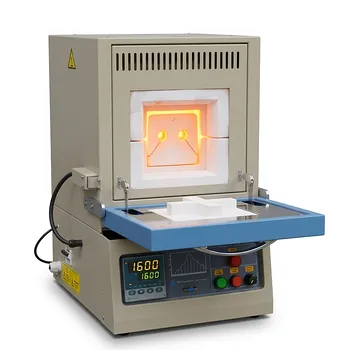
High Temperature Compact Muffle Furnace 1700 C with 30 Segment Programmable Controller and 1.7L Cubic Chamber
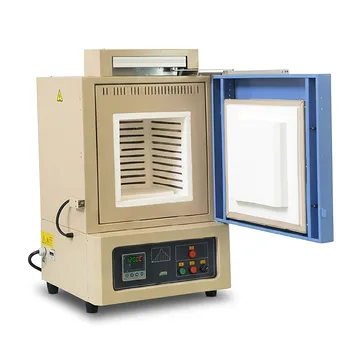
1200C High Temperature Muffle Furnace with Motorized Door and Automated PC Control for Industrial Sintering and Material Processing 27 Liter
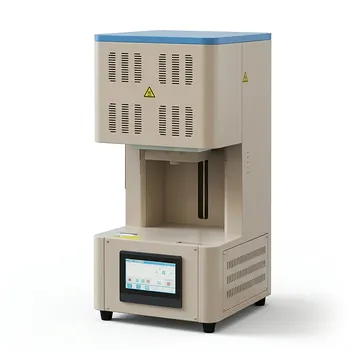
Automated 1700C High Temperature Bottom Loading Box Furnace with PC Software Control and Robotic Integration Capability