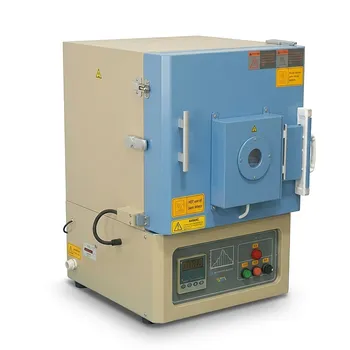
How does a laboratory atmosphere furnace ensure the synthesis quality of biochar? Master Biochar Pyrolysis Control
Updated 3 months ago
A laboratory atmosphere furnace ensures high-quality biochar synthesis by maintaining a strictly anaerobic environment that prevents the oxidative combustion of livestock manure. By replacing oxygen with a continuous flow of high-purity nitrogen, the furnace facilitates thermal degradation rather than burning. This process maximizes the retention of the carbon skeleton and promotes the development of complex microporous structures essential for the biochar's functional performance.
The core advantage of an atmosphere furnace lies in its ability to decouple high-temperature heating from oxygen exposure. This ensures that livestock manure undergoes a precise thermochemical transformation into a stable, carbon-rich material rather than turning into ash.
Maintaining a Strictly Anaerobic Environment
The Role of High-Purity Nitrogen
The furnace uses a continuous flow of high-purity nitrogen (often at rates like 500 mL/min) to purge the heating chamber of oxygen. This inert atmosphere is critical because it prevents the raw manure from undergoing direct oxidative combustion at high temperatures.
Prevention of Material Oxidation
By excluding oxygen, the furnace ensures that the biomass undergoes thermal degradation and devolatilization. This results in the formation of biochar with high fixed carbon content and extremely low nitrogen content, which is vital for specialized applications like reducing emissions during industrial sintering.
Precision Control of Thermochemical Reactions
Programmable Heating Profiles
Atmosphere furnaces allow for precise control over the heating rate (e.g., 10°C/min to 30°C/min) and the peak pyrolysis temperature. Controlling these variables is essential for the transition of organic matter into stable graphitic or amorphous carbon frameworks.
Management of Dwell Times
The ability to maintain a specific temperature—often ranging from 600°C to 800°C—for a defined duration ensures complete carbonization. This "dwell time" allows for the thorough removal of volatile matter and the reorganization of carbon elements into a robust, functional structure.
Optimization of Biochar Microstructure
Development of Porous Frameworks
The controlled anaerobic environment facilitates the formation of a honeycomb microporous structure. These pores are critical for the physical adsorption capabilities of the biochar, making it effective for environmental remediation or as a catalyst support.
Preservation of Surface Functional Groups
Precise temperature management ensures the formation of abundant surface functional groups, such as hydroxyl and carboxyl groups. In the case of modified manures (like iron-loaded sheep manure), this environment also facilitates the transformation of additives into active species like Fe3C or Fe3O4.
Understanding the Trade-offs
Operational Limitations
While atmosphere furnaces provide superior control, they require a constant supply of inert gas, which increases operational costs compared to standard muffle furnaces. Failure to maintain a perfect seal can lead to air infiltration, which immediately compromises the batch by causing partial oxidation.
Scaling and Throughput
Laboratory atmosphere furnaces are designed for precision rather than volume. Achieving the same level of atmosphere uniformity in large-scale industrial reactors is significantly more challenging, meaning laboratory results may not always translate directly to mass production without adjustments.
How to Apply This to Your Project
Choosing the Right Parameters for Your Goal
To achieve the best results with livestock manure pyrolysis, consider the following strategic directions:
- If your primary focus is maximizing surface area: Use a higher peak temperature (near 800°C) and a slower heating rate to encourage the development of deep, stable micropores.
- If your primary focus is nutrient retention: Use a lower peak temperature (around 500-600°C) to prevent the excessive loss of volatile functional groups and nitrogen.
- If your primary focus is catalyst synthesis: Ensure the furnace atmosphere is strictly monitored to facilitate the uniform distribution of metallic nanoparticles across the carbon substrate.
By leveraging the precise atmosphere and temperature controls of a laboratory furnace, you can transform raw manure into a sophisticated, high-value carbon material tailored for specific technical applications.
Summary Table:
| Feature | Mechanism | Biochar Quality Impact |
|---|---|---|
| Inert Atmosphere | N₂ purging (e.g., 500 mL/min) | Prevents oxidation; ensures high fixed carbon. |
| Temp. Control | Programmable ramping (10-30°C/min) | Facilitates stable graphitic carbon frameworks. |
| Dwell Time | Precise hold at 600°C–800°C | Maximizes micropore development and surface area. |
| Vacuum Sealing | Air-tight chamber integrity | Protects vital surface functional groups from ash conversion. |
Elevate Your Material Research with THERMUNITS
Are you looking to achieve the highest precision in your biochar synthesis or material R&D? THERMUNITS is a leading manufacturer of specialized high-temperature laboratory equipment designed for the rigors of material science.
We offer a comprehensive range of thermal processing solutions tailored to your specific research goals, including:
- Advanced Furnaces: Muffle, Vacuum, Atmosphere, Tube, Rotary, and Hot Press models.
- Specialized Systems: CVD/PECVD systems, Dental Furnaces, and Vacuum Induction Melting (VIM) furnaces.
- Industrial Research Tools: Electric rotary kilns, Thermal Elements, and versatile heat treatment equipment.
Our equipment ensures 100% anaerobic integrity and ultra-precise temperature management, allowing you to transform raw biomass into high-value engineered carbon.
Ready to optimize your thermal processing? Contact our expert engineering team today to find the perfect solution for your laboratory.
References
- Ayşenur Özuysal, Görkem Akıncı. Investigation of cattle manure, poultry manure and sewage sludge as raw materials for biochar synthesis via pyrolysis: A case study for Küçük Menderes Basin-Türkiye. DOI: 10.5505/pajes.2023.71644
Mentioned Products
- 1200°C Five Side Heating Atmosphere Controlled Muffle Furnace 64 Liter High Uniformity Box Furnace for Material Synthesis
- Bottom Loaded Inert Gas Atmosphere Box Furnace 1400C Maximum Temperature 125L High Capacity Laboratory Heat Treatment System
- 1000C Mini Tube Furnace with 20mm Quartz Tube and Vacuum Flanges for Material Science Research and Controlled Atmosphere Small Sample Processing
- Compact 1000C Muffle Furnace with Programmable Controller and 2 Inch Top Port for Vacuum and Atmosphere Material Research
- 1700C High Temperature Alumina Tube Furnace with 18 Inch Heated Zone and Vacuum Sealing Flanges
People Also Ask
- What role does a laboratory high-temperature muffle furnace play in the ash analysis phase of biomass co-firing research? [Guide]
- What role does a laboratory muffle furnace play in the pre-carbonization of bagasse? Mastering Biomass Pyrolysis
- What is the primary use of a laboratory muffle furnace in evaluating pyrolyzed biomass? Master Biomass Fuel Analysis.
- What is the application of a muffle furnace in evaluating grubs-derived biochar? Master Ash & Purity Analysis
- What is the role of a laboratory muffle furnace in the preparation of corncob biochar? Optimize Your Biochar Synthesis.

Tech Team · ThermUnits
Last updated on Jun 03, 2026
Related Products
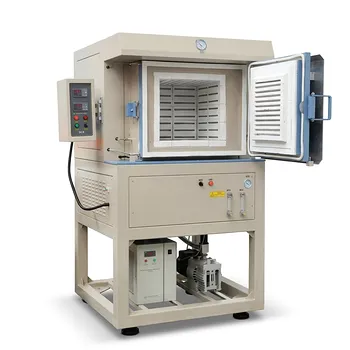
1200°C Five Side Heating Atmosphere Controlled Muffle Furnace 64 Liter High Uniformity Box Furnace for Material Synthesis
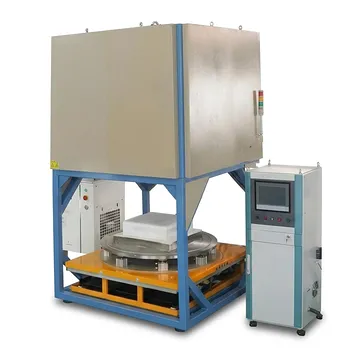
Bottom Loaded Inert Gas Atmosphere Box Furnace 1400C Maximum Temperature 125L High Capacity Laboratory Heat Treatment System
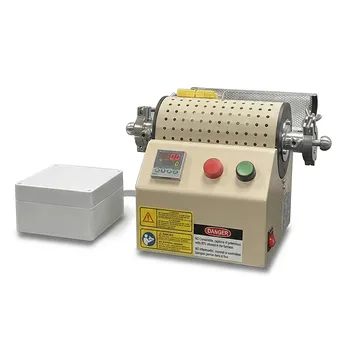
1000C Mini Tube Furnace with 20mm Quartz Tube and Vacuum Flanges for Material Science Research and Controlled Atmosphere Small Sample Processing
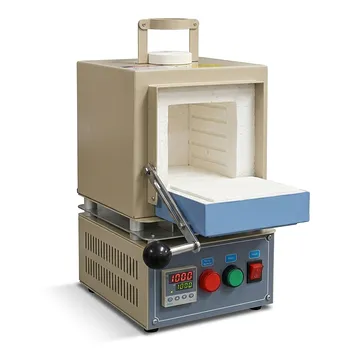
Compact 1000C Muffle Furnace with Programmable Controller and 2 Inch Top Port for Vacuum and Atmosphere Material Research
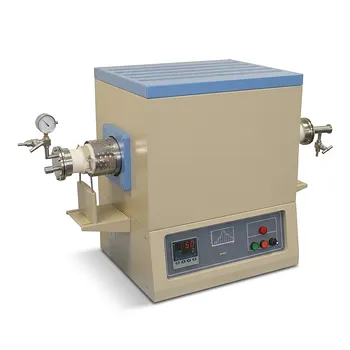
1700C High Temperature Alumina Tube Furnace with 18 Inch Heated Zone and Vacuum Sealing Flanges
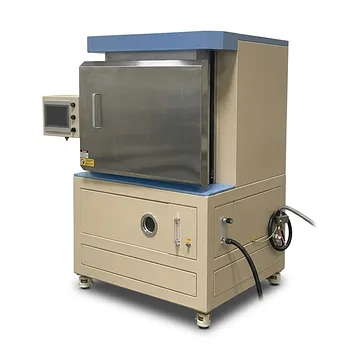
1650C High Temperature Atmosphere Controlled Box Furnace with 65L Chamber for Advanced Material Sintering and Industrial Heat Treatment
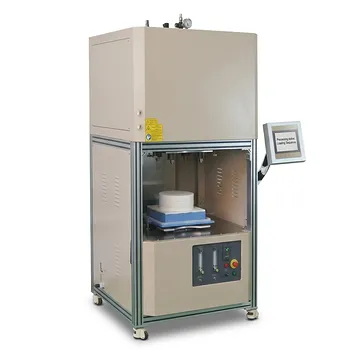
High Temperature Vertical Atmosphere Controlled Furnace with Automatic Bottom Loading and 1700°C Capacity for Advanced Material Research
High Temperature Oxygen and Inert Atmosphere Controlled Furnace 8 Liter 1700C Sintering System for Advanced Materials RD
Atmosphere Controlled Muffle Furnace 1700C Maximum Temperature 80L High Capacity Vacuum Inert Gas Box Furnace
High Temperature Hydrogen Atmosphere Box Furnace 1650C Max Reducing Environment Material Synthesis System 8x8x8 Chamber
High Temperature Vertical Atmosphere Controlled Furnace 1700C Automatic Bottom Loading 13 Liter Vacuum Thermal System
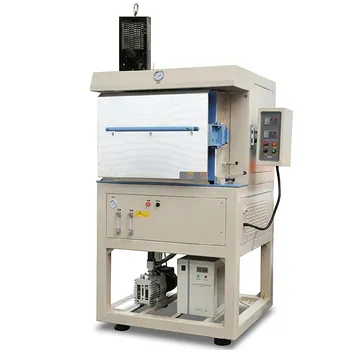
1200C Hydrogen Atmosphere Box Furnace with 5 Heated Sides and 64L Chamber
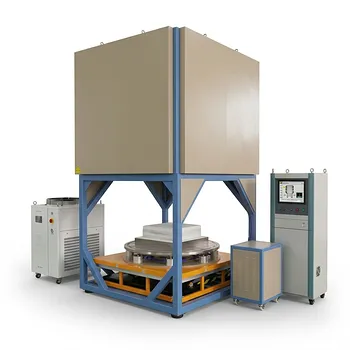
Bottom Loaded Inert Gas Atmosphere Box Furnace 1700C 1300C 216L Large Capacity Industrial Thermal Processing System
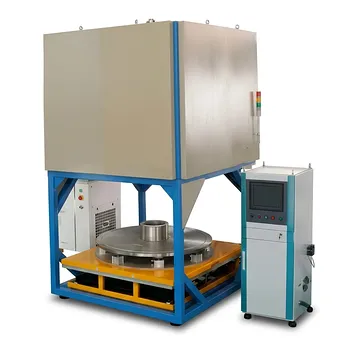
1400C Bottom Loaded Inert Gas Atmosphere Box Furnace with 125L Capacity and Precision Hydraulic Lift
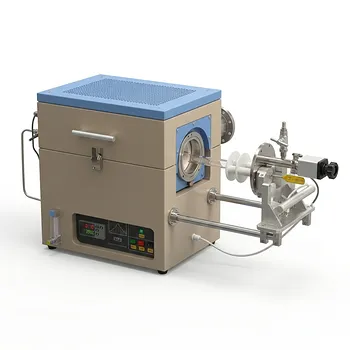
Compact Atmosphere Controlled Rapid Thermal Processing RTP Furnace with 4 Inch ID Quartz Tube 1100C
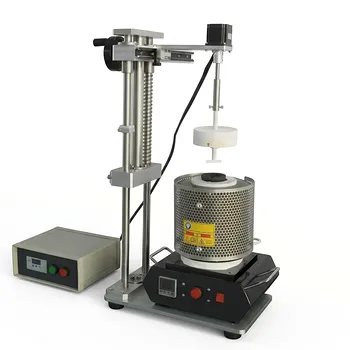
1100C Crucible Melting Furnace with Stirring Function for Glovebox and Air Sensitive Alloy Research
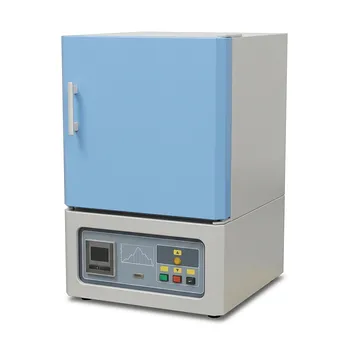
1800C Bench Top Muffle Furnace with Kanthal Super 1900 Heating Elements and 3.6L Alumina Fiber Chamber
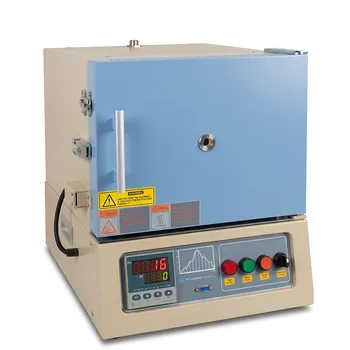
1200C Muffle Furnace 12x8x5 7.2L Heating Chamber with Quartz Observation Window and Vent Port
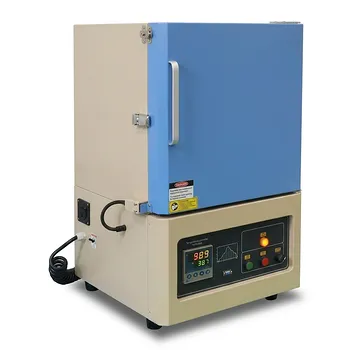
1200°C High Temperature Muffle Furnace 19L Chamber with 50 Segment Programmable Controller