How does a laboratory tube furnace ensure the surface quality of stainless steel? Master Sintering and Densification
Updated 3 months ago
The primary mechanism for ensuring surface quality is the integration of a hermetically sealed atmosphere with high-precision thermal management. A laboratory tube furnace achieves this by utilizing a strictly controlled argon or hydrogen environment to isolate stainless steel powders from oxygen, preventing the oxidation of reactive elements like titanium and manganese. At the target sintering temperature of 1250°C, the furnace’s stable thermal field ensures full densification, resulting in optimal surface roughness and high yield strength.
Core Takeaway: A laboratory tube furnace ensures surface quality by creating a sterile, high-temperature thermodynamic environment that facilitates atomic diffusion while simultaneously neutralizing oxidation and surface impurities through precise atmospheric control.
Atmospheric Control as a Protective Barrier
Isolation of Oxygen and Reactive Elements
The furnace utilizes a sealed quartz or ceramic tube to introduce inert gases like argon, which physically displaces oxygen. This is critical for stainless steel, as it prevents the oxidation of active alloying elements such as titanium and manganese that would otherwise degrade surface finish.
The Role of Reducing Environments
In some applications, the furnace introduces pure hydrogen to act as a reducing agent. This atmosphere actively removes existing surface oxides and residual carbon from the powder particles, ensuring that the final part reaches near-full density without brittle oxide layers.
Chemical Composition Preservation
By maintaining a specific hydrogen partial pressure, the furnace can regulate the reduction degree of the samples. This precise control is decisive for maintaining the ideal stoichiometry on the sample surface and suppressing the formation of unwanted impurities.
Precision Thermal Fields for Microstructural Integrity
Achieving Full Densification at 1250°C
Surface quality is inextricably linked to the internal density of the material. The tube furnace provides a stable thermal field that allows stainless steel to reach full densification at 1250°C, which minimizes surface porosity and results in optimal roughness.
Facilitating Atomic Migration
By holding the temperature slightly below the metal's melting point, the furnace promotes diffusion and atomic migration between powder particles. This process eliminates micropores and ensures that the transition from powder compact to solid composite is uniform across the entire surface.
Uniformity and Repeatability
The linear heating space of a tube furnace ensures a uniform thermal gradient, which is a fundamental requirement for eliminating performance fluctuations. This repeatability ensures that every sample in a batch exhibits the same mechanical properties and surface characteristics.
Understanding the Trade-offs and Pitfalls
Gas Purity and Seal Integrity
The effectiveness of the protective atmosphere is entirely dependent on the integrity of the tube seals. Any minor leak can introduce oxygen, leading to localized oxidation that ruins the surface finish and compromises the metallurgical bond between particles.
Limitations of Temperature Ramping
While tube furnaces offer excellent stability, they often have slower cooling rates compared to other furnace types due to the insulation required for high-temp stability. Rapid cooling requirements for specific phase transitions may require specialized quenching attachments or gas-flow adjustments.
Material Compatibility with Furnace Tubes
At extremely high temperatures (above 1600°C), interactions between the sample vapors and the tube material (such as quartz or alumina) can occur. This can lead to tube degradation or subtle contamination of the sample surface if the wrong tube material is selected for a specific alloy.
How to Apply This to Your Project
When selecting or operating a laboratory tube furnace for stainless steel sintering, your configuration should match your specific metallurgical requirements.
- If your primary focus is preventing oxidation of reactive alloys: Utilize a high-purity argon atmosphere and ensure your furnace has vacuum-tight end-seals to eliminate oxygen traces.
- If your primary focus is achieving maximum surface density: Prioritize a furnace with a long "hot zone" to ensure a stable thermal field, and consider a hydrogen-reducing atmosphere to eliminate surface oxides.
- If your primary focus is researching phase transition kinetics: Select a furnace with high flexibility in atmosphere switching and precise segmented temperature programming.
By mastering the synergy between atmospheric purity and thermal stability, you can consistently produce stainless steel components with superior surface integrity and mechanical performance.
Summary Table:
| Feature | Control Mechanism | Sintering Impact |
|---|---|---|
| Atmosphere | Inert/Reducing Gas (Ar, H₂) | Prevents oxidation; removes surface impurities |
| Thermal Field | High-Precision Management | Ensures full densification & minimal porosity |
| Temperature | Stable 1250°C Holding | Facilitates atomic migration & surface smoothness |
| Seal Integrity | Hermetic Quartz/Ceramic Tube | Maintains stoichiometry & chemical purity |
Optimize Your Thermal Processing with THERMUNITS
As a leading manufacturer of high-temperature laboratory equipment for material science and industrial R&D, THERMUNITS provides the precision needed for superior material outcomes. Our comprehensive range includes:
- Furnaces: Tube, Muffle, Vacuum, Atmosphere, Rotary, Hot Press, and Dental Furnaces.
- Advanced Systems: CVD/PECVD systems, Electric Rotary Kilns, and Vacuum Induction Melting Furnaces (VIM).
- Components: High-quality Thermal Elements and specialized heat treatment accessories.
Whether you are sintering stainless steel powders or researching phase kinetics, our solutions guarantee reliability and performance. Contact us today to discuss your specific requirements and see how our expertise can drive your research forward!
References
- M. Saternus, Ladislav Socha. Advanced Processes in Metallurgical Technologies. DOI: 10.3390/met14091049
Mentioned Products
- Multi Position Tube Furnace 1100C for Laboratory Material Research and Advanced Industrial Thermal Processing
- Ten Zone Multi Orientation Laboratory Tube Furnace for 1200C High Temperature Gradient Thermal Processing
- High Temperature 1200C Split Tube Furnace with Hinged Vacuum Flanges and 4 Inch Quartz Tube for Laboratory Research
- 1100°C Vertical Laboratory Furnace for DIY Tubular Reactors with PID Temperature Controller
- High Temperature Automated 5 Inch Tube Furnace for Autonomous Material Research and Advanced Laboratory R&D
People Also Ask
- Why use a tube furnace for oxygen annealing LaCrO3/LaMnO3? Optimize Phase Transition & Magnetic Performance.
- What key role does a laboratory high-temperature tube furnace play in the production of carbon nanofibers? Guide
- How is a laboratory high-temperature tube furnace utilized to research the products of aluminothermic reduction? Advanced Metallurgical Solutions
- What is the role of a laboratory tube furnace in the carbonization process of porous carbon foam (PCF)? Master 3D Synthesis
- What role does a laboratory tube furnace play in the pyrolysis and carbonization of biomass? Optimize Thermal Research.

Tech Team · ThermUnits
Last updated on Jun 03, 2026
Related Products
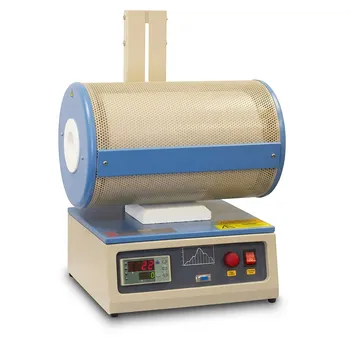
Multi Position Tube Furnace 1100C for Laboratory Material Research and Advanced Industrial Thermal Processing
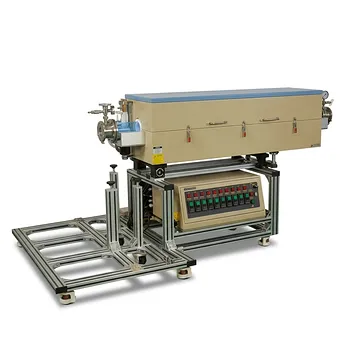
Ten Zone Multi Orientation Laboratory Tube Furnace for 1200C High Temperature Gradient Thermal Processing
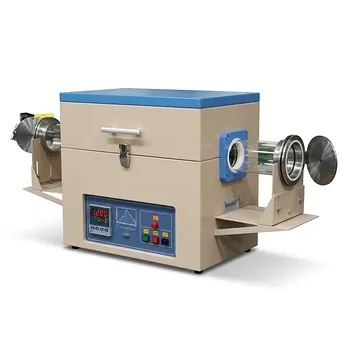
High Temperature 1200C Split Tube Furnace with Hinged Vacuum Flanges and 4 Inch Quartz Tube for Laboratory Research
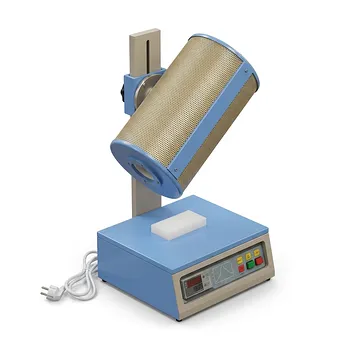
1100°C Vertical Laboratory Furnace for DIY Tubular Reactors with PID Temperature Controller

High Temperature Automated 5 Inch Tube Furnace for Autonomous Material Research and Advanced Laboratory R&D
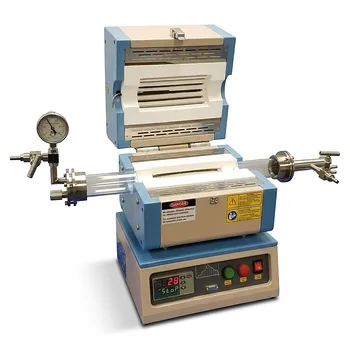
Compact Split Tube Furnace with Integrated Vacuum System and Precision Temperature Calibrator

1800C High Temperature Compact Vacuum Tube Furnace with 60mm OD Alumina Tube and Kanthal MoSi2 Heating Elements
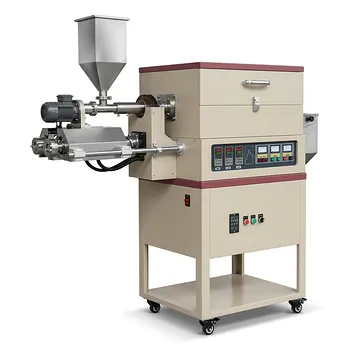
Laboratory Tilting Rotary Tubular Furnaces for Material Science and Industrial Heat Treatment
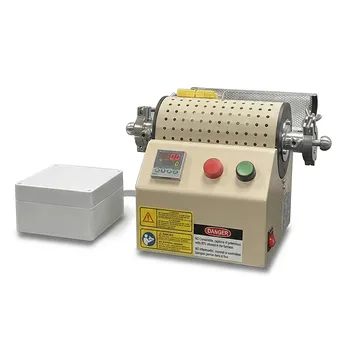
1000C Mini Tube Furnace with 20mm Quartz Tube and Vacuum Flanges for Material Science Research and Controlled Atmosphere Small Sample Processing
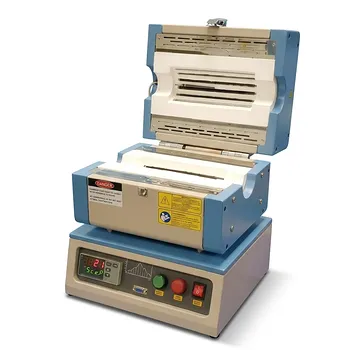
1250C Compact Split Tube Furnace with 8 Inch Heating Zone and Programmable Controller
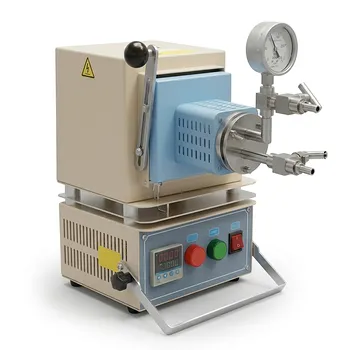
Compact Hybrid Muffle and Tube Furnace for 1000C Controlled Atmosphere Laboratory Material Sintering
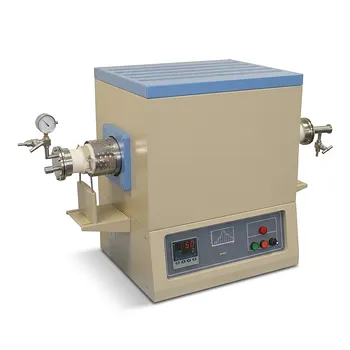
1700C High Temperature Alumina Tube Furnace with 18 Inch Heated Zone and Vacuum Sealing Flanges
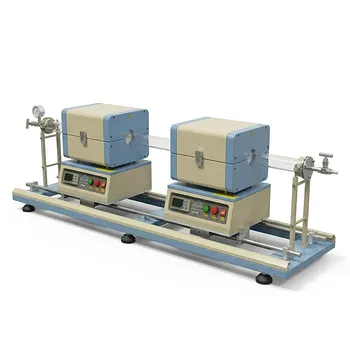
1200C Max Dual Sliding Tube Furnace with 50 mm Tube Flanges for CVD
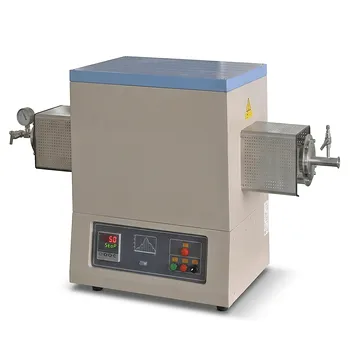
High Temperature 1700C Tube Furnace with 4 Inch OD Alumina Tube and Vacuum Sealing Flanges
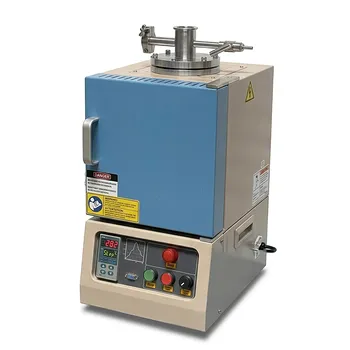
High Temperature Hybrid Muffle and Tube Furnace with Vacuum Capability and PID Control
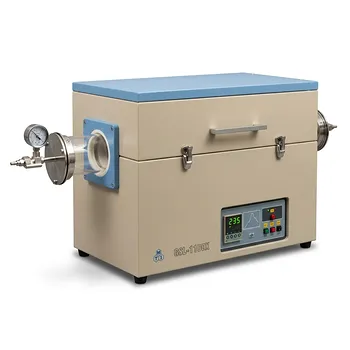
Single Zone Tube Furnace 5 Inch Quartz Tube 36 Inch Heating Zone Vacuum Flanges
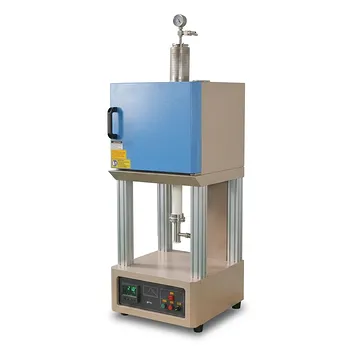
Hybrid High Temperature Tube and Box Furnace 1700C with 2 Inch Alumina Tube for Material Research
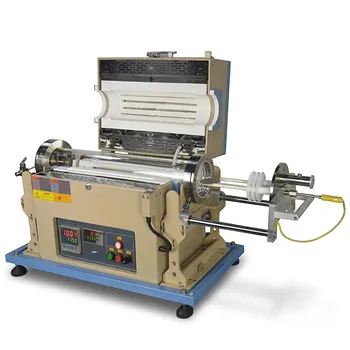
1200°C High Temperature 4 Inch Tube Furnace with Sliding Flange for CVD Systems
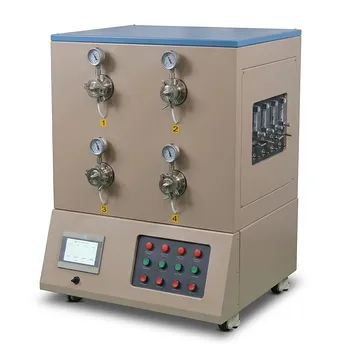
High Throughput 1200C Four Channel Tube Furnace with 3 Inch Quartz Tubes for Multi Zone Annealing and Material Research
