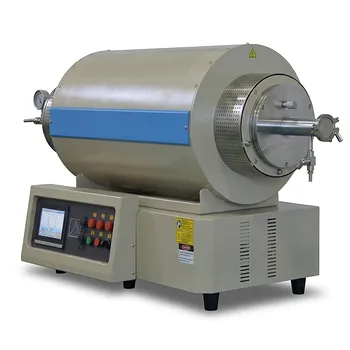
How does a tube atmosphere furnace facilitate the co-pyrolysis of NCM and PET for lithium recovery? Optimize Recycling
Updated 3 months ago
The tube atmosphere furnace acts as a controlled chemical reactor that transforms PET plastic into a reducing agent to destabilize the NCM crystal structure. By providing an oxygen-free thermal environment, the furnace allows PET to decompose into specific gases and radicals that react with NCM, ultimately making lithium accessible for efficient recovery and separation.
Core Takeaway: A tube atmosphere furnace enables lithium recovery by maintaining a precise, anoxic environment where PET decomposes into reducing agents (CO and CH4). These agents chemically reduce the transition metals within the NCM lattice, breaking the structural bonds that hold lithium in place.
Creating the Optimal Reaction Environment
The Necessity of Oxygen Exclusion
The primary role of the tube furnace is to maintain a High-Purity Nitrogen (N2) or inert atmosphere that is strictly oxygen-free. This anoxic environment prevents the direct combustion of PET, which would otherwise simply burn away without providing the necessary chemical reduction for the NCM.
Maintaining Atmospheric Purity
By utilizing a continuous flow of nitrogen, typically around 10 ml per minute, the furnace effectively purges oxygen from the chamber. This ensures that the PET raw materials undergo thermal decomposition rather than oxidation, preserving the integrity of the reducing radicals formed during the process.
Precise Thermal Management
The furnace provides granular control over the heating rate and peak pyrolysis temperature, which is critical for the co-pyrolysis of NCM and PET. Precise temperature control ensures that the decomposition of PET aligns perfectly with the thermal requirements for the reduction of high-valence transition metals.
The Chemistry of Co-Pyrolysis
Decomposition into Reducing Agents
Under the stable nitrogen flow provided by the furnace, PET decomposes into reducing radicals and gases such as carbon monoxide (CO) and methane (CH4). In a standard open-air furnace, these gases would ignite; however, the tube furnace captures them to serve as the primary chemical reagents for lithium recovery.
Reduction of the NCM Lattice
These generated gases react directly with the NCM crystal lattice, attacking the bonds between oxygen and transition metals. By reducing these high-valence transition metals, the furnace facilitates the collapse of the NCM structure, allowing the lithium to be separated from the nickel, cobalt, and manganese.
Preventing Secondary Oxidation
The rigorous sealing performance of the tube furnace is vital to prevent the oxidation of newly formed active sites or reduced metal species. By keeping oxygen out throughout the entire heating and cooling cycle, the furnace ensures the high purity of the final recovered materials.
Understanding the Trade-offs
Heating Rate vs. Structural Stability
If the heating rate is too high, it may lead to the excessive aggregation of metal atoms or an incomplete reaction between the PET-derived gases and the NCM powder. A controlled, slower rate (e.g., 5°C/min to 20°C/min) is often necessary to ensure the reducing gases have sufficient residence time to penetrate the NCM lattice.
Gas Flow and Residence Time
While a high nitrogen flow ensures a pure atmosphere, it can also dilute the reducing gases produced by the PET. Finding the balance between purging oxygen and maintaining a sufficient concentration of CO and CH4 is essential for maximizing the efficiency of the lithium extraction process.
Temperature Limitations
Operating at extremely high temperatures (above 800°C) may enhance reduction but can also lead to the sintering of the materials, making subsequent leaching or mechanical separation more difficult. Precise atmospheric furnaces allow users to find the "sweet spot" where reduction occurs without damaging the physical properties of the products.
How to Apply This to Your Project
When utilizing a tube atmosphere furnace for NCM and PET co-pyrolysis, your technical parameters should align with your specific recovery targets.
- If your primary focus is Maximum Lithium Yield: Prioritize a lower heating rate and a tightly sealed environment to maximize the contact time between PET-derived reducing gases and the NCM lattice.
- If your primary focus is High-Purity Metal Byproducts: Ensure a high-purity nitrogen purge (99.99%+) is maintained throughout the entire cooling phase to prevent the re-oxidation of transition metals.
- If your primary focus is Process Efficiency: Optimize the NCM-to-PET ratio and use a horizontal tube furnace to ensure even gas distribution across the material bed.
By masterfully controlling the interaction between heat and atmosphere, the tube furnace converts waste plastic into a vital chemical tool for sustainable battery recycling.
Summary Table:
| Feature | Function in Co-Pyrolysis | Impact on Lithium Recovery |
|---|---|---|
| Anoxic Environment | Prevents PET combustion; promotes decomposition | Ensures PET acts as a reducing agent |
| Reducing Gas Generation | Produces CO and CH4 from PET | Destabilizes NCM lattice to release lithium |
| Thermal Management | Controls heating rates (5-20°C/min) | Prevents metal aggregation; ensures complete reaction |
| Sealing Performance | Prevents oxygen ingress during cooling | Maintains purity of recovered metal species |
Maximize Your Material Recovery with THERMUNITS
Are you looking to optimize your battery recycling research or industrial R&D? THERMUNITS is a leading manufacturer of high-temperature laboratory equipment specifically designed for material science. Our precision-engineered Tube Atmosphere Furnaces provide the strict atmospheric control and thermal accuracy required for advanced processes like NCM and PET co-pyrolysis.
Beyond atmosphere furnaces, we offer a comprehensive range of thermal solutions, including:
- Muffle, Vacuum, and Rotary Furnaces
- Hot Press Furnaces and CVD/PECVD Systems
- Vacuum Induction Melting Furnaces (VIM)
- Dental Furnaces and Electric Rotary Kilns
- High-Quality Thermal Elements
Enhance your lab's efficiency and achieve superior results with equipment built for performance. Contact us today to discuss your project requirements!
References
- Zhe Meng, Yuanyuan Tang. Synergetic pyrolysis of lithium-ion battery cathodes with polyethylene terephthalate for efficient metal recovery and battery regeneration. DOI: 10.1038/s44172-024-00317-x
Mentioned Products
- Vertical 1700C Vacuum and Atmosphere Tube Furnace with 80mm Alumina Tube
- 1200C Hybrid Muffle and Tube Furnace for Material Research with Dual Atmosphere Control Quartz Tubes
- Compact Vertical Split Quartz Tube Furnace with Stainless Steel Vacuum Flanges for Rapid Thermal Quenching and Controlled Atmosphere Material Processing
- Compact Hybrid Muffle and Tube Furnace for 1000C Controlled Atmosphere Laboratory Material Sintering
- 1200°C Atmosphere Controlled Automatic Bottom Loading Furnace with 6 Inch Quartz Tube
People Also Ask
- How is an industrial-grade vertical tube furnace utilized in smelting leaching residues? Enhance Metal Recovery Efficiency
- What is the function of a laboratory-grade vertical tube furnace in fast pyrolysis? Optimize Composite Research.
- How does a vertical tube furnace facilitate thermoelectric alloy melting? Precision synthesis for material homogeneity.
- Why is a thermocouple sensor indispensable for monitoring the vertical tube furnace during gallium oxide nanowire production? Optimize VLS Growth
- What are the advantages of a Vertical Tube Furnace for iron coke testing? | Achieve High-Precision CRI Analysis

Tech Team · ThermUnits
Last updated on Jun 03, 2026
Related Products

Vertical 1700C Vacuum and Atmosphere Tube Furnace with 80mm Alumina Tube
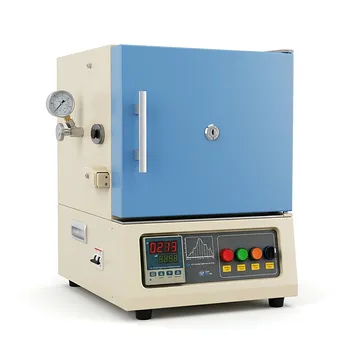
1200C Hybrid Muffle and Tube Furnace for Material Research with Dual Atmosphere Control Quartz Tubes

Compact Vertical Split Quartz Tube Furnace with Stainless Steel Vacuum Flanges for Rapid Thermal Quenching and Controlled Atmosphere Material Processing
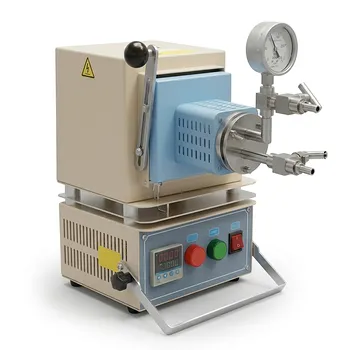
Compact Hybrid Muffle and Tube Furnace for 1000C Controlled Atmosphere Laboratory Material Sintering
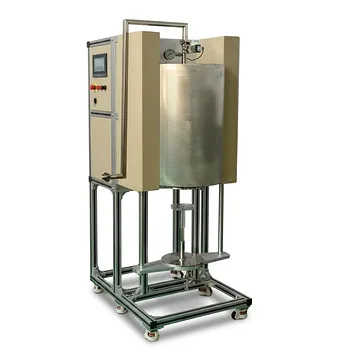
1200°C Atmosphere Controlled Automatic Bottom Loading Furnace with 6 Inch Quartz Tube

Three Zone Tube Furnace with 11 Inch or 15 Inch Quartz Tube and Hinged Flanges for Vacuum Atmosphere Heat Treatment

1200°C 5 Inch Vertical Quartz Tube Furnace with Stainless Steel Vacuum Flanges
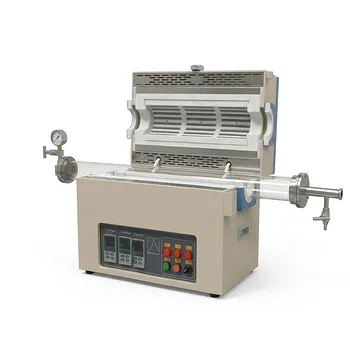
1200°C Three Zone Split Tube Furnace with 18 Inch Heating Length and Vacuum Flanges
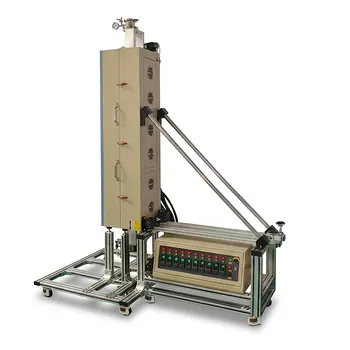
1200°C 10-Zone Split Tube Furnace with Horizontal and Vertical Mounting for Multi-Zone Thermal Gradients and Large Diameter Material Processing
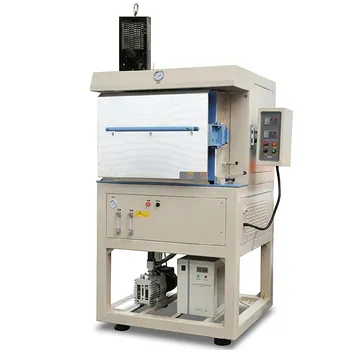
1200C Hydrogen Atmosphere Box Furnace with 5 Heated Sides and 64L Chamber

High Temperature 1700C Tube Furnace with High Vacuum Turbomolecular Pump System and Multi Channel Mass Flow Controller Gas Mixer

1700C Hydrogen Gas Tube Furnace with 60mm Alumina Process Tube and Integrated Hydrogen Safety Detector

High Temperature 1700C Six Zone Split Tube Furnace with Alumina Tube and Water Cooled Flanges

High Temperature 1700C Vertical Tube Furnace for Powder Spherification and Material Sintering
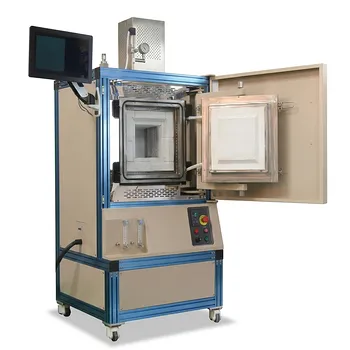
High Temperature Hydrogen Atmosphere Box Furnace 1650C Max Reducing Environment Material Synthesis System 8x8x8 Chamber

1800C High Temperature Compact Vacuum Tube Furnace with 60mm OD Alumina Tube and Kanthal MoSi2 Heating Elements
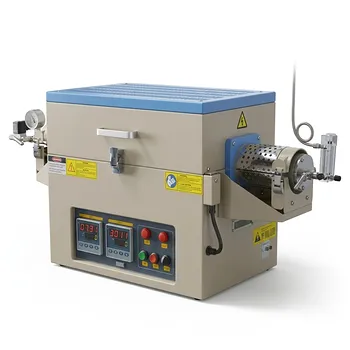
1100C Dual Zone Hydrogen Gas Tube Furnace with Quartz Tube and Integrated H2 Leak Detection System

High Temperature 1700C Benchtop Tube Furnace with 5 Inch Heating Zone High Purity Alumina Tube and Vacuum Sealing Flanges

High Temperature Automated 5 Inch Tube Furnace for Autonomous Material Research and Advanced Laboratory R&D