How does an atmosphere control system prevent spontaneous combustion? Safe Post-Treatment for KOH-Activated Nanofibers
Updated 3 months ago
Atmosphere control systems prevent spontaneous combustion by precisely regulating the nitrogen-to-oxygen ratio to manage the oxidation rate of residual metallic potassium. By creating a low-flow oxygen environment, the system ensures that the heat generated during the oxidation process never reaches the ignition temperature of the carbon nanofibers.
The core mechanism of fire prevention in this context is the dilution of oxygen to control exothermic energy. By slowing down the chemical reaction between oxygen and potassium, the system allows heat to dissipate safely, preserving the high-porosity structure of the nanofibers.
The Chemistry of Risk in KOH Activation
The Presence of Residual Metallic Potassium
During the activation of nanofibers with KOH, residual metallic potassium often remains embedded within the carbon matrix. This potassium is highly reactive and undergoes a violent exothermic reaction when it comes into contact with standard atmospheric oxygen.
The Vulnerability of High-Porosity Nanofibers
Activated nanofibers are prized for their high surface area and porous architecture. However, this same structure makes them extremely susceptible to secondary carbon combustion if a localized heat spike occurs, potentially destroying the material entirely.
Mechanisms of Atmosphere Control
Regulating the Nitrogen-to-Oxygen Ratio
The control system functions by introducing inert nitrogen to dilute the concentration of oxygen. This precise mixture limits the number of oxygen molecules available to react with the potassium at any given time, effectively "metering" the chemical reaction.
Managing the Oxidation Rate
A low-flow oxygen environment transforms what would be a violent, instantaneous reaction into a slow, manageable oxidation process. This controlled approach prevents the "thermal runaway" that typically leads to spontaneous ignition.
Staying Below the Ignition Point
The primary goal is to ensure that the heat generated by potassium oxidation does not cross the ignition threshold of carbon. By keeping the temperature low, the system protects the delicate nanofiber structure from permanent thermal damage.
Understanding the Trade-offs
The Risk of Incomplete Passivation
If the oxygen flow is kept too low for too long, the potassium may not be fully passivated. This creates a hidden danger where the material might still spontaneously combust later when it is finally exposed to open air.
Accuracy vs. Processing Time
While a very low oxygen concentration is the safest route, it significantly extends the post-treatment duration. Engineers must balance the need for absolute safety with the practical requirements of production throughput and energy consumption.
Applying Atmosphere Control to Your Process
Recommendations for Effective Post-Treatment
To ensure both safety and material integrity, consider these strategic approaches based on your specific operational goals.
- If your primary focus is structural integrity: Use a strictly controlled low-flow oxygen ramp to ensure that no localized "hot spots" exceed the thermal degradation limits of the nanofibers.
- If your primary focus is operational safety: Implement a nitrogen-heavy atmosphere during the initial stages of post-treatment to passivate the most reactive metallic potassium before gradually increasing oxygen levels.
- If your primary focus is process throughput: Carefully calibrate the nitrogen-to-oxygen ratio to the specific potassium loading of your nanofibers to find the highest safe oxidation rate.
A precision-engineered atmosphere control system is the essential bridge between a highly reactive chemical intermediate and a stable, high-performance nanofiber product.
Summary Table:
| Feature | Mechanism | Benefit |
|---|---|---|
| Atmosphere Dilution | Introducing inert Nitrogen ($N_2$) | Reduces $O_2$ concentration to safe levels |
| Oxidation Control | Low-flow Oxygen metering | Prevents thermal runaway of residual Potassium |
| Thermal Monitoring | Maintaining heat below ignition point | Preserves high-porosity carbon structure |
| Passivation Strategy | Gradual Oxygen ramping | Ensures material stability for open-air handling |
Secure Your Material Integrity with THERMUNITS Precision Solutions
Preventing spontaneous combustion in reactive materials requires more than just heat—it requires absolute atmospheric control. THERMUNITS is a leading manufacturer of high-temperature laboratory equipment designed specifically for material science and industrial R&D.
Our advanced Atmosphere Furnaces and Vacuum Furnaces are engineered to provide the precise gas-mixing and low-flow regulation necessary for the delicate post-treatment of KOH-activated nanofibers and other reactive intermediates. Whether you are working with CVD/PECVD systems, Tube furnaces, or specialized Hot Press units, our technology ensures your high-porosity materials remain structurally intact and safe to handle.
Why choose THERMUNITS for your R&D?
- Precision Engineering: Accurate nitrogen-to-oxygen ratio management to prevent "thermal runaway."
- Versatile Range: From Muffle and Rotary furnaces to Vacuum Induction Melting (VIM) systems.
- Expert Support: We help you balance processing time with absolute operational safety.
Don't risk your research to unstable oxidation. Contact our thermal processing experts today to find the perfect equipment for your laboratory heat treatment needs!
References
- T. P. Fischer, Rüdiger‐A. Eichel. Post-treatment strategies for pyrophoric KOH-activated carbon nanofibres. DOI: 10.1039/d3ra07096d
Mentioned Products
- High Throughput Induction Melting and Casting Furnace for Superalloy Research 1700C Atmosphere Controlled Multi Sample System
- Atmosphere Controlled Induction Melting Granulating Casting Furnace 1500C 5kg Capacity
- Compact Atmosphere Controlled Rapid Thermal Processing RTP Furnace with 4 Inch ID Quartz Tube 1100C
- 1200C Atmosphere Controlled Automatic Bottom Loading Furnace with 6 Inch Quartz Tube Dual Zone System
- Automatic Flammable Gas Control and Disposal Device for Hydrogen Atmosphere Furnaces
People Also Ask
- Why use atmosphere-controlled induction furnaces for biochar & slag foaming? Replicate EAF physics with precision.
- Why are internal getters such as Titanium used during the synthesis of oxygen-sensitive materials in a melting furnace?
- What roles do an induction furnace and a graphite crucible play in the slag pre-melting process? Optimize Slag Prep.
- What are the primary functions of a High-Frequency Induction Melting Furnace in LMD? Achieve Precision Microstructures
- What is the role of the high-frequency induction melting furnace in Mg-Zn-Y alloy production? Ensure Superior Purity

Tech Team · ThermUnits
Last updated on Jun 03, 2026
Related Products
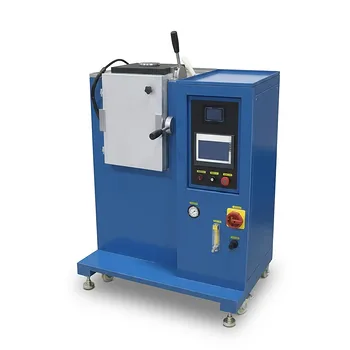
High Throughput Induction Melting and Casting Furnace for Superalloy Research 1700C Atmosphere Controlled Multi Sample System
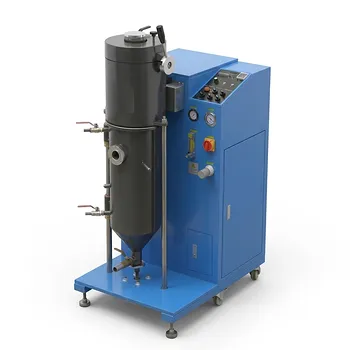
Atmosphere Controlled Induction Melting Granulating Casting Furnace 1500C 5kg Capacity
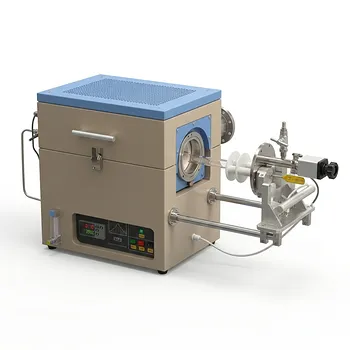
Compact Atmosphere Controlled Rapid Thermal Processing RTP Furnace with 4 Inch ID Quartz Tube 1100C
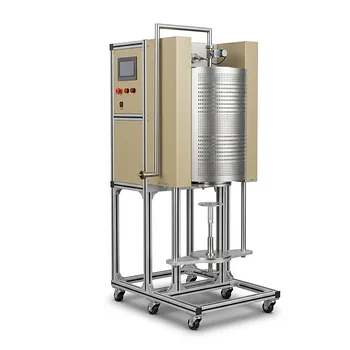
1200C Atmosphere Controlled Automatic Bottom Loading Furnace with 6 Inch Quartz Tube Dual Zone System
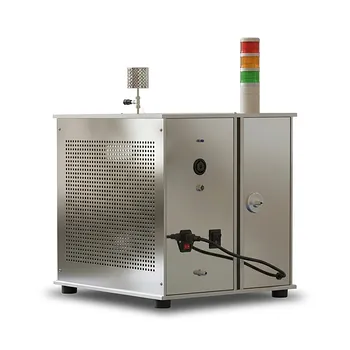
Automatic Flammable Gas Control and Disposal Device for Hydrogen Atmosphere Furnaces
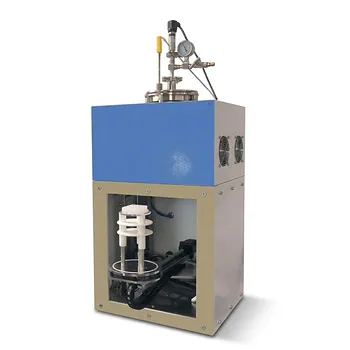
Rapid Thermal Processing Furnace 1100C Atmosphere Controlled Bottom Loading RTP System for Wafer Annealing and Catalysis Research
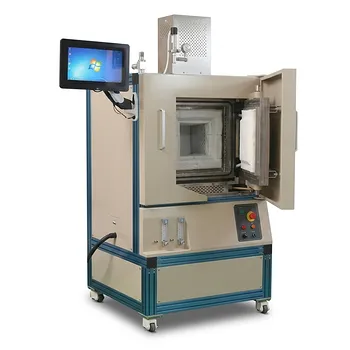
High Temperature Oxygen and Inert Atmosphere Controlled Furnace 8 Liter 1700C Sintering System for Advanced Materials RD
High Temperature Vertical Atmosphere Controlled Furnace 1700C Automatic Bottom Loading 13 Liter Vacuum Thermal System
1200°C Atmosphere Controlled Automatic Bottom Loading Furnace with 6 Inch Quartz Tube
1650C High Temperature Atmosphere Controlled Box Furnace with 65L Chamber for Advanced Material Sintering and Industrial Heat Treatment
Rapid Thermal Processing RTP Atmosphere Controlled Bottom Loading Furnace 1100C High Throughput 50C per Second Heating Rate
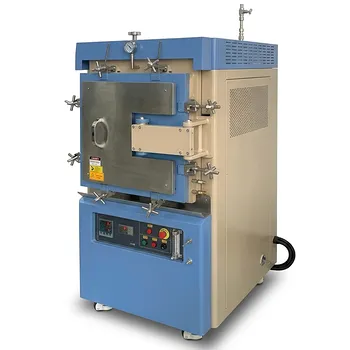
Atmosphere Controlled Muffle Furnace 1700C Maximum Temperature 80L High Capacity Vacuum Inert Gas Box Furnace
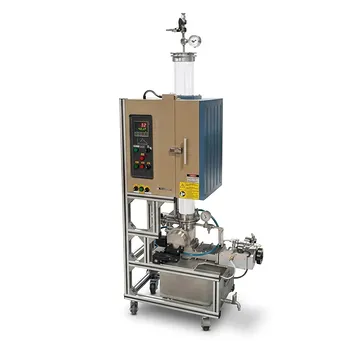
1200C High Temperature Atmosphere Controlled Vertical Quenching Tube Furnace with 4 Inch Quartz Tube
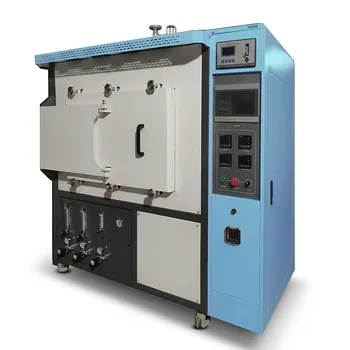
Roller Table Atmosphere Furnace 1500C High Temperature Battery Material Sintering System 112L Capacity
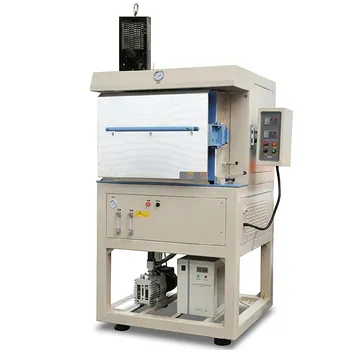
1200C Hydrogen Atmosphere Box Furnace with 5 Heated Sides and 64L Chamber
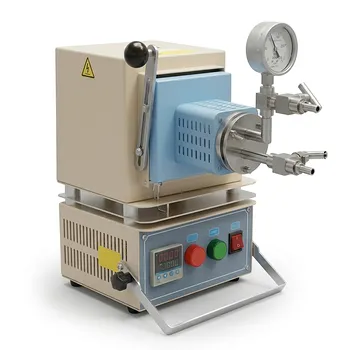
Compact Hybrid Muffle and Tube Furnace for 1000C Controlled Atmosphere Laboratory Material Sintering
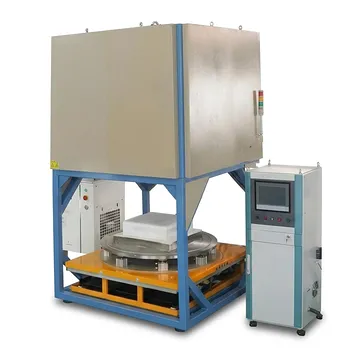
Bottom Loaded Inert Gas Atmosphere Box Furnace 1400C Maximum Temperature 125L High Capacity Laboratory Heat Treatment System

Compact Vertical Split Quartz Tube Furnace with Stainless Steel Vacuum Flanges for Rapid Thermal Quenching and Controlled Atmosphere Material Processing
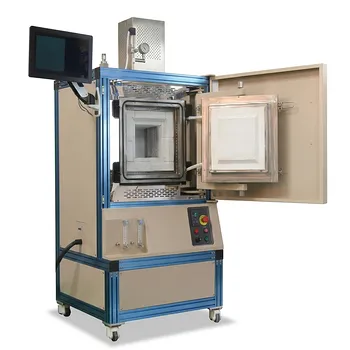
High Temperature Hydrogen Atmosphere Box Furnace 1650C Max Reducing Environment Material Synthesis System 8x8x8 Chamber