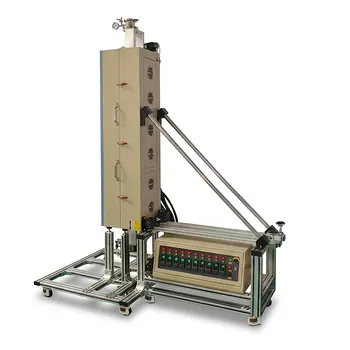
How does an atmosphere reduction furnace contribute to the activation of catalysts? Master NiO to Ni Conversion
Updated 3 months ago
The atmosphere reduction furnace is the critical tool for transforming inactive precursors into active catalysts. It achieves this by supplying a precise H2/N2 gas mixture at 500 °C to reduce nickel oxide (NiO) into metallic nickel (Ni). This chemical transformation is essential because only metallic nickel sites can facilitate the catalytic pyrolysis of toluene into hydrogen and carbon nanomaterials.
The furnace provides the chemically reducing environment and thermal precision necessary to convert metal oxides into their active metallic states. By strictly regulating gas composition and heating profiles, it ensures the catalyst possesses the specific active sites and surface morphology required for efficient toluene conversion.
The Chemical Mechanism of Activation
Reduction of Nickel Oxide
The primary role of the furnace is to convert NiO/Al2O3 precursors into active Ni/Al2O3 catalysts. This occurs through the controlled introduction of hydrogen, which strips oxygen from the nickel lattice to leave behind pure metal.
Creating Active Centers
Metallic nickel (Ni) serves as the "active center" where the toluene molecules actually react. Without the furnace's reducing atmosphere, the nickel remains in an oxide state, which is catalytically inert for the specific needs of toluene pyrolysis.
Phase Transformation Control
The furnace facilitates step-by-step reduction, ensuring the material reaches the correct active phase. This controlled environment allows for the uniform distribution of metal particles on the support, enhancing the overall catalytic effect.
The Importance of Precision Atmosphere Control
Regulating Gas Composition
The furnace allows for a steady, metered flow of reducing gases, such as hydrogen mixed with nitrogen or argon. This ensures a consistent chemical potential across the catalyst bed, leading to uniform activation of every particle.
Precise Temperature Profiling
Activation requires specific temperatures (such as 500 °C for nickel or up to 590 °C for other metal nanoparticles) to initiate the reduction. The furnace’s programmed temperature control prevents the formation of undesirable mineral phases that could poison the reaction.
Inducing Structural Changes
Beyond simple reduction, the furnace environment can induce physical changes like the evaporation of specific elements to create micropores. In some cases, it can even cause metals to "exsolve" from a support lattice to form highly efficient alloy active sites.
Preserving Catalyst Morphology
Preventing Sintering and Agglomeration
High temperatures can cause small metal particles to fuse together, a process known as sintering. The furnace’s ability to strictly regulate the heating time and environment prevents this fusion, keeping nickel particles at the nanoscale.
Maximizing Metal Dispersion
By preventing agglomeration, the furnace ensures that the nickel is highly dispersed across the alumina support. High dispersion means more exposed surface area and a higher number of active sites available for the toluene molecules.
Maintaining Surface Area
A well-controlled reduction environment preserves the porous structure of the catalyst support. This allows toluene gas to flow freely through the catalyst, maximizing contact with the active metallic nickel.
Understanding the Trade-offs
Temperature Sensitivity
Setting the temperature too low results in incomplete reduction, leaving inactive oxide phases in the catalyst. Conversely, excessively high temperatures accelerate sintering, which drastically reduces the available surface area and deactivates the catalyst before the experiment even begins.
Gas Flow Dynamics
Insufficient flow of the reducing gas can lead to localized "hot spots" or an accumulation of water vapor (a byproduct of reduction). These conditions can cause non-uniform activation, leading to inconsistent results during the toluene pyrolysis phase.
Energy and Time Constraints
Longer reduction times in the furnace may ensure complete conversion but increase the risk of particle growth. Finding the balance between the "soaking time" at high temperature and the desired particle size is a critical challenge for the operator.
How to Apply This to Your Project
Recommendations for Catalyst Activation
To achieve the best results in toluene catalytic pyrolysis, your approach to the reduction furnace should be tailored to your specific material goals.
- If your primary focus is Maximum Conversion Rate: Prioritize a high H2 concentration and precise temperature control to ensure every NiO site is converted to metallic Ni.
- If your primary focus is Carbon Nanotube Quality: Focus on strict temperature programming to prevent sintering, as smaller, well-dispersed nickel nanoparticles are better templates for nanostructure growth.
- If your primary focus is Long-Term Stability: Use a segmented heating profile to slowly transition the catalyst phase, which helps in maintaining a stable bond between the metal and its support.
By mastering the atmosphere reduction furnace, you transform a simple chemical precursor into a high-performance engine for toluene pyrolysis.
Summary Table:
| Feature | Function in Catalyst Activation | Benefit for Toluene Pyrolysis |
|---|---|---|
| H2/N2 Gas Mix | Reduces NiO (inactive) to metallic Ni (active) | Creates essential active sites for reaction |
| Temp. Profiling | Maintains precise reduction temp (e.g., 500°C) | Prevents sintering and deactivation |
| Flow Control | Uniform chemical potential across catalyst bed | Ensures consistent results and conversion |
| Pore Management | Preserves support morphology and micropores | Maximizes surface area for gas contact |
Elevate Your Research with THERMUNITS Precision Furnaces
Maximize the efficiency of your catalyst activation with THERMUNITS, a leading manufacturer of high-temperature laboratory equipment for material science and industrial R&D. Our advanced Atmosphere, Vacuum, and Tube furnaces, along with specialized CVD/PECVD systems, provide the strict thermal and gas control required to prevent sintering and ensure high metal dispersion.
Whether you are performing toluene catalytic pyrolysis or developing new carbon nanomaterials, our thermal processing solutions—including Muffle, Rotary, and Hot Press furnaces—are designed to meet the most demanding lab requirements.
Ready to achieve superior heat treatment results? Contact THERMUNITS Today to discuss your specific catalyst activation needs with our experts!
References
- Yifei Niu, Zichuan Ma. Efficient Toluene Decontamination and Resource Utilization through Ni/Al2O3 Catalytic Cracking. DOI: 10.3390/molecules29204868
Mentioned Products
- High Temperature Hydrogen Atmosphere Box Furnace 1650C Max Reducing Environment Material Synthesis System 8x8x8 Chamber
- Roller Table Atmosphere Furnace 1500C High Temperature Battery Material Sintering System 112L Capacity
- 1200°C Atmosphere Controlled Automatic Bottom Loading Furnace with 6 Inch Quartz Tube
- Atmosphere Controlled Muffle Furnace 1700C Maximum Temperature 80L High Capacity Vacuum Inert Gas Box Furnace
- Compact Atmosphere Controlled Rapid Thermal Processing RTP Furnace with 4 Inch ID Quartz Tube 1100C
People Also Ask
- What is the role of a high-temperature box furnace in the solid-state synthesis of Europium-doped M3MgSi2O8 phosphors?
- What is the role of a high-temperature box furnace in Na3MnZr(PO4)3 synthesis? Engineering High-Performance NASICON.
- What role does an industrial-grade high-temperature furnace play in C2F sintering? Achieve Pure Phase and High Strength
- Why is a high-temperature box furnace required for 1250°C ferrite calcination? Ensure Precise Phase Transformation.
- How does a high-temp box furnace aid rare-earth oxysulfide phosphor synthesis? Enhance Purity & Luminescence

Tech Team · ThermUnits
Last updated on Jun 02, 2026
Related Products
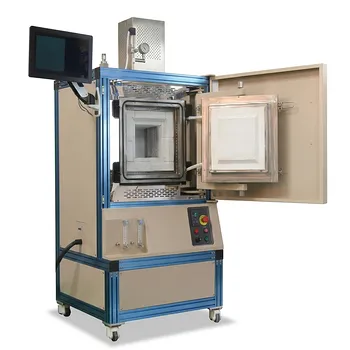
High Temperature Hydrogen Atmosphere Box Furnace 1650C Max Reducing Environment Material Synthesis System 8x8x8 Chamber
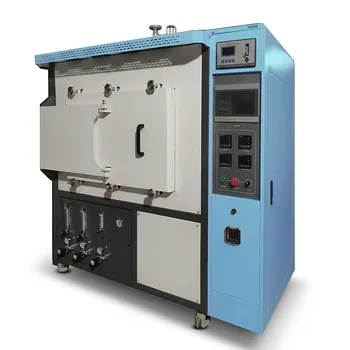
Roller Table Atmosphere Furnace 1500C High Temperature Battery Material Sintering System 112L Capacity
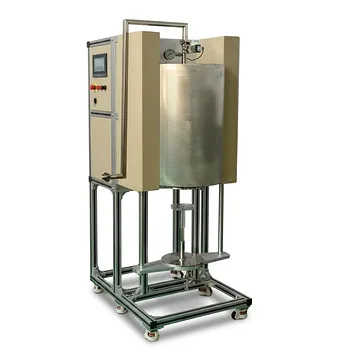
1200°C Atmosphere Controlled Automatic Bottom Loading Furnace with 6 Inch Quartz Tube
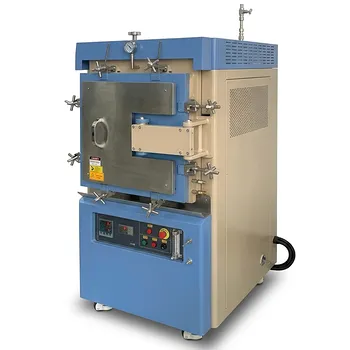
Atmosphere Controlled Muffle Furnace 1700C Maximum Temperature 80L High Capacity Vacuum Inert Gas Box Furnace
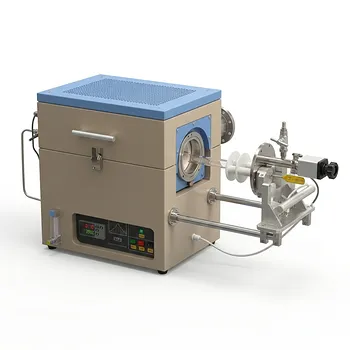
Compact Atmosphere Controlled Rapid Thermal Processing RTP Furnace with 4 Inch ID Quartz Tube 1100C
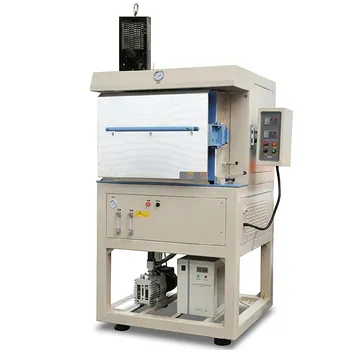
1200C Hydrogen Atmosphere Box Furnace with 5 Heated Sides and 64L Chamber

Compact Vertical Split Quartz Tube Furnace with Stainless Steel Vacuum Flanges for Rapid Thermal Quenching and Controlled Atmosphere Material Processing
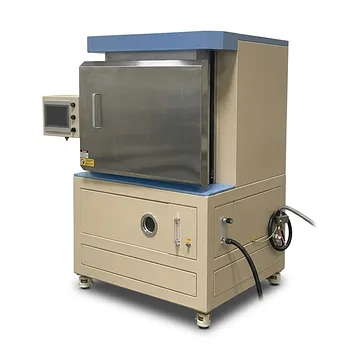
1650C High Temperature Atmosphere Controlled Box Furnace with 65L Chamber for Advanced Material Sintering and Industrial Heat Treatment
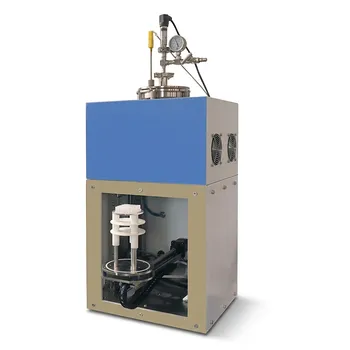
Rapid Thermal Processing RTP Atmosphere Controlled Bottom Loading Furnace 1100C High Throughput 50C per Second Heating Rate
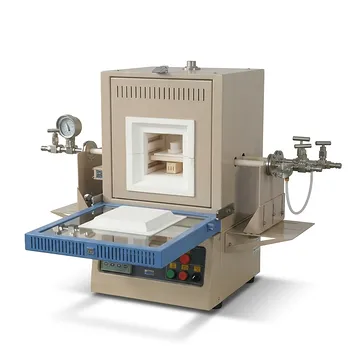
1700C Compact Hybrid Furnace with Dual Layer Box Sintering and Controlled Atmosphere Alumina Tubes
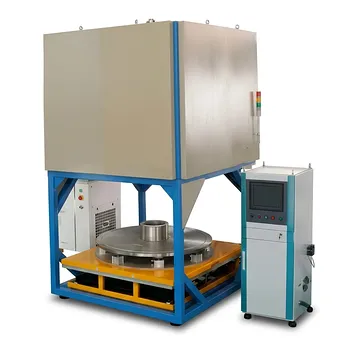
1400C Bottom Loaded Inert Gas Atmosphere Box Furnace with 125L Capacity and Precision Hydraulic Lift
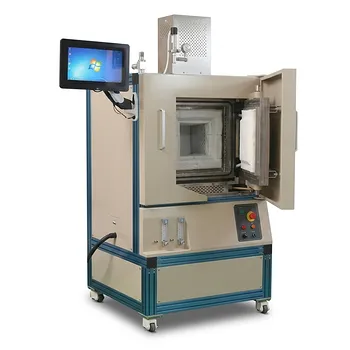
High Temperature Oxygen and Inert Atmosphere Controlled Furnace 8 Liter 1700C Sintering System for Advanced Materials RD
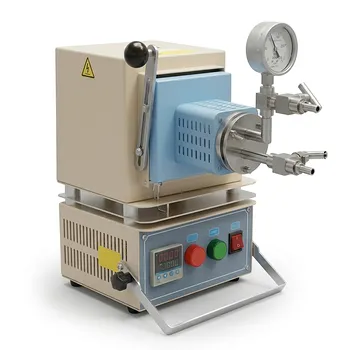
Compact Hybrid Muffle and Tube Furnace for 1000C Controlled Atmosphere Laboratory Material Sintering
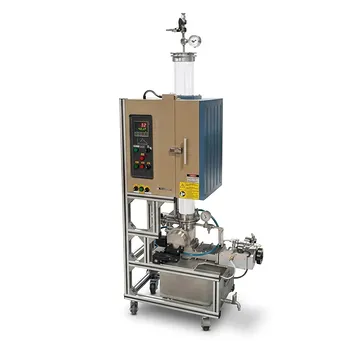
1200C High Temperature Atmosphere Controlled Vertical Quenching Tube Furnace with 4 Inch Quartz Tube
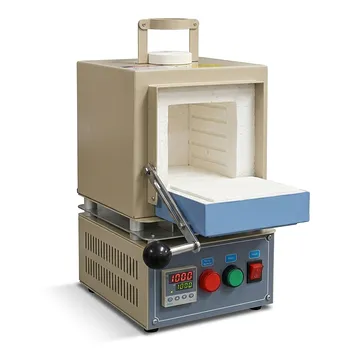
Compact 1000C Muffle Furnace with Programmable Controller and 2 Inch Top Port for Vacuum and Atmosphere Material Research
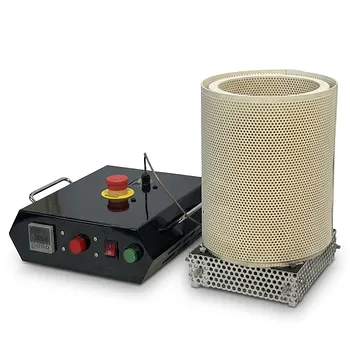
1250 C Compact Vertical Box Furnace for Glovebox Material Research Air Sensitive Samples
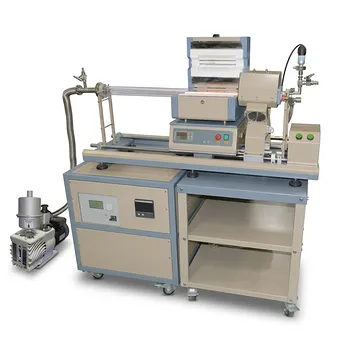
1200C Max Compact Auto-Sliding PECVD Furnace with 2 Inch Tube and Vacuum Pump
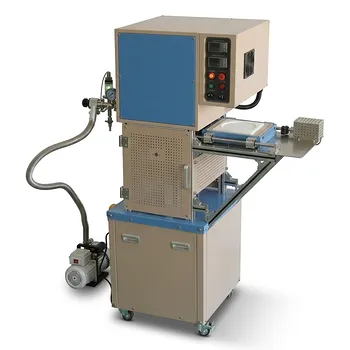
1200°C Bottom Loading Vacuum Furnace with Rapid Gas Cooling and 8.6 Inch Diameter Quartz Chamber
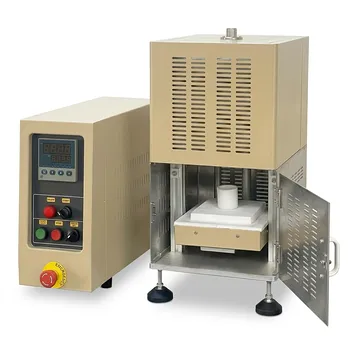
1200C Compact Automatic Bottom Loading Furnace with Precision Controller and Rapid Cooling Capability