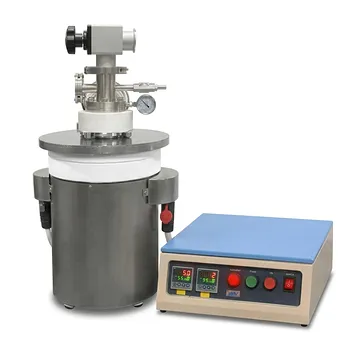
What is the role of a high-temperature atmosphere furnace in HfCo-N-C catalyst preparation? Expert Synthesis Guide.
Updated 3 months ago
The high-temperature atmosphere furnace is the critical reactor for the precise pyrolysis required to synthesize HfCo-N-C dual-single-atom catalysts. This equipment facilitates the carbonization of Zeolitic Imidazolate Framework (ZIF-8) precursors at temperatures between 850°C and 1050°C while maintaining a protective gas environment. This process is essential for transforming organic ligands into a nitrogen-doped carbon matrix that anchors hafnium and cobalt metal sites into highly active, single-atom structures.
Central Takeaway: The furnace serves as more than a heat source; it is a precision tool that orchestrates the simultaneous carbonization of the support and the atomic-level dispersion of metal sites, creating the specific morphology required for advanced catalytic activity.
Engineering the Carbon Support Structure
Carbonization of ZIF-8 Precursors
At the heart of HfCo-N-C synthesis is the thermal decomposition of the Metal-Organic Framework (MOF) known as ZIF-8. The high-temperature furnace provides the stable thermal energy necessary to break organic bonds and rearrange them into a robust carbon skeleton.
Developing High Specific Surface Area
As the furnace reaches peak pyrolysis temperatures, volatile components are driven off, leaving behind a porous architecture. This high surface area is critical because it maximizes the exposure of hafnium and cobalt active sites to reactants.
Integrating Nitrogen into the Matrix
Under the controlled heat of the furnace, nitrogen atoms from the precursor ligands are successfully integrated into the carbon framework. These nitrogen "pockets" are essential for chemically bonding with the metal atoms to prevent them from leaching or clustering.
Atmosphere Control and Metal Site Integrity
Preventing Oxidation through Inert Protection
The "atmosphere" component of the furnace is vital for maintaining an oxygen-free environment, often using high-purity nitrogen or argon. Without this protection, the carbon framework would combust, and the sensitive Hf and Co sites would oxidize into inactive bulk particles.
Facilitating Single-Atom Dispersion
The furnace ensures that metal components are reduced and distributed as individual atoms rather than congregating into nanoparticles. This atomic-level dispersion is what gives dual-single-atom catalysts their superior mass activity compared to traditional catalysts.
Creating Synergistic Hf-Co Sites
By strictly controlling the ramp rate and dwell time, the furnace allows hafnium and cobalt atoms to occupy neighboring positions within the nitrogen-doped carbon. This specific "dual-site" configuration is what enables the heightened performance of HfCo-N-C catalysts.
Understanding the Trade-offs and Technical Hurdles
Temperature Sensitivity and Sintering
Operating at the lower end of the spectrum (850°C) may result in incomplete carbonization or lower conductivity. Conversely, exceeding 1050°C risks the "sintering" or agglomeration of metal atoms into clusters, effectively destroying the single-atom nature of the catalyst.
Atmosphere Purity Requirements
Even trace amounts of oxygen within the furnace atmosphere can significantly degrade the catalyst's final properties. Maintaining a consistent, high-purity gas flow is a logistical requirement that directly impacts the reproducibility of the material.
Gas Flow Dynamics and Uniformity
In a tube or atmosphere furnace, the way gas flows over the precursor can create gradients in temperature or chemical concentration. If the flow is not uniform, different batches—or even different parts of the same batch—may exhibit varying levels of catalytic activity.
How to Apply These Principles to Your Synthesis
To achieve the highest quality HfCo-N-C catalyst, your furnace parameters must be aligned with the specific requirements of your precursor material. The following recommendations provide a roadmap for optimizing your thermal treatment.
- If your primary focus is Maximum Catalytic Activity: Aim for the higher end of the temperature range (approx. 1000°C) to ensure a highly conductive, graphitized carbon support while monitoring for metal clustering.
- If your primary focus is Structural Stability and Yield: Utilize a slightly lower pyrolysis temperature and a strictly inert atmosphere to preserve the nitrogen content and prevent the loss of the carbon framework.
- If your primary focus is Batch Consistency: Use a furnace with programmable multi-stage heating zones and high-precision gas flow controllers to minimize variations across the sample.
With precise control over both heat and chemistry, the high-temperature atmosphere furnace transforms a simple molecular precursor into a sophisticated, atomic-scale engine for chemical conversion.
Summary Table:
| Key Parameter | Process Role | Impact on HfCo-N-C Catalyst |
|---|---|---|
| Temperature (850-1050°C) | Precise Pyrolysis | Carbonizes ZIF-8 into a conductive, porous matrix |
| Atmosphere (N2/Ar) | Inert Protection | Prevents oxidation and preserves sensitive metal sites |
| Ramp/Dwell Control | Thermal Engineering | Ensures atomic-level dispersion of Hf and Co atoms |
| Gas Flow Dynamics | Atmosphere Uniformity | Guarantees batch consistency and prevents sintering |
Elevate your material science research with THERMUNITS, a leading manufacturer of high-performance thermal processing solutions. Whether you are synthesizing HfCo-N-C catalysts or developing advanced carbon matrices, our comprehensive range of Atmosphere, Tube, Vacuum, and Muffle furnaces provides the temperature precision and atmospheric purity your R&D requires. From CVD/PECVD systems to electric rotary kilns and VIM furnaces, we empower industrial and laboratory experts with cutting-edge heat treatment technology. Contact our experts today to optimize your synthesis workflow!
References
- Diancheng Duan, Shijun Liao. Hf and Co Dual Single Atoms Co‐Doped Carbon Catalyst Enhance the Oxygen Reduction Performance. DOI: 10.1002/smll.202310491
Mentioned Products
- 1650C High Temperature Atmosphere Controlled Box Furnace with 65L Chamber for Advanced Material Sintering and Industrial Heat Treatment
- High Temperature Vertical Atmosphere Controlled Furnace with Automatic Bottom Loading and 1700°C Capacity for Advanced Material Research
- High Temperature Oxygen and Inert Atmosphere Controlled Furnace 8 Liter 1700C Sintering System for Advanced Materials RD
- 1750°C High Temperature Benchtop Vacuum Atmosphere Tube Furnace with Kanthal Super 1800 Heating Elements and 60mm Alumina Processing Tube
- High Temperature Hydrogen Atmosphere Box Furnace 1650C Max Reducing Environment Material Synthesis System 8x8x8 Chamber
People Also Ask
- What role does atmosphere control play in technical ceramics and glass? Master Material Purity and Precision
- What role does a high-temperature atmosphere furnace play in the direct electrochemical reduction of CO2? - Key Insights
- What is the role of a high-temperature box furnace in the solid-state synthesis of Europium-doped M3MgSi2O8 phosphors?
- What is the role of a high-temperature box furnace in Na3MnZr(PO4)3 synthesis? Engineering High-Performance NASICON.
- What physical conditions does a high-temperature atmosphere furnace provide for MXene exfoliation? Process Guide

Tech Team · ThermUnits
Last updated on Jun 03, 2026
Related Products
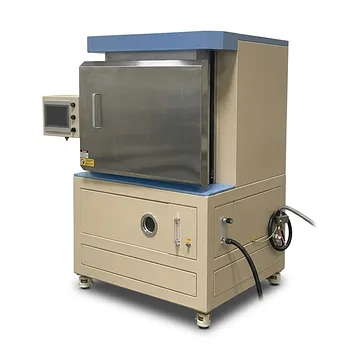
1650C High Temperature Atmosphere Controlled Box Furnace with 65L Chamber for Advanced Material Sintering and Industrial Heat Treatment
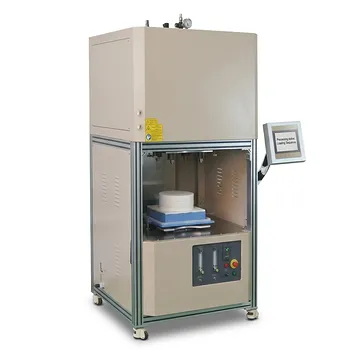
High Temperature Vertical Atmosphere Controlled Furnace with Automatic Bottom Loading and 1700°C Capacity for Advanced Material Research
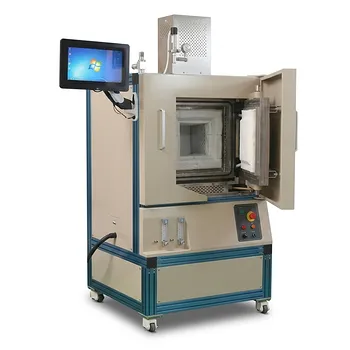
High Temperature Oxygen and Inert Atmosphere Controlled Furnace 8 Liter 1700C Sintering System for Advanced Materials RD

1750°C High Temperature Benchtop Vacuum Atmosphere Tube Furnace with Kanthal Super 1800 Heating Elements and 60mm Alumina Processing Tube
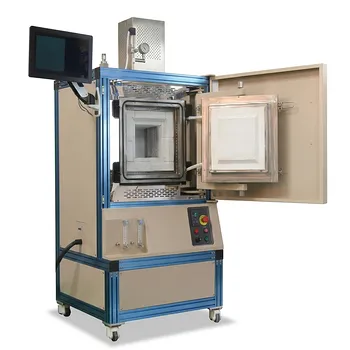
High Temperature Hydrogen Atmosphere Box Furnace 1650C Max Reducing Environment Material Synthesis System 8x8x8 Chamber
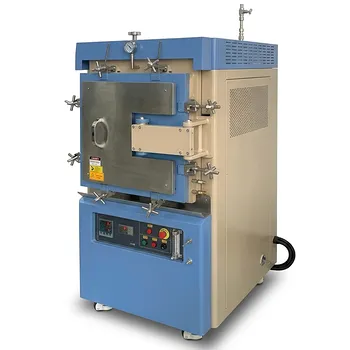
Atmosphere Controlled Muffle Furnace 1700C Maximum Temperature 80L High Capacity Vacuum Inert Gas Box Furnace
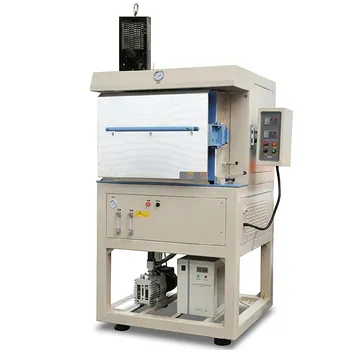
1200C Hydrogen Atmosphere Box Furnace with 5 Heated Sides and 64L Chamber
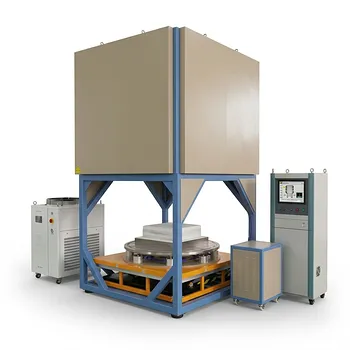
Bottom Loaded Inert Gas Atmosphere Box Furnace 1700C 1300C 216L Large Capacity Industrial Thermal Processing System
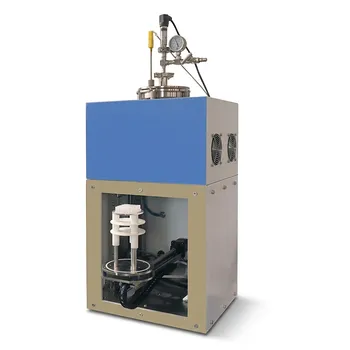
Rapid Thermal Processing RTP Atmosphere Controlled Bottom Loading Furnace 1100C High Throughput 50C per Second Heating Rate

Vertical 1700C Vacuum and Atmosphere Tube Furnace with 80mm Alumina Tube
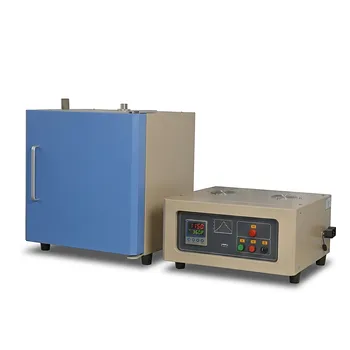
High Temperature Muffle Furnace with Alloy Chamber for Debinding and Sintering Applications
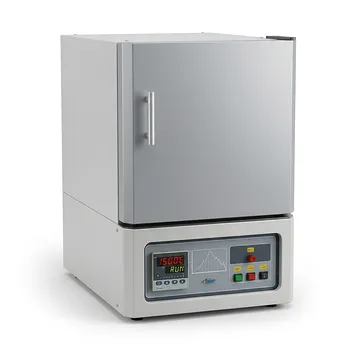
High Temperature 1500C Benchtop Muffle Furnace 3.6L Alumina Fiber Chamber Programmable Controller Sintering Annealing Carbonization Thermal Processing System
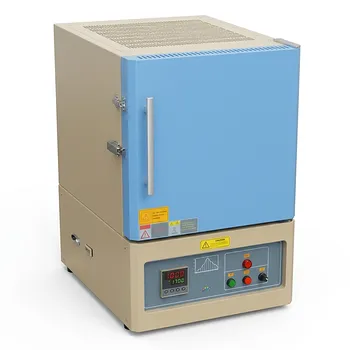
Large Bench Top 1700C High Temperature Muffle Furnace with 19L Chamber for Advanced Material Sintering and Annealing
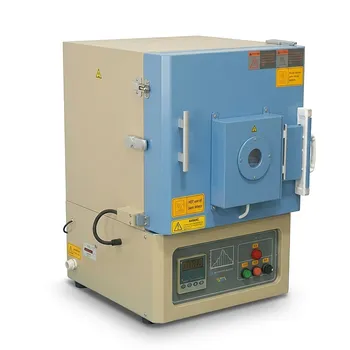
High Temperature Benchtop Muffle Furnace 1500C with 3.6L Chamber and Quartz Observation Window

High Temperature 1700C Tube Furnace with High Vacuum Turbomolecular Pump System and Multi Channel Mass Flow Controller Gas Mixer
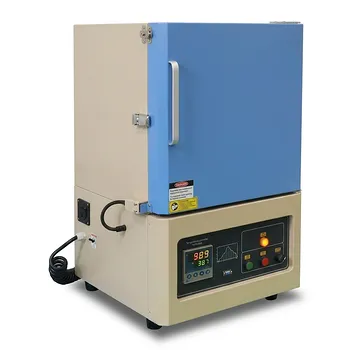
1200°C High Temperature Muffle Furnace 19L Chamber with 50 Segment Programmable Controller
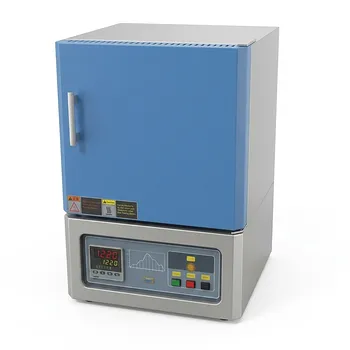
High Temperature Benchtop Muffle Furnace 1700C 10L Chamber Alumina Fiber Insulation MoSi2 Heating Elements
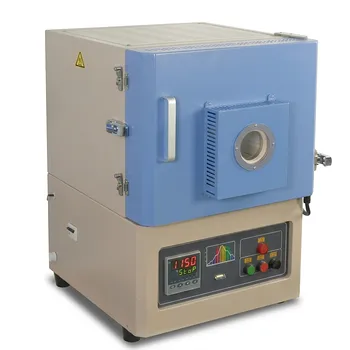
High Temperature Benchtop Muffle Furnace with Quartz Observation Window for Thermal Imaging and Material Analysis
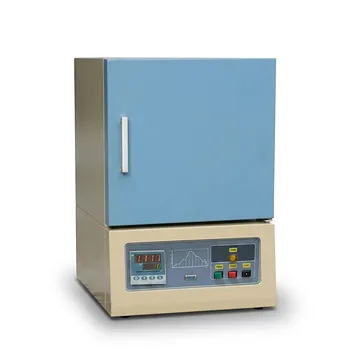
Ultra High Temperature Bench Top Muffle Furnace 1750C Sintering System with Kanthal Super Heating Elements and Precision Digital Control