How is uniaxial pressure applied and controlled during the vacuum hot pressing process? Master Precision Densification
Updated 5 months ago
Uniaxial pressure application in vacuum hot pressing is achieved through a mechanical linkage between an external drive system and internal tooling. Specifically, a hydraulic or servo-driven actuator moves an upper ram against a fixed lower ram, compressing powder or a solid sample within a graphite die and punch assembly. This synchronized application of force and heat allows for high-density consolidation at temperatures significantly lower than traditional sintering.
Core Takeaway: By combining hydraulic force with high-temperature graphite tooling, vacuum hot pressing facilitates rapid densification and microstructural control that would be impossible through heat alone.
The Mechanics of Force Transfer
The Role of Upper and Lower Rams
The primary force is generated by an external uniaxial press, typically powered by hydraulic fluid or high-precision servo motors. The lower ram is usually fixed to the furnace base, while the upper ram moves vertically to apply the required tonnage.
Integrating Tooling and Seals
To maintain the required environment, the rams enter the vacuum chamber through dynamic vacuum seals. Inside the furnace, these rams align perfectly with graphite punches and dies which contain the material sample and translate the ram's movement into direct pressure.
Graphite Tooling Architecture
Graphite is chosen for its ability to maintain high structural integrity at extreme temperatures. The die acts as the mold, while the punches (acting as pistons) transmit the directional force from the rams directly into the powder compact.
Regulation and Control Systems
Precision Monitoring via Sensors
High-precision sensors are integrated into the system to monitor force, displacement, and stroke in real-time. These sensors provide the data necessary to ensure the pressure remains consistent even as the material compacts and changes volume.
Closed-Loop Feedback Control
Modern systems utilize closed-loop hydraulic controls to maintain stability. This allows the operator to program specific profiles, such as maintaining constant pressure or following a graduated force-increase curve throughout the thermal cycle.
Environmental Synchronization
The control system must manage pressure while the furnace is under vacuum or controlled atmospheres (such as Argon-Hydrogen mixes). This coordination ensures that the material does not oxidize while being subjected to pressures that can exceed 45 MPa.
Material Impact and the "Why" of Pressure
Lowering Sintering Temperatures
The addition of uniaxial pressure acts as a catalyst for densification, allowing particles to rearrange and bond more efficiently. This enables the process to reach near-theoretical density at lower temperatures than conventional sintering.
Retaining Metastable Microstructures
By reducing the required heat, pressure helps preserve metastable high-temperature microstructures. This is particularly critical in advanced materials science where quenching or specific grain structures must be maintained for performance.
Understanding the Trade-offs
Geometric Limitations
Because the pressure is uniaxial (directional), the process is largely limited to simple geometric shapes like discs, cylinders, or blocks. Complex geometries are difficult to press evenly, which can lead to density gradients within the final part.
Tooling Wear and Material Fatigue
The graphite punches and dies are consumables that degrade over time due to high stress and temperature cycles. Furthermore, the dynamic seals on the rams require meticulous maintenance to prevent vacuum leaks during high-pressure pushes.
Strategic Application of Hot Pressing
To achieve the best results, you must align your pressure and temperature profile with your specific metallurgical goals.
- If your primary focus is Maximum Density: Maintain high pressure throughout the entire cooling phase to prevent pore formation or thermal contraction voids.
- If your primary focus is Grain Size Control: Utilize the highest allowable pressure to minimize the sintering time and temperature, thereby limiting the window for grain growth.
- If your primary focus is Complex Microstructures: Use the pressure to facilitate bonding at the lowest possible temperature to retain phases obtained through prior quenching or specialized processing.
Mastering the balance between directional force and thermal energy is the key to unlocking the full potential of advanced powder metallurgy.
Summary Table:
| Feature | Component/Method | Key Benefit |
|---|---|---|
| Force Generation | Hydraulic or Servo-driven Actuators | High-tonnage precision and repeatable stroke control. |
| Force Transfer | Graphite Punches & Dies | Maintains structural integrity at extreme temperatures. |
| Regulation | Closed-Loop Feedback Sensors | Real-time monitoring of force, displacement, and stroke. |
| Environment | Dynamic Vacuum Seals | Enables pressure application without compromising the vacuum. |
| Objective | Synchronized Heat & Pressure | Rapid densification at lower sintering temperatures. |
Optimize Your Material Research with THERMUNITS
As a leading manufacturer of high-temperature laboratory equipment, THERMUNITS provides the precision tools required for cutting-edge material science and industrial R&D. Our advanced Hot Press Furnaces and Vacuum Induction Melting (VIM) systems are engineered to deliver superior densification and microstructural control for your most demanding projects.
From Muffle, Vacuum, and Atmosphere Furnaces to specialized Tube, Rotary, and CVD/PECVD systems, we offer a comprehensive range of thermal processing solutions tailored to your needs.
Unlock the full potential of your heat treatment processes. Contact our experts at THERMUNITS today to discuss your specific requirements and find the ideal solution for your laboratory.
Mentioned Products
- High Temperature Vacuum Lamination Hot Press Furnace Machine for Semiconductor Wafer Bonding and Advanced Composite Thermal Processing
- Industrial Vacuum Hot Press Furnace Machine and High Temperature Heated Vacuum Press for Advanced Material Sintering
- Industrial High Temperature Vacuum Hot Press Furnace and Heated Vacuum Press Machine for Material Science Sintering
- High Pressure 600T Vacuum Induction Hot Press Furnace for Advanced Material Heat Treatment and Sintering
- 2500C High Vacuum Ultrafast Heating Pellet Press with Automated 8 Sample Loading System
People Also Ask
- What types of heating systems and insulation are used in Vacuum Hot Press Furnaces? Optimize Your Thermal Processing
- What is a Vacuum Hot Press Furnace and what are its primary industrial applications? Achieve Maximum Material Density
- What are the structural features of the furnace body and chamber in a Vacuum Hot Press Furnace? Master Material Density
- Why is graphite the preferred material for dies and heating elements in Vacuum Hot Press Furnaces? High-Temp Solutions
- What are the primary operational components and mechanisms of a vacuum hot press furnace? A Technical Breakdown

Tech Team · ThermUnits
Last updated on Apr 14, 2026
Related Products
High Temperature Vacuum Lamination Hot Press Furnace Machine for Semiconductor Wafer Bonding and Advanced Composite Thermal Processing
Industrial Vacuum Hot Press Furnace Machine and High Temperature Heated Vacuum Press for Advanced Material Sintering
Industrial High Temperature Vacuum Hot Press Furnace and Heated Vacuum Press Machine for Material Science Sintering
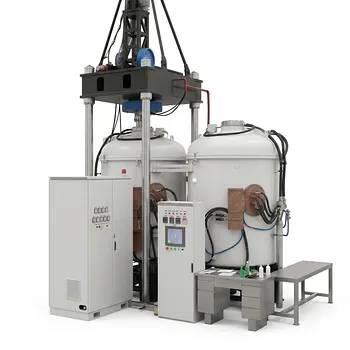
High Pressure 600T Vacuum Induction Hot Press Furnace for Advanced Material Heat Treatment and Sintering
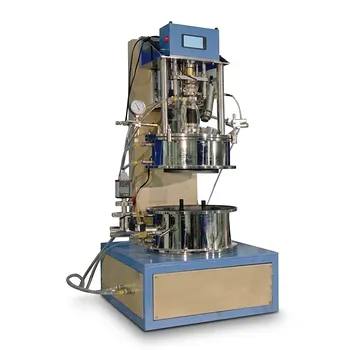
2500C High Vacuum Ultrafast Heating Pellet Press with Automated 8 Sample Loading System
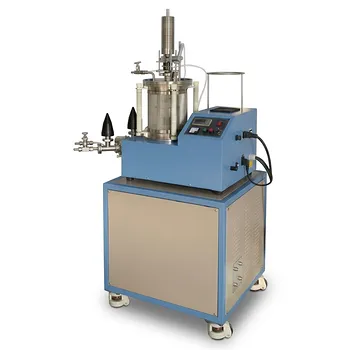
Ultrafast Thermal Pressing Furnace 2900C Max Temperature 200K per Second Heating Rate Vacuum Atmosphere Rapid Processing System
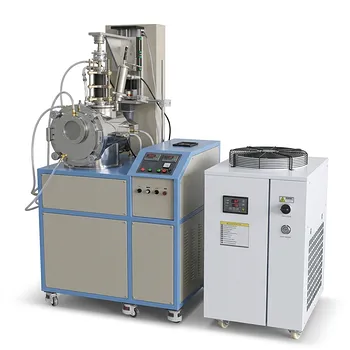
High Temperature Ultrafast Heating Pressing Furnace 2900C Max 100kgf Rapid Thermal Processing System
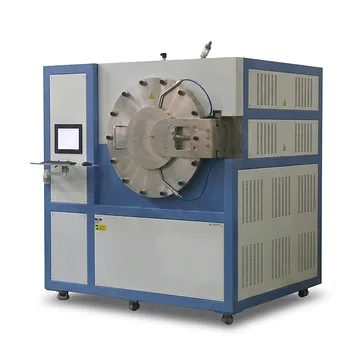
High Vacuum Pressure Chamber Furnace 800C 3.5 Bar Sintering System for Superconducting Materials
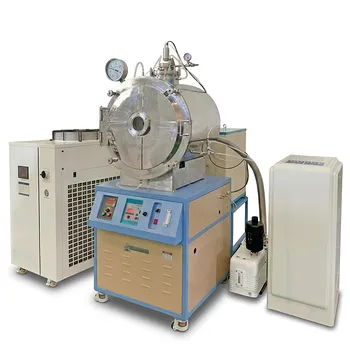
Ultra High Temperature Induction Heated Vacuum Furnace with Molten Salt Electrolysis Capability and 3000 Degree Precision Control
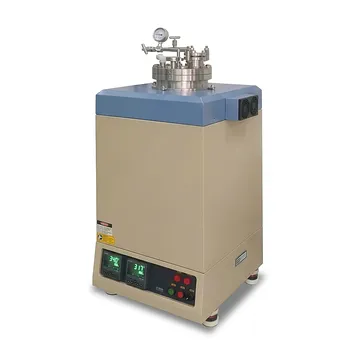
High Temperature 1000C Vacuum Furnace with 8 Inch ID Chamber for Material Sintering and Research Annealing
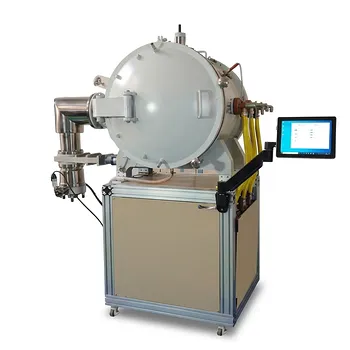
High Temperature Cold Wall Vacuum Furnace for Advanced Material Sintering and Annealing 1600C Heating Area 200x200x300mm

1800C High Temperature Compact Vacuum Tube Furnace with 60mm OD Alumina Tube and Kanthal MoSi2 Heating Elements
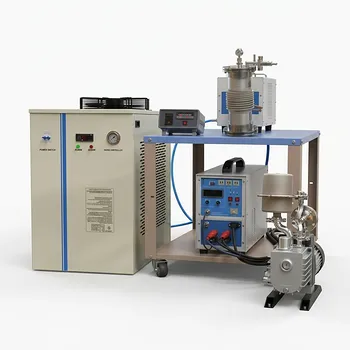
Induction Heating System with Temperature Control for High Temperature Vacuum Sintering and Melting
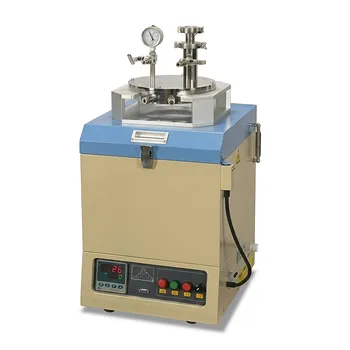
Vertical Vacuum Furnace 1100C High Temperature 8 Inch Quartz Chamber Water Cold Flange System
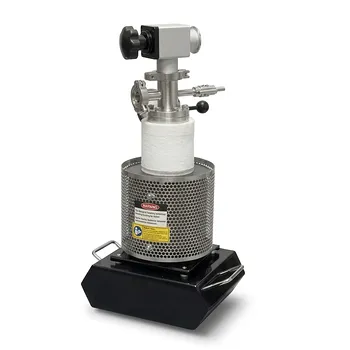
High Temperature 1100C Compact Top Loading Vertical Vacuum Tube Furnace for High Vacuum Noble Metal Melting and Material Research
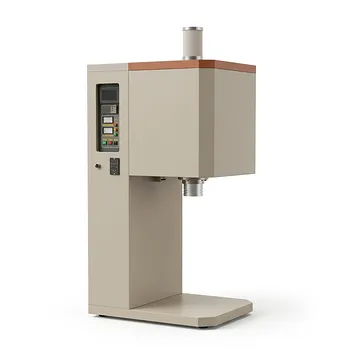
Vertical Openable Tube Furnace 0-1700c High Temperature Laboratory System for CVD and Vacuum Heat Treatment
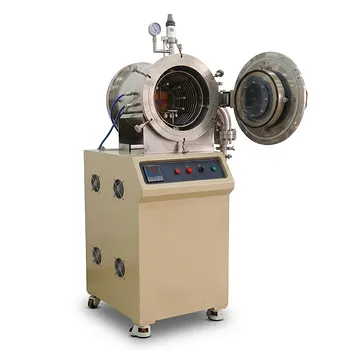
High Temperature Cold Wall High Vacuum Chamber Furnace 1400C for Advanced Material Processing
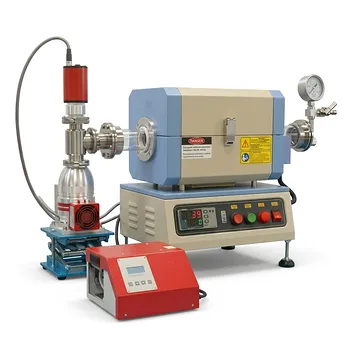
High Vacuum Compact Tube Furnace 1200C with Integrated Turbo Pump System and 8 Inch Heating Zone
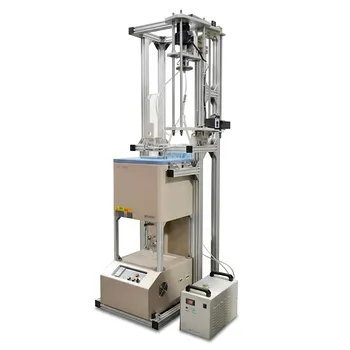
500C Vacuum Vertical Tube Furnace 84mm OD Sample Rotation Lifting System