What are the benefits of using a high-temperature tube furnace for the calcination of electrode materials? Boost Performance
Updated 3 months ago
High-temperature tube furnaces provide a controlled, uniform thermal environment essential for the precise calcination of decorated electrode materials. By utilizing these systems, researchers can stabilize delicate metal-organic frameworks (ZIFs), strengthen the mechanical bond between active materials and substrates, and induce specific porosity. This high level of thermal and atmospheric control ensures consistent chemical states across the electrode, which is critical for stable electrochemical performance.
Using a high-temperature tube furnace is the industry standard for electrode treatment because it allows for the simultaneous management of temperature gradients and chemical atmospheres. This dual control transforms precursors into highly conductive, structurally sound, and electrochemically active hybrids.
Enhancing Structural and Chemical Stability
Stabilization of Complex Frameworks
Tube furnaces provide the precise thermal energy required to stabilize metal-organic frameworks, such as ZIF structures, without destroying their architecture. By maintaining specific temperatures (e.g., 350 °C), the furnace facilitates the necessary chemical transitions to lock the material into a stable state.
Precise Atmosphere Management
The ability to maintain a strictly controlled environment, such as nitrogen, argon, or hydrogen atmospheres, is a primary benefit. This prevents unintended oxidation of sensitive materials while allowing for the thermal decomposition of precursors into stable, sintered catalyst particles.
Uniformity of the Temperature Field
Superior temperature field uniformity is critical for electrode materials with large surface areas. This consistency ensures that every part of the electrode undergoes the same chemical transformation, preventing localized performance failures during battery cycling.
Optimizing Electrical and Mechanical Performance
Formation of Conductive Carbon Networks
Tube furnaces are used to pyrolyze binders like polyacrylonitrile (PAN), converting them into a conductive carbon network. This transformation significantly enhances electron conduction between active materials and the current collector, directly improving the battery’s cycling performance.
Strengthening Substrate Bonding
The calcination process strengthens the chemical bonding force between the active layer and substrates like graphite felt. This mechanical reinforcement ensures that the active material remains anchored during the expansion and contraction cycles typical of electrochemical reactions.
Induction of Porosity and Surface Area
High-temperature treatment facilitates the removal of volatile components and enables chemical activation agents to react fully with carbon precursors. This process creates intense pore formation, significantly increasing the specific surface area and optimizing energy storage capabilities.
Understanding the Trade-offs
Thermal Lag and Heating Rates
While tube furnaces offer precise control, the heating rate (often 5 °C/min) must be carefully managed to avoid thermal shock or uneven expansion. Moving too quickly can cause delamination of the decorated materials from the substrate.
Atmospheric Contamination Risks
The integrity of the process depends entirely on the quality of the seals and the purity of the gas flow. Even minor leaks can introduce oxygen into a reducing or inert environment, potentially ruining the batch by causing premature oxidation or structural degradation.
Energy Consumption and Throughput
High-temperature tube furnaces are often less energy-efficient than other heating methods and have limited batch sizes due to the tube's dimensions. This makes them ideal for precision research and high-value material production, but potentially costly for massive industrial scaling.
How to Apply This to Your Project
When integrating tube furnace calcination into your workflow, align your furnace parameters with your specific material requirements.
- If your primary focus is increasing conductivity: Utilize a reducing atmosphere like hydrogen or argon at temperatures high enough (450 °C - 1000 °C) to facilitate graphitization or binder pyrolysis.
- If your primary focus is structural longevity: Prioritize temperature field uniformity and slow heating rates to ensure a strong, even bond between the active material and the substrate.
- If your primary focus is catalytic activity: Focus on precise atmospheric control to remove volatiles and induce porosity without compromising the chemical purity of the catalyst particles.
By mastering the precise thermal and atmospheric variables of a tube furnace, you can unlock the full electrochemical potential of advanced decorated electrode materials.
Summary Table:
| Benefit | Technical Mechanism | Electrochemical Impact |
|---|---|---|
| Structural Stability | Precise thermal control for ZIF frameworks | Stable architecture during battery cycling |
| Atmosphere Control | Inert/Reducing gas (N2, Ar, H2) flow | Prevents oxidation; promotes pure catalyst states |
| Uniform Heating | Consistent temperature field across the tube | Homogeneous chemical state & reliable performance |
| Enhanced Conductivity | Pyrolysis of binders into carbon networks | Improved electron transport and rate capability |
| Mechanical Strength | High-temp chemical bonding with substrates | Reduced delamination during expansion cycles |
Elevate Your Material Research with THERMUNITS
Unlock the full potential of your energy storage materials with high-precision thermal processing. THERMUNITS is a leading manufacturer of high-temperature laboratory equipment for material science and industrial R&D. We empower researchers with a comprehensive range of solutions, including Tube, Vacuum, Atmosphere, Muffle, and Rotary furnaces, as well as CVD/PECVD systems and Vacuum Induction Melting (VIM) furnaces.
Whether you are stabilizing complex metal-organic frameworks or engineering high-conductivity electrode networks, our equipment provides the atmospheric integrity and temperature uniformity your project demands.
Ready to optimize your calcination process? Contact our engineering team today to find the perfect thermal solution for your laboratory!
References
- Ali Momeni Abkharaki, Ali A. Ensafi. Fabrication of binary metal–organic frameworks of Ni–Mn@ZIFs(Cox·Zn1−xO) decorated on CF/CuO nanowire for high-performance electrochemical pseudocapacitors. DOI: 10.1038/s41598-024-64307-x
Mentioned Products
- 900°C Max Rotary Tube Furnace with 8 Inch 310S Alloy Tube and Optional Multi Zone Heating for Industrial Material Calcination
- High Temperature Tube Furnace 1500C with Sliding Flanges and 50mm OD for Rapid Thermal Processing Fast Heating and Cooling
- Compact High Temperature 1600C Tube Furnace with 50mm Alumina Tube and Vacuum Flanges for Material Sintering
- High Temperature 1700C Vertical Tube Furnace for Powder Spherification and Material Sintering
- High Temperature 1700C Tube Furnace with 4 Inch OD Alumina Tube and Vacuum Sealing Flanges
People Also Ask
- How does a rotary tube furnace improve the processing of granular materials? Enhance Uniformity and Reaction Kinetics
- Why use a rotary tube furnace for FACS carbonization? Ensure uniform morphology and prevent sphere agglomeration.
- Why is the precise optimization of residence time essential in the catalyst calcination process? Maximize Your Yields.
- In what ways do rotary tube furnaces enhance chemical and specialty mineral processing? Drive Precision and Uniformity.
- What parameters must operators control to maintain product quality in a rotary furnace? Master Your Heat Treatment.

Tech Team · ThermUnits
Last updated on Jun 02, 2026
Related Products
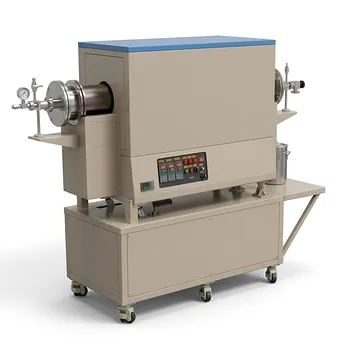
900°C Max Rotary Tube Furnace with 8 Inch 310S Alloy Tube and Optional Multi Zone Heating for Industrial Material Calcination
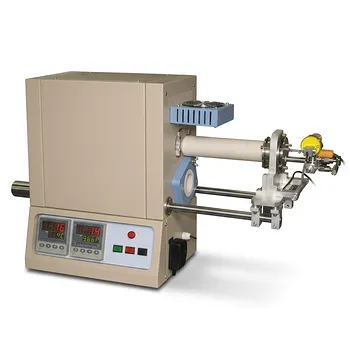
High Temperature Tube Furnace 1500C with Sliding Flanges and 50mm OD for Rapid Thermal Processing Fast Heating and Cooling

Compact High Temperature 1600C Tube Furnace with 50mm Alumina Tube and Vacuum Flanges for Material Sintering

High Temperature 1700C Vertical Tube Furnace for Powder Spherification and Material Sintering
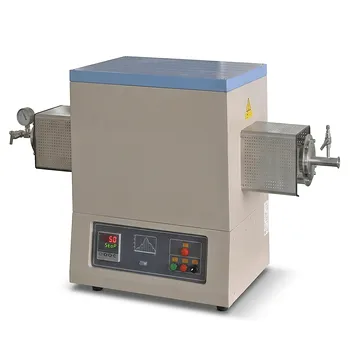
High Temperature 1700C Tube Furnace with 4 Inch OD Alumina Tube and Vacuum Sealing Flanges
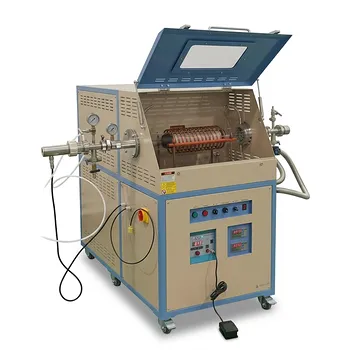
Ultra High Temperature 2300C Induction Heated Graphite Tube Furnace with Infrared Control

High Temperature 1700C Tube Furnace with High Vacuum Turbomolecular Pump System and Multi Channel Mass Flow Controller Gas Mixer

High Temperature 1700C Benchtop Tube Furnace with 5 Inch Heating Zone High Purity Alumina Tube and Vacuum Sealing Flanges

1800C High Temperature Compact Vacuum Tube Furnace with 60mm OD Alumina Tube and Kanthal MoSi2 Heating Elements
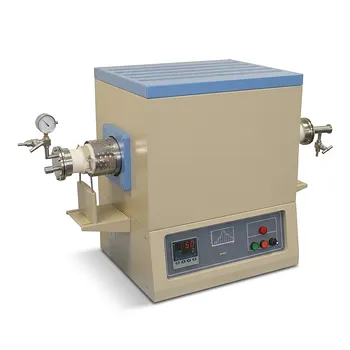
1700C High Temperature Alumina Tube Furnace with 18 Inch Heated Zone and Vacuum Sealing Flanges
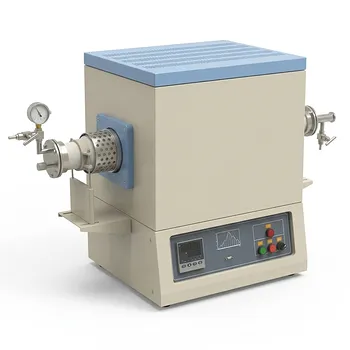
1750°C High Temperature Benchtop Vacuum Atmosphere Tube Furnace with Kanthal Super 1800 Heating Elements and 60mm Alumina Processing Tube
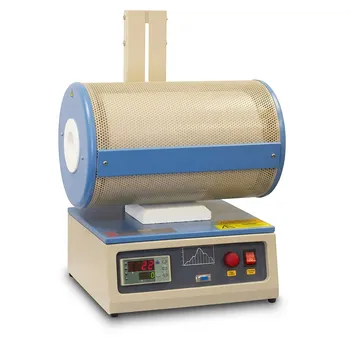
Multi Position Tube Furnace 1100C for Laboratory Material Research and Advanced Industrial Thermal Processing

High Temperature Automated 5 Inch Tube Furnace for Autonomous Material Research and Advanced Laboratory R&D
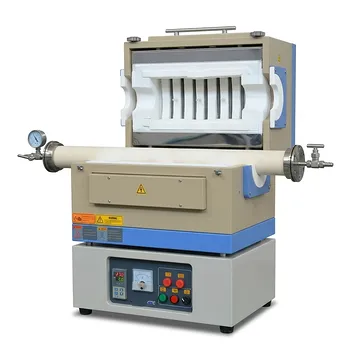
High Temperature 1600C Split Tube Furnace Vacuum Flanges Valves Optional 60mm 80mm Alumina Tube
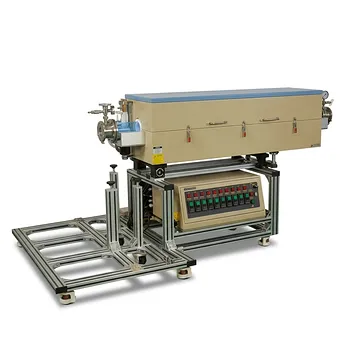
Ten Zone Multi Orientation Laboratory Tube Furnace for 1200C High Temperature Gradient Thermal Processing
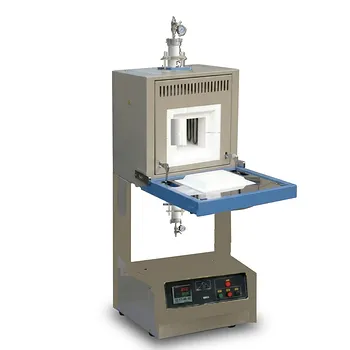
High Temperature Vertical Hybrid Furnace with Alumina Tube and SiC Heating for SOFC Coin Cell Testing and Atmosphere Processing
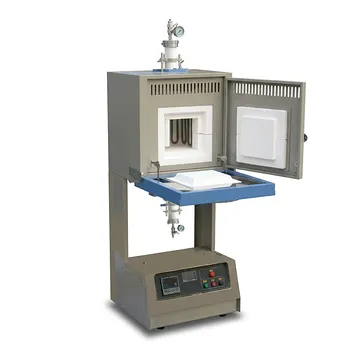
Vertical Hybrid High Temperature Furnace 1500C Alumina Tube SOFC Fuel Cell Testing Laboratory Heat Treatment Research Equipment
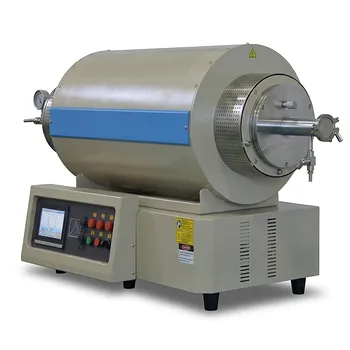
1200C Max Three Zone Tube Furnace 6 Inch OD Max with Tube and Flange

1100C Tube Furnace with Vacuum Flange and Programmable Temperature Controller for Material Science and Industrial Heat Treatment