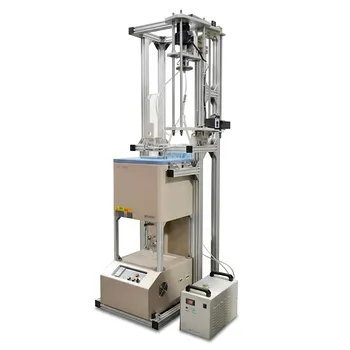
What are the functions of a tube furnace in PCC annealing? Optimize Carbonization & Porosity
Updated 3 months ago
The high-vacuum/atmosphere tube furnace is the primary reactor for the thermal transformation of Porous Carbon Cloth (PCC). It provides a strictly controlled, anaerobic environment—often utilizing a reducing Ar/H2 (10%) atmosphere—to facilitate the in situ carbonization of precursors like ZIF67 at high temperatures (typically 700°C). By simultaneously managing temperature and atmosphere, the furnace converts organic frameworks into conductive carbon carriers while protecting the carbon cloth skeleton from oxidative degradation.
Core Takeaway: The tube furnace functions as a precision chemical reactor that enables pyrolysis and carbonization under oxygen-free conditions. Its primary goal is to transform organic precursors into a conductive, hierarchical pore structure without allowing the carbon cloth substrate to burn away.
Atmospheric Control and Environmental Isolation
Preventing Oxidative Degradation
The most critical function of the furnace is the total exclusion of oxygen. At the high temperatures required for carbonization (700°C to 1000°C), carbon cloth would immediately oxidize and combust in the presence of air; the furnace's high-vacuum sealing ensures the structural integrity of the carbon skeleton.
Managing the Reducing Environment
Unlike a simple inert environment, a tube furnace can maintain a reducing atmosphere (such as Ar/H2). This specific gas mixture is essential for the in situ carbonization of precursors, as it actively prevents the oxidation of the carbon cloth during the process, ensuring the final product retains high electrical conductivity.
Elimination of Non-Carbon Elements
Under the protection of inert gases like Nitrogen or Argon, the furnace facilitates the deoxygenation and removal of non-carbon elements from the precursor materials. This chemical "cleaning" process is what transforms raw polymer fibers or biomass into a pure, stable carbon framework.
Thermal Transformation and Pore Engineering
In Situ Carbonization of Precursors
The furnace provides the precise thermal energy required to trigger pyrolysis, where organic frameworks (such as ZIF67) are converted into carbon. This process happens "in situ," meaning the carbon grows directly on and within the cloth fibers, creating a seamless, conductive interface.
Thermal Decomposition of Templates
To create the "porous" aspect of PCC, hard templates or pore-forming agents (like PMMA or polystyrene) must be removed. The furnace enables the thermal decomposition and gasification of these templates, leaving behind a rich, interconnected pore structure that increases the specific surface area.
Structural Reorganization for Conductivity
High-temperature treatment drives the aromatization and reorganization of carbon chains. By controlling the heating curve—for example, rising at 5°C/min to a specific set point—the furnace ensures the carbon achieves the necessary crystallinity and chemical stability required for high-performance applications.
Understanding the Trade-offs
Temperature vs. Pore Integrity
While higher temperatures (up to 1000°C) improve electrical conductivity and carbon purity, they can also cause the contraction of the pore structure. Excessive heat may lead to the collapse of delicate micropores, reducing the total surface area available for subsequent chemical reactions or energy storage.
Heating Rate vs. Structural Stability
Rapid heating can lead to non-uniform carbonization or the physical cracking of the carbon cloth due to sudden gas evolution from the precursors. Conversely, an overly slow heating rate increases energy consumption and processing time without necessarily improving the material's electrochemical properties.
Gas Flow Dynamics
The flow rate of the protective or reducing gas must be carefully balanced. If the flow is too low, by-products of pyrolysis may settle back onto the material, clogging pores; if too high, it may cause temperature fluctuations across the tube, leading to inconsistent carbonization.
Applying Furnace Control to Your Material Goals
How to Apply This to Your Project
Achieving the optimal Porous Carbon Cloth requires tailoring the furnace parameters to your specific precursor and intended application.
- If your primary focus is Maximum Conductivity: Prioritize higher temperatures (800°C–1000°C) and a strict reducing atmosphere to ensure complete carbonization and chain reorganization.
- If your primary focus is High Surface Area/Porosity: Focus on the precise thermal decomposition of templates at moderate temperatures (600°C–700°C) to prevent pore shrinkage.
- If your primary focus is Structural Flexibility: Use a slower heating ramp (e.g., 2°C–5°C/min) to allow for gradual gas evolution, preventing the carbon cloth from becoming brittle.
By mastering the furnace’s atmosphere and thermal curve, you transform a simple fiber substrate into a sophisticated, high-performance carbon architecture.
Summary Table:
| Key Function | Technical Process | Material Benefit |
|---|---|---|
| Atmospheric Control | Vacuum sealing & Ar/H2 flow | Prevents oxidation; ensures high conductivity |
| Pore Engineering | Thermal decomposition of templates | Increases specific surface area and porosity |
| In Situ Carbonization | High-temp pyrolysis (700°C+) | Creates seamless, conductive carbon interfaces |
| Structural Stability | Controlled heating ramps (5°C/min) | Prevents structural cracking and pore collapse |
Elevate Your Material Research with THERMUNITS Precision
As a leading manufacturer of high-temperature laboratory equipment, THERMUNITS provides the advanced thermal technology required for demanding material science and industrial R&D. Whether you are developing Porous Carbon Cloth (PCC), advanced battery materials, or specialized alloys, our equipment ensures the atmospheric purity and temperature precision your project deserves.
Our Comprehensive Thermal Solutions Include:
- Laboratory Furnaces: Muffle, Vacuum, Atmosphere, Tube, and Rotary furnaces.
- Advanced Systems: CVD/PECVD systems, Vacuum Induction Melting (VIM), and Hot Press furnaces.
- Specialized Equipment: Dental furnaces, electric rotary kilns, and premium Thermal Elements.
Why Partner with THERMUNITS? We empower researchers to achieve superior heat treatment results through robust engineering and expert support. From managing reducing environments to perfecting complex heating curves, we help you transform raw precursors into high-performance architectures.
Ready to optimize your thermal processing workflow? Contact our technical experts today to find the perfect solution!
References
- Cheng Wang, Yanwen Ma. Porous Carbon Cloth@CoSe<sub>2</sub> as Kinetics‐Enhanced and High‐Loading Integrated Sulfur Host for Lithium–Sulfur Batteries. DOI: 10.1002/adfm.202316221
Mentioned Products
- High Vacuum Compact Tube Furnace 1200C with Integrated Turbo Pump System and 8 Inch Heating Zone
- 1750°C High Temperature Benchtop Vacuum Atmosphere Tube Furnace with Kanthal Super 1800 Heating Elements and 60mm Alumina Processing Tube
- 1800C High Temperature Compact Vacuum Tube Furnace with 60mm OD Alumina Tube and Kanthal MoSi2 Heating Elements
- High Temperature 1700C Tube Furnace with High Vacuum Turbomolecular Pump System and Multi Channel Mass Flow Controller Gas Mixer
- High Temperature Compact Vacuum Tube Furnace 1750C Max 60mm OD Alumina Tube
People Also Ask
- What core functions does a high-temperature vacuum tube furnace provide? Optimize np-CuSn Sintering & Joint Integrity
- What is the primary function of a high vacuum tube furnace in the in-situ grain growth experiments of silicon steel?
- Why is a high-vacuum tube furnace required for the pyrolysis phase of BCMoMn electrocatalysts? Key for Catalyst Precision
- What is the Role of Vacuum Tube Furnaces in Ti1-xAlxN Research? Master Age Hardening & Stability
- What role does a High Vacuum Tube Furnace play in La2O2S synthesis? Achieve High Purity and Phase Stability

Tech Team · ThermUnits
Last updated on Jun 03, 2026
Related Products
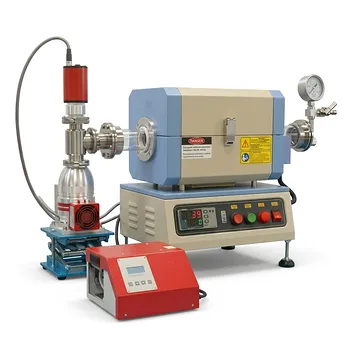
High Vacuum Compact Tube Furnace 1200C with Integrated Turbo Pump System and 8 Inch Heating Zone

1750°C High Temperature Benchtop Vacuum Atmosphere Tube Furnace with Kanthal Super 1800 Heating Elements and 60mm Alumina Processing Tube

1800C High Temperature Compact Vacuum Tube Furnace with 60mm OD Alumina Tube and Kanthal MoSi2 Heating Elements

High Temperature 1700C Tube Furnace with High Vacuum Turbomolecular Pump System and Multi Channel Mass Flow Controller Gas Mixer
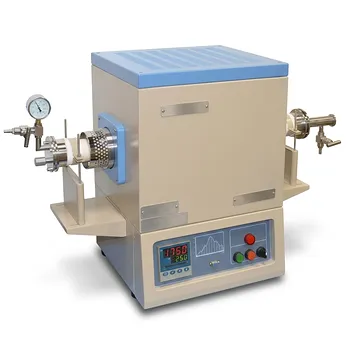
High Temperature Compact Vacuum Tube Furnace 1750C Max 60mm OD Alumina Tube
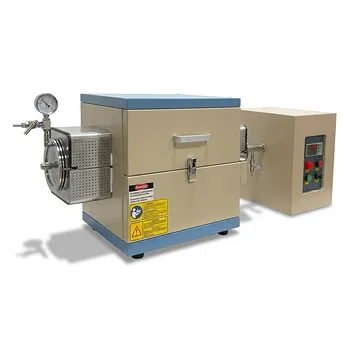
1200C High Temperature 5 Inch Split Vacuum Tube Furnace with 12 Inch Heating Zone and Separated PID Controller
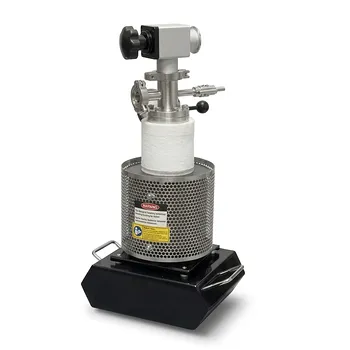
High Temperature 1100C Compact Top Loading Vertical Vacuum Tube Furnace for High Vacuum Noble Metal Melting and Material Research
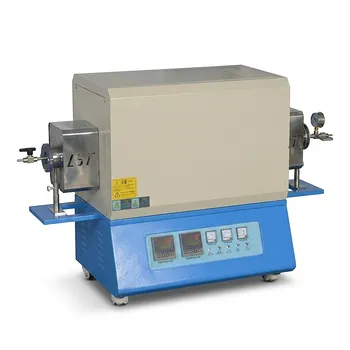
High Temperature Dual Zone Vacuum Tube Furnace for Material Research and CVD Processing

Compact High Temperature 1600C Tube Furnace with 50mm Alumina Tube and Vacuum Flanges for Material Sintering
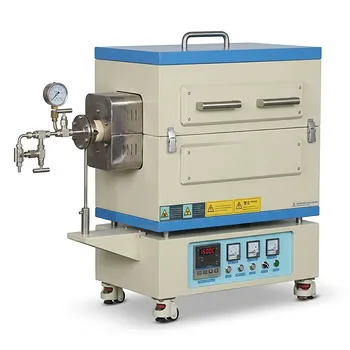
High Temperature Split Tube Furnace 1500C for Material Research Vacuum and Atmosphere Thermal Processing

High Temperature 1700C Benchtop Tube Furnace with 5 Inch Heating Zone High Purity Alumina Tube and Vacuum Sealing Flanges

High Temperature Automated 5 Inch Tube Furnace for Autonomous Material Research and Advanced Laboratory R&D
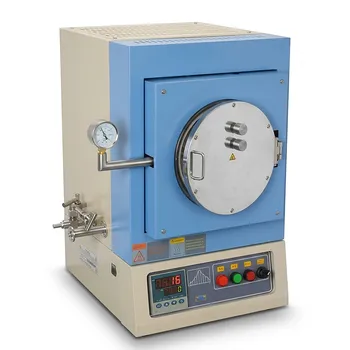
1100°C High Temperature Quartz Chamber Furnace 8 Inch OD with 7.6 Liter Capacity and Vacuum Atmosphere Capability
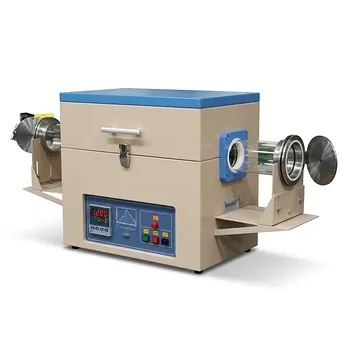
High Temperature 1200C Split Tube Furnace with Hinged Vacuum Flanges and 4 Inch Quartz Tube for Laboratory Research

High Temperature 1700C Vertical Tube Furnace for Powder Spherification and Material Sintering
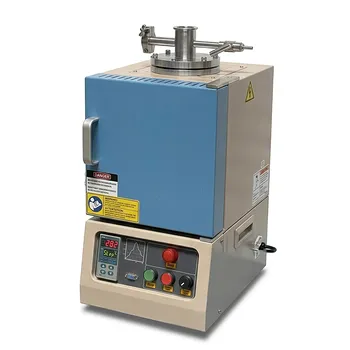
High Temperature Hybrid Muffle and Tube Furnace with Vacuum Capability and PID Control

1100C Tube Furnace with Vacuum Flange and Programmable Temperature Controller for Material Science and Industrial Heat Treatment

Vertical 1700C Vacuum and Atmosphere Tube Furnace with 80mm Alumina Tube
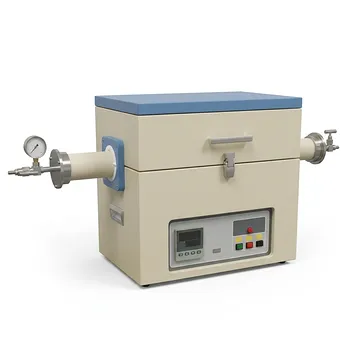
1250C Split Tube Furnace with 3 Inch Mullite Tube and Vacuum Sealing Flanges for Precision Thermal Processing