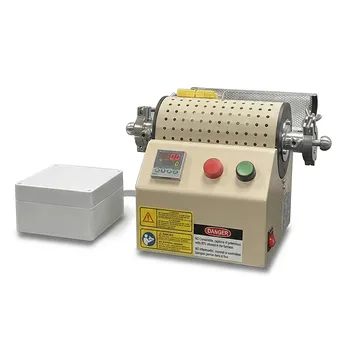
What are the essential subsystems that constitute a standard MPCVD machine? A Comprehensive Technical Guide
Updated 5 months ago
The fundamental architecture of a Microwave Plasma Chemical Vapor Deposition (MPCVD) system is defined by five specialized subsystems. These include a microwave power source and delivery network, a resonant reaction cavity, a precision gas delivery manifold, a vacuum control system, and a temperature-managed substrate assembly. These components work in unison to transform electrical energy into a high-density plasma discharge for high-quality material growth, such as synthetic diamond.
The core of an MPCVD machine is the integration of microwave energy with precise vacuum and gas controls to create a stable, high-energy plasma environment. Mastering the synergy between these subsystems is essential for achieving the uniform deposition and high purity required in advanced material science.
The Microwave Power and Delivery Subsystem
Microwave Generation Sources
The system begins with a power source, typically a magnetron or a more modern solid-state generator, which generates electromagnetic waves at standard frequencies like 2.45 GHz or 915 MHz. While magnetrons offer high power at a lower cost, solid-state sources provide superior frequency stability and fine-tuned control over the energy input.
Delivery Waveguides and Tuning
Microwaves are directed from the source to the reactor through waveguides, which are hollow metallic structures designed to prevent energy loss. Integrated within this path are circulators to protect the source from reflected power and tuners (like 3-stub tuners) that match the impedance to ensure maximum energy absorption into the plasma.
The Plasma Reactor and Resonant Cavity
The Resonant Cavity (Applicator)
The resonant cavity, or applicator, is the heart of the machine where the microwaves are focused to ignite and sustain a plasma discharge. Its geometry is mathematically tuned to create a standing wave pattern, ensuring that the plasma ball remains stable and centered above the growth substrate.
Plasma Confinement and Stability
The reactor design must manage intense heat while maintaining a clean environment. High-quality reactors often use quartz windows or bells to separate the microwave delivery system from the vacuum environment while allowing the electromagnetic energy to pass through unimpeded.
Gas Delivery and Vacuum Management
High-Purity Gas Manifolds
The gas delivery system utilizes Mass Flow Controllers (MFCs) to mix precursor gases, such as hydrogen and methane, with extreme precision. The purity of these gases is critical, as even trace amounts of nitrogen or oxygen can significantly alter the properties of the deposited material.
Vacuum Pumping and Pressure Control
A dual-stage vacuum system, typically consisting of a rotary vane pump for initial drawdown and a turbo-molecular pump for high-vacuum conditions, establishes the necessary base pressure. During operation, an automated butterfly valve or similar throttle mechanism regulates the chamber pressure to maintain plasma stability at specific operating ranges.
Substrate Management and Process Monitoring
The Substrate Holder and Thermal Control
The substrate holder (or stage) positions the growth material within the plasma and must often include independent heating or water-cooling systems. Because the plasma itself transfers significant thermal energy, precise cooling is often more critical than heating to prevent the substrate from overheating during long growth cycles.
Real-time Monitoring Instrumentation
Advanced MPCVD systems incorporate optical pyrometers to measure substrate temperature through the plasma glow without physical contact. Additionally, residual gas analyzers (RGA) may be used to monitor the chemical composition of the exhaust, providing a feedback loop for process optimization.
Understanding the Trade-offs and Challenges
Power Source Reliability vs. Cost
Choosing between a magnetron and a solid-state source involves a trade-off between initial capital expenditure and long-term process stability. Magnetrons are robust and powerful but suffer from "frequency drift" as they age, which can lead to plasma instability during 100+ hour growth runs.
Heating vs. Plasma-Induced Thermal Loads
While many CVD processes require external heaters, MPCVD plasma is so energy-dense that it can easily melt substrates. The engineering challenge often shifts from providing heat to managing heat dissipation, requiring complex water-chilling circuits within the substrate stage to maintain a constant growth temperature.
Making the Right Choice for Your Goal
How to Apply This to Your Project
To determine the optimal configuration for your MPCVD system, evaluate your specific material requirements and production scale.
- If your primary focus is high-volume industrial diamond production: Prioritize a 915 MHz magnetron system for its larger plasma volume and higher power capacity.
- If your primary focus is high-purity R&D and film sensing: Invest in solid-state microwave sources and high-end Mass Flow Controllers to ensure maximum process repeatability.
- If your primary focus is budget-conscious lab work: Focus on a 2.45 GHz magnetron-based system with a standard rotary pump and manual tuning to reduce complexity.
A well-engineered MPCVD system is a balance of electromagnetic precision, chemical purity, and thermal management, where the failure of any single subsystem compromises the integrity of the entire deposition process.
Summary Table:
| Subsystem | Key Components | Primary Function |
|---|---|---|
| Microwave Power | Magnetron / Solid-state Generator | Energy generation and delivery |
| Resonant Cavity | Applicator, Quartz Window | Plasma ignition and confinement |
| Gas Delivery | Mass Flow Controllers (MFCs) | Precise precursor gas mixing |
| Vacuum Control | Turbo/Rotary Pumps, Throttle Valves | Pressure regulation and environment |
| Substrate Stage | Holder, Cooling/Heating Systems | Thermal management and positioning |
Elevate Your Material Research with THERMUNITS
As a leading manufacturer of high-temperature laboratory equipment, THERMUNITS provides cutting-edge solutions for material science and industrial R&D. Our precision-engineered MPCVD systems and a wide range of thermal processing equipment—including Muffle, Vacuum, Atmosphere, Tube, and Rotary Furnaces, CVD/PECVD systems, and Vacuum Induction Melting (VIM) Furnaces—are designed to meet the most demanding technical specifications.
Whether you are focusing on high-purity synthetic diamond growth or advanced industrial heat treatment, we offer the technical expertise and robust hardware to ensure your project's success.
Ready to optimize your lab's capabilities?
Contact THERMUNITS Today to discuss your specific thermal processing needs and receive a professional consultation from our expert team.
Mentioned Products
- Cylindrical Resonator MPCVD Machine System for Microwave Plasma Chemical Vapor Deposition and Lab Diamond Growth
- 915MHz MPCVD Diamond Machine Microwave Plasma Chemical Vapor Deposition System Reactor
- Chemical Vapor Deposition CVD System Slide PECVD Tube Furnace with Liquid Gasifier PECVD Machine
- Multi Heating Zones CVD Tube Furnace System for Precision Chemical Vapor Deposition and Advanced Material Synthesis
- HFCVD Machine System for Nano Diamond Coating on Drawing Dies and Industrial Tools
People Also Ask
- How does the high concentration of atomic hydrogen in MPCVD benefit diamond growth? The Key to Gem-Grade Quality.
- What are the typical operating pressure ranges and vacuum requirements for MPCVD systems? Optimize Your Material Growth
- What technical parameters are critical for optimizing the growth of single-crystal diamonds in MPCVD systems? Expert Guide
- What are the technical advantages of the electrodeless plasma design in MPCVD systems? Purity & Precision in Synthesis
- How does the versatility of gas compatibility in MPCVD systems compare to filament-based CVD methods? Purity & Doping.

Tech Team · ThermUnits
Last updated on Apr 14, 2026
Related Products
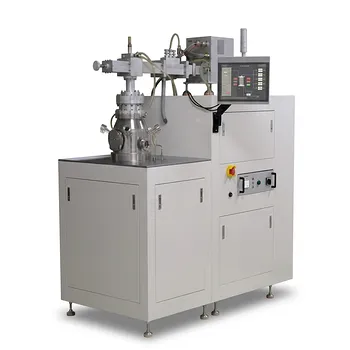
Cylindrical Resonator MPCVD Machine System for Microwave Plasma Chemical Vapor Deposition and Lab Diamond Growth
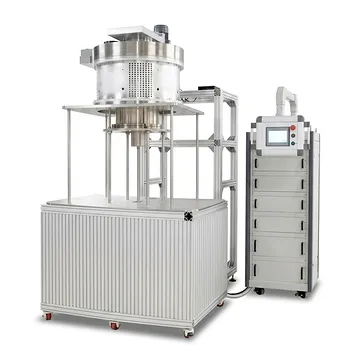
915MHz MPCVD Diamond Machine Microwave Plasma Chemical Vapor Deposition System Reactor
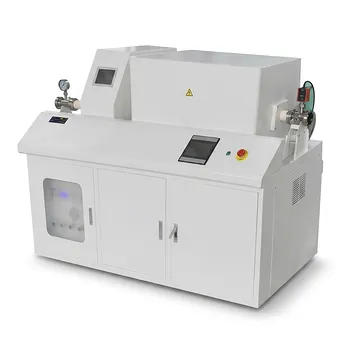
Chemical Vapor Deposition CVD System Slide PECVD Tube Furnace with Liquid Gasifier PECVD Machine
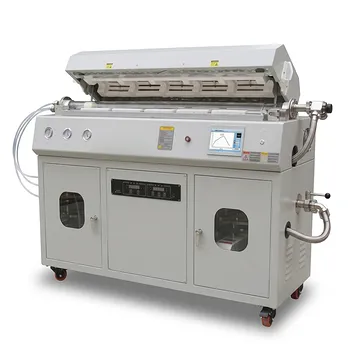
Multi Heating Zones CVD Tube Furnace System for Precision Chemical Vapor Deposition and Advanced Material Synthesis
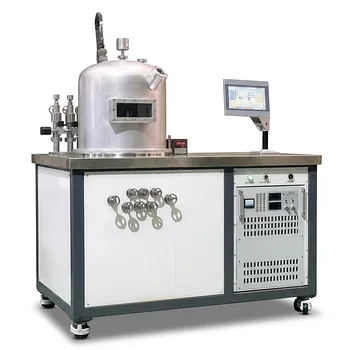
HFCVD Machine System for Nano Diamond Coating on Drawing Dies and Industrial Tools
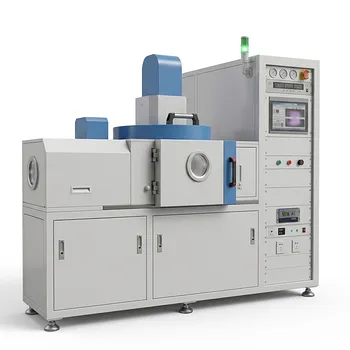
Radio Frequency Plasma Enhanced Chemical Vapor Deposition RF PECVD System for Laboratory and Industrial Thin Film Growth
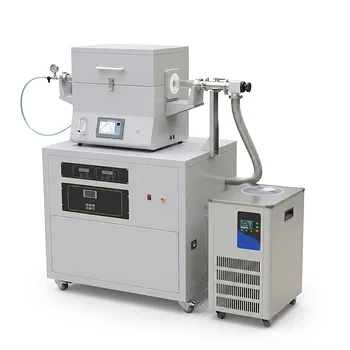
Split Chamber CVD Tube Furnace with Vacuum Station Chemical Vapor Deposition System Machine
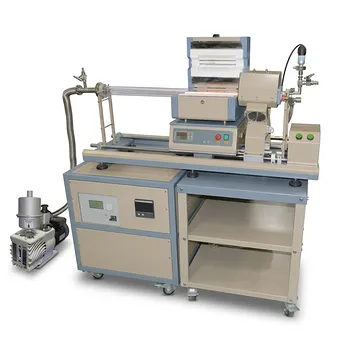
1200C Max Compact Auto-Sliding PECVD Furnace with 2 Inch Tube and Vacuum Pump
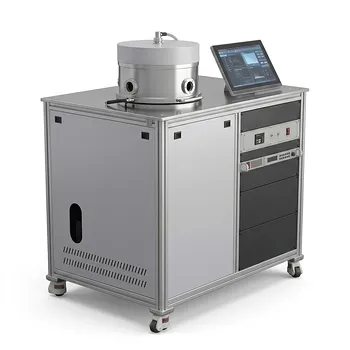
Inclined Rotary Plasma Enhanced Chemical Vapor Deposition PECVD System for Thin Film Deposition and Nanomaterial Synthesis
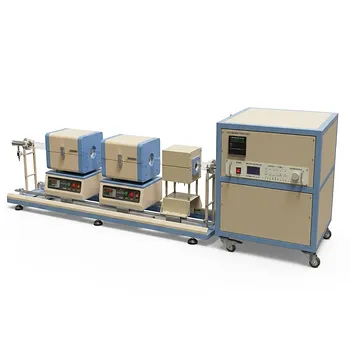
1200C Dual Sliding Tube Furnace with Dual Tubes and Flanges for PECVD Processes
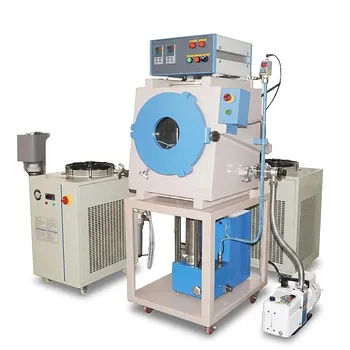
High Temperature Vacuum Lamination Hot Press Furnace Machine for Semiconductor Wafer Bonding and Advanced Composite Thermal Processing
5 Inch Rotary Tube Furnace with Automatic Feeding and Receiving System 1200C Three Zone CVD Powder Processing
Two Zone Rotary CVD Furnace with Automatic Feeding and Receiving System for Powder Processing