What are the stages involved in the vacuum generation system of a vacuum furnace? Optimize Your Thermal Processing
Updated 5 months ago
Vacuum generation in industrial furnaces is a sequential, staged process. It begins with a roughing stage to drop pressure from atmosphere to roughly 0.1 Torr, moves into a booster stage for medium vacuum, and concludes with a high-vacuum stage capable of reaching pressures as low as 10⁻¹¹ Torr. Each phase uses specialized equipment designed to handle specific gas densities and flow characteristics.
Achieving the deep vacuum required for high-purity thermal processing is impossible with a single device. Instead, a tiered system of pumps works in series to progressively remove air molecules, transitioning from mechanical displacement to molecular momentum transfer.
The Foundation: The Roughing Stage
Initial Pressure Reduction
The process starts at atmospheric pressure, where the gas density is highest and the most volume must be moved. A mechanical rotary vane pump is typically employed to handle this "heavy lifting," drawing the chamber down to a range between 20 and 0.1 Torr.
Mechanical Displacement Principles
At this stage, the pump works by physically trapping a volume of air and exhausting it out of the system. This stage is critical because high-vacuum pumps cannot operate at atmospheric pressure and would be damaged if engaged too early.
Bridging the Gap: The Booster Stage
Enhancing Pumping Speed
As the air becomes thinner, the efficiency of standard mechanical pumps begins to drop. A booster stage, often utilizing a Roots blower, is integrated to increase the pumping speed and push the system into the medium vacuum range.
The Role of the Roots Blower
The Roots blower acts as a multiplier, significantly increasing the volume of gas moved toward the backing pump. It bridges the performance gap between the mechanical roughing pump and the specialized high-vacuum equipment.
Reaching Critical Lows: The High-Vacuum Stage
Transitioning to Molecular Flow
In the high-vacuum stage, gas molecules no longer behave like a continuous fluid; they move independently. To capture these sparse molecules, the system uses diffusion pumps or turbomolecular pumps.
Achieving Ultra-Low Pressures
These high-vacuum technologies can achieve pressures ranging from 10⁻⁴ down to 10⁻¹¹ Torr. This level of vacuum is essential for preventing oxidation and ensuring the integrity of specialized materials during heat treatment.
Understanding the Trade-offs
Risks of Oil Backstreaming
Diffusion pumps are highly effective and cost-efficient but carry a risk of oil backstreaming, where vaporized pump oil migrates into the furnace chamber. This can contaminate sensitive workpieces if not properly managed with cold traps or baffles.
Operational Sequencing Pitfalls
Engaging a high-vacuum pump before the roughing stage has reached the appropriate "crossover" pressure can cause catastrophic pump failure. The system must be carefully monitored to ensure each stage is activated only when the vacuum environment is stable enough for its specific technology.
Making the Right Choice for Your Goal
How to Apply This to Your Project
To optimize your vacuum furnace performance, you must align your pump selection with your specific process requirements.
- If your primary focus is cost-effective high vacuum: Utilize a diffusion pump in your final stage, as it offers high pumping speeds for a lower initial investment.
- If your primary focus is ultra-pure, oil-free environments: Prioritize turbomolecular pumps, which eliminate the risk of hydrocarbon contamination in the furnace chamber.
- If your primary focus is rapid cycle times: Invest in an oversized Roots blower to decrease the time spent in the medium vacuum transition zone.
By mastering the staged approach to vacuum generation, you ensure both the longevity of your equipment and the repeatable quality of your thermal processes.
Summary Table:
| Vacuum Stage | Equipment Type | Pressure Range | Primary Function |
|---|---|---|---|
| Roughing | Mechanical Rotary Vane Pump | Atm to 0.1 Torr | Initial pressure reduction; "heavy lifting" |
| Booster | Roots Blower | 0.1 to 10⁻³ Torr | Increases pumping speed; bridges the gap |
| High-Vacuum | Diffusion or Turbomolecular | 10⁻⁴ to 10⁻¹¹ Torr | Achieves ultra-low pressure for high purity |
Maximize Your Research Precision with THERMUNITS
Achieving the perfect vacuum environment is critical for high-purity material science and industrial R&D. THERMUNITS is a leading manufacturer specializing in high-performance thermal processing solutions. From Vacuum and Atmosphere furnaces to CVD/PECVD systems, Rotary Kilns, and Vacuum Induction Melting (VIM) furnaces, we provide the expertise needed to configure the ideal staged vacuum system for your specific application.
Don't let contamination or inefficient cycling hold back your results. Contact THERMUNITS today to consult with our engineering team and find the right laboratory heat treatment equipment for your project!
Mentioned Products
- Ultra High Temperature Induction Heated Vacuum Furnace with Molten Salt Electrolysis Capability and 3000 Degree Precision Control
- High Temperature 1000C Vacuum Furnace with 8 Inch ID Chamber for Material Sintering and Research Annealing
- 1200°C Bottom Loading Vacuum Furnace with Rapid Gas Cooling and 8.6 Inch Diameter Quartz Chamber
- High Pressure 600T Vacuum Induction Hot Press Furnace for Advanced Material Heat Treatment and Sintering
- High Temperature Vacuum Lamination Hot Press Furnace Machine for Semiconductor Wafer Bonding and Advanced Composite Thermal Processing
People Also Ask
- What roles do an induction furnace and a graphite crucible play in the slag pre-melting process? Optimize Slag Prep.
- What is the function of high-vacuum furnaces in (Mo2/3V1/3)n+1AlCn MAX phase synthesis? Ensure Purity & Diffusion.
- What is the typical operating temperature range for vacuum furnaces? Expert Guide to High-Precision Heat Treatment
- How do vacuum furnaces compare to atmosphere or salt-bath furnaces in terms of material properties? Gain Peak Purity
- What are the technical advantages of using a vacuum furnace over a traditional atmosphere furnace? Maximize Purity

Tech Team · ThermUnits
Last updated on Apr 14, 2026
Related Products
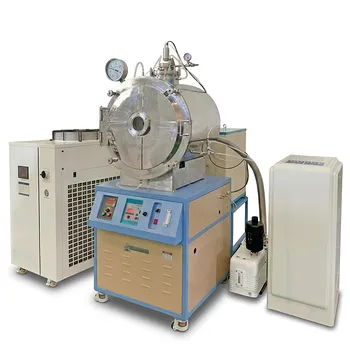
Ultra High Temperature Induction Heated Vacuum Furnace with Molten Salt Electrolysis Capability and 3000 Degree Precision Control
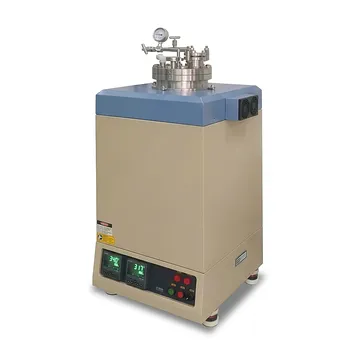
High Temperature 1000C Vacuum Furnace with 8 Inch ID Chamber for Material Sintering and Research Annealing
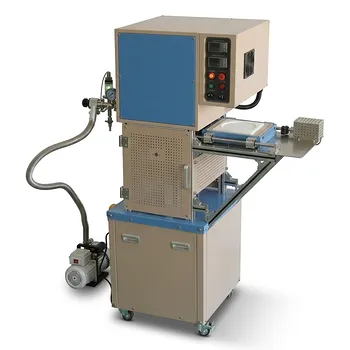
1200°C Bottom Loading Vacuum Furnace with Rapid Gas Cooling and 8.6 Inch Diameter Quartz Chamber
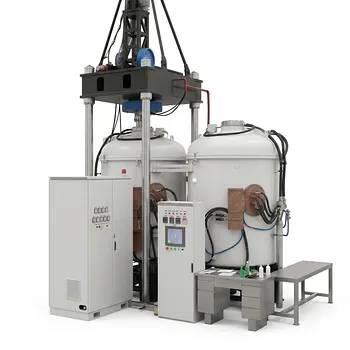
High Pressure 600T Vacuum Induction Hot Press Furnace for Advanced Material Heat Treatment and Sintering
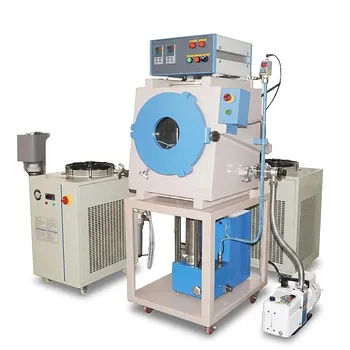
High Temperature Vacuum Lamination Hot Press Furnace Machine for Semiconductor Wafer Bonding and Advanced Composite Thermal Processing
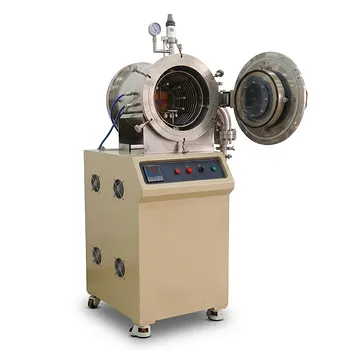
High Temperature Cold Wall High Vacuum Chamber Furnace 1400C for Advanced Material Processing
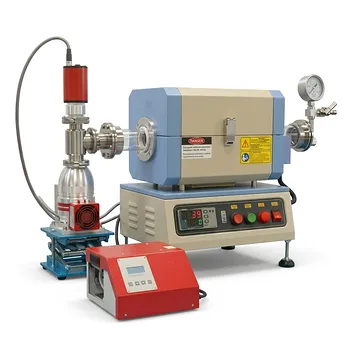
High Vacuum Compact Tube Furnace 1200C with Integrated Turbo Pump System and 8 Inch Heating Zone
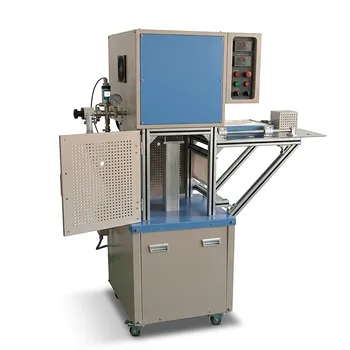
Bottom Loading Vacuum Furnace 1200C Rapid Cooling Atmosphere Control Quartz Chamber
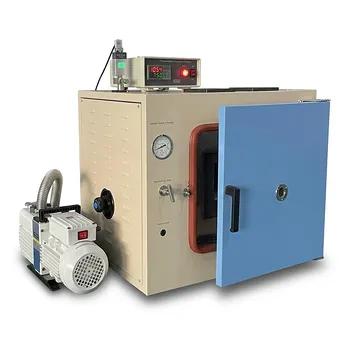
Compact High Vacuum Box Furnace 1050C Max 6.2L Ceramic Chamber Stainless Steel Shell Programmable Temperature Controller for Material Science Research
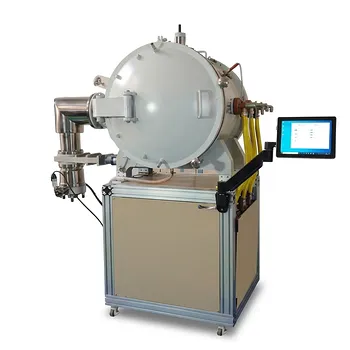
High Temperature Cold Wall Vacuum Furnace for Advanced Material Sintering and Annealing 1600C Heating Area 200x200x300mm
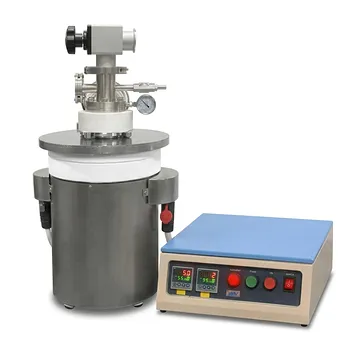
1100C High Temperature Vacuum Crucible Furnace with Quartz Chamber for Thermal Processing and Sintering
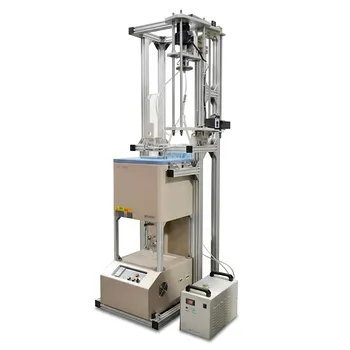
500C Vacuum Vertical Tube Furnace 84mm OD Sample Rotation Lifting System
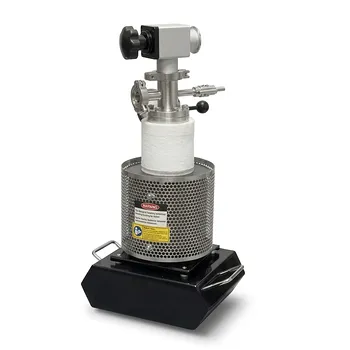
High Temperature 1100C Compact Top Loading Vertical Vacuum Tube Furnace for High Vacuum Noble Metal Melting and Material Research

1800C High Temperature Compact Vacuum Tube Furnace with 60mm OD Alumina Tube and Kanthal MoSi2 Heating Elements
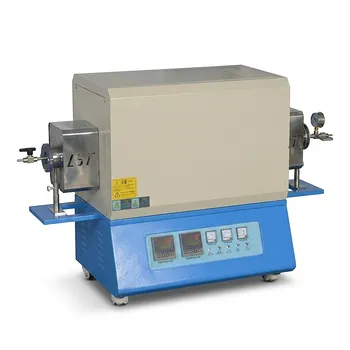
High Temperature Dual Zone Vacuum Tube Furnace for Material Research and CVD Processing
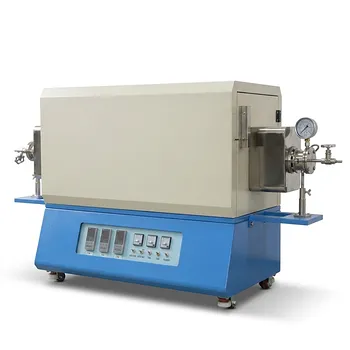
Three Temperature Zone High Temperature Vacuum Tube Furnace for CVD and Material Sintering
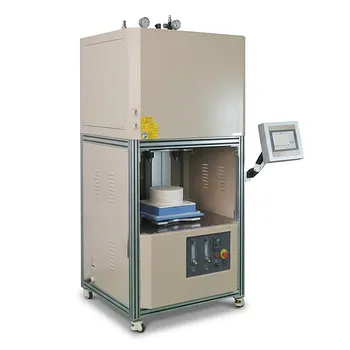
High Temperature Vertical Atmosphere Controlled Furnace 1700C Automatic Bottom Loading 13 Liter Vacuum Thermal System
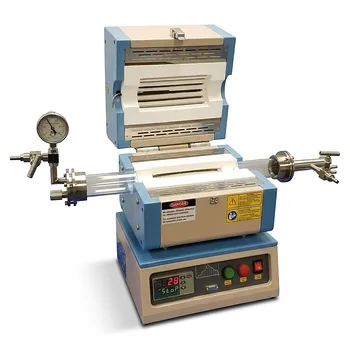
Compact Split Tube Furnace with Integrated Vacuum System and Precision Temperature Calibrator
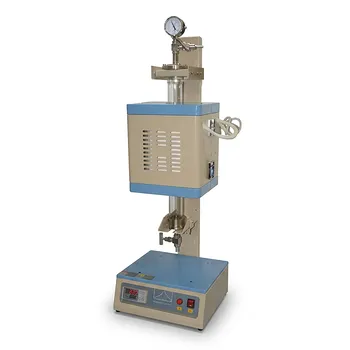
Compact Vertical Split Quartz Tube Furnace with Stainless Steel Vacuum Flanges for Rapid Thermal Quenching and Controlled Atmosphere Material Processing