Technical Advantages of Pt-Rh Thermocouples in High-Temp Combustion Research: Precision & Stability
Updated 3 months ago
The technical advantages of platinum-rhodium (Pt-Rh) thermocouples in high-temperature combustion research center on their exceptional oxidation resistance and long-term thermoelectric stability. These noble-metal sensors provide a reliable measurement range that extends well beyond 1000°C, reaching as high as 1800°C in Type B configurations. Their ability to maintain accuracy in harsh, oxygen-rich environments ensures that researchers can achieve the strict isothermal control necessary for valid experimental outcomes.
Platinum-rhodium thermocouples offer a unique combination of high-temperature durability and chemical inertness, making them the industry standard for precision combustion and melt dynamics research. They provide the stable, drift-resistant data required to correlate thermal conditions with complex chemical kinetics.
Superior Material Stability in Harsh Environments
Exceptional Oxidation Resistance
Unlike base-metal thermocouples, platinum-rhodium alloys are highly resistant to oxidation at extreme temperatures. This chemical inertness prevents the sensor wires from degrading when exposed to the volatiles and high oxygen concentrations common in combustion chambers.
Long-Term Thermoelectric Stability
Pt-Rh thermocouples exhibit minimal "drift," meaning their voltage output remains consistent over long periods of operation. This stability is critical for multi-day experiments where even a minor change in sensor calibration could invalidate the results of a study.
High-Temperature Structural Integrity
These alloys maintain their mechanical and thermal properties at temperatures reaching 1800 K to 1923 K. This allows for direct placement within reaction zones or near molten slag without the immediate risk of sensor failure or melting.
Precision in Kinetic and Thermodynamic Modeling
Accuracy in Arrhenius Linear Regression
In combustion research, ionic conductivity and reaction rates often change exponentially with temperature. Pt-Rh thermocouples provide the high-precision feedback needed to establish accurate Arrhenius relationships and calculate the activation energy of ions within a melt.
Calculating Activity Coefficients
Small temperature fluctuations can significantly alter the measurement of variables like the TiO2 activity coefficient. The precise regulation enabled by Pt-Rh sensors allows researchers to maintain the rigid thermal parameters required for these sensitive thermodynamic calculations.
Monitoring Rapid Phase Changes
The high-sensitivity electrodes used in these sensors can capture temperature changes during critical transitions, such as the precipitation of Manganese Sulfide (MnS) in brazing seams. This real-time data is vital for evaluating liquid time and cooling rates in specialized metallurgical research.
Advanced Isothermal Regulation
Integration with Modern Signal Converters
By connecting Pt-Rh sensors to high-precision signal converters and controllers, researchers can achieve real-time regulation of muffle furnaces. This setup ensures the reaction zone remains within strictly defined isothermal parameters, minimizing experimental noise.
Mitigation of Thermal Gradients
Strategic placement of Pt-Rh sensors, often protected by alumina tubes, allows for localized monitoring near the bottom of a crucible or the center of a melt. This reduces the uncertainty caused by thermal gradients within the experimental apparatus.
Correlation with Physical Properties
Accurate temperature feedback is essential for correlating thermal data with physical properties like slag viscosity. Consistent sensor performance ensures that viscosity measurements are mapped to the correct thermal state of the material.
Understanding the Trade-offs
High Initial Investment and Scarcity
The primary disadvantage of Pt-Rh thermocouples is the significant cost associated with noble metals. This makes them a substantial investment compared to K-type or J-type sensors, often requiring strict inventory management and recycling protocols.
Sensitivity to Contamination
While resistant to oxidation, platinum is highly susceptible to "poisoning" from certain elements like silicon, phosphorus, or arsenic. If these contaminants are present in the combustion environment, they can migrate into the platinum wire and cause brittle failure or significant calibration drift.
Mechanical Fragility at High Heat
At temperatures near their limit, platinum wires become soft and lose their tensile strength. Excessive mechanical vibration or stress can lead to physical breakage, requiring the use of rigid ceramic protection sheaths which may slow the sensor's thermal response time.
Making the Right Choice for Your Goal
When selecting a temperature monitoring solution for high-temperature research, your specific experimental conditions should dictate the sensor type:
- If your primary focus is extreme temperature ceiling (up to 1800°C): Utilize Type B (Pt-Rh 30%/6%) thermocouples to ensure sensor longevity and minimal drift at the upper limits of furnace capacity.
- If your primary focus is chemical kinetic precision: Employ S-type or R-type sensors to achieve the high-resolution feedback necessary for calculating activation energy and activity coefficients.
- If your primary focus is corrosive slag or melt dynamics: Use Pt-Rh sensors in conjunction with platinum-rhodium crucibles to prevent sample contamination and ensure chemical compatibility.
- If your primary focus is rapid fluctuation monitoring in moderate ranges (up to 1200°C): Consider K-type thermocouples with high-sensitivity electrodes for a more cost-effective solution with faster response times.
By leveraging the inherent stability of platinum-rhodium alloys, researchers can transform temperature from a variable of uncertainty into a foundation of experimental precision.
Summary Table:
| Feature | Technical Advantage | Best Application |
|---|---|---|
| Oxidation Resistance | Remains inert in oxygen-rich reaction zones | Harsh combustion environments |
| Thermoelectric Stability | Minimal drift for long-term data consistency | Multi-day kinetic modeling |
| High Temperature Range | Operates reliably up to 1800°C (Type B) | Slag, melt, and ceramic research |
| Precision Regulation | High-resolution feedback for isothermal control | Calculating activation energy |
Elevate Your Research Precision with THERMUNITS
Achieving valid experimental outcomes in material science and industrial R&D requires thermal equipment that delivers absolute stability and precision. THERMUNITS is a leading manufacturer of high-performance laboratory equipment, offering a comprehensive range of thermal processing solutions tailored to your needs. From Muffle, Vacuum, and Tube furnaces to specialized CVD/PECVD systems, Dental Furnaces, and Vacuum Induction Melting (VIM) furnaces, our equipment is designed to work in harmony with advanced sensors like Pt-Rh thermocouples to eliminate thermal uncertainty.
Why partner with THERMUNITS?
- Advanced Technology: Our furnaces support precise isothermal regulation and rapid phase change monitoring.
- Comprehensive Range: We provide everything from Rotary Kilns and Hot Press furnaces to high-quality Thermal Elements.
- R&D Excellence: We empower researchers to correlate thermal data with complex physical properties like viscosity and chemical kinetics.
Ready to optimize your high-temperature heat treatment? Contact THERMUNITS today to find the perfect solution for your lab.
References
- K.S. Еsin, S.A. Yankovskiy. JUSTIFICATION OF THE POSSIBILITY OF ENERGY USE OF LEAVES MIXED WITH COAL. DOI: 10.17513/mjpfi.13657
Mentioned Products
- Dual Zone Quartz Tube Furnace with 80mm Diameter 1200C Max Temperature 3 Channel Gas Mixer and Vacuum Pump System
- Induction Heating System with Temperature Control for High Temperature Vacuum Sintering and Melting
- Two Zone IR Heating Rapid Thermal Processing RTP Tube Furnace with 4 Inch ID Quartz Tube and Sliding Sample Holders
- Molybdenum Disilicide MoSi2 Thermal Elements Electric Furnace Heating Element High Temperature Resistance
- High Temperature Tube Furnace 1500C with Sliding Flanges and 50mm OD for Rapid Thermal Processing Fast Heating and Cooling
People Also Ask
- How do dual-zone quartz tube furnaces achieve controllable material preparation? Optimize Perovskite VD Processes
- What are the technical advantages of using a dual-zone tube furnace for growing large PdCoO2 crystals via CVT? Expert Tips
- Purpose of the reverse gradient step in CVT growth? Master Crystal Purity with Dual-Zone Furnaces
- Why is it necessary to place MoS2 devices in a dual-zone tube furnace for annealing? Optimize Lattice Repair & Doping
- Why is a dual-zone tube furnace necessary for ReO3-doped Cu2Te CVD? Essential for precise precursor synchronization.

Tech Team · ThermUnits
Last updated on Jun 02, 2026
Related Products
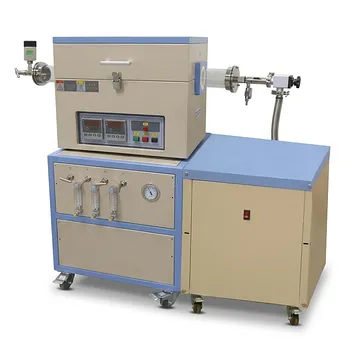
Dual Zone Quartz Tube Furnace with 80mm Diameter 1200C Max Temperature 3 Channel Gas Mixer and Vacuum Pump System
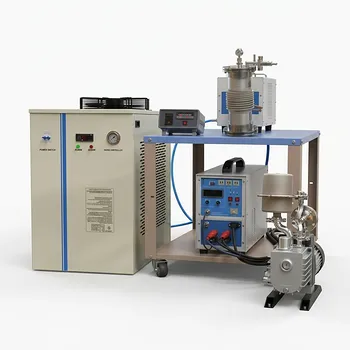
Induction Heating System with Temperature Control for High Temperature Vacuum Sintering and Melting
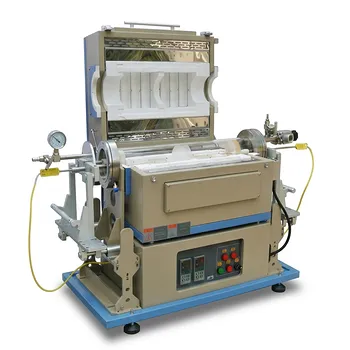
Two Zone IR Heating Rapid Thermal Processing RTP Tube Furnace with 4 Inch ID Quartz Tube and Sliding Sample Holders
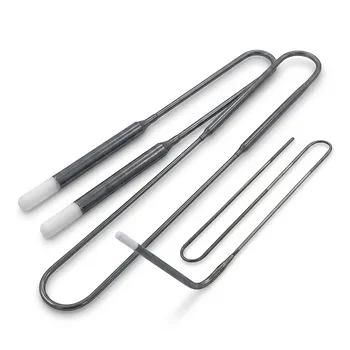
Molybdenum Disilicide MoSi2 Thermal Elements Electric Furnace Heating Element High Temperature Resistance

High Temperature Tube Furnace 1500C with Sliding Flanges and 50mm OD for Rapid Thermal Processing Fast Heating and Cooling
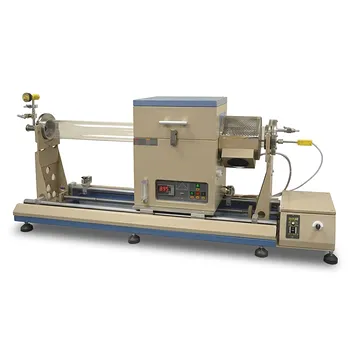
900 ºC Max Sliding RTP Tube Furnace with Rapid IR Heating and 4 Inch OD Quartz Tube
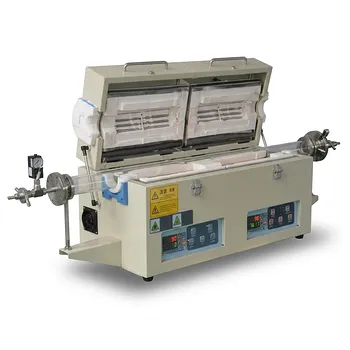
Elongated Two Temperature Zone Pipe Furnace for Industrial Heat Treatment and Material Science Research
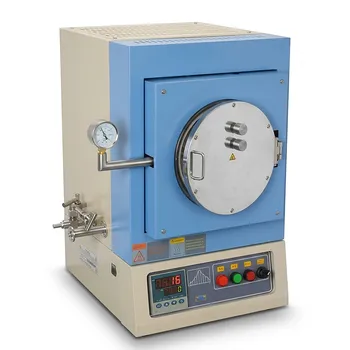
1100°C High Temperature Quartz Chamber Furnace 8 Inch OD with 7.6 Liter Capacity and Vacuum Atmosphere Capability
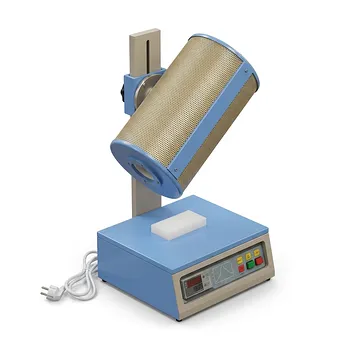
1100°C Vertical Laboratory Furnace for DIY Tubular Reactors with PID Temperature Controller
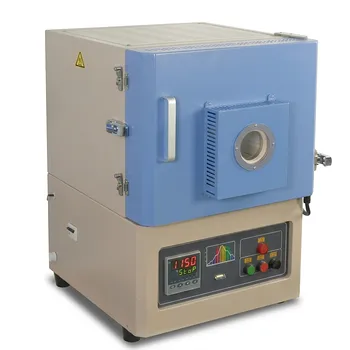
High Temperature Benchtop Muffle Furnace with Quartz Observation Window for Thermal Imaging and Material Analysis
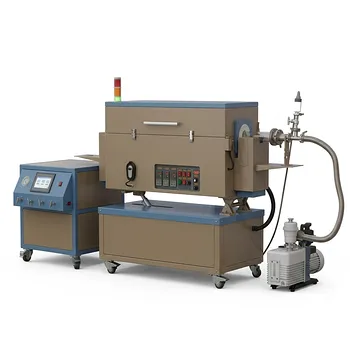
5 Inch Three Zone Rotary Tube Furnace with Integrated Gas Delivery System and 1200C Capability for Advanced Material CVD Processing
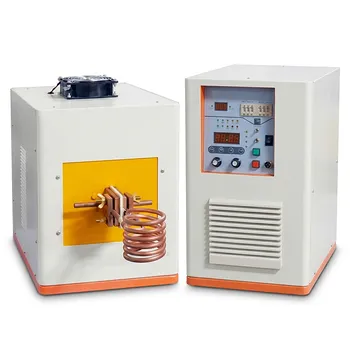
30KW High Frequency Induction Heater for Metal Melting and Industrial Heat Treatment 80-200kHz
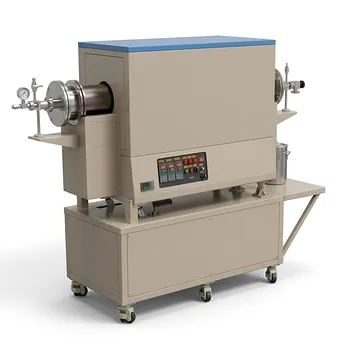
900°C Max Rotary Tube Furnace with 8 Inch 310S Alloy Tube and Optional Multi Zone Heating for Industrial Material Calcination
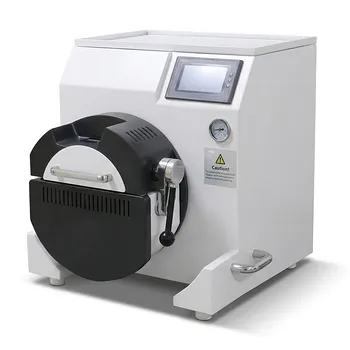
Desktop Induction Melting Furnace with Automatic Rotary Casting Function up to 1700C for Advanced Metal Alloy Research
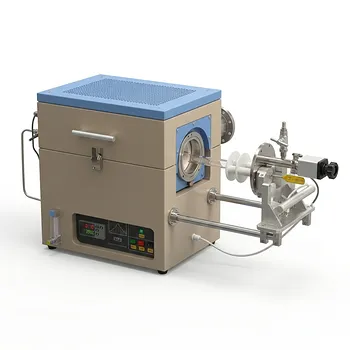
Compact Atmosphere Controlled Rapid Thermal Processing RTP Furnace with 4 Inch ID Quartz Tube 1100C
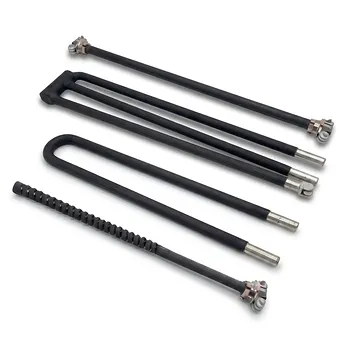
Silicon Carbide SiC Thermal Heating Elements for Industrial Electric Furnaces
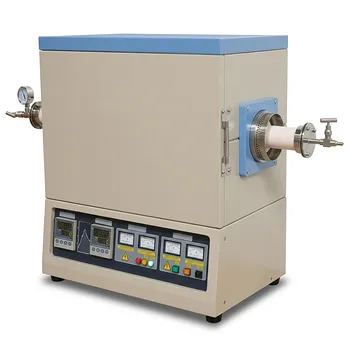
High Temperature 1700C Dual Zone Tube Furnace for Material Science and Industrial Chemical Vapor Deposition Research
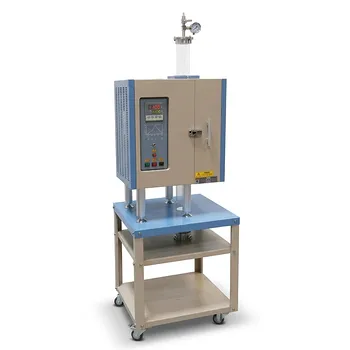
1100°C Split Vertical Tube Furnace with 80mm Quartz Tube and Stainless Steel Vacuum Flanges
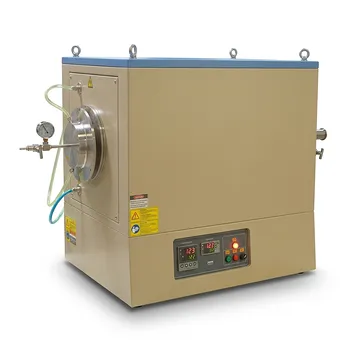
1100°C Large Diameter Quartz Tube Furnace with 24 Inch Heating Zone and Water Cooled Flanges
