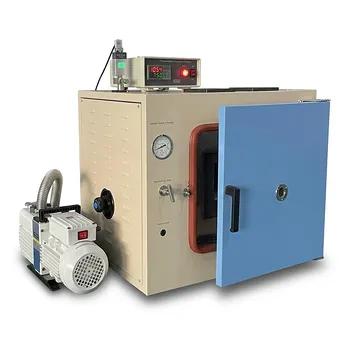
What are the advantages of a laboratory vacuum hot press furnace for solid electrolytes? Superior Density & Conductivity
Updated 3 months ago
Vacuum hot press furnaces outperform traditional pressureless sintering by simultaneously applying thermal energy and mechanical force. This "multi-physical field coupling" significantly lowers the activation energy required for densification, allowing materials to achieve relative densities exceeding 98% at lower temperatures. By integrating a vacuum environment with uniaxial pressure, these furnaces suppress chemical loss and eliminate internal porosity that traditional methods cannot address.
The core advantage of vacuum hot press sintering lies in its ability to achieve near-theoretical density and fine-grained microstructures at reduced temperatures. This synergy preserves the chemical stoichiometry of solid electrolytes while maximizing ionic conductivity and mechanical strength.
Enhancing Densification via Thermal-Mechanical Coupling
Lowering Sintering Activation Energy
The simultaneous application of high temperature and axial pressure reduces the energy threshold required for powder particles to bond. This allows refractory materials to reach high density states at temperatures significantly lower than those required for pressureless sintering.
Acceleration of Particle Diffusion
Mechanical pressure forces particles into closer contact, accelerating atomic diffusion and plastic flow. This process shortens the sintering cycle, enabling rapid densification that prevents the formation of undesirable secondary phases.
Achievement of Near-Theoretical Density
Because the furnace applies directional force, it can overcome the deformation resistance of the material. This ensures that the final ceramic body reaches a state close to its theoretical limit, often exceeding 98% relative density.
Microstructural Control and Pore Elimination
Removal of Internal Micro-pores
In traditional sintering, residual air can become trapped, creating internal voids that weaken the material. The vacuum environment in a hot press furnace actively removes these gases, while the mechanical pressure collapses any remaining closed pores.
Inhibition of Abnormal Grain Growth
High-temperature sintering often leads to excessive grain growth, which degrades mechanical properties. Because hot pressing achieves densification at lower temperatures and in less time, it effectively maintains a fine-grained structure.
Superior Grain Boundary Strength
The combination of pressure and heat creates cleaner, more robust interfaces between grains. This results in ceramic sheets with significantly higher fracture toughness and overall structural integrity.
Preserving Chemical Integrity for Solid Electrolytes
Suppression of Lithium Volatilization
Garnet-type solid electrolytes are highly sensitive to "lithium loss" at high temperatures. By lowering the required sintering temperature, the vacuum hot press furnace minimizes the volatilization of lithium components, maintaining the intended chemical composition.
Optimization of Ionic Conductivity
Density is the primary driver of ionic transport in solid electrolytes. The high density and preserved stoichiometry achieved through hot pressing result in superior ionic conductivity compared to porous, traditionally sintered samples.
Mitigation of Residual Gas Interference
The vacuum chamber ensures that no atmospheric moisture or oxygen reacts with the electrolyte during the heating phase. This purity is critical for maintaining the high-performance electrochemical properties required for solid-state batteries.
Understanding the Technical Trade-offs
Geometric Constraints
Unlike pressureless sintering, which can accommodate complex 3D shapes, hot pressing is largely restricted to simple geometries. The use of a die and uniaxial pressure means the process is best suited for producing ceramic sheets, discs, or simple cylinders.
Equipment and Operational Costs
A vacuum hot press furnace is a sophisticated system involving precision hydraulics, vacuum pumps, and specialized mold materials like graphite. This makes the initial investment and the per-run operational costs higher than traditional atmospheric kilns.
Mold Material Compatibility
The powder must be contained within a mold that can withstand both high heat and high pressure. Choosing the correct mold material is vital to prevent chemical contamination of the solid electrolyte at the interface.
Applying This Technology to Your Project
Recommendations for Material Development
- If your primary focus is maximizing ionic conductivity: Utilize the vacuum hot press to achieve >98% density, which minimizes the resistive paths caused by internal pores.
- If your primary focus is preserving chemical stoichiometry: Leverage the lower sintering temperatures of the hot press to prevent the evaporation of volatile elements like lithium.
- If your primary focus is mechanical durability: Focus on the thermal-mechanical coupling to produce a fine-grained microstructure that resists cracking and fracture.
The laboratory vacuum hot press furnace is the definitive tool for researchers who require absolute control over the density and chemical purity of advanced solid-state electrolyte materials.
Summary Table:
| Feature | Pressureless Sintering | Vacuum Hot Press Sintering |
|---|---|---|
| Driving Force | Thermal energy only | Simultaneous Thermal + Mechanical force |
| Relative Density | Typically 85-95% | Exceeds 98% (Near-theoretical) |
| Sintering Temp | High (risk of grain growth) | Lower (maintains fine-grained structure) |
| Li Volatilization | High risk (long/hot cycles) | Minimized (lower temp & shorter cycles) |
| Ionic Transport | Lower (due to porosity) | Superior (high density & clean boundaries) |
| Geometry | Complex 3D shapes | Simple sheets, discs, and cylinders |
Elevate Your Material Research with THERMUNITS Precision Engineering
Achieving near-theoretical density and optimal ionic conductivity is the benchmark for high-performance solid-state batteries. THERMUNITS is a leading manufacturer of high-temperature laboratory equipment specifically designed for material science and industrial R&D. We provide the advanced thermal-mechanical coupling tools you need to suppress chemical loss and eliminate porosity in your advanced materials.
Our comprehensive range of thermal processing solutions includes:
- Specialized Furnaces: Vacuum Hot Press, Muffle, Vacuum, Atmosphere, Tube, and Rotary furnaces.
- Advanced Systems: CVD/PECVD systems, Vacuum Induction Melting (VIM) furnaces, and Electric Rotary Kilns.
- Specialty Equipment: Dental Furnaces, Thermal Elements, and custom heat treatment solutions.
Ready to transform your laboratory results? Contact us today to discuss your specific sintering requirements and discover how THERMUNITS can provide the precision equipment your research demands.
References
- Chengshuang Ling, Xiaoli Xiong. NiCo‐LDH coupled with 2D ZIF‐derived Co nitrogen doped carbon nanosheet arrays as a self‐supporting electrocatalyst for detection of formaldehyde. DOI: 10.1002/chem.202304024
Mentioned Products
- High Pressure 600T Vacuum Induction Hot Press Furnace for Advanced Material Heat Treatment and Sintering
- High Temperature Vacuum Lamination Hot Press Furnace Machine for Semiconductor Wafer Bonding and Advanced Composite Thermal Processing
- Industrial High Temperature Vacuum Hot Press Furnace and Heated Vacuum Press Machine for Material Science Sintering
- Industrial Vacuum Hot Press Furnace Machine and High Temperature Heated Vacuum Press for Advanced Material Sintering
- Ultrafast Thermal Pressing Furnace 2900C Max Temperature 200K per Second Heating Rate Vacuum Atmosphere Rapid Processing System
People Also Ask
- What is a Vacuum Hot Press Furnace and what are its primary industrial applications? Achieve Maximum Material Density
- What are the structural features of the furnace body and chamber in a Vacuum Hot Press Furnace? Master Material Density
- What types of heating systems and insulation are used in Vacuum Hot Press Furnaces? Optimize Your Thermal Processing
- Why is graphite the preferred material for dies and heating elements in Vacuum Hot Press Furnaces? High-Temp Solutions
- What are the primary operational components and mechanisms of a vacuum hot press furnace? A Technical Breakdown

Tech Team · ThermUnits
Last updated on Jun 02, 2026
Related Products
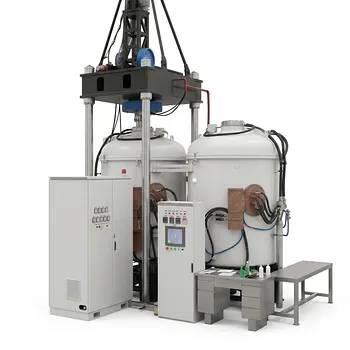
High Pressure 600T Vacuum Induction Hot Press Furnace for Advanced Material Heat Treatment and Sintering
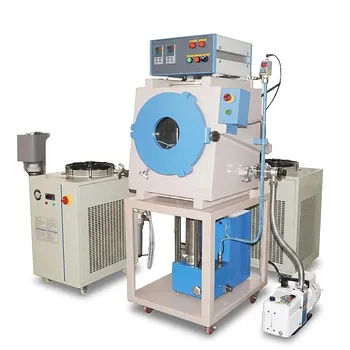
High Temperature Vacuum Lamination Hot Press Furnace Machine for Semiconductor Wafer Bonding and Advanced Composite Thermal Processing
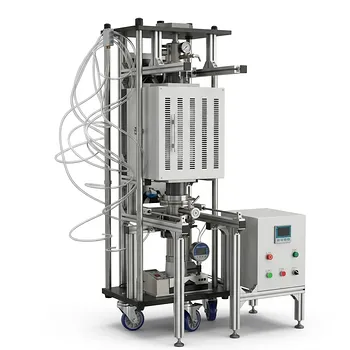
Industrial High Temperature Vacuum Hot Press Furnace and Heated Vacuum Press Machine for Material Science Sintering
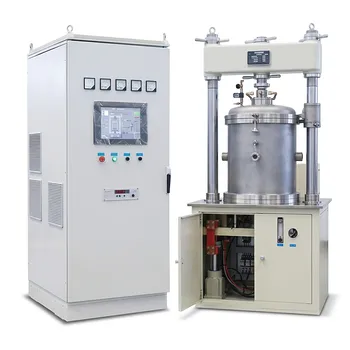
Industrial Vacuum Hot Press Furnace Machine and High Temperature Heated Vacuum Press for Advanced Material Sintering
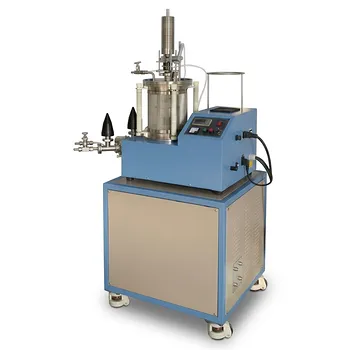
Ultrafast Thermal Pressing Furnace 2900C Max Temperature 200K per Second Heating Rate Vacuum Atmosphere Rapid Processing System

1800C High Temperature Compact Vacuum Tube Furnace with 60mm OD Alumina Tube and Kanthal MoSi2 Heating Elements
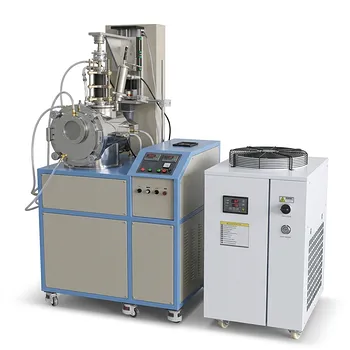
High Temperature Ultrafast Heating Pressing Furnace 2900C Max 100kgf Rapid Thermal Processing System
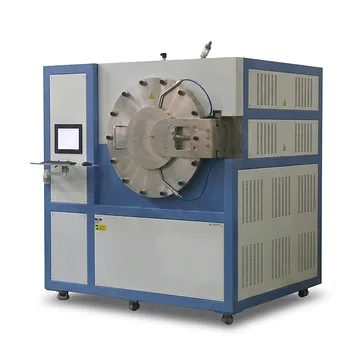
High Vacuum Pressure Chamber Furnace 800C 3.5 Bar Sintering System for Superconducting Materials
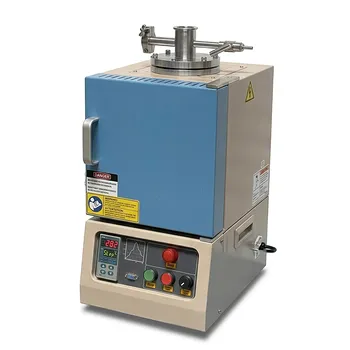
High Temperature Hybrid Muffle and Tube Furnace with Vacuum Capability and PID Control
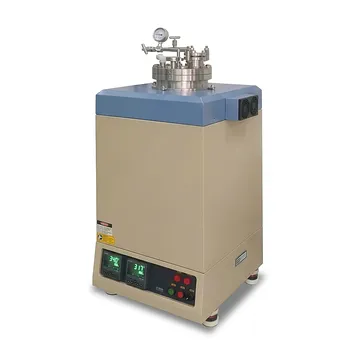
High Temperature 1000C Vacuum Furnace with 8 Inch ID Chamber for Material Sintering and Research Annealing
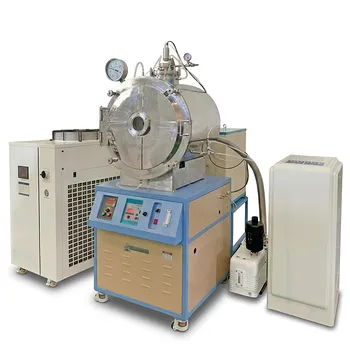
Ultra High Temperature Induction Heated Vacuum Furnace with Molten Salt Electrolysis Capability and 3000 Degree Precision Control
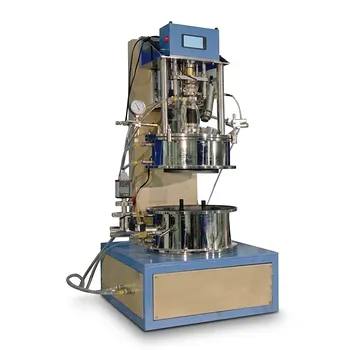
2500C High Vacuum Ultrafast Heating Pellet Press with Automated 8 Sample Loading System
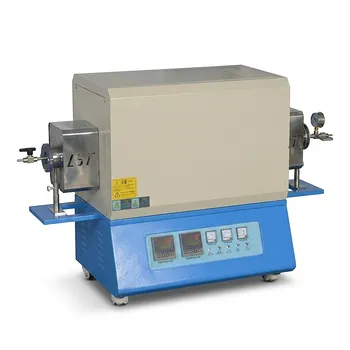
High Temperature Dual Zone Vacuum Tube Furnace for Material Research and CVD Processing
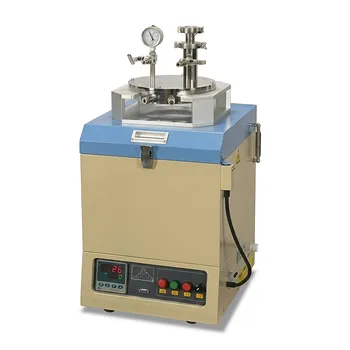
Vertical Vacuum Furnace 1100C High Temperature 8 Inch Quartz Chamber Water Cold Flange System
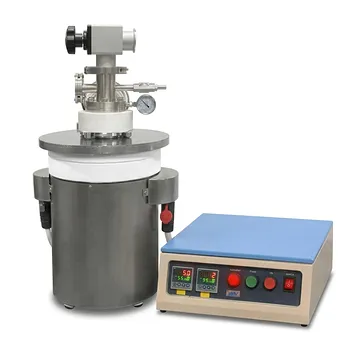
1100C High Temperature Vacuum Crucible Furnace with Quartz Chamber for Thermal Processing and Sintering
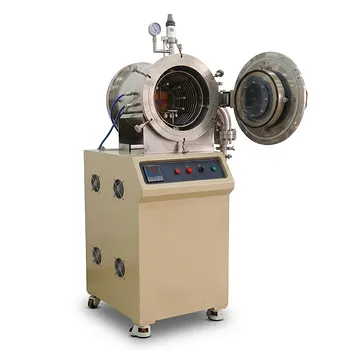
High Temperature Cold Wall High Vacuum Chamber Furnace 1400C for Advanced Material Processing
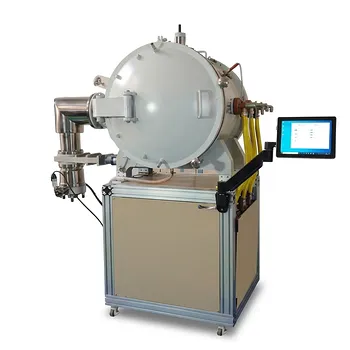
High Temperature Cold Wall Vacuum Furnace for Advanced Material Sintering and Annealing 1600C Heating Area 200x200x300mm
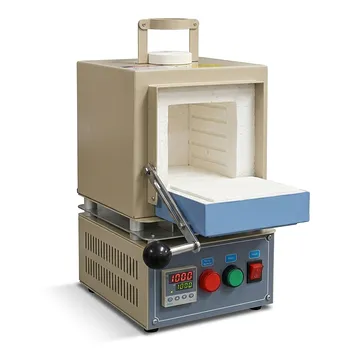
Compact 1000C Muffle Furnace with Programmable Controller and 2 Inch Top Port for Vacuum and Atmosphere Material Research

1750°C High Temperature Benchtop Vacuum Atmosphere Tube Furnace with Kanthal Super 1800 Heating Elements and 60mm Alumina Processing Tube