What are the technical advantages of using a vacuum furnace over a traditional atmosphere furnace? Maximize Purity
Updated 5 months ago
The technical superiority of a vacuum furnace lies in its ability to eliminate the chemical reactivity of the environment during thermal processing. By removing air and moisture, vacuum furnaces prevent oxidation, decarburization, and scaling, resulting in bright, high-purity surfaces. They provide unparalleled control over cooling rates and outgassing, which ensures high material density and minimizes structural distortion in finished components.
Vacuum furnaces provide a chemically inert environment that preserves material integrity, enhances atomic-level bonding, and ensures the highest degree of dimensional precision. This technology is the definitive solution for high-performance industries where purity and repeatability are non-negotiable.
Achieving Absolute Surface and Material Purity
Elimination of Oxidation and Decarburization
Traditional furnaces often expose parts to oxygen and moisture, leading to surface scaling and the loss of carbon at the surface. A vacuum environment effectively eliminates these reactive elements, ensuring the workpiece remains oxidation-free and maintains its intended chemical composition.
Removal of Outgassed Volatiles and Binders
During heating, materials often release trapped gases or thermal decomposition products from binders like stearic acid. The vacuum system continuously extracts these outgassed volatiles, preventing the formation of internal pores and ensuring a cleaner, more homogeneous material structure.
Superior Surface Finish
Because there is no oxygen to react with the metal, components emerge from the furnace with a bright, scale-free surface. This eliminates the need for secondary cleaning processes like pickling or sandblasting, which can compromise dimensional tolerances.
Enhancing Structural and Mechanical Integrity
Superior Atomic Diffusion and Bonding Strength
In processes like sintering and diffusion bonding, a vacuum environment prevents oxide layers from forming between particles or interfaces. This facilitates unhindered atomic diffusion and grain boundary bonding, resulting in higher material density and stronger metallic bonds that are difficult to achieve in ambient air.
Minimized Distortion through Precise Thermal Control
Vacuum furnaces utilize advanced cooling logic and highly uniform heating to manage thermal gradients. This level of control significantly reduces part distortion and the risk of cracking, which is vital for high-precision components like linear bearings and aerospace gears.
Preservation of Reinforcing Phases
For advanced composites containing sensitive materials like carbon nanotubes, a high-vacuum environment is essential. It prevents the oxidative degradation of these structures at high temperatures, allowing them to maintain their integrity as a reinforcing phase within the matrix.
Critical Applications for Specialized Materials
Processing Reactive Metals and Superalloys
Certain materials, such as titanium and superalloys, are highly reactive and would be destroyed or contaminated in a standard atmosphere. The vacuum furnace is the only viable technical solution for heat-treating these materials while maintaining their required mechanical properties.
Consistency for Critical Industries
In sectors such as medical, electronics, and aerospace, repeatability is a regulatory and functional requirement. Vacuum technology offers a stable, programmable environment that ensures every batch of parts meets the exact same metallurgical standards.
Understanding the Trade-offs
Operational Costs and Throughput
Vacuum furnaces generally involve higher initial capital costs and higher maintenance requirements compared to atmosphere furnaces. Furthermore, they are typically batch processors, whereas atmosphere furnaces are often better suited for high-volume, continuous production lines.
Limitations in Surface Chemistry Modification
While vacuum furnaces excel at preserving the existing chemistry of a part, traditional atmosphere furnaces are often superior for thermochemical surface treatments. Processes like gas carburizing or nitriding require the introduction of specific active gases to change the surface properties, a function that is native to atmosphere-controlled systems.
Making the Right Choice for Your Goal
How to Apply This to Your Project
- If your primary focus is surface aesthetics and precision: Use a vacuum furnace to achieve a bright finish and minimize the need for post-processing.
- If your primary focus is reactive materials like Titanium: A vacuum furnace is mandatory to prevent material contamination and brittle failure.
- If your primary focus is high-volume, low-cost production: A traditional atmosphere furnace may be more technically and economically appropriate.
- If your primary focus is maximum bonding strength in sintering: Utilize vacuum processing to ensure high density and the removal of internal gases.
A vacuum furnace is the definitive tool for high-performance engineering where material purity, structural integrity, and dimensional stability cannot be compromised.
Summary Table:
| Feature | Vacuum Furnace | Atmosphere Furnace |
|---|---|---|
| Oxidation Control | Total elimination of oxygen | Reduced oxidation via inert gas |
| Surface Quality | Bright, scale-free finish | May require secondary cleaning |
| Outgassing | Removes trapped volatiles/binders | Limited removal capability |
| Material Purity | Maximum; prevents contamination | Moderate; potential gas reactions |
| Ideal Use Case | Reactive metals (Ti), Superalloys | High-volume carbon steel processing |
| Process Logic | High-precision batch control | Continuous or batch production |
Elevate Your Thermal Processing with THERMUNITS
Precision and purity are the cornerstones of advanced material science. As a leading manufacturer of high-temperature laboratory equipment, THERMUNITS empowers industrial R&D and academic research with cutting-edge thermal solutions.
Whether you require the absolute purity of a Vacuum Furnace or the specialized capabilities of CVD/PECVD systems, Hot Press furnaces, and Vacuum Induction Melting (VIM) units, our equipment is designed for repeatability and excellence. Our comprehensive range also includes Muffle, Atmosphere, Tube, and Rotary furnaces, as well as Dental furnaces and high-quality Thermal Elements.
Don't compromise on your material integrity. Contact our technical experts today to find the perfect furnace for your specific application and achieve superior heat treatment results.
Mentioned Products
- Ultra High Temperature Induction Heated Vacuum Furnace with Molten Salt Electrolysis Capability and 3000 Degree Precision Control
- High Temperature 1000C Vacuum Furnace with 8 Inch ID Chamber for Material Sintering and Research Annealing
- 1200°C Bottom Loading Vacuum Furnace with Rapid Gas Cooling and 8.6 Inch Diameter Quartz Chamber
- High Pressure 600T Vacuum Induction Hot Press Furnace for Advanced Material Heat Treatment and Sintering
- High Temperature Vacuum Lamination Hot Press Furnace Machine for Semiconductor Wafer Bonding and Advanced Composite Thermal Processing
People Also Ask
- What roles do an induction furnace and a graphite crucible play in the slag pre-melting process? Optimize Slag Prep.
- What is the function of high-vacuum furnaces in (Mo2/3V1/3)n+1AlCn MAX phase synthesis? Ensure Purity & Diffusion.
- What is the typical operating temperature range for vacuum furnaces? Expert Guide to High-Precision Heat Treatment
- How do vacuum furnaces compare to atmosphere or salt-bath furnaces in terms of material properties? Gain Peak Purity
- How do vacuum furnaces facilitate high purity in the electronics and semiconductor industry? Elevate Material Standards

Tech Team · ThermUnits
Last updated on Apr 14, 2026
Related Products
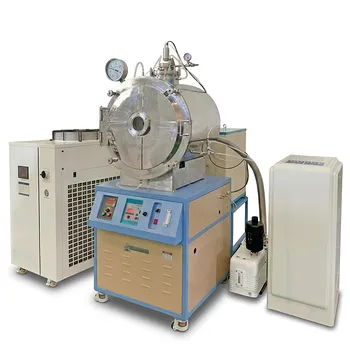
Ultra High Temperature Induction Heated Vacuum Furnace with Molten Salt Electrolysis Capability and 3000 Degree Precision Control
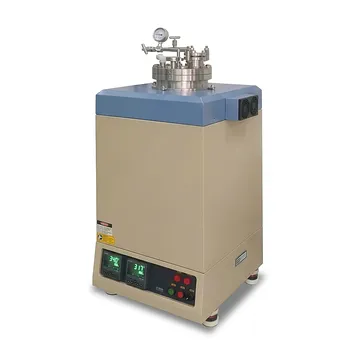
High Temperature 1000C Vacuum Furnace with 8 Inch ID Chamber for Material Sintering and Research Annealing
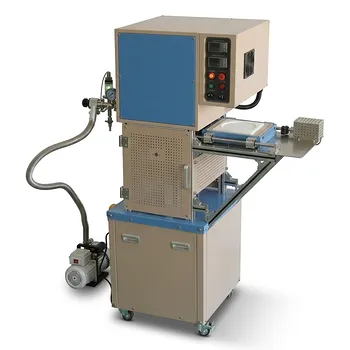
1200°C Bottom Loading Vacuum Furnace with Rapid Gas Cooling and 8.6 Inch Diameter Quartz Chamber
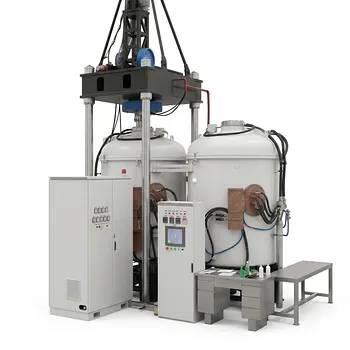
High Pressure 600T Vacuum Induction Hot Press Furnace for Advanced Material Heat Treatment and Sintering
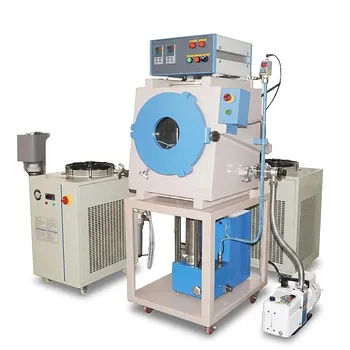
High Temperature Vacuum Lamination Hot Press Furnace Machine for Semiconductor Wafer Bonding and Advanced Composite Thermal Processing
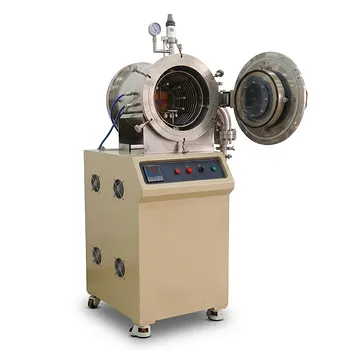
High Temperature Cold Wall High Vacuum Chamber Furnace 1400C for Advanced Material Processing
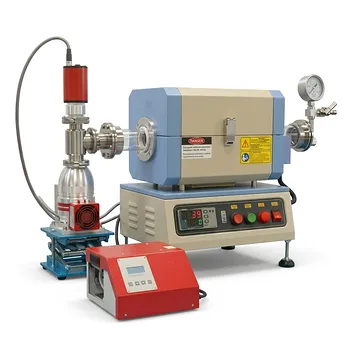
High Vacuum Compact Tube Furnace 1200C with Integrated Turbo Pump System and 8 Inch Heating Zone
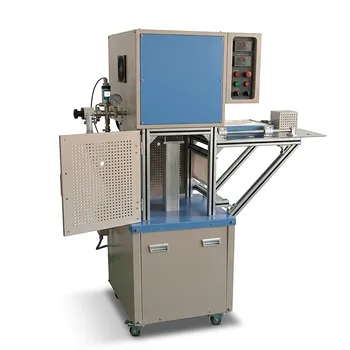
Bottom Loading Vacuum Furnace 1200C Rapid Cooling Atmosphere Control Quartz Chamber
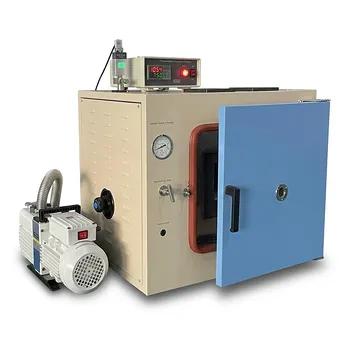
Compact High Vacuum Box Furnace 1050C Max 6.2L Ceramic Chamber Stainless Steel Shell Programmable Temperature Controller for Material Science Research
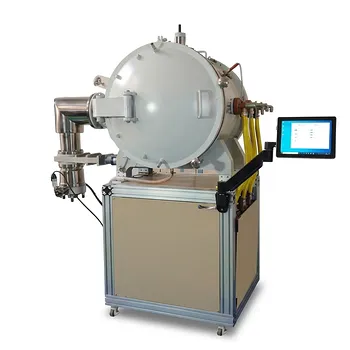
High Temperature Cold Wall Vacuum Furnace for Advanced Material Sintering and Annealing 1600C Heating Area 200x200x300mm
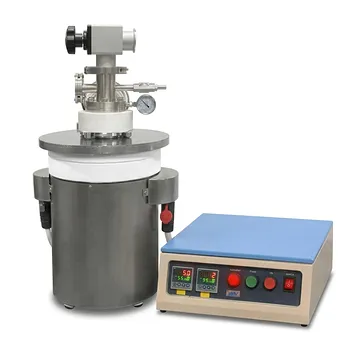
1100C High Temperature Vacuum Crucible Furnace with Quartz Chamber for Thermal Processing and Sintering
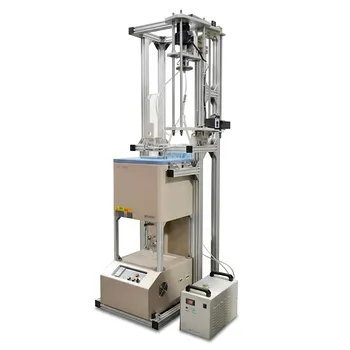
500C Vacuum Vertical Tube Furnace 84mm OD Sample Rotation Lifting System
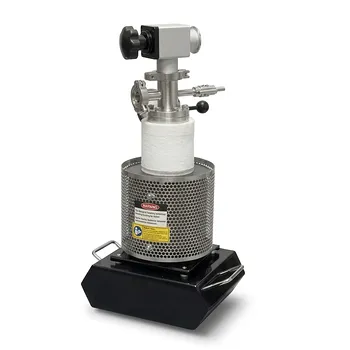
High Temperature 1100C Compact Top Loading Vertical Vacuum Tube Furnace for High Vacuum Noble Metal Melting and Material Research

1800C High Temperature Compact Vacuum Tube Furnace with 60mm OD Alumina Tube and Kanthal MoSi2 Heating Elements
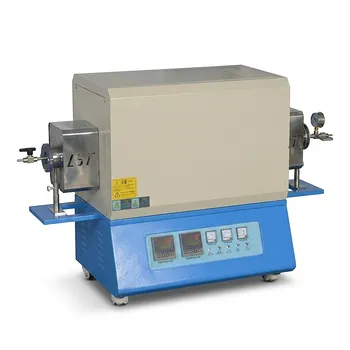
High Temperature Dual Zone Vacuum Tube Furnace for Material Research and CVD Processing
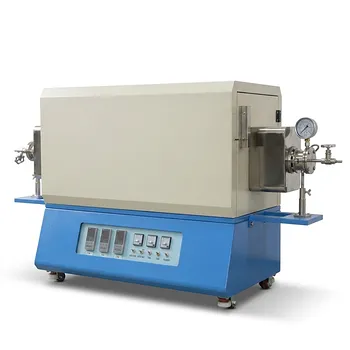
Three Temperature Zone High Temperature Vacuum Tube Furnace for CVD and Material Sintering
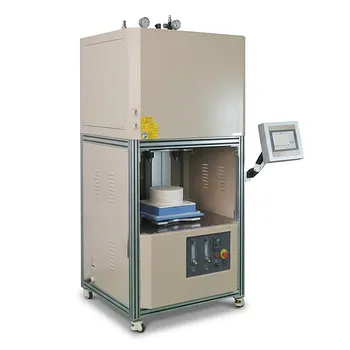
High Temperature Vertical Atmosphere Controlled Furnace 1700C Automatic Bottom Loading 13 Liter Vacuum Thermal System
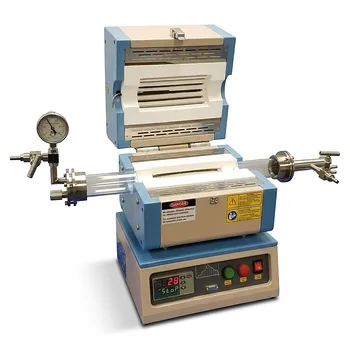
Compact Split Tube Furnace with Integrated Vacuum System and Precision Temperature Calibrator

Compact Vertical Split Quartz Tube Furnace with Stainless Steel Vacuum Flanges for Rapid Thermal Quenching and Controlled Atmosphere Material Processing
