What auxiliary functions do quartz spacers and corundum plates serve in MoS2 synthesis? Enhance Film Uniformity
Updated 3 months ago
In Monolayer Molybdenum Disulfide (MoS2) synthesis, quartz spacers and corundum plates act as precision tools for fluid dynamic control and thermal stabilization. These components transform the raw heat of a tube furnace into a controlled micro-environment by physically positioning substrates to optimize gas-surface interactions and buffering the reaction zone against turbulent heat fluctuations.
Core Takeaway: Quartz spacers and corundum plates are essential for overcoming the inherent instability of gas-phase reactions; they ensure MoS2 films achieve high crystalline uniformity by strictly controlling the substrate’s orientation and the thermal field's consistency.
Precision Positioning and Fluid Dynamics with Quartz Spacers
Optimizing the Gas Flow Field
Quartz spacers are primarily used to support substrates in specific orientations, such as vertical or parallel to the gas flow. This positioning is critical because it modifies how precursor vapors—like sublimated Molybdenum Trioxide (MoO3) and Sulfur—interact with the substrate surface.
Eliminating Turbulence
Placing quartz structures at the inlet and outlet of the reaction tube helps stabilize gas flow velocity. By acting as fluid stabilizers, these spacers eliminate turbulence, ensuring that the transport of reactants remains laminar and consistent throughout the deposition cycle.
Acting as Thermal Buffers
Beyond physical support, quartz inserts serve as thermal buffers within the tube. They help maintain a steady ambient temperature around the substrate, which prevents localized cooling that could lead to incomplete reactions or non-uniform flake thickness.
Thermal Management and Protection with Corundum Plates
Ensuring Thermal Field Uniformity
Corundum plates and stones provide critical thermal insulation within the reaction zone. By absorbing and redistributing heat, they ensure a uniform thermal field, which is vital for preventing the non-uniformity in thin films typically caused by thermal convection.
Protecting the Reaction Chamber
High-temperature MoS2 synthesis (often 600°C to 800°C) can put significant stress on the quartz tube walls. Corundum plates act as a physical shield, protecting the high-purity quartz tube from direct contact with precursors or extreme localized heat, thereby extending the equipment's lifespan.
Facilitating Precursor Vaporization
Corundum boats or plates are often used to hold solid precursors like MoO3. Their high thermal stability allows them to sit within the furnace's hottest zones without reacting, facilitating the steady sublimation required for consistent gas-phase transport to the substrate.
Understanding the Trade-offs and Challenges
Thermal Mass and Ramp Times
While corundum provides excellent insulation and uniformity, its high thermal mass can increase the time required to heat or cool the furnace. This can lead to longer cycle times and may require adjustments to the furnace's "soaking" periods to ensure the internal temperature matches the set point.
Contamination Risks
Every internal component added to the quartz tube is a potential source of contamination. If quartz spacers or corundum plates are not high-purity or are improperly cleaned between runs, they can introduce trace elements that degrade the electrical properties of the MoS2 monolayer.
Obstruction of Gas Flow
If quartz spacers are improperly sized or positioned, they can inadvertently create "dead zones" where precursor gases cannot reach the substrate. This requires careful calibration of the internal geometry to ensure the spacers assist flow rather than blocking it.
How to Optimize Your Internal Reactor Setup
To achieve the best results in Monolayer MoS2 synthesis, the choice and placement of these auxiliary components should be dictated by your specific growth objectives.
- If your primary focus is large-scale uniformity: Prioritize the use of corundum plates to stabilize the thermal field and reduce convection currents that cause thickness variations.
- If your primary focus is high crystalline quality: Use quartz spacers to position substrates vertically, which can help achieve a cleaner epitaxial growth by minimizing the settling of larger particles on the film surface.
- If your primary focus is process repeatability: Standardize the placement of quartz crystals at the tube ends to ensure the gas flow velocity remains identical across every experimental run.
The successful synthesis of Monolayer MoS2 relies as much on the internal architecture created by spacers and plates as it does on the temperature and pressure settings of the furnace itself.
Summary Table:
| Component | Primary Role | Key Benefit |
|---|---|---|
| Quartz Spacers | Fluid dynamic control & positioning | Eliminates turbulence; ensures laminar gas flow. |
| Corundum Plates | Thermal insulation & tube protection | Provides uniform thermal fields; shields quartz tubes. |
| Synergy | Micro-environment stabilization | Ensures high crystalline uniformity and process repeatability. |
Achieve Precise MoS2 Synthesis with THERMUNITS
As a global leader in high-temperature laboratory equipment, THERMUNITS provides the precision-engineered Tube Furnaces, CVD/PECVD systems, and Vacuum Atmosphere furnaces essential for advanced material science and industrial R&D. Our thermal processing solutions—ranging from Muffle and Rotary furnaces to Hot Press systems and Dental furnaces—are designed to give you total control over your reaction environment.
Ready to optimize your laboratory heat treatment or 2D material synthesis?
Contact THERMUNITS today to discuss our comprehensive thermal solutions and how we can add value to your research and production goals.
References
- Ting Li, Shuhui Yu. Sodium chloride-assisted CVD enables controlled synthesis of large single-layered MoS<sub>2</sub>. DOI: 10.1039/d4ra02510e
Mentioned Products
- High Temperature Bench Top Muffle Furnace 1700C with Integrated Evaporating Particle Collection and 8x8x8 Alumina Fiber Chamber
- Hybrid High Temperature Tube and Box Furnace 1700C with 2 Inch Alumina Tube for Material Research
- High Temperature Muffle Furnace with Dual Controllers and 36L Large Chamber 1700C Max
- High Temperature Benchtop Muffle Furnace 1700C 10L Chamber Alumina Fiber Insulation MoSi2 Heating Elements
- 5 Inch Two Zone Rotary Tube Furnace 1100C for Powder CVD and Material Synthesis
People Also Ask
- What is the purpose of using muffle or tube furnaces in glass synthesis? Achieve Precise Melt-Quenching & Homogeneity
- Why is annealing in a high-temperature muffle furnace necessary for SiO2/Si substrate pretreatment before monolayer WS2 synthesis?
- What role does a high-temperature muffle furnace play in the synthesis of Melem precursors? Precision Polymerization.
- What is the function of a high-temperature muffle furnace in phosphorus-modified zeolite catalyst preparation?
- What is the function of a high-temp muffle furnace in Ni-V oxide synthesis? Optimize your material's performance.

Tech Team · ThermUnits
Last updated on Jun 03, 2026
Related Products
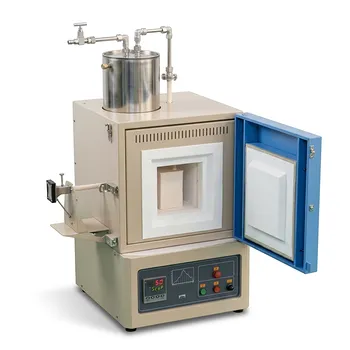
High Temperature Bench Top Muffle Furnace 1700C with Integrated Evaporating Particle Collection and 8x8x8 Alumina Fiber Chamber
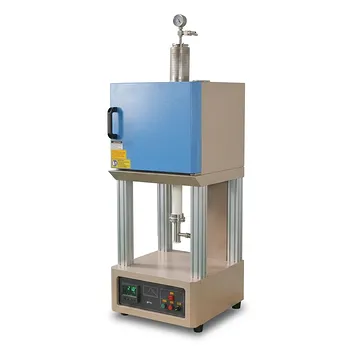
Hybrid High Temperature Tube and Box Furnace 1700C with 2 Inch Alumina Tube for Material Research
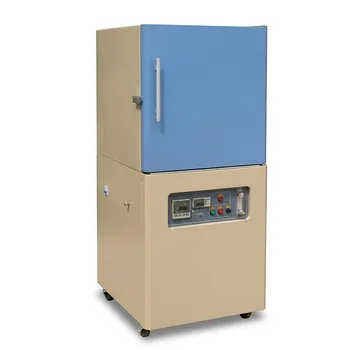
High Temperature Muffle Furnace with Dual Controllers and 36L Large Chamber 1700C Max
High Temperature Benchtop Muffle Furnace 1700C 10L Chamber Alumina Fiber Insulation MoSi2 Heating Elements
5 Inch Two Zone Rotary Tube Furnace 1100C for Powder CVD and Material Synthesis
1200C Dual Temperature Zone Slidable Tube Furnace for 2D Material Growth and TCVD Synthesis
Molybdenum Disilicide MoSi2 Thermal Elements Electric Furnace Heating Element High Temperature Resistance
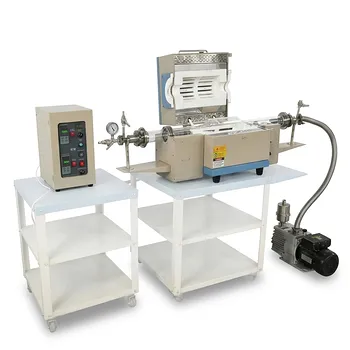
Two Zone Rotary Tube Furnace for Powder CVD Coating and Core Shell Material Synthesis 1100C
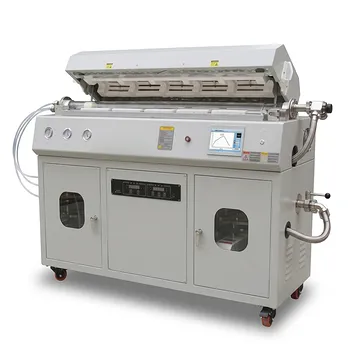
Multi Heating Zones CVD Tube Furnace System for Precision Chemical Vapor Deposition and Advanced Material Synthesis
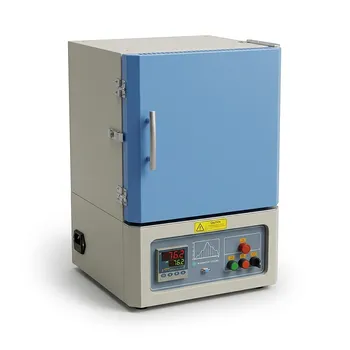
1750C Bench Top Muffle Furnace 3.6L High Grade Molybdenum Disilicide Heating Elements Laboratory Heat Treatment Equipment
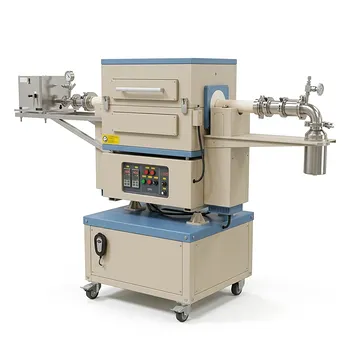
1500C Max Dual Zone Rotary Tube Furnace with 60 mm OD Alumina Tube for High Temperature Material Synthesis

High Temperature 1700C Vertical Tube Furnace for Powder Spherification and Material Sintering
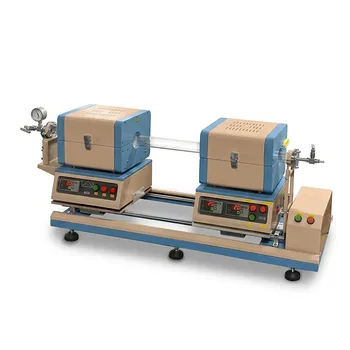
High Temperature 1200C Automatic Sliding Dual Zone Tube Furnace for 2D Transition Metal Dichalcogenides Growth and Material Sublimation Research
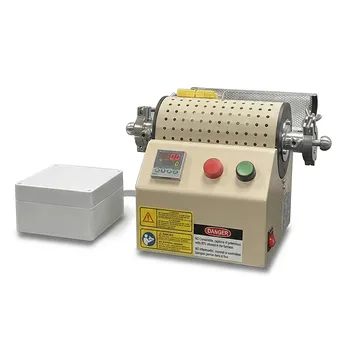
1000C Mini Tube Furnace with 20mm Quartz Tube and Vacuum Flanges for Material Science Research and Controlled Atmosphere Small Sample Processing
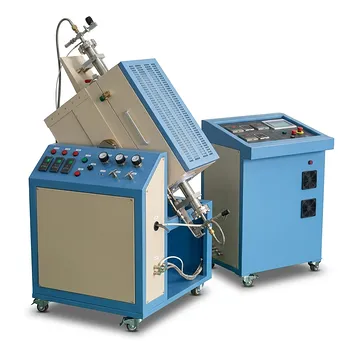
1100C High Pressure Rocking Tube Furnace with 2 Inch Super Alloy Processing Tube for Material Synthesis
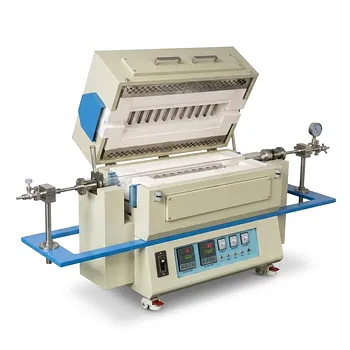
High Temperature Dual Zone Rotating Tube Furnace 1500C Silicon Carbide Heating for Advanced Material Synthesis
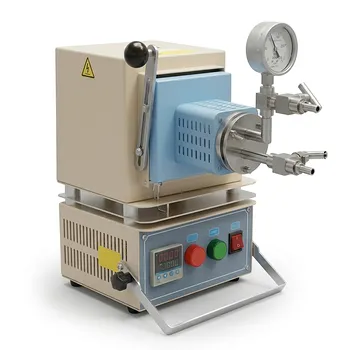
Compact Hybrid Muffle and Tube Furnace for 1000C Controlled Atmosphere Laboratory Material Sintering
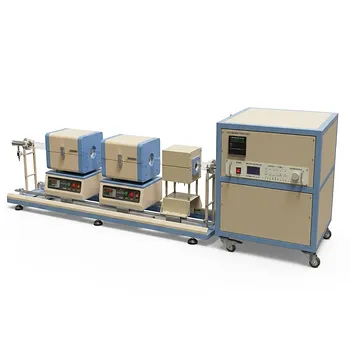
1200C Dual Sliding Tube Furnace with Dual Tubes and Flanges for PECVD Processes
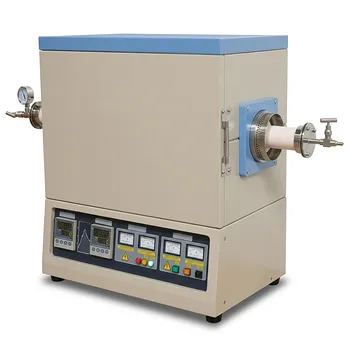
High Temperature 1700C Dual Zone Tube Furnace for Material Science and Industrial Chemical Vapor Deposition Research