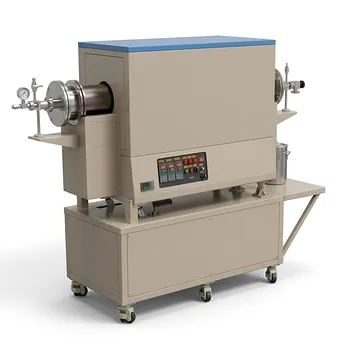
What critical processing conditions does a laboratory tube furnace provide for MS-N electrodes? Achieve Peak Performance
Updated 3 months ago
For the nitrogen-modification of MS-N electrodes, a laboratory tube furnace provides two critical processing conditions: a continuous flow of a controlled nitrogen atmosphere and precise temperature gradients, typically maintaining a set point of 200°C for a duration of 2 hours. These conditions are essential for removing surface impurities and facilitating the chemical bonding of nitrogen atoms into the material's structure.
Core Takeaway: A laboratory tube furnace acts as a high-precision reaction chamber that combines strict atmospheric control with thermal stability to transform the electronic energy levels of MS-N electrodes, ultimately optimizing their carrier mobility and thermoelectric performance.
The Role of Controlled Atmospheres
The tube furnace is designed to isolate the material from the surrounding environment, replacing ambient air with specific gases required for chemical modification.
Maintaining Continuous Gas Flow
A continuous flow of nitrogen creates a controlled reduction or modification environment that prevents unwanted oxidation. This steady stream ensures that the concentration of nitrogen remains constant throughout the entire thermal cycle, leading to uniform modification across the electrode surface.
Promoting Chemical Bonding
Under this specific atmosphere, the furnace provides the energy necessary to promote chemical bonding between nitrogen atoms and the material's structure. This process is not merely a surface coating but a structural integration that introduces new electronic energy levels into the material.
Atmospheric Purity and Reaction Mechanics
By strictly regulating the gas environment, the furnace can facilitate complex reactions like nitridation, where nitrogen atoms replace oxygen atoms in the lattice. While MS-N electrodes specifically utilize nitrogen flow, these furnaces are also capable of handling more aggressive reducing agents like ammonia (NH3) or hydrogen for other specialized modifications.
Precision Thermal Regulation
Temperature control in a tube furnace goes beyond reaching a specific heat; it involves managing the rate of change and the duration of exposure to ensure material integrity.
Solvent and Impurity Removal
The initial phase of the thermal treatment serves to remove residual solvents and surface impurities from the MS-N electrode. This "cleaning" step is vital because any leftover contaminants could interfere with the nitrogen bonding process or degrade the final electronic properties.
Optimizing Thermoelectric Performance
The furnace maintains a precise temperature gradient, such as the 200°C threshold, which is the "sweet spot" for optimizing carrier mobility. Correct thermal exposure ensures the material achieves the desired thermoelectric performance without causing thermal degradation or structural collapse.
Managing Heating Rates
Advanced tube furnaces allow for specific ramp rates, such as 5 °C per minute, to prevent thermal shock to the substrate. Controlled heating and cooling cycles ensure that the internal stresses within the MS-N electrode are minimized during the nitrogen-incorporation phase.
Understanding the Trade-offs and Pitfalls
While tube furnaces offer unmatched precision, improper calibration or environmental leaks can compromise the quality of the MS-N electrode.
Atmosphere Contamination
If the furnace seals are compromised, even trace amounts of oxygen can lead to unintentional oxidation rather than nitrogen modification. This failure typically results in poor conductivity and a failure to achieve the intended electronic energy levels.
Temperature Uniformity Issues
In larger or lower-quality furnace tubes, thermal gradients may exist where the center is hotter than the edges. This lack of uniformity can lead to inconsistent nitrogen doping across a single batch of electrodes, causing performance variations in the final device.
Process Time Sensitivity
Over-processing the material—either by exceeding the 200°C limit or extending the 2-hour duration—can lead to grain growth or sintering. These structural changes can inadvertently reduce the surface area or negatively impact the very carrier mobility the process was intended to improve.
Applying Furnace Conditions to Your Project Goals
To achieve the best results with your laboratory tube furnace, tailor the processing conditions to the specific requirements of your material's end-use.
- If your primary focus is Thermoelectric Efficiency: Prioritize precise temperature soaking at 200°C to ensure stable nitrogen integration and optimized carrier mobility.
- If your primary focus is Catalytic Activity: Consider utilizing higher temperatures (near 500°C) and reducing atmospheres like ammonia to promote deeper nitridation and metallic conductivity.
- If your primary focus is Nanostructure Growth: Implement a multi-gas setup to support "etching-growth" coupling, utilizing catalysts like nickel to grow carbon nanotubes directly on the substrate.
By mastering the balance between gas flow continuity and thermal precision, you can precisely tune the electronic characteristics of MS-N electrodes for high-performance applications.
Summary Table:
| Parameter | Processing Condition | Impact on MS-N Electrode |
|---|---|---|
| Atmosphere | Continuous Nitrogen (N2) Flow | Prevents oxidation and ensures uniform chemical bonding. |
| Temperature | 200°C (Precise Gradient) | Removes impurities and optimizes carrier mobility. |
| Duration | 2 Hours (Soak Time) | Facilitates structural integration of nitrogen atoms. |
| Ramp Rate | 5 °C per Minute | Minimizes internal stress and prevents thermal shock. |
| Purity | Sealed Reaction Chamber | Ensures electronic energy level transformation without contamination. |
Elevate Your Material Research with THERMUNITS
Precision is the difference between experimental success and failure. THERMUNITS is a leading manufacturer of high-temperature laboratory equipment specifically designed for material science and industrial R&D. Our high-performance Tube Furnaces, CVD/PECVD systems, and Vacuum Atmosphere Furnaces provide the rigorous atmospheric control and thermal accuracy required for advanced processes like the nitrogen-modification of MS-N electrodes.
From Muffle and Rotary furnaces to specialized Vacuum Induction Melting (VIM) systems, we offer a comprehensive suite of thermal solutions to optimize your carrier mobility and thermoelectric performance.
Ready to upgrade your lab’s capabilities? Contact our technical experts today to discuss your specific heat treatment requirements and discover how THERMUNITS can accelerate your innovation.
References
- Shang Hai. Flexible Thermoelectric Electrodes of the New Nitrogen-modifiedMXene/SWCNT Layered Structure Used for Low-grade Thermal Energycollection. DOI: 10.11159/enfht24.290
Mentioned Products
- 1000C Mini Tube Furnace with 20mm Quartz Tube and Vacuum Flanges for Material Science Research and Controlled Atmosphere Small Sample Processing
- High Temperature Rotary Tube Furnace with Integrated Ball Milling and Gas Flow Function for Powder Nitriding
- High Temperature 1700C Vertical Tube Furnace for Powder Spherification and Material Sintering
- Compact High Temperature 1600C Tube Furnace with 50mm Alumina Tube and Vacuum Flanges for Material Sintering
- 1200C High Throughput Multi Channel Tube Furnace with 50mm Quartz Tubes for Annealing and Material Phase Diagram Research
People Also Ask
- Why is a Tube Furnace typically utilized for CVD? Achieve Precision in Graphene and 2D Material Synthesis
- Why is a tube furnace required for pre-oxidation? Enhance Ti(Nb)-Si-C coating adhesion and substrate durability.
- How does the precision temperature control system of a laboratory tube furnace affect the structural evolution of SiCN(Ni)/BN ceramics?
- How does a lab tube furnace facilitate RuAl thermal stability assessment? Advanced Research for Microelectronics
- What role does a laboratory tube furnace play during the carbonization stage of seaweed-residue carbon aerogel materials?

Tech Team · ThermUnits
Last updated on Jun 02, 2026
Related Products
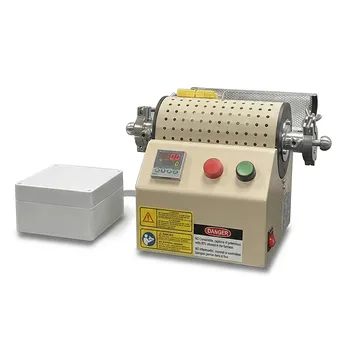
1000C Mini Tube Furnace with 20mm Quartz Tube and Vacuum Flanges for Material Science Research and Controlled Atmosphere Small Sample Processing
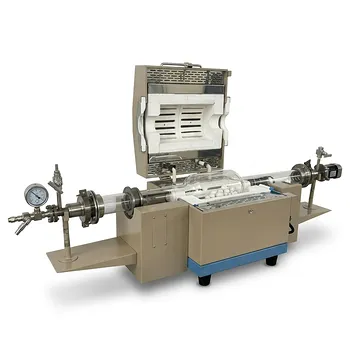
High Temperature Rotary Tube Furnace with Integrated Ball Milling and Gas Flow Function for Powder Nitriding

High Temperature 1700C Vertical Tube Furnace for Powder Spherification and Material Sintering

Compact High Temperature 1600C Tube Furnace with 50mm Alumina Tube and Vacuum Flanges for Material Sintering

1200C High Throughput Multi Channel Tube Furnace with 50mm Quartz Tubes for Annealing and Material Phase Diagram Research

High Temperature Automated 5 Inch Tube Furnace for Autonomous Material Research and Advanced Laboratory R&D

1800C High Temperature Compact Vacuum Tube Furnace with 60mm OD Alumina Tube and Kanthal MoSi2 Heating Elements
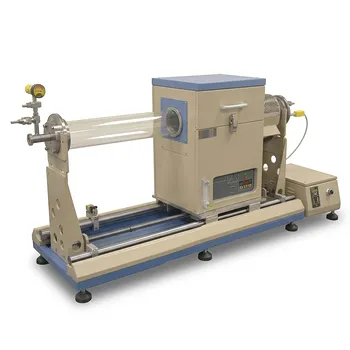
Rapid Thermal Processing Sliding Tube Furnace with 4 Inch OD Quartz Tube and 900C IR Heating
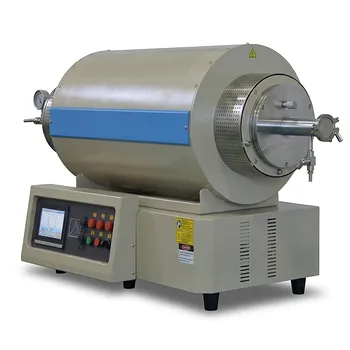
1200C Max Three Zone Tube Furnace 6 Inch OD Max with Tube and Flange
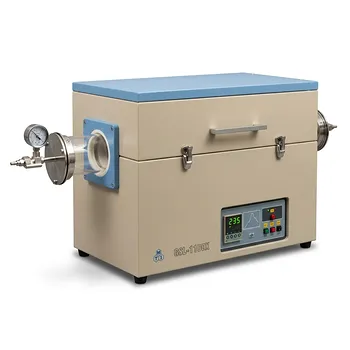
Single Zone Tube Furnace 5 Inch Quartz Tube 36 Inch Heating Zone Vacuum Flanges
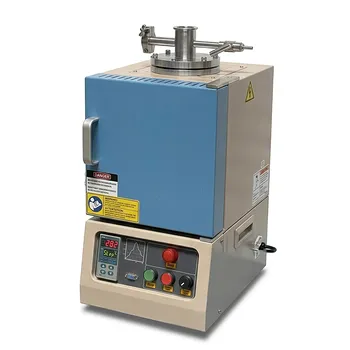
High Temperature Hybrid Muffle and Tube Furnace with Vacuum Capability and PID Control

Vertical 1700C Vacuum and Atmosphere Tube Furnace with 80mm Alumina Tube
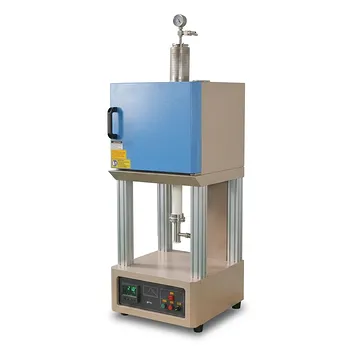
Hybrid High Temperature Tube and Box Furnace 1700C with 2 Inch Alumina Tube for Material Research
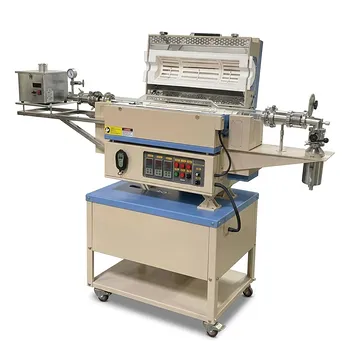
5 Inch Rotary Tube Furnace with Automatic Feeding and Receiving System 1200C Three Zone CVD Powder Processing

1100C Tube Furnace with Vacuum Flange and Programmable Temperature Controller for Material Science and Industrial Heat Treatment
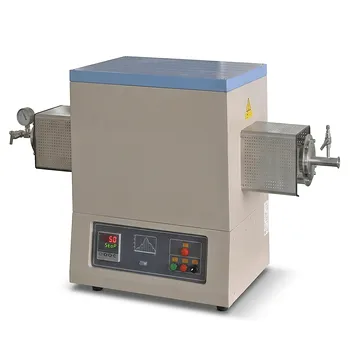
High Temperature 1700C Tube Furnace with 4 Inch OD Alumina Tube and Vacuum Sealing Flanges

High Temperature 1700C Six Zone Split Tube Furnace with Alumina Tube and Water Cooled Flanges

High Temperature 1700C Tube Furnace with High Vacuum Turbomolecular Pump System and Multi Channel Mass Flow Controller Gas Mixer

1200°C 5 Inch Vertical Quartz Tube Furnace with Stainless Steel Vacuum Flanges